Quick Facts
- Location: Laspur Valley, Upper Chitral District, Khyber Pakhtunkhwa — at the foothills of the Hindu Kush
- Altitude: Around 3,679 metres (12,070 feet) above sea level
- Famous For: The 4th largest lake in northern Pakistan by surface area (about 1.639 km²), reached only by a long trek
- Nearest City: Chitral town — about 170 km away
- Accessibility: 4×4 track to Sor Laspur (the last village), then a roughly 20-km hike to the lake
- Known Landmarks: The lake itself (Bashqar Chaat), the Laspur River flowing out of it, Thalo Zom peak, the Thalo Pass route to Kumrat
- Best For: Serious trekkers, mountaineers, campers, wildlife watchers, anglers — this is expedition territory, not a picnic spot
Why Visit Bashqar Gol Lake, Laspur
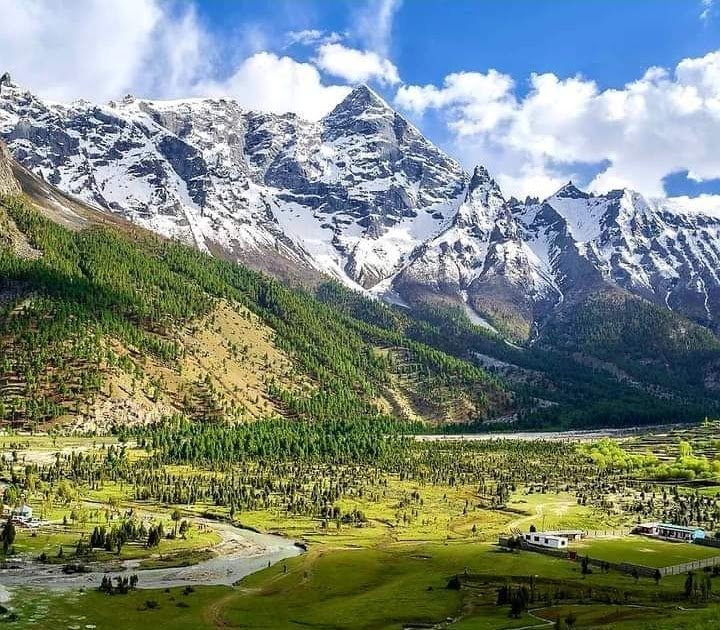
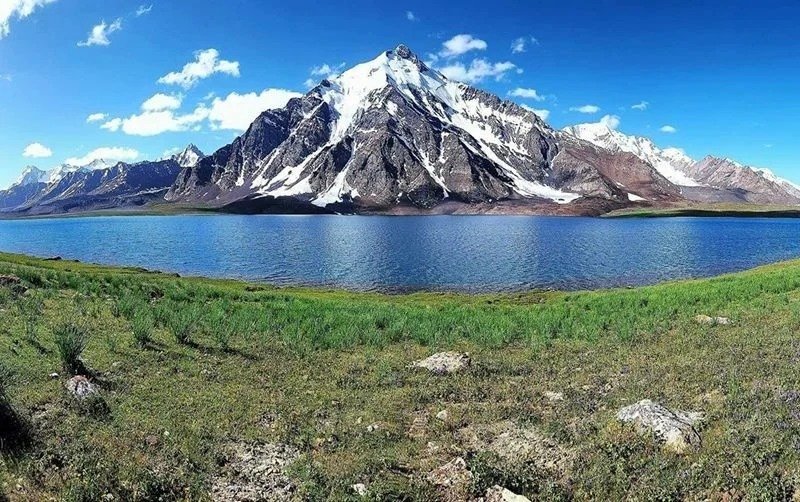
There are famous lakes in Pakistan, and then there are lakes that most Pakistanis have never heard of. Bashqar Gol Lake sits firmly in the second category — and that is precisely its power. At around 3,679 metres in the Laspur Valley of Upper Chitral, ringed by meadows on its southern shore, pine forest on the north and Hindu Kush peaks on every other side, it is the 4th largest lake in northern Pakistan by surface area, yet it sees a fraction of the visitors of far smaller lakes. A bashqar gol lake laspur travel guide is written for the travelers who have already seen the easy lakes and want the real thing.
The lake’s setting is genuinely spectacular. Glaciers from Thalo Zom, Gochhar Sar and Kharakhali peaks feed its waters, and its outlet gives rise to the Laspur River — the major left tributary of the Chitral River. In summer, the basin blooms with alpine flowers like rose hip and gentian, and the surrounding pinus forest shelters wild birds. The water is vast and still, the mountains close and huge, and the silence is broken only by wind and the occasional call of a Himalayan snowcock.
Bashqar Gol is also a working crossroads of the high mountains. The lake is a stopover for mountaineers heading to the base camp of Thalo Zom, and the trail past it crosses the Thalo Pass — the classic trekking route between Chitral and Kumrat Valley in Upper Dir. Other trekking routes from here lead toward Golengol and Madaklasht in Lower Chitral, and toward Gabral in Swat. To stand at Bashqar Gol is to stand at a junction of some of the great foot journeys of the Hindu Kush.
And then there is the wildlife. The Bashqar Gol area is documented habitat for the Himalayan brown bear, Himalayan ibex, snow leopard, lynx and wolf — local people say that with a telescope you can spot ibex and even bears on the surrounding slopes. This is not a zoo; sightings take patience and luck. But few places in Pakistan put you so directly inside the home range of the high mountains’ great animals. Come prepared, come quietly, and come with a local guide — Bashqar Gol rewards the serious and the respectful.
History of Bashqar Gol Lake, Laspur
Bashqar Gol is a natural lake with no recorded human monument, so its history is the history of the land around it — and that land has a deep past. The Laspur Valley lies in Upper Chitral, a region that was for centuries part of the princely State of Chitral, ruled by the Mehtars from Chitral town. Chitral’s position at the meeting point of Central and South Asia gave it a layered history of trade, invasion and diplomacy; the state acceded to Pakistan in 1947 and was fully incorporated in 1969. Laspur itself was always the remote edge of that state — a high valley of scattered villages, summer pastures and, above it all, the great lakes and glaciers of the Hindu Kush watershed.
The lake’s name comes from the Khowar language spoken across Chitral — “Bashqar Gol” is the Urdu rendering, “Bashqar Chaat” the Khowar name for the lake itself. For the people of Laspur’s villages — Sor Laspur, Balim and the smaller hamlets — the lake was traditionally part of the summer grazing world: herders took livestock to the high pastures, and the lake was a landmark on the old foot routes between valleys. Wildlife researchers have studied the area for years; a published conservation study of the Himalayan brown bear in Bashqar Gol documented the lake’s elevation at 3,679 m, its roughly 200-hectare surface, and its inflow from the Laspur Valley side — scientific confirmation of what the herders always knew.
Bashqar Gol entered the travel map only in recent years, as trekking groups began using it as a camping stop on the Thalo Pass crossing between Chitral and Kumrat, and as mountaineers used it as the approach to Thalo Zom’s base camp. Local writers in Chitral describe it as “the most isolated hidden paradise on earth,” still largely unexplored by mainstream tourism. Development is minimal but beginning — tourism authorities have built a guest house at Sor Laspur, the last village before the trail, to support the trickle of visitors. The lake’s story is still being written, and the hope of everyone who knows it is that it is written carefully.
Top Things to Do in Bashqar Gol Lake, Laspur
Trek from Sor Laspur to the lake
The defining experience. Four-wheel-drive vehicles can reach Sor Laspur, the last village of the valley; from there it is a roughly 20-km hike — local accounts put it at about seven hours on foot — through high pasture and moraine to the lake. The route is often used as a camping approach, with trekkers pitching tents along the way. A local guide is essential: the trail is unmarked for outsiders and the weather at this altitude is unforgiving.
Camp on the lakeshore
In recent years the lake has gained popularity as a camping spot among Laspur locals and trekkers. The southern meadows offer the best pitching ground, with the peaks reflected in the still water at dawn. Nights are bitterly cold even in summer — bring a serious sleeping bag — and carry out every scrap of waste.
Trout fishing
Local writers describe Bashqar Gol as a fine trout-fishing point. The lake’s cold, clear glacial water suits trout, and anglers trekking the Thalo Pass route often fish the lake and the upper Laspur River. Bring your own gear from Chitral town and confirm local rules with your guide.
Wildlife watching
This is documented brown bear, ibex, snow leopard, lynx and wolf country. The slopes around the lake are the place to scan with binoculars or a telescope at dawn and dusk — locals say ibex and bears are the most realistic sightings. Keep a respectful distance from all wildlife, store food securely at camp, and never approach a bear.
Trek the Thalo Pass to Kumrat
For experienced trekkers, Bashqar Gol is the gateway to the Thalo Pass crossing into Kumrat Valley in Upper Dir — one of the great multi-day treks of the region. The lake serves as the natural acclimatisation and staging camp. This is a serious expedition: go with an experienced outfitter, porters and full equipment.
Famous Places In and Around Bashqar Gol Lake, Laspur
- Sor Laspur: The last village of Laspur Valley and the trailhead for the lake.
- Shandur Pass: The high pass near Laspur, home of the famous annual polo tournament.
- Thalo Zom: The peak whose glaciers feed the lake; its base camp is approached from here.
- Mastuj: The town where the Laspur and Yarkhun rivers meet, on the road from Chitral.
- Kumrat Valley: The Upper Dir valley reached via the Thalo Pass trek.
- Chitral town: The historic former capital of the princely state, with its fort and bazaar.
How to Reach Bashqar Gol Lake, Laspur
Reaching Bashqar Gol is a genuine expedition: a long road journey to the last village, then a long hike. The lake lies about 170 km from Chitral town.
From Islamabad: Drive to Chitral via the Lowari Tunnel — roughly 480 km and 9–11 hours of driving through Dir. Alternatively, fly to Chitral Airport (services are limited and weather-dependent). From Lahore: Drive via Islamabad and the Lowari route, or fly to Islamabad and continue by road. From Karachi: Fly to Islamabad, then drive or connect by air to Chitral. Chitral to Sor Laspur: Drive north from Chitral town to Mastuj (where the Laspur and Yarkhun rivers meet), then up the Laspur Valley to Sor Laspur — a rough 4×4 track, several hours. Sor Laspur to the lake: Roughly 20 km on foot, about seven hours of hiking, usually with an overnight camp en route or a very long single day for the fit.
Route Details
Step by step: (1) Reach Chitral town and arrange a 4×4, supplies, camping gear and a local guide — do not attempt this trip without one. (2) Drive Chitral–Mastuj–Laspur Valley to Sor Laspur, the last village; the track is rough and slow. (3) Trek from Sor Laspur toward the lake — about 20 km through high pasture — camping en route or pushing through in a long day. (4) Arrive at the lakeshore meadows. Carry all food, fuel and equipment from Chitral; there is nothing to buy beyond the villages. For regional context, see our Explore Pakistan section, and compare with the Malam Jabba guide for a much gentler northern trip.
Where to Stay in Bashqar Gol Lake, Laspur
Accommodation at Bashqar Gol means camping — there are no hotels at the lake, and trekkers must carry tents, sub-zero sleeping bags, stoves and all food. Tourism authorities have built a guest house at Sor Laspur, the last village before the trail, which gives trekkers a solid roof for the night before the hike. In the Laspur Valley villages, a few basic local guesthouses and family homestays exist, arranged informally through guides. The practical base for the whole expedition is Chitral town, which offers mid-range hotels and guesthouses, or Mastuj for a simpler stopover. Book nothing at the lake — because there is nothing to book — and confirm your guide, porters and transport in Chitral before heading up the valley.
Where to Eat: Local Foods of Bashqar Gol Lake, Laspur
On the trail and at the lake, you eat what you carry — pack calorie-dense food, dry fruit, nuts and plenty of water purification, because there is no shop beyond Sor Laspur. In the villages of Laspur and in Chitral town, the food is classic Chitrali mountain cuisine: hearty soups are central — Kalli (noodle soup with minced beef), Lajhaik (slow-stewed wheat and barley with meat) — along with rondijhzu (spit-roasted goat or lamb with just salt), taaw machhi (pressure-grilled trout), desi ghee, walnuts, honey and dried fruits. Chitral is famous for its trout, and the rivers of the region are stocked with it. A village meal is simple and budget-friendly; Chitral town’s restaurants cost a little more. Carry all trail meals from Chitral town, and pack out every wrapper from the lakeshore.
Weather in Bashqar Gol Lake, Laspur
At 3,679 metres, Bashqar Gol has a severe alpine climate. The lake freezes solid in winter under heavy snow, and the trekking window is short — essentially the summer months. Even in summer, nights at the lakeshore are bitterly cold and weather can change within hours. Build buffer days into any expedition.
| Season | Temperature Range | Conditions |
|---|---|---|
| Winter (Nov–Apr) | Well below freezing | Lake frozen, heavy snow; the valley road and trail are closed |
| Spring (May) | -5–10°C | Melting snow, high streams; usually too early for the trek |
| Summer (Jun–Sep) | 5–18°C days, below freezing nights | The trekking window; alpine flowers bloom around the basin in July–August |
| Autumn (Oct) | -5–10°C | Rapidly cooling; early snows can close the route without warning |
Language and Culture of Bashqar Gol Lake, Laspur
The language of Laspur Valley is Khowar, spoken across Chitral — the Chitrali people call their land “Kho” and their language Khowar. Urdu is understood in Chitral town and by guides, so Urdu works for practical matters; learning a few Khowar greetings earns real warmth. Chitrali culture carries traces of Greek, Iranian, Tatar and Turkish influences from the region’s Central Asian history, and hospitality here is famously generous — among the most generous in northern Pakistan. The people of Laspur are conservative mountain villagers and herders; dress modestly, greet elders, ask before photographing anyone, and respect grazing land and livestock. Music is central to Chitrali life — the Chitrali sitar is heard at gatherings — and polo is the beloved sport of the region. If villagers share food or tea on the trail, accept graciously.
Shopping in Bashqar Gol Lake, Laspur
There is no shopping at the lake or on the trail — buy everything in Chitral town before heading up the valley. Chitral’s bazaar is the place for the region’s genuine products: the famous Chitrali pakol (woolen cap), hand-woven shawls and woolen cloth, local honey, dried fruits and walnuts. Laspur’s villages may offer fresh dairy products from herder families in summer — buy if offered. There are no malls anywhere on this route, and the honest souvenirs are the pakol on your head and the photographs of the lake. Avoid buying anything made from wildlife products.
Local Events and Festivals
The great event of this region is the Shandur Polo Tournament, held every year from 7th to 9th July at the Shandur Pass near Laspur Valley. Polo has been played between Chitral and Gilgit teams at Shandur since 1928, and the tournament is a full festival — music, dancing, craft stalls and thousands of spectators camped at the “Roof of the World.” It makes a natural pairing with a Bashqar Gol expedition: time your trip for early July, watch the polo at Shandur, then head up the Laspur Valley to the lake. Expect the whole region to be busy in that week — arrange transport and accommodation in Chitral well in advance. Beyond Shandur, Chitral’s Kalash valleys celebrate their own festivals (Joshi in May, Phool in September, Chowas in December), reachable as separate side trips from Chitral town.
Travel Tips for Bashqar Gol Lake, Laspur
Packing Essentials
Expedition-grade gear: a 4-season tent, a sleeping bag rated well below zero, down jacket and full layering system, waterproof everything, trekking boots, headlamp, water purification, high-energy food for the trail days, sun protection, and a comprehensive first-aid kit. There is no resupply beyond Sor Laspur.
Safety Tips
This is serious high-altitude trekking at nearly 3,700 m — go with an experienced local guide and consider porters. Acclimatise, watch for altitude sickness, and turn back if weather closes in. Store food securely away from tents: this is brown bear country. Do not swim in the lake; glacial water can kill in minutes. Register your plans with your hotel in Chitral and your expected return date.
Money & Connectivity
Carry all cash in rupees — no ATMs, banks or card payments exist beyond Chitral town. Pay guides and porters fairly and agree rates in advance. Mobile signals disappear up the Laspur Valley; expect no coverage at the lake. A satellite communicator is worth considering for expeditions.
Best Time to Visit Bashqar Gol Lake, Laspur
Summer (June–September) — The only window
The trail is open, the lake is ice-free, and the basin blooms with alpine flowers in July and August. Early July pairs perfectly with the Shandur Polo Tournament (7–9 July). Nights remain below freezing — this is never a warm trip.
Spring (May) — Too early
Melting snow, swollen streams and unstable weather. The lake may still be partly frozen and the trail dangerous.
Autumn (October) — Closing fast
A very narrow shoulder for well-equipped trekkers; the first heavy snow can shut the route with no warning.
Winter (November–April) — Closed
The lake freezes under heavy snow and the valley empties. No trekking is possible.
Final Thoughts
Bashqar Gol Lake is not for everyone, and that is its gift to the people it is for. It asks for days of your time, real fitness, real gear and real respect — and it pays back with one of the great lake settings of the Hindu Kush: vast still water, glacier-fed and flower-ringed, at the junction of the old foot roads between Chitral, Kumrat and Swat. The 4th largest lake in the north, and still almost unknown.
Go with a guide who knows the valley, go in the short summer window, and go quietly — this is brown bear and snow leopard country, and you are the guest. Time it with the Shandur polo in early July and you will have the two finest experiences of the high Chitral summer in a single trip. Bashqar Gol will not come to you. But if you go to it properly, you will never forget it.
FAQs
Where is Bashqar Gol Lake located?
In the Laspur Valley of Upper Chitral District, Khyber Pakhtunkhwa, at around 3,679 m in the foothills of the Hindu Kush, about 170 km from Chitral town.
What is the best time to visit Bashqar Gol Lake?
June to September. Early July is ideal, pairing the lake trek with the Shandur Polo Tournament (7–9 July).
How do I reach Bashqar Gol Lake?
Drive Chitral–Mastuj–Laspur Valley to Sor Laspur by 4×4, then hike roughly 20 km (about seven hours) to the lake with a local guide.
Is Bashqar Gol Lake safe to visit?
For prepared trekkers with a guide, yes. The risks are altitude, weather and remoteness — plus brown bear habitat, so store food securely and keep your distance from wildlife.
Is Bashqar Gol Lake suitable for families?
No — this is expedition trekking at nearly 3,700 m with no facilities. It suits fit, experienced trekkers only.
Where can I stay near Bashqar Gol Lake?
Camp at the lake with your own gear; a tourism guest house exists at Sor Laspur, and Chitral town has hotels for the base nights.
What food is available near Bashqar Gol Lake?
None on the trail — carry everything from Chitral. In the villages and Chitral town, try Chitrali soups, roast trout, desi ghee, honey and dried fruits.
Can I combine Bashqar Gol with the Shandur Polo Festival?
Yes — the tournament runs 7–9 July at Shandur Pass near Laspur, and many trekkers pair it with the lake expedition in the same trip.