Quick Facts
- Location: Upper Chitral District, Khyber Pakhtunkhwa, near the Afghan Wakhan Corridor, about 250 km from Chitral town.
- Altitude: Elevations range from 3,280 m at Kishmanjah village to 4,304 m at Karambar Lake; the valley floor sits around 3,800 to 4,000 m.
- Famous For: Some 30 high-altitude freshwater lakes, rare wildlife including snow leopards and Marco Polo sheep, Wakhi culture, and the annual Broghil Festival of yak polo.
- Nearest City: Chitral town; Mastuj is the nearest settlement of any size on the approach.
- Accessibility: Long 4×4 jeep journey from Chitral via Mastuj, then rough tracks into the valley; snowbound and inaccessible in winter.
- Known Landmarks: Karambar Lake, the Chitral River’s source wetlands, the Darkot Pass, and the peatlands and lake systems of the park.
- Best For: Adventure travellers, wildlife watchers, trekkers and anyone seeking one of Pakistan’s most remote inhabited valleys.
Why Visit Broghil Valley National Park
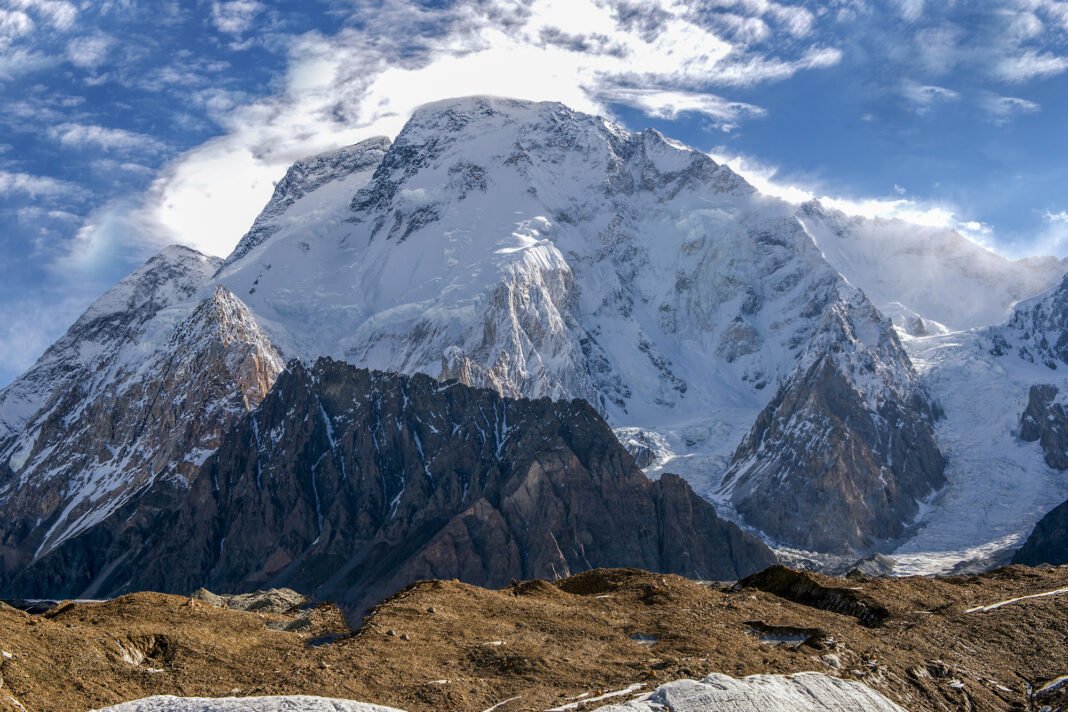
There are remote places in Pakistan, and then there is Broghil. High in Upper Chitral, pressed against the Wakhan Corridor of Afghanistan, this is a valley of alpine tundra where the treeline never begins, where some thirty lakes glitter among glaciers, and where the Wakhi, Kyrgyz and Sarikoli peoples have lived for centuries at altitudes that leave most visitors breathless. Established as a national park in 2010, Broghil protects not just scenery but a whole ecology: snow leopards, Himalayan wolves, brown bears, ibex and Marco Polo sheep roam its plains, and Pamirian and Siberian birds pass through its wetlands.
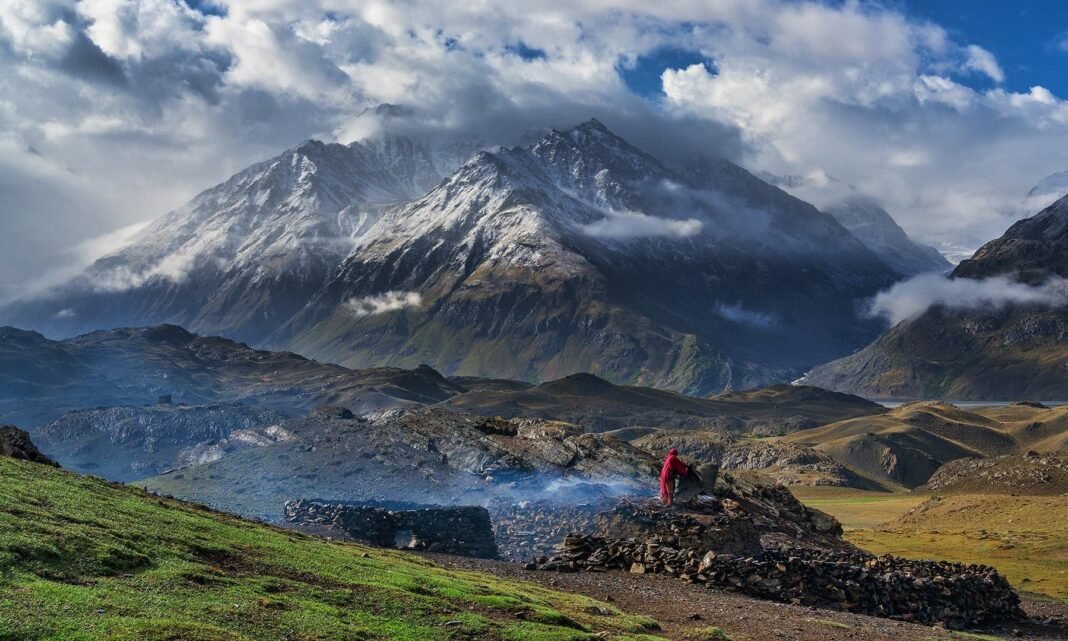
What makes Broghil extraordinary is how untouched it feels. Unlike Hunza or Skardu, it receives only a handful of visitors in the few months it is not frozen under snow. The valley is treeless mountain tract, its vegetation dwarf shrubs, sedges, grasses, moss and lichen, spread across wide grassy plains between steep mountains. Karambar Lake, from which the Chitral River originates, is known locally as the King Lake and ranks among the highest lakes in the world. The peatlands and lakes together cover almost 3,400 hectares of wetland in one of the driest, highest landscapes in the country.
Then there is the culture. The Wakhi people, with their Central Asian heritage, their Ismaili faith and their extraordinary hospitality, make Broghil as much a human destination as a natural one. In mid-July the valley hosts the Broghil Festival, three days of yak polo, yak races, buzkashi, horse racing and Wakhani music, sports you will see almost nowhere else on earth. Even outside festival time, the sight of yak caravans moving across the high pastures, and the sound of Wakhi songs in a stone-and-mud village, is worth the long journey many times over.
This Broghil Valley National Park travel guide is honest about the difficulty: the road is long and rough, the altitude is serious, the facilities are minimal, and winter closes everything. But for travellers who have seen Pakistan’s famous valleys and want the one that still feels like discovery, Broghil is it. Prince William and Catherine visited in October 2019; the valley has been ready for the world ever since, on its own unhurried terms.
History of Broghil Valley National Park
Broghil’s history is the history of a crossroads that empires forgot. For centuries the valley’s passes connected the high Pamirs with the valleys of Chitral, Gilgit and Hunza: caravan routes ran from Broghil toward the Wakhan Corridor and Tajikistan, toward Ishkoman over the glaciers, and toward Gilgit over the Darkot Pass, the shortest way down from Broghil and famous for yak riding. During the Russian invasion of the Wakhan, the Kyrgyz leader Rehman Qul migrated into Pakistan through the Darkot Pass with thousands of animals and his people, one of the valley’s great remembered journeys. The park was established, the record says, partly to protect these ancient trade routes as well as the ecology around them.
The valley’s peoples arrived in waves over hundreds of years. The Wakhi, the majority community, are an Iranian-speaking people whose homeland spans the Wakhan Corridor; the Kyrgyz came from the Pamirs; the Sarikoli from the high valleys to the north. They built a life at 3,800 metres and above based on yaks, sheep and goats, on barley that ripens in a brutally short summer, and on trade and transport along the passes. Their villages, Kishmanjah, Lashkargaz, Pechus, Vedin Khot and others, are clusters of flat-roofed mud and stone houses that seem to grow out of the pastures.
The modern history of Broghil is a history of slow opening. Until recently the valley was reachable only on horseback or on foot; the track has since been developed into a jeepable road as far as Shakarwar, and a 32-kilometre road built by the Aga Khan Rural Support Programme now connects Kishmanja village with Pechus, Vedin Khot and other settlements. The declaration of the national park in 2010 gave the valley formal protection and put its wildlife, 23 confirmed mammal species, 120 bird species, 3 reptiles and an amphibian, on the conservation map. Scientific surveys have since documented Siberian ibex, bharal, Marco Polo sheep, Himalayan musk deer, Persian leopard, snow leopard, Turkestan lynx, Himalayan wolf, red fox, Himalayan brown bear and long-tailed marmot, among others.
Broghil entered the world’s consciousness in mid-October 2019, when the Duke and Duchess of Cambridge visited the park during their five-day tour of Pakistan, drawing global attention to its glaciers, wildlife and people. Since then the annual Broghil Festival each July has grown as the valley’s signature event, even as the lack of roads and hotels keeps visitor numbers small. That tension, between discovery and preservation, is the valley’s modern story, and visitors are part of it.
Top Things to Do in Broghil Valley National Park
Trek to Karambar Lake
The signature expedition of the valley is the trek to Karambar Lake, a day’s walk from Lashkargaz, the last village in Broghil. At 4,304 m, Karambar is one of the highest lakes in the world, the 31st highest land lake, and the source of the Chitral River. Its deep blue water, famous for exceptional clarity, sits in a cirque of high peaks. The trek crosses high pastures where you may see ibex or marmots, and the lake’s remoteness means you will likely have it to yourself.
Explore the Thirty Lakes and Wetlands
Broghil holds around thirty freshwater lakes of various sizes, scattered across the valley floor and side valleys, together with extensive peatlands. These wetlands are the ecological heart of the park, drawing migratory birds from the Pamirs and Siberia and energising every long traverse of the valley. Walk the lake chains near the main villages, and carry binoculars: the birdlife is among the best at altitude in Pakistan.
Watch Wildlife in the High Pastures
Dawn and dusk in the high meadows are the hours for wildlife. Siberian ibex and bharal graze the slopes, marmots whistle from their burrows, red foxes work the pastures, and with great luck and a good local guide you may find signs of snow leopard or Himalayan wolf. The park’s confirmed list of 23 mammals makes it one of the richest high-altitude wildlife areas in the country. Go with a local guide, keep your distance, and never approach or feed any animal.
Experience Wakhi Village Life
The villages of Broghil, Kishmanjah, Lashkargaz, Pechus, Vedin Khot, are destinations in themselves. Walk between them across the grassy plains, accept the inevitable invitations to chai, and observe a way of life built around yaks, wool and the short summer. The traditional Wakhi houses, the communal pastures and the yak herds are living heritage. Ask permission before photographing people, and consider hiring a local guide, which puts money directly into the community.
Cross the Darkot Pass
For serious trekkers, the Darkot Pass is the historic gateway between Broghil and Gilgit’s Yasin valley, the route of traders, migrants and now adventurers. It is a high, demanding crossing, famous for yak riding on the Broghil side, and it connects two of Pakistan’s great mountain regions in a single journey. Attempt it only with experienced local support and proper equipment.
Stargaze in the Alpine Night
At nearly 4,000 metres, far from any city light, Broghil’s night sky is staggering. Camp on the open plains, and the Milky Way burns overhead with a clarity lowlanders never see. Summer nights are cold even in July, so bring a warm sleeping bag, and let the silence of the high valley do the rest.
Famous Places In and Around Broghil Valley National Park
- Karambar Lake (4,304 m) — the King Lake, one of the world’s highest lakes and the source of the Chitral River.
- Lashkargaz — the last village of Broghil and the trailhead for Karambar Lake.
- Kishmanjah (3,280 m) — the lowest village of the park, now linked by the new AKRSP road.
- Chitibo Glacier — one of the valley’s great ice streams, visible from the high pastures.
- Darkot Pass — the historic high crossing to Gilgit’s Yasin valley.
- Mastuj — the nearest town on the approach, where jeeps for Broghil are hired.
- Chitral town — the gateway city, with the Shahi Mosque, Chitral Fort and the bazaar.
How to Reach Broghil Valley National Park
Reaching Broghil is an expedition in itself. First get to Chitral town, then travel up through Upper Chitral to Mastuj, the nearest place of any size, and from there hire 4×4 jeeps for the long, rough track into the valley. Older accounts describe a 14-hour drive and trek from Chitral; the track has since been developed into a jeepable road as far as Shakarwar, but it remains a slow, demanding journey on rough mountain tracks, and in winter the valley is snowbound and inaccessible.
From Islamabad (approx. 360 to 380 km, 8 to 10 hours): Drive via Malakand and the Lowari Tunnel to Chitral town. PIA operates flights from Islamabad to Chitral, but they are frequently cancelled in bad weather, so do not plan a tight itinerary around them. The road journey is long but spectacular.
From Lahore (approx. 700 km to Islamabad, then as above): Travel to Islamabad first by road or air, then continue to Chitral. The full journey from Lahore to Broghil is a two-day undertaking at minimum.
From Karachi (approx. 1,900 km): Fly to Islamabad, then continue by road or air to Chitral. Given the distances, most visitors from the south allow a full week for a Broghil trip including travel days.
Nearest airport: Chitral Airport, with weather-dependent flights from Islamabad. Transport options: from Chitral town, hire a 4×4 jeep with a driver who knows the Broghil track; this is not a route for ordinary cars or for drivers unfamiliar with high mountain tracks. Within the valley, travel is on foot or by yak and horse. Foreign visitors should check current requirements with the Deputy Commissioner’s office in Chitral before travelling, as access conditions for non-Pakistanis have varied.
Route Details
- Islamabad to Chitral town: drive via Malakand and the Lowari Tunnel (8 to 10 hours) or fly if the weather allows.
- Chitral town to Mastuj: drive up the Upper Chitral valley on the main road; arrange your Broghil jeep and supplies here.
- Mastuj into Broghil: a long, rough 4×4 track, now jeepable as far as Shakarwar, continuing to the valley’s villages. Allow a full day and start early.
- Within the park, move on foot between villages and to Karambar Lake; the new 32-km AKRSP road links Kishmanja with Pechus, Vedin Khot and neighbouring settlements.
Where to Stay in Broghil Valley National Park
Be clear about this: Broghil has essentially no hotels. What exists is a small amount of basic lodging that operates in the short summer season, simple village guest rooms and seasonal camps, and the rest is camping. Most visitors sleep in tents on the valley’s wide grassy plains, which is half the pleasure of the place. Bring a proper four-season tent, a warm sleeping bag and a full camping kitchen, or travel with an operator who provides them.
In Chitral town and Mastuj the picture is better: Chitral has hotels and guesthouses across the budget and mid-range spectrum, and Mastuj has simple lodges for the night before the final push. If you are attending the Broghil Festival in July, arrange your stay well in advance through a Chitral-based operator, because the valley’s few beds fill fast. Do not expect hot water, room service or Wi-Fi anywhere past Mastuj; do expect extraordinary hospitality.
Where to Eat: Local Foods of Broghil Valley National Park
In the valley you eat what the mountains provide: fresh dairy from yak, cow and goat herds, whole-wheat breads baked daily, butter tea, and simple, hearty mountain cooking built around meat, potatoes and barley. Dried fruits and nuts are staples, and in the short summer there are fresh vegetables from village plots. If you camp independently, bring all your food from Chitral or Mastuj; there are no shops in the high villages.
During the Broghil Festival, traditional food is part of the celebration, and village households and festival stalls serve local dishes to visitors. In Chitral town on the way in and out, the bazaar has restaurants serving Chitrali and Pakistani staples, rice, lentils, kebabs, fresh river fish in season, and the usual chai khanas. A meal in Chitral is inexpensive; in Broghil itself, budget for self-catering or for the hospitality of your hosts, which is generous but should be honoured with fair payment.
Weather in Broghil Valley National Park
Broghil is alpine tundra at around 4,000 metres, which means the weather is the trip’s defining constraint. The valley is snowbound through the long winter and effectively inaccessible; the visiting season is essentially June to August, with September possible for the hardy. Even in midsummer, nights are cold, the sun is fierce by day, and weather can change in an hour. These ranges are approximate for the valley floor; the high lakes and passes are colder.
| Season | Temperature Range | Conditions |
|---|---|---|
| Winter (Nov-Apr) | -25 to -5°C | Snowbound and inaccessible; no tourism. |
| Spring (May) | -5 to 10°C | Snow melting, tracks opening; very early season, unpredictable. |
| Summer (Jun-Aug) | 2 to 18°C | The visiting season; green pastures, lakes ice-free, festival in July. |
| Autumn (Sep-Oct) | -10 to 8°C | Rapid cooling, first snows; the window closes by October. |
Language and Culture of Broghil Valley National Park
The valley’s people belong to the Wakhi, Kyrgyz and Sarikoli ethnicities, settled here over hundreds of years. Wakhi, an Iranian language, is the valley’s main tongue; you will also hear Kyrgyz and Sarikoli, while Urdu works with guides and in Chitral town. The Wakhi are predominantly Ismaili Muslims, known across the north for their emphasis on education, their music, and a hospitality that treats guests as a blessing.
Cultural norms matter here because the communities are small and traditional. Dress modestly and warmly; ask before photographing anyone; accept offered food and chai graciously; and respect prayer times and religious spaces. The Ismaili tradition is notably welcoming and progressive, but that is no excuse for carelessness. Hire local guides and porters, pay fairly, and buy handicrafts directly from makers. Your visit, done right, supports one of Pakistan’s most distinctive cultures.
Shopping in Broghil Valley National Park
There are no shops in the valley, but there are handicrafts. During the Broghil Festival, exhibitions of traditional woollen handicrafts are part of the event, and buying directly from the artisans is both the best shopping and the best souvenir: hand-woven woollen items made for high-altitude life. In Chitral town’s bazaar, look for the famous Chitrali cap, woollen shawls, embroidered waistcoats and local dry fruits. There are no shopping malls anywhere on this route; the bazaar and the festival stalls are the market.
Local Events and Festivals
The Broghil Festival is held every year from the 15th to the 17th of July, and it is the valley’s great annual gathering. The programme centres on sports you will see almost nowhere else: yak polo and yak races are the main attractions, unique to this part of the world, alongside freestyle polo, buzkashi, horse races, donkey races, tug of war and traditional Wakhani music. Because yaks cannot sustain high temperatures, the sporting events are held in the morning or late afternoon. For the local people, yaks are also working animals, transport and livelihood, so the festival is a genuine celebration of their way of life, not a staged show. If you plan your trip around these three days, arrange transport and accommodation well in advance through a Chitral-based operator, and bring warm clothing even in July.
Travel Tips for Broghil Valley National Park
Packing Essentials
Pack for high altitude and self-sufficiency: a four-season tent and warm sleeping bag, insulated and waterproof layers, sun hat and glacier-grade sunglasses, high-SPF sunscreen, sturdy trekking boots, headlamp, water purification, and a full first-aid kit including any personal altitude medication on medical advice. Bring all food from Chitral or Mastuj, plus cash in small notes. A satellite communicator is wise; there is no reliable mobile signal in the valley.
Safety Tips
Altitude is the primary risk: the valley floor is near 4,000 m, so ascend gradually, hydrate constantly and descend if you develop symptoms of altitude sickness. Travel with a local guide who knows the tracks, the river crossings and the weather signs. Do not approach wildlife, especially bears and wolves; store food securely at camp. Check access requirements for foreigners with the Deputy Commissioner’s office in Chitral before you go, and leave your itinerary with someone reliable.
Money & Connectivity
Carry all the cash you need from Chitral town; there are no ATMs, banks or card facilities in Broghil. Mobile networks are unreliable to absent in the valley, plan to be offline for the duration. Fuel and supplies: top up everything in Mastuj, the last point with basic services.
Best Time to Visit Broghil Valley National Park
Summer (June to August)
The only real season. The valley is green, the lakes are ice-free, the tracks are open, and the Broghil Festival runs from 15 to 17 July. July is the sweet spot: the fullest pastures, the festival, and the warmest weather.
September
A quiet shoulder month for experienced travellers: clear air and golden light, but cold nights and the risk of early snow closing the tracks. Most facilities wind down.
Winter (October to May)
The valley is snowbound and inaccessible. Do not attempt to visit; even the approach tracks are closed.
Final Thoughts
Broghil Valley National Park is Pakistan’s great “if you know, you know” destination: thirty lakes, snow leopards, yak polo, and a living Wakhi culture, all at 4,000 metres at the edge of the Wakhan. It asks a lot, a brutal road, thin air, no hotels, and it gives back more: the feeling, increasingly rare, of being somewhere genuinely few people go.
Go in July, go with a good local operator, go prepared for the altitude, and go with respect for the people who call this high valley home. For more journeys to Pakistan’s wild places, browse our Explore Pakistan collection, compare the great Karakoram trek in our Hunza Valley guide, or start somewhere gentler with Malam Jabba.
FAQs
Where is Broghil Valley National Park located?
In Upper Chitral District, Khyber Pakhtunkhwa, near the Afghan Wakhan Corridor, about 250 km from Chitral town, at elevations between 3,280 m and 4,304 m.
What is the best time to visit Broghil Valley?
June to August, when the valley is snow-free and accessible. Mid-July is ideal, coinciding with the Broghil Festival (15 to 17 July). The valley is snowbound in winter.
How do I reach Broghil Valley?
Drive from Islamabad to Chitral town (8 to 10 hours), continue to Mastuj, then hire a 4×4 jeep for the long rough track into the valley. The journey from Chitral is a full, demanding day.
What is the Broghil Festival?
An annual three-day festival held 15 to 17 July featuring yak polo, yak races, buzkashi, horse and donkey races, tug of war, woollen handicraft exhibitions and traditional Wakhani music.
Is Broghil Valley safe for tourists?
Pakistani visitors travel there regularly in season with local operators. The risks are altitude, remoteness and rough roads rather than security; go with a guide, acclimatise, and check current foreign-visitor requirements with the Chitral authorities.
What wildlife can I see in Broghil?
Siberian ibex, bharal, Marco Polo sheep, red fox, marmots, Himalayan brown bears, wolves and, with luck, snow leopards, plus some 120 bird species including Pamirian and Siberian migrants.
Where can I stay in Broghil Valley?
There are no real hotels; visitors camp in tents or use simple seasonal village guest rooms. Stay in Chitral town or Mastuj before and after, and bring full camping gear.
Is Broghil suitable for families?
Only for adventurous families with older children. The altitude (around 4,000 m), the very long rough road, the cold and the lack of facilities make it unsuitable for young children or anyone with health concerns.