Quick Facts
- Location: On the banks of the Chitral River in Chitral town, Lower Chitral district, Khyber Pakhtunkhwa, Pakistan — right beside the Shahi Mosque and a short walk from the main bazaar.
- Altitude: Around 1,500 metres (about 4,900 feet) above sea level, on the valley floor.
- Famous For: Being the 18th-century royal residence of the Mehtars of Chitral, the scene of the famous 1895 siege, and one of the best-preserved princely-state forts in northern Pakistan.
- Nearest City: Dir (Lower Dir) to the south; Chitral town itself is the local hub.
- Accessibility: Reachable by the same all-weather road as Chitral town — via the Lowari Tunnel from Islamabad (8 to 10 hours) or by PIA flight to Chitral Airport, a few minutes from the fort.
- Known Landmarks: The fort’s Darbar Hall, Sheesh Mahal (Glass Palace), the royal mosque within the compound, historic cannons, and the adjacent Shahi Mosque and Chitral Museum.
- Best For: History lovers, photographers, culture travelers, and families visiting Chitral who want one unmissable morning of royal heritage.
Why Visit Chitral Fort
Forts are everywhere in northern Pakistan, but Chitral Fort — also known as the Shahi Qila — is different. It was not just a military stronghold; it was a living royal home until living memory. Walk through its gates and you are walking the same courtyards where the Mehtars of Chitral held court, where guards of the Katoor dynasty stood watch over the river, and where, in 1895, a tiny besieged garrison held out against overwhelming odds in one of the most dramatic episodes of frontier history. Few places in Pakistan let you stand this close to a story this big.
What makes the fort genuinely moving is that it is still a family home. After the princely state merged with Pakistan in 1969, the fort became the personal property of the last ruler, and today the ceremonial Mehtar, Fateh-ul-Mulk Ali Nasir, maintains it — he renovated the old Darbar Hall and state rooms after the 2015 earthquake damaged them. You are not visiting a museum that time forgot; you are visiting a house that history never quite left.
The setting helps too. The fort commands a rise above the Chitral River, with the Hindu Kush pressing in on every side and the town’s bazaar a short stroll away. Pair it with the elegant Shahi Mosque next door and the Chitral Museum across the way, and you have the single richest half-day of heritage in the whole valley. If you are following this chitral fort travel guide as part of a wider northern trip — perhaps after Hunza Valley or Malam Jabba — the fort is the perfect anchor for understanding how the mountain kingdoms of Pakistan actually worked.
History of Chitral Fort
The Chitral Fort is believed to have been built in 1774, during the reign of Mohtaram Shah Katur II of the Katoor dynasty — the same royal house that ruled the Chitral princely state for centuries. It was raised as a fortified palace: a royal residence with commanding views over the Chitral River, housing the Mehtar’s household alongside the barracks of his guards. Some local accounts trace parts of the structure even further back, but 1774 is the widely accepted date of its founding in its current form.
The fort’s most famous chapter came in 1895, during the succession crisis that followed the death of the old Mehtar. As rival claimants fought for the throne, a British force of about 400 men found itself besieged inside the fort. The siege lasted weeks, and two relief expeditions — a small column from Gilgit and a larger one from Peshawar — fought their way through mountain passes to lift it. The Chitral Expedition of 1895 became one of the defining frontier episodes of the British era, and the fort at its center became famous across the empire.
The fort was given its present shape in 1911, when the long-serving Mehtar Sir Shuja-ul-Mulk (who ruled from 1895 to 1936) restored and rebuilt it. After the princely state merged with Pakistan in 1969, the fort was declared the personal property of the last ruler. The 2015 earthquake damaged the old Darbar Hall and state rooms, but the current ceremonial Mehtar, Fateh-ul-Mulk Ali Nasir, has overseen their renovation — and since his election to the provincial assembly, the royal fort has regained much of its old bustle and grandeur.
Top Things to Do in Chitral Fort
Walk the Ramparts and Courtyards
Start with the exterior: the fort’s high walls and commanding position above the Chitral River are best appreciated from the riverside path and the town side. The walls, gates and centuries-old trees of the compound give you a real sense of how a mountain palace-fortress was meant to work — part home, part stronghold, part statement of power.
See the Darbar Hall and State Rooms
The heart of the fort is its central hall and the royal state rooms, renovated after the 2015 earthquake. These rooms hold rare photographs of the kings of Chitral, historic letters from the pre-Partition era, medals, and the furniture and fittings of a working princely court. This is where the Katoor dynasty received guests and governed the valley.
Visit the Sheesh Mahal (Glass Palace)
Inside the fort complex is the beautiful Sheesh Mahal, the glass-adorned palace chamber that is one of the fort’s most photographed interiors. Its mirrored and decorated surfaces catch the mountain light in a way that no photograph quite captures — you have to stand in it.
Explore the Fort Mosque and Historic Relics
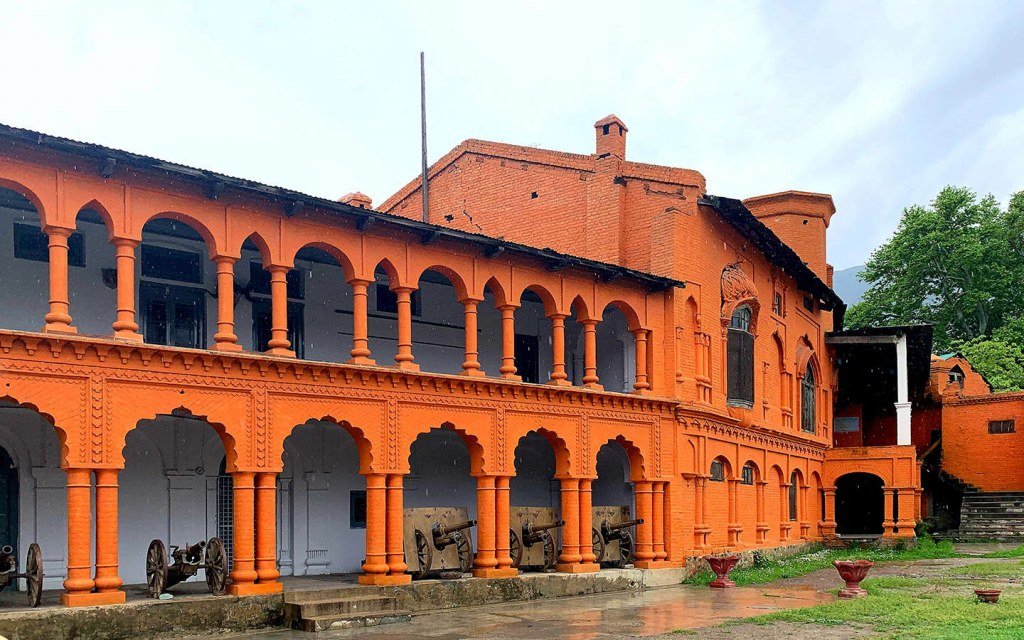
The compound includes a historic mosque, and the fort’s walls and halls display an extraordinary collection of relics: old British-era cannons, historic weapons, and even dried animal trophies mounted as part of the royal hunting tradition. Together they tell the story of a frontier court that balanced Mughal-era grandeur with mountain practicality.
Pair It with the Shahi Mosque and Chitral Museum
No visit is complete without stepping next door into the Shahi Mosque, built in the Mughal style and often compared to Lahore’s Badshahi Mosque in miniature, and the Chitral Museum, a short walk away, which holds Kalash costumes, jewelry, weapons and photographs that bring the valley’s story to life. The three together — fort, mosque, museum — are Chitral town’s essential heritage triangle.
Famous Places In and Around Chitral Fort
- Shahi Mosque — the elegant royal mosque adjoining the fort.
- Chitral Museum — ethnographic treasures a short walk from the fort gates.
- Chitral River — the glacier-fed river the fort overlooks; lovely for evening walks.
- Chitral Bazaar — the lively main bazaar, minutes from the fort.
- Birmoghlasht — the Mehtar’s old summer residence and alpine pasture, now part of Chitral Gol National Park.
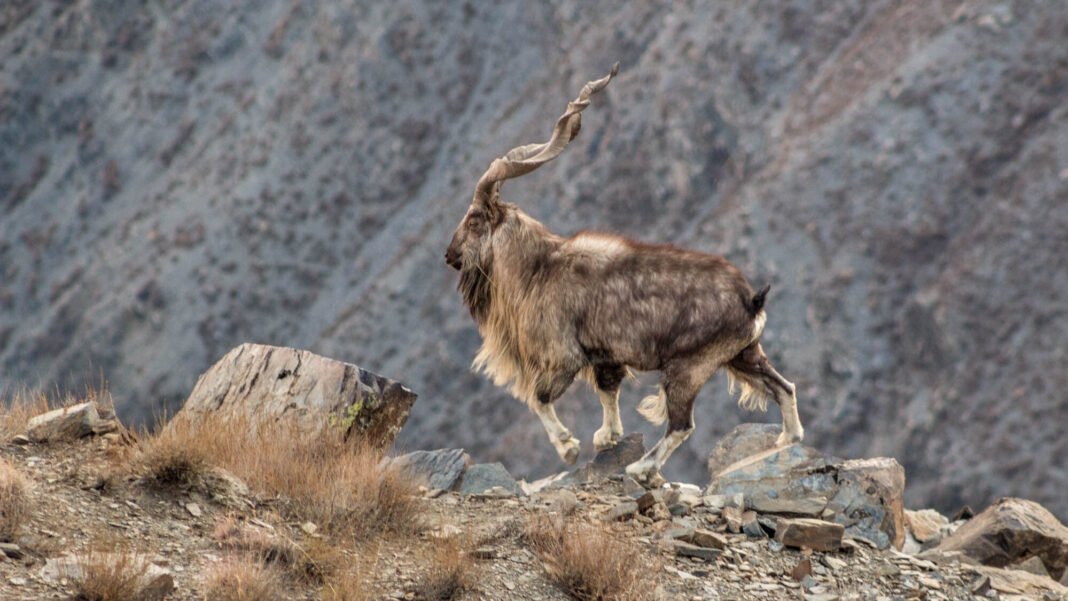
- Chitral Gol National Park — cedar forests and markhor country just outside town.
- Drosh Fort — another historic fort of the princely state, south of Chitral town.
How to Reach Chitral Fort
The fort stands in Chitral town itself, so reaching it is as simple as reaching Chitral. From Islamabad, drive the M-1 motorway to Chakdara, continue through Dir, and pass through the Lowari Tunnel — about 404 km and 8 to 10 hours in total. From Lahore, join the same corridor via the M-2; the full journey is about 750 km and takes 12 to 13 hours, so most travelers stop overnight. From Karachi, fly to Islamabad or Peshawar and continue by road — a pure road trip from Karachi is well over 1,500 km.
By air, PIA flies from Islamabad to Chitral Airport (CJL), just a few kilometres north of the town and a short drive or taxi ride from the fort — but flights are weather-dependent, so keep road plans as backup. Within Chitral town, the fort is easily reached on foot from the bazaar area, by local taxi, or as part of any town sightseeing itinerary. Summer visitors from Gilgit-Baltistan can also arrive via the seasonal Shandur Pass route.
Route Details
Step 1: From Islamabad, take the M-1 motorway toward Peshawar and exit toward Chakdara/Dir.
Step 2: Drive through Lower and Upper Dir on the N-45 to the Lowari Tunnel — the all-weather gateway into Chitral.
Step 3: Emerge into the Chitral valley and follow the valley road into Chitral town.
Step 4: In town, head for the riverbank near the main bazaar — the fort and the Shahi Mosque are the unmistakable landmarks there. Allow 8 to 10 hours from Islamabad with stops.
Where to Stay in Chitral Fort
The fort itself is a private royal residence, not a hotel — but Chitral town around it offers plenty of places to stay. Mid-range hotels near the bazaar and the river put you within walking distance of the fort gates; these are clean, comfortable and used to hosting both Pakistani families and foreign trekkers. Budget guesthouses are plentiful and famously hospitable — many serve home-cooked Chitrali dinners on request. A few better-appointed hotels and resorts on the town’s edge offer gardens and mountain views for those who want more comfort.
Because the fort is in the town center, day-trippers can also base themselves in the Kalash valleys (Bumburet is about an hour’s drive) or combine the fort with a wider Chitral itinerary — most visitors give the fort and museum a dedicated morning, then spend the afternoon in the bazaar or by the river. During festival season (May and July), book ahead: the whole town fills up.
Where to Eat: Local Foods of Chitral Fort
There is no restaurant inside the fort, but the bazaar streets around it are the best place in Chitral to eat. Start with the valley’s signature dishes: ghalmandi (layered flatbread with cottage cheese, herbs, butter and walnut oil), cheer aa shapik (the creamy white-sauce version), pushur tikki (meat-filled bread loaf) and kali (warming noodle-and-meat soup). Trout from the valley’s cold streams appears on many menus and is worth ordering wherever it is fresh.
The area around PIA Chowk in Chitral city has a lively food street where you can sample kebabs, chapli kebab, pulao and the usual northern-Pakistan grill fare. An honest tip from local reporting: Chitral’s restaurants lean toward standard Pakistani and Chinese menus, and the most authentic local cooking is found in homes and guesthouses — so ask your hotel host to arrange a traditional meal. Finish with dried apricots, mulberries and walnuts from the bazaar, among the finest in the country.
Weather in Chitral Fort
The fort sits on the valley floor at around 1,500 metres, so it shares Chitral town’s climate: mild, pleasant summers and cold winters. The best visiting weather runs from spring through autumn; winter mornings can be bitter but the low sun on the fort walls is beautiful for photography.
| Season | Temperature Range | Conditions |
|---|---|---|
| Winter (Dec–Feb) | -21°C to 5°C | Cold with frost and occasional snow in town; crisp clear days; the fort looks stunning against snow-dusted peaks. |
| Spring (Mar–May) | 5°C to 20°C | Blossoms and green fields; the most pleasant season for walking the town and fort. |
| Summer (Jun–Aug) | 15°C to 23°C | Mild and comfortable; peak visitor season; long daylight hours for sightseeing. |
| Autumn (Sep–Nov) | 5°C to 18°C | Golden foliage, clear skies, harvest time; superb light for photography. |
Language and Culture of Chitral Fort
The fort is the great symbol of Khowar culture — Khowar being the language of the Kho people, the valley’s majority, and the language of the old princely court. The Katoor dynasty that built and lived in the fort shaped the region’s traditions of hospitality, music and polo. Most people you meet around the fort will also speak Urdu, and you will hear Pashto and some English in the bazaar.
Visitors should remember that the fort is still connected to a living royal family and to local pride. Dress modestly, ask permission before photographing people, and treat the compound with the respect you would show any historic home. The guides and caretakers around the fort are often happy to share stories — a little curiosity and a greeting in Khowar (“ishpata” for hello) will open doors that guidebooks cannot.
Shopping in Chitral Fort
The bazaar streets around the fort are Chitral’s main shopping district. The essential purchase is the pakol — the soft woolen cap of the northern areas, best bought here at the source in pure local wool. Look for shuqa/patti handwoven woolen fabric, waistcoats, shawls and socks, and Kalash handicrafts brought in from the valleys: embroidered textiles, beaded jewelry and carved wooden pieces. Food shoppers should load up on dried apricots, walnuts, mulberries and local honey. You may also find gemstones and minerals from the Hindu Kush. There are no malls here — the bazaar itself is the experience.
Local Events and Festivals
The fort sits at the center of Chitral town, so its calendar follows the valley’s famous festival seasons — and visiting during one of them adds an unforgettable dimension to your trip.
- Chilam Joshi (mid-May, around May 13–16): The Kalash spring festival in Bumburet, Rumbur and Birir — days of dancing, drumming and flower garlands, an easy day trip from the fort.
- Shandur Polo Festival (July 7–9): The world’s highest polo tournament at Shandur Pass, between teams from Chitral and Gilgit-Baltistan, with folk music and a tented village.
- Uchal (August): The Kalash harvest festival with its famous night of dancing.
- Chaumas (December): The Kalash winter solstice festival, for those who brave the cold season.
Travel Tips for Chitral Fort
Packing Essentials
Comfortable walking shoes for the fort’s courtyards and the town’s lanes; a light jacket even in summer (mountain evenings cool down fast); sun protection; and a camera with room for far too many photos. If you are combining the fort with Shandur or the high valleys, pack proper layers and trekking footwear.
Safety Tips
Chitral town is considered safe and welcoming for tourists. Around the fort, the usual heritage-site courtesies apply: stay with your group, follow caretakers’ guidance about which areas are open, and avoid climbing on walls or structures. The KP tourist helpline (1422) operates 24/7 across the province.
Money & Connectivity
Carry cash — there is no card culture in the bazaar around the fort, and ATMs in town can be unreliable. Mobile signals are decent in Chitral town. Entry arrangements for the fort can vary since it is a private royal residence, so check locally about visiting hours and any permission needed.
Best Time to Visit Chitral Fort
Spring (March to May) — The Sweet Spot
Blossoms, mild weather and the Chilam Joshi festival season make spring the loveliest time to explore the fort and town on foot.
Summer (June to August) — Peak Season
Warm, dry and full of life; combine the fort with Shandur, the Kalash valleys and the polo festival. Book accommodation early.
Autumn (September to November) — Golden Light
Clear skies and harvest colors; fewer crowds and the year’s best photography light on the old walls.
Winter (December to February) — Quiet and Stark
Cold but crowd-free; the fort against snow-dusted peaks is unforgettable, though you should confirm access locally in the coldest weeks.
Final Thoughts
Chitral Fort rewards the traveler who looks past the obvious. It is not the biggest fort in Pakistan, nor the most polished — but it may be the most alive. The photographs of forgotten kings, the pre-Partition letters, the cannons on the walls, the renovated Darbar Hall: these are not museum props but the working furniture of a dynasty that ruled these mountains for centuries and whose family still walks these halls.
Give the fort a slow morning, pair it with the Shahi Mosque and the museum, and let the bazaar fill your afternoon. However the rest of your northern journey unfolds, you will leave Chitral town understanding something essential about the frontier — and that is worth more than any viewpoint. Browse more heritage destinations in our Explore Pakistan collection.
FAQs
Where is Chitral Fort located?
On the banks of the Chitral River in Chitral town, Khyber Pakhtunkhwa — beside the Shahi Mosque and a short walk from the main bazaar.
When was Chitral Fort built?
It is believed to have been built in 1774 during the reign of Mohtaram Shah Katur II, and was restored to its present shape in 1911 by Mehtar Shuja-ul-Mulk.
What happened at Chitral Fort in 1895?
During a succession crisis, a small British force was besieged in the fort for weeks until relieved by two expeditions from Gilgit and Peshawar — the famous Chitral Expedition.
Can tourists go inside Chitral Fort?
The fort is the private property of the former ruling family and is maintained by the ceremonial Mehtar. Visiting arrangements can vary, so check locally in Chitral town about access and timings.
What is the best time to visit Chitral Fort?
March to November offers the best weather. May (Chilam Joshi) and July (Shandur Polo Festival) add festival atmosphere; autumn brings the best photography light.
How do I reach Chitral Fort?
Drive from Islamabad via the Lowari Tunnel (about 404 km, 8–10 hours) or fly PIA to Chitral Airport. The fort is in the town center, walkable from the bazaar.
Is Chitral Fort good for families?
Yes — it is an easy, walkable heritage stop in the middle of town, ideal for a morning visit combined with the mosque and museum.
What else is near Chitral Fort?
The Shahi Mosque (adjoining), Chitral Museum (short walk), Chitral Bazaar, the Chitral River, and Chitral Gol National Park just outside town.