Quick Facts
- Location: Northernmost district of Khyber Pakhtunkhwa, Pakistan, cradled in the Hindu Kush mountains and bordering Gilgit-Baltistan to the east and Afghanistan to the north and west.
- Altitude: Chitral town sits at around 1,500 metres (about 4,900 feet) above sea level; surrounding peaks rise far higher, topped by Tirich Mir at 7,708 metres.
- Famous For: The Kalash valleys and their living culture, the Shandur Polo Festival on the world’s highest polo ground, Tirich Mir, trout fishing, Garam Chashma hot springs, and the historic Chitral Fort.
- Nearest City: Dir in Lower Dir is the closest major town on the road route; Peshawar is the nearest large city.
- Accessibility: All-weather road access via the Lowari Tunnel from Dir (Islamabad to Chitral takes about 8 to 10 hours by road); seasonal Shandur Pass route from Gilgit in summer; PIA operates flights between Islamabad and Chitral subject to weather.
- Known Landmarks: Chitral Fort, Shahi Mosque, Chitral Museum, Shandur Pass, Tirich Mir, the Kalash valleys of Bumburet, Rumbur and Birir, Garam Chashma.
- Best For: Culture lovers, photographers, trekkers, families looking for a summer escape, and anyone who wants to see the most human, storied side of northern Pakistan.
Why Visit Chitral
Every mountain region in Pakistan has its postcard views, but Chitral has something rarer: a beating cultural heart. This is the valley where the Kalash people — one of the last living pre-Islamic cultures of the Hindu Kush — still celebrate their spring and harvest festivals with dancing, drums and flower garlands. It is where polo, the game of kings, is played freestyle at 3,700 metres on the Shandur Pass, with the wildest crowds and the thinnest air you will ever find at a sports event. And it is a place where the mountains do not just frame your photographs; they press in close, and every turn of the road feels like a page of a frontier novel.
Chitral is perfect for travelers who want more than scenery. History lovers can wander a 250-year-old royal fort that survived a famous siege. Food lovers can taste mountain cuisine — trout from glacier streams, cheese-rich breads like ghalmandi, dried apricots famous across Pakistan. Trekkers can aim at base camps beneath Tirich Mir, the highest peak of the Hindu Kush. And families will find that summer in Chitral is gentle, green and welcoming, with bazaars, orchards and riverside walks that even grandparents will enjoy.
What really makes Chitral worth the journey, though, is its people. The Kho people of the main valley and the Kalash of the side valleys are known across Pakistan for their hospitality, their love of music and dance, and a playful spirit that shows up in everything from impromptu polo matches to evening gatherings around a fire. If you have already done Hunza Valley or Malam Jabba and want the next valley that still feels like a discovery, this chitral travel guide will help you plan it — and Chitral will reward you richly.
History of Chitral
The story of Chitral is the story of a princely state perched on the edge of empires. For centuries, the valley was ruled by the Mehtars of the Katoor (Katur) dynasty, whose reign shaped Chitral’s forts, mosques and traditions. One local account holds that the Katoors ruled Chitral for some 450 years, up to the mid-20th century. The name “Chitral” itself is said by local historians to come from “Chitrar,” a Khowar word meaning persons of great resilience, strength and patience — a fitting name for a mountain people who guarded one of the great passes of the Hindu Kush.
Chitral entered the history books of the wider world in 1895, during the dramatic Siege of Chitral. After the death of the old Mehtar, rival claimants fought for the throne, and a small British force of about 400 men was besieged inside Chitral Fort. Two relief expeditions — a small column from Gilgit and a larger one from Peshawar — fought their way through to lift the siege. The episode, known as the Chitral Expedition, made headlines across the British Empire and fixed Chitral in the Western imagination as a place of high mountain drama.
In the 20th century, Chitral remained a princely state and acceded to Pakistan in 1947 along with the other frontier states. It merged fully with Pakistan in 1969, along with Dir and Swat, becoming part of the Malakand division of Khyber Pakhtunkhwa. The last ruling family retained Chitral Fort as its personal property, and the ceremonial Mehtar still maintains a connection to the valley — Fateh-ul-Mulk Ali Nasir, the current ceremonial Mehtar, has overseen renovations of the fort, including repairs after the 2015 earthquake. Today Chitral is one of Khyber Pakhtunkhwa’s premier tourist districts, with the government actively promoting it through tourist facilitation services and events.
Top Things to Do in Chitral
Meet the Kalash in the Kalash Valleys
The three Kalash valleys — Bumburet, Rumbur and Birir — are the cultural crown jewels of this chitral travel guide. The Kalash people, with their distinctive language, colorful dress and seasonal festivals, practice traditions that have survived for centuries in these side valleys south of Chitral town. Visit a local handicraft market, where Kalash women sell handwoven dresses, beaded necklaces and feathered headdresses that take weeks to make. Bumburet is the most accessible valley and sees the most visitors; Rumbur is quieter and more traditional. Walk the village lanes, see the old wooden houses built close together on the slopes, and accept that you will be offered more walnuts and conversation than you can possibly finish.
Watch Polo at Shandur Pass
The Shandur Pass, at about 3,700 metres, holds the world’s highest polo ground. Every July, teams from Chitral and Gilgit-Baltistan meet here in a freestyle tournament that is less a sport and more a three-day festival of music, dancing, camping and mountain air. Even outside festival season, standing on the Shandur Top plateau — with its lakes and wildflower meadows — is one of the great high-mountain experiences of Pakistan. The pass is seasonal, generally open from June to September, and the drive from Chitral town takes several hours over rough mountain road.
Gaze at Tirich Mir
At 7,708 metres, Tirich Mir is the highest peak of the Hindu Kush and one of the most beautiful mountains in Pakistan. You do not need to climb it to feel its power: on clear mornings and evenings, the peak dominates the northern skyline, and photographers plan their days around its dawn and dusk light. Serious trekkers can attempt the long approach to its base camps, while everyone else can simply enjoy the view from the valleys and passes that frame it.
Soak in Garam Chashma
Garam Chashma — “hot spring” — is a side valley northwest of Chitral town famous for its natural hot springs. The warm mineral water has drawn visitors for generations, and the valley itself is lovely, with villages, orchards and trout streams. It makes an easy day trip or overnight stay from Chitral town.
Explore Chitral Fort and the Shahi Mosque
The 250-year-old Chitral Fort stands on the banks of the Chitral River in the heart of town, with the elegant Shahi Mosque beside it. The fort, believed to have been built in 1774 during the reign of Mohtaram Shah Katur II and restored in 1911 by Shuja-ul-Mulk, was the seat of the Mehtars and the scene of the famous 1895 siege. Walk the riverside, photograph the fort’s walls against the mountains, and step into the mosque for a quiet moment.
Visit the Chitral Museum
A short walk from the fort, the Chitral Museum holds ethnographic treasures — Kalash costumes and headdresses, traditional jewelry, weapons, household objects and photographs that tell the story of the valley’s people. It is small but rich, and it gives context that makes everything else you see in the valley more meaningful.
Fish for Trout and Hike the Side Valleys
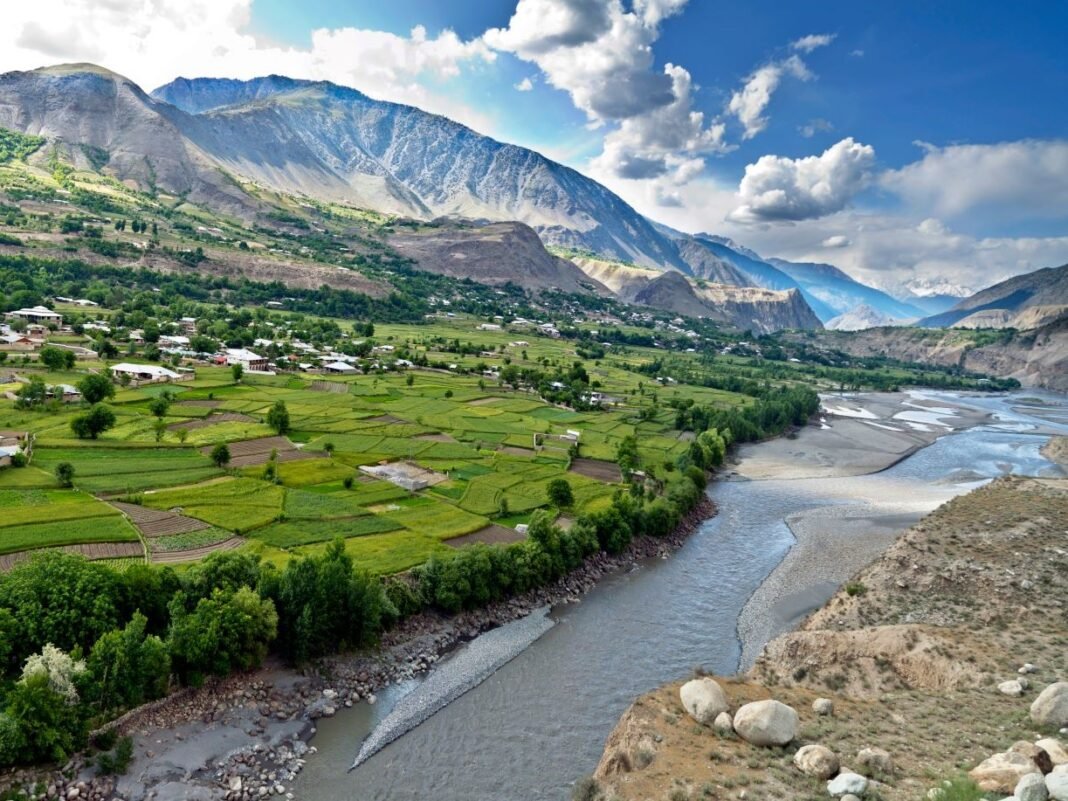
Chitral’s cold, clear streams are famous for trout, and fishing — where permitted — is a beloved local pastime. Hikers have endless options: short walks through orchards and villages around Chitral town, day hikes into the side valleys, and serious multi-day treks toward the high passes. The valley floor around Chitral town is particularly pleasant for gentle walks in spring and autumn.
Famous Places In and Around Chitral
- Bumburet Valley — the most visited Kalash valley, with the liveliest festival crowds.
- Rumbur Valley — quieter and more traditional Kalash villages.
- Birir Valley — the smallest and most remote of the three Kalash valleys.
- Shandur Pass — the world’s highest polo ground at around 3,700 metres.
- Tirich Mir — the 7,708-metre giant of the Hindu Kush.
- Garam Chashma — natural hot springs in a beautiful side valley.
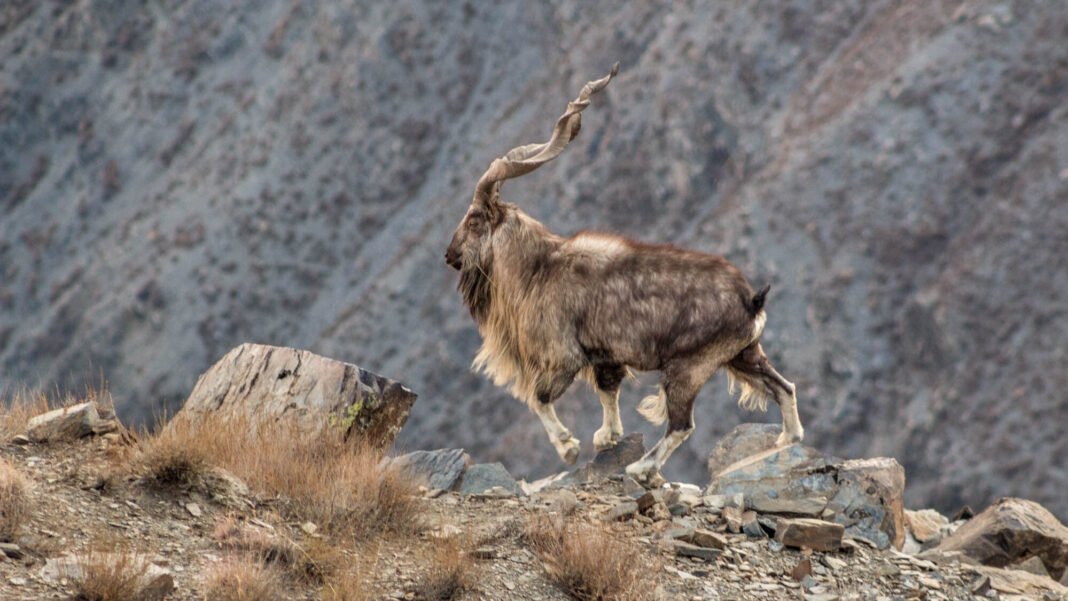
- Chitral Gol National Park — cedar forests and markhor just outside town.
- Chitral Fort — the 18th-century royal fort on the Chitral River.
- Shahi Mosque — the elegant royal mosque beside the fort.
- Shahi Qila, Drosh — another historic fort south of Chitral town.
How to Reach Chitral
Reaching Chitral is part of the adventure. The main all-weather route is by road from Islamabad through the Lowari Tunnel: drive the M-1 motorway to Chakdara, continue through Dir, and pass through the Lowari Tunnel into the Chitral valley. The journey from Islamabad is about 404 km and takes roughly 8 to 10 hours depending on road works and stops. From Peshawar, the same route is about 366 km and takes 6 to 8 hours. Travelers coming from Gilgit-Baltistan can take the spectacular but seasonal Shandur Pass route in summer — about 360 km of mountain road between Gilgit and Chitral.
By air, PIA operates flights between Islamabad and Chitral Airport (CJL), a small airport just a few kilometres north of the town. Flights take under an hour but are highly weather-dependent and do not operate every day, so always keep a road backup in mind. For travelers from Karachi, the practical route is to fly to Islamabad or Peshawar and continue by road — the full journey from Karachi by road is extremely long, so flying at least part of the way is strongly recommended.
Transport options include private cars and jeeps (a 4×4 is reassuring on the side-valley tracks), intercity buses and vans that run between Peshawar, Islamabad and Chitral, and the many tour operators who run Chitral packages, especially in summer and during the Shandur and Kalash festivals.
Route Details
From Islamabad: M-1 motorway toward Peshawar → exit toward Chakdara → Dir (Upper and Lower) → Lowari Tunnel → Chitral town. Allow 8 to 10 hours with rest stops; the stretch around the Lowari Tunnel can have construction patches, so check conditions in advance.
From Lahore: M-2 motorway to join the Islamabad–Peshawar corridor, then follow the Islamabad route above. The full Lahore to Chitral distance is about 750 km and takes 12 to 13 hours — most travelers break the journey with an overnight stop.
From Karachi: Fly to Islamabad or Peshawar, then continue by road as above. A pure road trip from Karachi to Chitral is well over 1,500 km and realistically needs two to three days.
Nearest airport: Chitral Airport (CJL), about 3 to 4 km north of Chitral town, with PIA flights from Islamabad subject to weather.
Where to Stay in Chitral
Chitral town has a good spread of accommodation for a mountain district capital. Mid-range hotels cluster around the main bazaar and the roads leading out toward the Kalash valleys — clean, comfortable rooms with hot water and heating in winter are the norm at this tier. Budget guesthouses and family-run lodgings are plentiful and friendly; many travelers remember the home-cooked dinners as much as the rooms. At the upper end, a handful of better-appointed hotels and resorts on the edge of town offer gardens, mountain views and more polished service, and several properties cater specifically to foreign tour groups during festival season.
In the Kalash valleys, the accommodation is simpler and more atmospheric: small hotels and family-run guesthouses in Bumburet and Rumbur, some with traditional wooden architecture. These fill up completely during the Chilam Joshi and Uchal festivals, so book well ahead if you are traveling in festival season. In the high valleys like Laspur and around Shandur, expect basic guesthouses and, during the polo festival, a tented camping village on the pass itself. Campers carrying their own gear will find no shortage of spectacular, quiet spots — just ask local permission before pitching near villages.
Where to Eat: Local Foods of Chitral
Chitrali cuisine is mountain food at its best: hearty, dairy-rich and made from pure local ingredients. The signature dish is ghalmandi — layered flatbreads filled with cottage cheese, coriander and chives, finished with melted butter and walnut oil. Its close cousin, cheer aa shapik, uses a creamy white sauce in place of the cheese. Meat lovers should try pushur tikki, a loaf of bread baked with a minced-meat filling, and kali, a warming noodle-and-meat soup that locals swear by on cold evenings. Sweet shoshp, made from germinated wheat flour, is the traditional mountain dessert.
Chitral is famous across Pakistan for its trout, pulled from cold glacier streams — order it fresh wherever you see it on a menu. In upper Chitral, yak meat is a prized local specialty. And do not leave without tasting the valley’s dried fruits: apricots, mulberries, walnuts and mulberry-based sweets are sold everywhere and make the best edible souvenirs.
One honest note for food travelers: local journalists have long observed that Chitral’s city restaurants lean toward standard Pakistani and Chinese menus, and truly local dishes are often found in homes rather than restaurants. Ask your hotel or guesthouse host — many will happily cook ghalmandi or kali on request, and the area around PIA Chowk in Chitral city has a lively food street where you can sample what is on offer.
Weather in Chitral
Chitral’s weather is a tale of two extremes: mild, pleasant summers in the valley floor and long, harsh winters when snow closes the high passes. The town itself sits low enough to stay comfortable from spring through autumn, while the surrounding heights stay cold year-round. April tends to be the wettest month, and winter nights in the valley can plunge far below freezing.
| Season | Temperature Range | Conditions |
|---|---|---|
| Winter (Dec–Feb) | -21°C to 5°C | Cold and snowy, especially at altitude; town life continues but high valleys are cut off; Lowari Tunnel keeps the road open. |
| Spring (Mar–May) | 5°C to 20°C | Blossoms, green fields and festival season; the valley is at its most colorful; April can be rainy. |
| Summer (Jun–Aug) | 15°C to 23°C | Pleasant and mild; perfect for trekking, polo season and high passes; occasional monsoon influence. |
| Autumn (Sep–Nov) | 5°C to 18°C | Golden foliage, clear skies and harvest time; crisp nights, fewer crowds, superb photography. |
Language and Culture of Chitral
The main language of Chitral is Khowar, spoken by the Kho people who form the majority of the valley’s population. The Kalash people speak their own distinct Kalasha language in the three Kalash valleys. Most Chitralis also speak Urdu, and you will hear Pashto and some English in the bazaars and hotels. Islam is the predominant religion of the valley, while the Kalash follow their own ancient polytheistic traditions with seasonal festivals, sacred dances and rituals tied to nature.
Culturally, Chitral is famous for its hospitality, its music and its love of polo — played freestyle on rough mountain grounds long before it became a colonial sport. Visitors should dress modestly, especially in villages and around mosques and shrines; ask before photographing people, particularly Kalash women; and respect local customs during festivals, which are religious occasions first and tourist spectacles second. A little Khowar goes a long way — “ishpata” (hello) will earn you smiles everywhere.
Shopping in Chitral
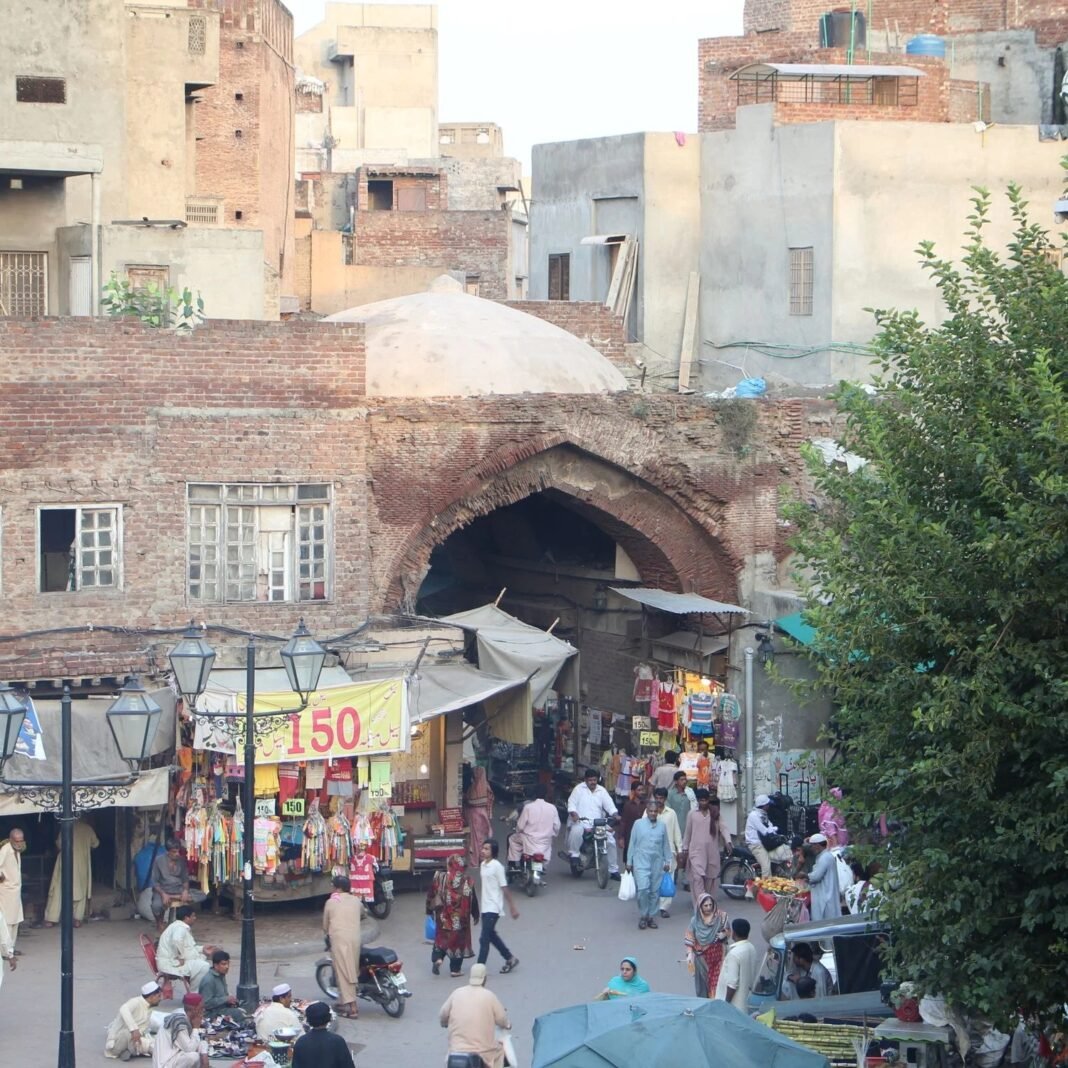
Chitral’s main bazaar in the town center is the shopping heart of the valley — a long, lively strip where you can find everything from trekking supplies to traditional crafts. The classic Chitrali souvenir is the pakol, the soft round woolen cap worn across the northern areas; buy it here, at the source, in pure local wool. Look also for shuqa and patti — handwoven woolen fabric — and the waistcoats, shawls and socks made from it.
In the Kalash valleys, small shops sell Kalash handicrafts: embroidered dresses, beaded necklaces, feathered headdresses and carved wooden items — each piece genuinely handmade. Food shoppers should stock up on dried apricots, walnuts, mulberries and local honey, some of the finest in Pakistan. You may also spot gemstones and minerals from the Hindu Kush mines. There are no shopping malls in Chitral — and that is entirely the point.
Local Events and Festivals
Chitral’s festival calendar is one of the richest in Pakistan, and timing your visit to one of these events will transform your trip.
- Chilam Joshi (mid-May, around May 13–16): The Kalash spring festival, held across Bumburet, Rumbur and Birir. Days of dancing, drumming, new clothes and flower garlands to welcome spring — the most colorful festival in the northern areas.
- Shandur Polo Festival (July 7–9): The famous freestyle polo tournament between Chitral and Gilgit-Baltistan on the world’s highest polo ground, with folk music, dancing and a tented village on the pass.
- Uchal (August): The Kalash harvest festival, with a night of dancing on a high plateau outside the village to give thanks for the crops.
- Phool (October): The Kalash autumn festival marking the grape and walnut harvest.
- Chaumas / Chitree Mass (December): The Kalash winter solstice festival, closing the year’s cycle of celebrations.
Travel Tips for Chitral
Packing Essentials
Pack in layers no matter the season: days can be warm while nights turn cold, especially above the valley floor. Bring a warm jacket even in summer if you plan to visit Shandur or the high valleys, plus sun protection — mountain sun is fierce. Sturdy walking shoes are essential; if you plan real treks, bring proper boots. A reusable water bottle, a basic first-aid kit and any personal medicines are wise, since pharmacies thin out beyond the main town.
Safety Tips
Chitral is widely considered one of the safer and more welcoming tourist regions in Pakistan, with a long tradition of hosting foreign trekkers. Standard mountain precautions apply: check road and weather conditions before heading to high passes, hire local guides for treks, and keep someone informed of your plans. The Khyber Pakhtunkhwa tourist helpline (1422) provides 24/7 assistance to travelers in the province. Respect local norms in villages, and avoid traveling on remote tracks after dark.
Money & Connectivity
Carry cash — ATMs exist in Chitral town but can run dry or go offline, and almost nothing beyond the town accepts cards. Mobile signals are decent in Chitral town and the main valleys but fade quickly on the passes and in side valleys; download offline maps before you go. Fuel up in the main town before long drives, and buy a local SIM if you need reliable data.
Best Time to Visit Chitral
Spring (March to May) — Blossoms and Festivals
The valley floor turns green, orchards bloom, and the Kalash celebrate Chilam Joshi in mid-May. This is the most culturally rewarding season, with pleasant daytime temperatures and the year’s biggest crowds in the Kalash valleys.
Summer (June to August) — Trekking and Polo
The classic high season: Shandur Pass opens, the polo festival fills July, and the weather is perfect for trekking, fishing and exploring. Book accommodation early, especially around festival dates.
Autumn (September to November) — Golden and Quiet
Arguably the most beautiful season — golden poplars and apricot orchards under clear blue skies, harvest festivals in the Kalash valleys, and far fewer visitors. Photographers love autumn in Chitral.
Winter (December to February) — Snow and Solitude
Only for the hardy and the curious: snow-covered villages, the Kalash winter festival, and a valley almost entirely to yourself. Roads to the high valleys close, but the Lowari Tunnel keeps Chitral town accessible.
Final Thoughts
Chitral is not the easiest valley to reach, and that is exactly why it is still the most rewarding. Where else can you watch the world’s highest polo match in the morning, share tea with a Kalash elder in the afternoon, and fall asleep to the sound of a glacier-fed river — all in a single trip? The valley asks a little more of its visitors in travel time and planning, and it gives back far more in return.
If you are choosing your next northern adventure, put Chitral at the top of the list. Come in May for the festivals, in July for the polo, or in October for the golden light — and come with time to spare, because this is a valley that rewards those who slow down. For more ideas across the country, browse our Explore Pakistan collection.
FAQs
Where is Chitral located?
Chitral is a district in the northernmost part of Khyber Pakhtunkhwa, Pakistan, in the Hindu Kush mountains. It borders Gilgit-Baltistan to the east and Afghanistan to the north and west.
What is the best time to visit Chitral?
May to October is the main season. May brings the Chilam Joshi festival, July the Shandur Polo Festival, and September–October the golden autumn. Winter (December–February) is very cold and best avoided unless you specifically want snow.
How do I reach Chitral from Islamabad?
By road via the Lowari Tunnel — about 404 km, 8 to 10 hours. PIA also flies from Islamabad to Chitral Airport, but flights are weather-dependent.
Is Chitral safe for tourists?
Yes — Chitral is considered one of the safer tourist regions in Pakistan, with a long history of hosting trekkers and a famously hospitable local population. Take normal mountain-travel precautions and use the KP tourist helpline (1422) if you need help.
Is Chitral good for families?
Very much so in summer and autumn. The valley floor is gentle, the bazaars and orchards are easy to explore, and children love the Kalash valleys. High-altitude treks are better left to experienced hikers.
Where should I stay in Chitral?
Chitral town has mid-range hotels, budget guesthouses and a few better-appointed resorts. The Kalash valleys offer atmospheric family-run guesthouses that fill up during festivals, so book ahead.
What food is Chitral famous for?
Trout from mountain streams, the cheese-and-butter bread ghalmandi, noodle soup kali, meat-filled pushur tikki, and superb dried apricots and walnuts.
What is special about the Kalash people?
The Kalash are a small indigenous community of the three Kalash valleys with their own language, dress and ancient seasonal festivals — one of the most distinctive living cultures in South Asia.