Quick Facts
- Location: Dirlay village, Astore District, Gilgit-Baltistan, Pakistan
- Altitude: high-mountain lake in the upper Astore valley (exact elevation unverified — the valley floor around Astore town sits at roughly 2,600 metres)
- Famous For: crystal-clear water, abundant trout, and a dramatic origin story — a lake born from a mountainside landslide, much like Attabad Lake
- Nearest City: Astore town (Eidgah), about 2 hours away by road
- Accessibility: road from Gilgit to Astore, then a mountain road to Dirlay village; best with a 4×4 or local jeep
- Known Landmarks: Dirlay village, the landslide scar above the lake, trout streams of the Astore valley
- Best For: anglers, photographers, families on an Astore road trip, and travellers hunting for lakes the tour buses have not found yet
Why Visit Dirlay Lake
Pakistan has no shortage of famous lakes — Saif-ul-Malook has the legends, Attabad has the colour, Sheosar has the altitude. But ask a trout fisherman from Astore where he would rather spend a quiet day, and there is a good chance he will name a lake you have never heard of: Dirlay Lake, tucked into a side valley above a village of the same name, a couple of hours from Astore town.
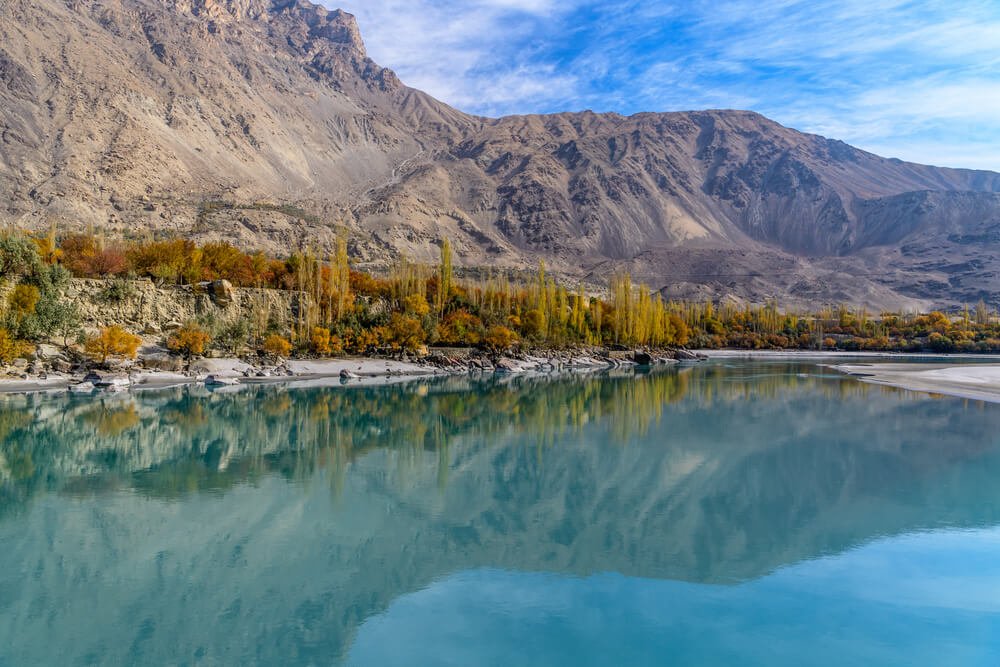
Dirlay is the kind of place that rewards travellers who are tired of viewpoints crowded with selfie sticks. The lake was born the dramatic way — a massive landslide thundered down the mountainside and dammed the valley, impounding a body of water that is startlingly clear and, by all local accounts, full of trout. It shares its origin story with the great Attabad Lake of Hunza, but almost none of Attabad’s fame, which means you can stand on its shore and hear nothing but wind and water.
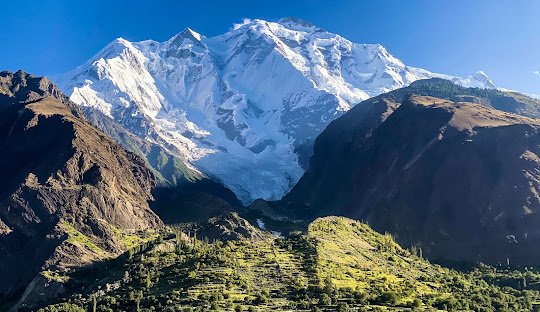
What makes the trip special is not just the lake but the journey. The road from Astore town to Dirlay climbs through the classic Astore landscape: lush green valleys, glacier-fed streams, wheat terraces, and villages where the hospitality is immediate and unforced. Travellers who have filmed the route describe green meadows, hanging glaciers and rushing rivers welcoming them at every turn — and they are not exaggerating. Astore is one of the greenest valleys in Gilgit-Baltistan, and the Dirlay road shows it off.
This is the perfect destination if you love fishing (bring your rod — the trout here are the real draw), if you are doing a wider Astore circuit and want a half-day detour that most itineraries skip, or if you simply collect quiet lakes. Families can manage it as a day trip from Astore town; photographers will want to stay for the evening light on the water. Dirlay Lake deserves your visit because it is proof that in Gilgit-Baltistan, the most beautiful places are still the ones without signboards.
History of Dirlay Lake
Dirlay Lake has no ancient legends and no Mughal-era chronicles — its history is written in geology, and it is a short one. Like Attabad Lake in Hunza, which formed in January 2010 when a landslide dammed the Hunza River, Dirlay Lake was created when heavy sliding from the mountainside above blocked the valley’s drainage and impounded the water behind a natural dam. Local accounts describe the lake as sharing Attabad’s story: born of a mountain on the move.
Because the lake is young, there is no deep recorded history of the waterbody itself — and this guide will not invent one. But the valley it sits in has a long human story. Astore has been inhabited for centuries by Shina-speaking communities, farmers and herders who terraced its slopes and grazed its high pastures long before any road reached it. The valley sits on historic routes between Gilgit, the Deosai plateau and Kashmir; the nearby Burzil Pass was for generations a caravan route linking the region to the Kashmir valley.
In the modern era, Astore has grown into one of Gilgit-Baltistan’s most loved tourist districts — home to Rama Valley, the Deosai Plains and a string of trout streams that draw anglers from across Pakistan. Dirlay Lake is part of that newer chapter: a natural wonder that local travellers and vloggers have begun to document in recent years, still largely unknown to the mainstream tourism circuit. Visiting now means seeing it before the crowds arrive.
Top Things to Do in Dirlay Lake
Fish for Trout in Crystal-Clear Water
This is Dirlay’s headline activity. The lake holds a large population of trout, and fishing here is a genuine local tradition rather than a staged tourist show. The water is so clear you can often watch the fish moving below the surface. Bring your own rod and tackle from Gilgit or Astore town — there are no rental shops at the lake — and check locally about any seasonal fishing rules. Even if you do not fish, watching local anglers work the shoreline with their distinctive techniques is fascinating.
Photograph the Lake and the Landslide Scar
Dirlay is a photographer’s lake: still, reflective water framed by steep slopes, with the raw scar of the landslide visible above it — a reminder of how recently this landscape was remade. Morning is best for mirror-calm reflections; late afternoon brings warmer light on the surrounding peaks. The shoreline offers easy compositions in every direction, no hiking required.
Picnic on the Shore
There are no restaurants at Dirlay Lake, which is precisely the point. Pack a picnic in Astore town — fresh trout from the bazaar if you are lucky, chapattis, fruit — and claim a flat rock by the water. Families love this: safe, shallow edges near the shore, room for children to explore, and not another soul in sight on a weekday.
Explore Dirlay Village
The village that gives the lake its name is worth an hour of your time. Walk its lanes, see the terraced fields and irrigation channels, and accept the tea you will inevitably be offered. The people of Astore are known across Gilgit-Baltistan for their hospitality to travellers, and a village as little-visited as Dirlay receives guests with particular warmth.
Combine with an Astore Valley Circuit
Dirlay works beautifully as part of a wider Astore itinerary. Pair it with Rama Valley and Rama Lake, the alpine meadows of the district, and — if your dates and vehicle allow — the road toward Chillum and the Deosai Plains. See our Astore travel guide and our Deosai National Park travel guide to plan the full circuit.
Famous Places In and Around Dirlay Lake
- Astore Town (Eidgah) — district bazaar, hotels and the jumping-off point; ~2 hours away
- Rama Valley & Rama Lake — Astore’s most famous side valley, pine forests and a classic alpine lake
- Gorikot — large village on the Astore route with bazaars and guesthouses
- Chillum (Chilam Chowki) — gateway settlement toward Deosai and Minimarg
- Deosai Plains — the “Land of Giants”, summer wildlife and Sheosar Lake
How to Reach Dirlay Lake
Dirlay Lake is reached via Astore town, which is itself reached via Gilgit. The whole journey is a road trip — there is no shortcut, and the drive is half the pleasure.
From Islamabad: Drive the Karakoram Highway to Gilgit — around 510 km, 10 to 12 hours — then continue to Astore. Most travellers overnight in Gilgit or Chilas. The total Islamabad–Astore journey is a long two days by road for most drivers; experienced northern-drivers do it faster, but there is no prize for rushing the KKH.
From Lahore: Motorway to Islamabad (about 375 km, 4–5 hours), then the KKH route to Gilgit and on to Astore. Plan three days of travel each way if driving the whole distance, or fly to Islamabad/Gilgit to compress it.
From Karachi: Fly to Islamabad, then continue by road or take the PIA connection to Gilgit. Karachi–Astore is a fly-then-drive journey; allow at least two travel days after landing in Islamabad.
Nearest airport: Gilgit Airport (PIA from Islamabad, ~45 minutes, weather-dependent). From Gilgit, the road to Astore leaves the KKH at the Thalichi junction and climbs into the valley — roughly 3 hours of mountain driving to Astore town. From Astore town to Dirlay village is about another 2 hours.
Road conditions by season: The Gilgit–Astore road is generally open from May to November; winter snow closes the higher stretches. The final road to Dirlay village is a mountain road — passable for cars in good weather, but a 4×4 or local jeep is more comfortable and safer after rain.
Transport options: NATCO coaches and vans run Islamabad–Gilgit; from Gilgit, hire a 4×4 or jeep for Astore (drivers know the Dirlay turn-off). Tour operators in Gilgit offer Astore packages that can add Dirlay as a detour. Public transport exists to Astore town but not to the lake itself.
Route Details
- Islamabad → (KKH) → Gilgit: ~510 km, 10–12 hours by road, or a short flight when weather allows.
- Gilgit → (Astore Road via Thalichi) → Astore town (Eidgah): roughly 3 hours of mountain driving.
- Astore town → Dirlay village: about 2 hours by jeep or 4×4 through green valleys and streams.
- Dirlay village → the lake: a short final stretch — the water appears suddenly, cupped in the hillside.
- Return to Astore town the same day, or continue your Astore circuit toward Rama or Chillum.
Where to Stay in Dirlay Lake
There is no accommodation at the lake itself — plan Dirlay as a day trip from Astore town, where the options are solid.
Mid-range: Astore town (Eidgah) has a cluster of hotels and guesthouses catering to tourists, with clean rooms, hot water and hotel restaurants serving standard Pakistani and local dishes. Gorikot, on the main route, has additional options.
Budget: Simple guesthouses and rest houses in Astore town offer basic rooms at very reasonable rates — fine for a night before an early start to Dirlay.
Notable: The PTDC motel at Rama is the district’s best-known government-run stay, beautifully located for combining Rama Valley with your Astore itinerary. Book ahead in peak summer.
Camping: Experienced campers can pitch tents near Dirlay Lake in summer, but there are no facilities — carry everything, leave nothing, and be prepared for cold nights even in July.
Where to Eat: Local Foods of Dirlay Lake
Eat in Astore town before you head to the lake, and make trout the centrepiece. Astore’s streams are famous for it, and the bazaar restaurants serve it fresh — typically fried or grilled, simply seasoned so the fish speaks for itself.
Beyond trout, the Shina kitchens of Astore serve the mountain classics of Gilgit-Baltistan: chapshuro (the meat-filled wholewheat pie), mamtu (steamed meat dumplings), hearty daal and sabzi with fresh chapattis, and endless cups of doodh patti. In the villages, you may be offered makai ki roti (maize flatbread) with desi ghee — simple, filling, and perfect after mountain air.
A full meal in an Astore town restaurant is budget-friendly — expect to eat well for a few hundred rupees per person. Pack your picnic for the lakeshore from the town bazaar: bread, fruit, and dried apricots and walnuts, the valley’s staple snacks.
Weather in Dirlay Lake
Dirlay sits in the high Astore valley, where the weather follows the classic Gilgit-Baltistan mountain pattern: short, glorious summers and long, snowy winters. Astore town sits at roughly 2,600 metres, and conditions at the lake run a little colder. The ranges below are approximate, for the valley zone.
| Season | Temperature Range | Conditions |
|---|---|---|
| Winter (Dec–Feb) | -12 to 0°C | Heavy snow; roads to the lake closed; valley villages snowbound |
| Spring (Mar–May) | 3 to 18°C | Melting snow, gushing streams; road opens progressively from May |
| Summer (Jun–Aug) | 12 to 28°C | Prime season; clear water, green valleys, best fishing |
| Autumn (Sep–Nov) | -2 to 15°C | Golden colours, crisp air; access narrows as snow returns |
Language and Culture of Dirlay Lake
The Astore valley is Shina-speaking country. Shina is the everyday language of Dirlay village and the surrounding valleys; Urdu is widely understood in Astore town’s bazaar. The people of Astore are known throughout Gilgit-Baltistan for their hospitality — travellers consistently report being welcomed, guided and fed with little prompting.
The valley’s culture is that of mountain farming communities: terraced wheat and maize fields, orchards of apricot and apple, and summer pastures grazed by goats, sheep and cattle. Dress modestly, ask before photographing people, and accept offers of tea — in a small village like Dirlay, your visit is an event, and courtesy costs nothing. If you fish, respect local customs about the water and take only what you need.
Shopping in Dirlay Lake
There is nothing to buy at the lake — do your shopping in Astore town’s bazaar. Stock up on dried apricots, apricot kernel oil, walnuts and almonds, all local products sold at honest prices. Simple woollen caps and socks knitted by village women make good, lightweight souvenirs. For wider handicraft shopping, Gilgit’s bazaars (on your way through) offer the full range of Gilgit-Baltistan crafts. There are no shopping malls in Astore district.
Travel Tips for Dirlay Lake
Packing Essentials
Fishing rod and tackle if you plan to fish; swimwear is not needed (the water is glacial); sun protection, a warm layer even in summer, sturdy shoes for the rocky shore, a picnic kit, drinking water, and all the cash you need — there are no ATMs beyond Astore town.
Safety Tips
The lake is a landslide-dammed body of water — admire it, but treat the steep slopes above with respect and do not climb the loose scar face. The water is extremely cold; do not swim. Travel the Dirlay road in daylight, and in a 4×4 after rain. As with all mountain travel, check road conditions in Astore town before setting out.
Money & Connectivity
Carry cash from Gilgit or Astore town — small notes for village shops. Mobile coverage (SCom, Telenor, Zong) is reasonable in Astore town and patchy toward Dirlay; do not count on data at the lake. Download offline maps in advance.
Best Time to Visit Dirlay Lake
Spring (May–June): Green Awakening
The road reopens, the streams run full with snowmelt, and the valley is at its greenest. Early season means fewer travellers and dramatic water levels, though nights are still cold.
Summer (July–August): Prime Season
The best time for Dirlay Lake. Warm days, clear roads, the clearest water, and peak trout fishing. This is when the lake shows its famous turquoise clarity. Go on a weekday for near-total solitude.
Autumn (September–October): Golden Quiet
Beautiful light, autumn colours on the slopes, and empty roads. A lovely time for photography, but check locally that the road is still open — early snow can close it with little warning.
Winter (November–April): Closed
Snow closes the route. The lake sleeps under ice and snow, and the valley is cut off. Plan for summer instead.
Final Thoughts
Dirlay Lake will never be Attabad. It has no resorts on its shore, no fleet of boats, no viewpoint cafes — and that is exactly why you should go. It is a young lake in an old valley, full of trout and ringed by silence, reached by a road that shows you the greenest side of Astore. For anglers it is a working fishing lake; for everyone else it is a reminder of what the north looked like before the tour buses.
Pair it with Rama Valley or a Deosai run, pack a picnic, bring your rod, and give Astore’s quietest lake a day of your trip. You will leave wondering why more people do not know its name — and hoping it stays that way. For more hidden-water inspiration, explore our Explore Pakistan guides.
FAQs
Where is Dirlay Lake located?
Dirlay Lake is in Dirlay village, Astore District, Gilgit-Baltistan — about 2 hours by road from Astore town (Eidgah), and roughly 6 hours from Gilgit.
What is the best time to visit Dirlay Lake?
July and August offer the clearest water, open roads and the best fishing. May–June is green and quiet; September–October brings autumn colours. The road is closed in winter.
How do I reach Dirlay Lake?
Drive or fly to Gilgit, take the Astore Road (via Thalichi) to Astore town (~3 hours), then continue about 2 hours by jeep or 4×4 to Dirlay village and the lake.
Is Dirlay Lake safe for tourists?
Yes, for careful travellers. Go in daylight, use a 4×4 after rain, do not swim in the glacial water, and stay off the loose landslide scar above the lake.
Is Dirlay Lake suitable for families?
Yes — it works well as a day trip from Astore town. The shoreline is accessible, children enjoy the clear water and the picnic setting, and there is no hiking required.
Where can I stay near Dirlay Lake?
There is no accommodation at the lake. Stay in Astore town’s hotels and guesthouses, in Gorikot, or at the PTDC motel in Rama, and visit the lake as a day trip.
What local food should I try?
Fresh trout from Astore’s streams is the must-try, plus chapshuro, mamtu, doodh patti, and makai ki roti with desi ghee in the villages.
How was Dirlay Lake formed?
Like Attabad Lake in Hunza, Dirlay Lake was formed when a mountainside landslide dammed the valley’s drainage, impounding the clear, trout-filled water you see today.