This Gurdwara Ichcha Parak, Vinni travel guide takes you off every tourist map, into the wheat fields of Hafizabad district, to a humble house-like shrine marking a brief, loving visit of Guru Hargobind — the sixth Sikh Guru. Inside you will find the real story of the Guru’s visit and the vanished Vaisakhi fair, how to reach Vinni from Lahore, Islamabad and Karachi, the best time to visit, the neighbouring shrine at Dhunni, where to stay and eat, and practical tips for a respectful heritage trip into rural Punjab.
Quick Facts
- Location: Vinni (Winni) village, police station, tehsil and district Hafizabad, Punjab, Pakistan
- Famous For: The “Ichcha Parak” gurdwara of Guru Hargobind, the sixth Sikh Guru, who made a brief visit here from Hafizabad out of love for the villagers
- Architecture: Built in the form of a house rather than a conventional domed shrine; some land is attached to it
- Nearest City: Hafizabad (the district headquarters); Gujranwala and Lahore are the nearest major cities
- Accessibility: Reached by metalled road from Hafizabad; an easy day trip from Lahore or Gujranwala
- Known Landmarks Nearby: The Gurdwara of Guru Amar Das at Dhunni village (the next village over); Hafizabad city’s rice belt
- Best For: Offbeat heritage travellers, Sikh history enthusiasts, photographers of rural Punjab, and anyone who loves places no guidebook covers
Why Visit Gurdwara Ichcha Parak, Vinni
Let us be honest with you: Gurdwara Ichcha Parak, Vinni is not a destination you visit for architecture or amenities. You visit it for the story — and for the feeling of standing in a Punjabi village where, four centuries ago, one of the most formidable figures in Sikh history stopped simply because the villagers loved him and he loved them back. Guru Hargobind, the sixth Guru — the “Soldier Saint” who wore two swords and built the Akal Takht — came here for a brief visit from Hafizabad, in recognition, the old accounts say, of the love and affection of the villagers of Vinni. No battle, no court, no politics. Just a visit.
That is the Punjab this guide is really about. Beyond the famous shrines with their marble and their crowds, there is a whole other heritage Punjab: dozens of village gurdwaras, each holding one small, luminous story, each kept alive in the memory of people who have lived beside them for generations. Vinni’s shrine is one of the most touching of them — a gurdwara built like an ordinary house, lived in today by local families, its Vaisakhi fair a memory rather than an event. It is heritage without a ticket counter, and for the right traveller, that is worth more than any monument.
Vinni also makes a wonderful anchor for a slow rural day. The neighbouring village of Dhunni holds another historic shrine — the Gurdwara of Guru Amar Das, with its remarkable story of the Guru’s shoes — and the countryside between them is the Hafizabad rice belt at its greenest: endless paddies, water buffalo, white egrets, and the wide, luminous skies of the Punjab plain. Pair the two villages in a single unhurried outing from Lahore or Gujranwala, and you will have seen a Punjab most travellers never know exists.
Come between November and March, when the fields are green and the air is clear. Come with respect, with curiosity, and with no expectations of grandeur — and Vinni will give you something grander: a genuine encounter with the living memory of rural Punjab.
History of Gurdwara Ichcha Parak, Vinni
Vinni — also written Winni — is a village of the police station, tehsil, and district of Hafizabad, in the heart of Punjab’s agricultural plain. The shrine known as “Ichcha Parak” belongs to Guru Hargobind, the sixth Sikh Guru (1595–1644), the son of Guru Arjan Dev and the Guru who transformed the Sikh tradition by taking up arms in defence of the faith — the founder of the miri-piri (temporal and spiritual) tradition and the builder of the Akal Takht at Amritsar.
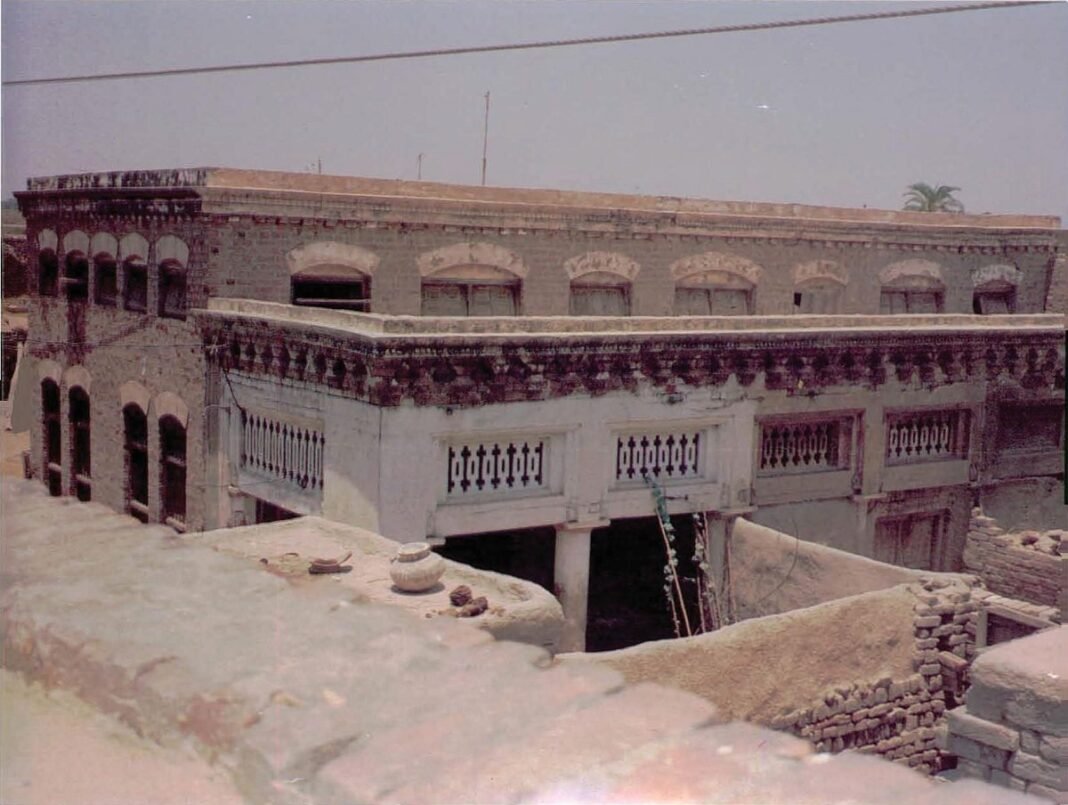
According to the historical record of Sikh shrines in Pakistan, the Guru came to Vinni for a brief visit from Hafizabad — drawn, the accounts say, by the love and affection of the villagers. It is a small detail, but a revealing one: even the Soldier Saint, the Guru of two swords, is remembered here not for a battle but for accepting a village’s hospitality. To commemorate the visit, a gurdwara was raised in Vinni — notably, not as a grand domed shrine but “well constructed in the form of a house,” with some agricultural land attached to it for its upkeep.
Like so many village gurdwaras of the region, Ichcha Parak once had its own annual rhythm: a small fair used to be held here on the first of Vaisakh, the Punjabi new year and harvest festival. That fair has now stopped — a quiet casualty of the decades since Partition, when the Sikh communities that sustained these shrines migrated and the fairs faded with them. Today, the building is occupied by local refugee families settled there, and the shrine survives as a lived-in house with a sacred memory rather than as a functioning place of worship.
The wider history of the area adds context. Hafizabad district sits in the fertile Rechna Doab between the Chenab and Ravi rivers — prime agricultural country that has been farmed for millennia and that lay on the historic routes between Lahore and the northwest. The district is famous today for its rice: Hafizabad’s paddies produce some of Punjab’s finest basmati, and the landscape around Vinni — flat, green, threaded with water channels — is the classic scenery of Pakistan’s rice belt. The neighbouring village of Dhunni, the next settlement over from Vinni, holds its own remarkable shrine: the Gurdwara of Guru Amar Das, where one of the Guru’s shoes — eleven inches long and three inches wide at the toe — was once kept as a relic, and where the hall with its four doors, sixteen-foot ceiling, and black-and-white glazed tile floors still stands in the centre of the village.
Top Things to Do in Gurdwara Ichcha Parak, Vinni
See the House-Like Shrine
The essential experience is to stand before the shrine itself: a gurdwara built in the form of a house, utterly unlike the domed shrines most visitors picture. Walk around it slowly, note its domestic scale and construction, and reflect on what it represents — a sacred place shaped not by royal patronage but by a village’s devotion. Remember that local families live in the building today; be a respectful guest. Ask permission before entering any part of the house, keep your voice low, and do not treat people’s home as a photo prop.
Talk to the Village Elders
Vinni’s oldest residents are the keepers of the shrine’s story. With a greeting and a cup of tea — hospitality you will not be able to refuse — ask about the Guru’s visit, the old Vaisakhi fair, and how the village has changed. Their accounts, passed down through generations, carry details no survey captures: who organised the fair, what was sold, which families came from neighbouring villages. If you speak Punjabi, you will be rewarded many times over.
Combine with the Shrine at Dhunni
The heritage survey of this area specifically recommends combining Vinni with the gurdwara at Dhunni, the next village over — and it is excellent advice. Dhunni’s Gurdwara of Guru Amar Das is the more substantial shrine: a brick hall with four doors in the centre of the village, built around the memory of the Guru’s visit and the relic of his shoe, granted to his devotee Bhai Cheena Mal (Peera Mal). The two villages together — Hargobind at Vinni, Amar Das at Dhunni — make a remarkable morning of early Sikh history within a few kilometres.
Walk the Rice Belt
The countryside around Vinni is Hafizabad’s famous rice country. Take a slow walk or drive along the field tracks between the villages: flooded paddies glittering in winter light, egrets and herons working the shallows, buffaloes cooling in the ponds, and the whole vast flatness of the Punjab plain under an enormous sky. For photographers, the early morning — mist on the fields, farmers heading out — is pure gold.
Famous Places In and Around Gurdwara Ichcha Parak, Vinni
- Gurdwara Guru Amar Das, Dhunni — the next village from Vinni; the historic shrine of the third Guru with its four-doored hall and the story of the Guru’s shoes.
- Hafizabad City — the district headquarters; its grain markets and rice mills are the commercial heart of the rice belt.
- Gujranwala — the nearest major city, birthplace of Maharaja Ranjit Singh, with its own Sikh heritage sites and famous food streets.
- Eminabad — within reach toward Gujranwala; home to the historic Gurdwara Rori Sahib of Guru Nanak.
- Lahore — under two hours away, for the full wealth of Punjab’s heritage; start with our Gurdwara Janam Asthan Guru Ram Das and Gurdwara Janam Asthan Bebe Nanaki guides.
How to Reach Gurdwara Ichcha Parak, Vinni
Vinni is a village of Hafizabad tehsil, and Hafizabad is the key to reaching it. From Lahore (around 100 km), drive west on the M-2 motorway and exit toward Hafizabad (via the Pindi Bhattian/Hafizabad interchange), or take the older Grand Trunk Road route via Gujranwala — either way, the journey takes about 1.5 to 2 hours. From Gujranwala, Hafizabad is roughly 60 km to the southwest (about an hour). From Hafizabad city, Vinni village is a short drive on metalled village roads — ask locally for “Vinni” and the gurdwara; the village knows its shrine.
From Islamabad, the drive is around 220 km via the M-2 south (about 3 hours) to the Hafizabad interchange, then local roads to the village. From Karachi, fly to Lahore (about 2 hours) and drive; the overland journey is over 1,200 km. The nearest airport is Allama Iqbal International, Lahore; Sialkot International is another option for the Gujranwala side. Roads are metalled to the village and usable year-round, though the last stretch is narrow village road — drive slowly and watch for tractors, carts, and livestock. Public transport will get you to Hafizabad by bus or wagon from Lahore or Gujranwala; from there, hire a rickshaw or private car for the village hop to Vinni and Dhunni. A hired car with a driver from Lahore for the day is the most comfortable option and lets you do both villages at an unhurried pace.
Route Details
From Lahore: M-2 motorway west → Hafizabad/Pindi Bhattian interchange → Hafizabad city → metalled road to Vinni village (ask for the gurdwara, “Ichcha Parak”). Alternative: Grand Trunk Road to Gujranwala → road southwest to Hafizabad → Vinni. From Islamabad: M-2 south → Hafizabad interchange → follow the local route above. From Karachi: Fly to Lahore → follow the Lahore route. Combine Vinni and Dhunni in one loop — the villages are neighbours.
Where to Stay in Gurdwara Ichcha Parak, Vinni
Vinni is a farming village with no hotels, so plan to stay in Hafizabad city or make this a day trip from Lahore or Gujranwala. Hafizabad has a small number of basic hotels and guesthouses — simple, inexpensive, and perfectly adequate for a night: expect a clean bed, a fan or air-conditioner, and a straightforward breakfast. Do not expect luxury, room service, or online booking; walk in or call ahead.
Most visitors will find the day-trip option smarter: base yourself in Lahore, with its full range from five-star hotels to budget guesthouses, and drive out after an early breakfast, returning by evening. Gujranwala is another good base — closer to Hafizabad, with decent mid-range hotels and the city’s legendary food streets as a bonus. Camping is not advisable in the village; stick to town accommodation and village hospitality by day.
Where to Eat: Local Foods of Gurdwara Ichcha Parak, Vinni
In Vinni, you eat what the village eats — and that is a privilege. The rice belt’s table is built on fresh, honest Punjabi food: daal simmered in desi ghee, tandoori rotis from the village oven, saag with makki di roti in winter, seasonal vegetables from the fields, and lassi so thick it needs a spoon. There are no restaurants in the village, but the dhabas on the Hafizabad road serve exactly this food at prices that will make you smile — a full meal for the cost of a city coffee.
Hafizabad city adds its own specialities, and the district’s pride is its rice: if you eat in town, order the rice dishes and taste what the famous paddies produce. Gujranwala, the nearest food city, is a destination in its own right — its nihari, paye, chargha, and barbecue are legendary across Pakistan, and its food streets stay lively late into the night. If a village family offers you a meal — and they might — accept with gratitude; it will be the best food of your trip. And remember gurdwara etiquette in spirit: many Sikh visitors eat vegetarian, and any parshad offered at a shrine is received with both hands.
Weather in Gurdwara Ichcha Parak, Vinni
Vinni sits on the Punjab plain in the Rechna Doab, and its weather is classic plains Punjab: foggy, pleasant winters; a short, sweet spring; a long, fierce summer; and a humid monsoon. The rice belt is at its most beautiful from November to March, when the fields are green and the light is soft.
| Season | Temperature Range | Conditions |
|---|---|---|
| Winter (Dec–Feb) | 5°C to 20°C | Cool and pleasant; dense fog on December–January mornings can slow driving — start after the fog lifts |
| Spring (Mar–Apr) | 15°C to 32°C | Warming up; pleasant mornings, hot afternoons by April |
| Summer (May–Jul) | 30°C to 45°C | Very hot with dry loo winds; the fields shimmer — not the season for village walking |
| Monsoon (Jul–Sep) | 28°C to 38°C | Humid with heavy showers; field tracks turn muddy; the paddies are at their greenest |
| Autumn (Oct–Nov) | 15°C to 32°C | Clear and comfortable; harvest activity in the fields makes for wonderful scenery |
Language and Culture of Gurdwara Ichcha Parak, Vinni
The language of Vinni is Punjabi, in its Majhi-influenced local dialect, with Urdu widely understood. This is deep rural Punjab: conservative, hospitable, and community-minded. The village is Muslim-majority today, but the memory of Guru Hargobind’s visit is part of local identity — the shrine is the village’s claim to history, and residents speak of it with pride.
Etiquette here is village etiquette. Dress modestly — covered shoulders and knees, and women should carry a headscarf. Greet elders with respect; accept tea (refusing is difficult and slightly rude); ask before photographing people, homes, or the shrine’s interior; and remember that the shrine building is people’s home — behave as a guest, not a tourist. At any shrine, the gurdwara courtesies apply: cover your head, remove your shoes, wash your hands, and keep tobacco, alcohol, and meat away from the premises. A few words of Punjabi — even just a warm Sat Sri Akal alongside Assalam-o-Alaikum — will open hearts.
Shopping in Gurdwara Ichcha Parak, Vinni
Vinni’s shops sell village essentials — and the most authentic souvenir here is the district’s famous produce. Hafizabad’s rice is its pride: buy basmati directly from the source in Hafizabad city’s grain market, where the quality is superb and the prices are farm-gate honest. The city’s bazaars also sell everyday Punjabi goods: khussay (traditional shoes), cotton fabrics, steelware, and sweets.
For a wider shopping expedition, Gujranwala’s bazaars — especially for food, ceramics, and the city’s famous electric fans and cutlery — are an hour away, and Lahore’s Anarkali and Ichhra need no introduction. There are no shopping malls anywhere near Vinni; that is rather the point. Come home with a sack of Hafizabad basmati and the memory of a village that once hosted a Guru, and you will have shopped well.
Local Events and Festivals
The vanished Vaisakhi fair: A small fair used to be held at the Ichcha Parak shrine on the first of Vaisakh — the Punjabi new year and harvest festival in mid-April. The fair has now stopped, a quiet loss the village elders still remember. We mention it not as an event to attend but as part of the shrine’s story: if you visit in mid-April, ask the elders about it; their memories are the fair’s last venue.
Vaisakhi (mid-April) in the region: While Vinni’s own fair is no more, Vaisakhi remains the great festival of rural Punjab, celebrated in villages across Hafizabad with fairs, wrestling (kabaddi and kushti), and harvest joy. Time a trip for mid-April and the countryside is festive, even if the shrine itself is quiet.
Gurpurabs: The birth anniversaries of the Sikh Gurus are observed at the operational gurdwaras of the region — most accessibly in Lahore and Gujranwala — with prayers and community meals.
Travel Tips for Gurdwara Ichcha Parak, Vinni
Packing Essentials
A head covering for the shrine, slip-on shoes, sun protection, and plenty of drinking water — village shops stock the basics, but carry your own supply. In winter, bring a warm jacket; December and January mornings in the rice belt are cold and foggy. A power bank is wise, and a small gift for a host family (sweets from the city) is a lovely gesture if you are invited for a meal.
Safety Tips
Vinni is a peaceful farming village and safe for respectful visitors. Travel in daylight, let someone know your plan, and keep your CNIC or passport with you. On the roads, watch for the usual rural hazards: tractors, loaded trolleys, stray livestock, and children playing near the lanes. Drink bottled or boiled water in the village.
Money & Connectivity
Carry cash in rupees — Vinni has no ATMs and no card-accepting shops; the nearest ATMs are in Hafizabad city. Mobile signals from all major networks reach the village, though data can be slow. Download offline maps before leaving Hafizabad; the village lanes will not be signposted.
Best Time to Visit Gurdwara Ichcha Parak, Vinni
November to March — The Ideal Season
Cool, clear, and green: the Gurdwara Ichcha Parak, Vinni travel guide’s recommended window. The rice belt is beautiful, the light is perfect for photography, and village walks are a pleasure. Start after 10 a.m. in December and January to let the fog lift.
October — Harvest Season
The fields are busy with harvest, the weather is comfortable, and the countryside is at its most alive — a wonderful time for this trip.
Mid-April — Vaisakhi Season
Hot by afternoon, but the villages are festive and the elders’ memories of the shrine’s own fair are closest to the surface. Come early in the day.
May to September — Avoid If You Can
The fierce summer and humid monsoon make village exploration genuinely uncomfortable. If you must come, keep visits short and start at dawn.
Final Thoughts
Gurdwara Ichcha Parak, Vinni will never be a famous destination, and it does not need to be. Its power is precisely in its obscurity: a house-like shrine in a rice-belt village, holding the memory of a Guru who stopped here out of love. In an age of bucket lists and photo queues, Vinni offers the rarest travel experience of all — a place that asks nothing of you except attention, and repays it with authenticity.
Pair it with Dhunni, eat in a Hafizabad dhaba, buy rice from the source, and drive home through the greenest miles of Punjab. Then, when you are ready for more of Pakistan’s Sikh heritage, follow the trail to Lahore — to the birthplace of Bebe Nanaki at Dera Chahal and the birthplace of Guru Ram Das in Chuna Mandi. For wider inspiration, browse our Explore Pakistan collection, from Malam Jabba to the Hunza Valley and Islamabad.
FAQs
Where is Gurdwara Ichcha Parak, Vinni located?
In Vinni village, tehsil and district Hafizabad, Punjab — a village of the Hafizabad rice belt, reached by metalled road from Hafizabad city.
Which Guru is associated with Gurdwara Ichcha Parak?
Guru Hargobind, the sixth Sikh Guru, who made a brief visit to Vinni from Hafizabad out of love for the villagers.
What is the best time to visit?
November to March for the most comfortable weather; October for the harvest season. Avoid the May–September heat if you can.
How do I reach Vinni from Lahore?
Drive the M-2 motorway to the Hafizabad interchange (about 1.5–2 hours from Lahore), then take local roads to Vinni village. A hired car for the day is the easiest option.
Is the shrine still a functioning gurdwara?
No — the building, constructed in the form of a house, is now occupied by local families. It is a heritage site and a village landmark rather than an active place of worship; visit with the respect due to people’s home.
Is it suitable for families?
Yes, as a calm rural outing — best combined with the neighbouring shrine at Dhunni. Carry water and snacks; there are no tourist facilities in the village.
Where should I stay?
In Hafizabad city (basic hotels) or, more comfortably, make it a day trip from Lahore or Gujranwala.
What should I eat around Vinni?
Village Punjabi food at roadside dhabas — daal, tandoori rotis, saag, and lassi — plus Hafizabad’s famous rice in town and Gujranwala’s legendary food streets an hour away.