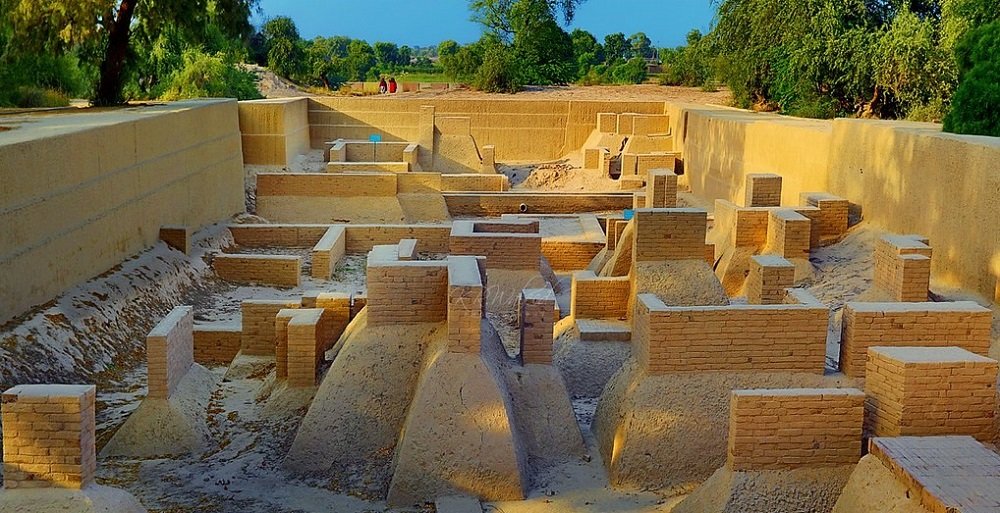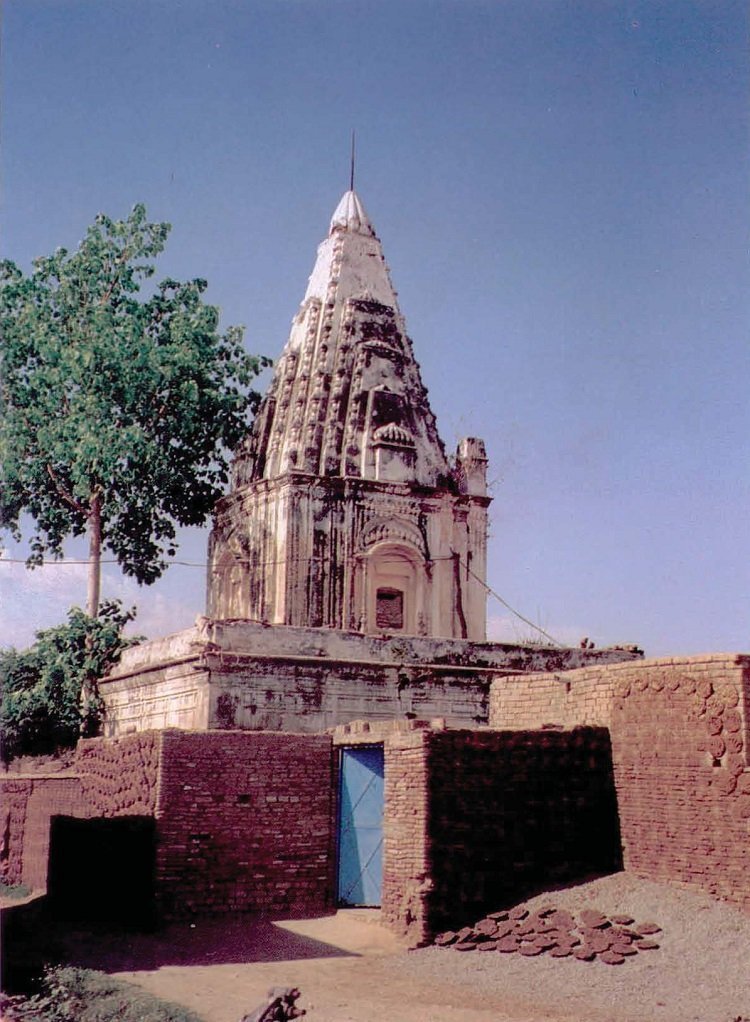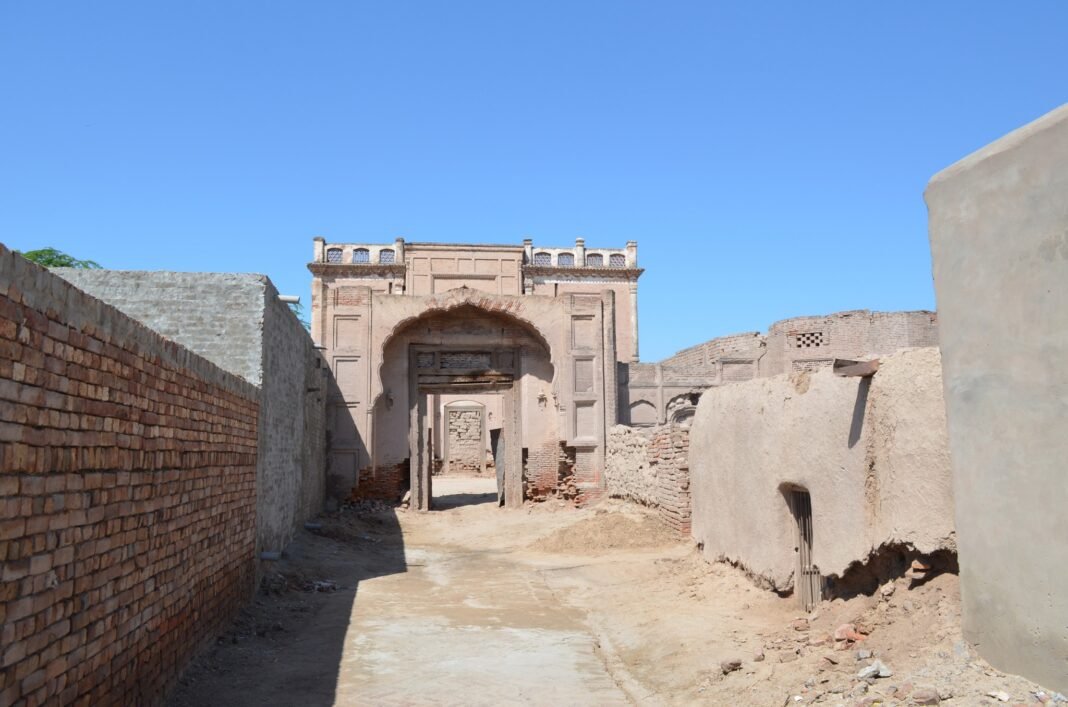
Some places you visit for their beauty, and some you visit for their story. Gurdwara Nanaksar, Jhang belongs firmly in the second category. And that is precisely why it will stay with you. Also, on a quiet mound outside the city of Jhang, along the Toba road, stands a spacious old shrine where Guru Nanak Dev Ji himself is said to have stayed. A beautiful tank lies beside it. A primary school fills its halls now, and families live in its langar hall and residing rooms — life continuing, in a different form, inside a building raised for devotion centuries ago.
If your idea of travel includes the places guidebooks skip — the shrines with cracked plaster and honest histories, the ones that tell you what Punjab actually was — then this Gurdwara Nanaksar Jhang travel guide is your invitation. Also, here is why this modest shrine deserves your visit. To go, how to reach it, and what to pair it with on a central-Punjab heritage road trip.
Quick Facts
- Location: On a mound on the Toba road outside Jhang city, Jhang district, Punjab, Pakistan
- Altitude: Around 158 metres
- Famous For: A spacious historic shrine on the mound where Guru Nanak stayed, with a fine tank on its right side
- Nearest City: Jhang itself; the shrine sits just outside the city on the Toba road
- Accessibility: Reached by bus or mini-bus from Jhang to the bridge after Bagha Wala, then a walk upstream along the canal; nearest airports are Faisalabad (about 65 km) and Multan (about 146 km)
- Known Landmarks: The shrine mound, the tank (sarovar), the canal walk from the Bagha Wala bridge
- Best For: Sikh heritage travellers, offbeat explorers, photographers of old Punjab, and travellers who value authenticity over polish
Why Visit Gurdwara Nanaksar, Jhang
Let me tell you what this place is, and what it is not. Also, it is not a polished pilgrimage complex with marble floors and crowds of yatris. In fact, it is a big, spacious, imposing old gurdwara on a mound outside Jhang. In addition, the kind of building that has watched centuries pass from the same patch of ground. The heritage survey describes it plainly: a gurdwara built by the followers on the mound where Sat Guru Nanak Dev Ji had stayed, with a beautiful tank on its right. That is the whole romance of it. You stand on the mound, you look at the tank.
You are standing where the founder of Sikhism once stood, in the heart of the Punjab he walked.
Living History, Not a Museum
What makes the visit genuinely moving is the building’s present life. Also, a primary school is housed in the gurdwara now. Refugee families from Jalandhar and Hoshiarpur — who crossed from Indian Punjab at Partition — settled in the langar hall, the residing rooms and the other buildings, and their descendants’ lives still unfold inside these walls. The complex is in the custody of the Waqf Board but without proper care and maintenance, the survey notes honestly. You will see wear: old plaster, quiet corridors, a tank that has seen better days. Some travellers find this sad. The better way to see it is as living history.
A shrine that refused to become a museum and instead became a neighbourhood.
There is another reason to come, and it is the journey itself. Reaching the shrine is a small adventure: buses or mini-buses from Jhang, a stop on the bridge after Bagha Wala, and then a walk upstream along the canal to the mound. The canal walk is lovely in winter — green fields, slow water, the flat Punjab sky going huge above you. This is travel as it used to be: you earn the destination, and the destination repays you.
This stop is perfect for Sikh heritage travellers tracing Guru Nanak’s travels through Punjab, for photographers hunting the textures of old Punjab, and for anyone building a central-Punjab circuit — it pairs naturally with the Gurdwara Nanaksar at Harappa and the shrine cities further south. November to February gives you the cool, clear weather this walk deserves.
History of Gurdwara Nanaksar, Jhang
The history of this shrine is inseparable from the travels of Guru Nanak Dev Ji (1469–1539), the first Sikh Guru. Also, they spent years walking the length and breadth of the subcontinent on journeys called udasis. Jhang lies in the old Sandal Bar region of Punjab, the scrubby pastoral country between the Chenab and the Ravi, and tradition holds that the Guru passed through here and stayed on the mound outside the town. His followers later raised a gurdwara on that very mound. A pattern repeated across Punjab, where the memory of the Guru’s resting places became shrines.
The shrine that stands today is described in the heritage survey as spacious and imposing, with a beautiful tank on its right — the classic anatomy of a historic Punjabi gurdwara: the darbar hall, the sarovar for ritual bathing, the langar hall for the free community kitchen, and residing rooms for pilgrims. For example, gurdwaras like this were not just places of worship. In fact, they were the social infrastructure of their communities, feeding travellers, sheltering the poor and schooling children.
Partition Rewrites the Story
Partition in 1947 rewrote the building’s story. Also, the Sikh sangat that maintained the shrine left for India. Muslim refugees arriving from Jalandhar and Hoshiarpur — cities in Indian Punjab — were settled in the langar hall and rooms. A primary school moved into the gurdwara’s halls. The complex passed into the custody of the Waqf Board, the state body that manages evacuee religious properties, but as the survey records, it received no proper care or maintenance. That is the honest history: a shrine of real sanctity, kept alive by the people living in it rather than by conservation budgets.
Jhang itself is one of Punjab’s oldest cities, a place of Sufi shrines and the legendary romance of Heer Ranjha. Heer’s tomb at Jhang is one of the most visited literary shrines in Pakistan. The city sits on the Chenab, and its old bazaars still carry the flavour of the Sandal Bar. Visiting the gurdwara gives you a reason to spend a day in a city most tourists drive past. That is always a good trade.
Top Things to Do in Gurdwara Nanaksar, Jhang
Walk the canal to the mound
The approach is half the experience. Meanwhile, take a bus or mini-bus from Jhang toward Toba on the Toba road, get off at the bridge after Bagha Wala, and walk upstream along the canal to the mound. In fact, in winter the walk is genuinely pleasant — fields, water birds. The shrine appearing on its rise ahead of you. Wear comfortable shoes; the path is a village track, not a promenade.
Explore the shrine and its tank
On the mound, take in the spacious, imposing building and the beautiful tank on its right. The tank (sarovar) is the spiritual heart of any gurdwara — pilgrims once bathed here before prayer. The building’s scale will surprise you; this was a major shrine, not a village chapel. Be respectful: it is a school and people’s homes now, so ask before entering rooms, keep your voice down, and photograph the architecture rather than the residents.
Meet the neighbourhood
The families living in the langar hall and residing rooms are part of the shrine’s story — descendants of Partition-era refugees from Jalandhar and Hoshiarpur. If you speak Urdu or Punjabi, a polite conversation can teach you more about this place in ten minutes than any guidebook. Also, bring small kindnesses, not charity performances: a genuine interest is the best gift.
Visit Heer’s tomb in Jhang city
No trip to Jhang is complete without the mai-baap of Punjabi romance: the tomb of Heer, of Heer Ranjha fame, in the city. Also, pair it with the old city bazaars and the Chenab riverbank for a full day that covers Sufi, Sikh and folk Punjab in one sweep.
Famous Places In and Around Gurdwara Nanaksar, Jhang
- Tomb of Heer (Heer Ranjha) — Jhang’s most famous literary shrine, in the city
- Chenab River — the great river of the Sandal Bar, flowing past Jhang
- Jhang old city bazaars — traditional markets with local crafts and sweets
- Toba Tek Singh — the neighbouring district town about 40 km away, famous from Saadat Hasan Manto’s story
- Gurdwara Nanaksar, Harappa — the sister shrine near the Indus Valley ruins (see our Gurdwara Nanaksar, Harappa travel guide)
How to Reach Gurdwara Nanaksar, Jhang
Jhang is a well-connected district city in central Punjab. Also, the shrine is a short hop outside it on the Toba road. The last leg — bus stop to canal walk to mound — is the only part that needs a little planning.
- From Lahore: About 201 km west, roughly 3.5 hours by car via Faisalabad. Regular buses and vans run Lahore–Faisalabad–Jhang; from Jhang city, take a local bus or mini-bus toward Toba Tek Singh.
- From Islamabad: About 413 km, roughly 8 to 8.5 hours via the M2 to Kallar Kahar, then through Khushab, Sargodha and Chiniot. This is a long day — most travellers overnight in Faisalabad or Sargodha.
- From Karachi: A very long drive; fly to Lahore or Faisalabad and continue by road. Trains serve Jhang on the branch lines from the main corridor.
Nearest airport: Faisalabad International Airport is about 65 km away. Also, Multan International Airport is about 146 km. Road conditions: The Lahore–Faisalabad–Jhang roads are paved and in fair to good condition. In fact, the Toba road outside Jhang is a standard district road. In addition, winter fog on the plains can slow early-morning driving. Transport options: Private car is easiest. Intercity buses and vans are frequent and cheap. From Jhang, local buses and mini-buses to the Bagha Wala bridge run through the day.
Route Details
- Reach Jhang city by road from Lahore (via Faisalabad) or from Faisalabad directly (about 77–83 km, 1.5–2 hours).
- In Jhang, board a bus or mini-bus heading toward Toba Tek Singh on the Toba road.
- Get off at the bus stop on the bridge after Bagha Wala.
- From the bridge, walk upstream along the canal — the mound with the gurdwara is a short walk ahead.
Where to Stay in Gurdwara Nanaksar, Jhang
Jhang is a district city with a reasonable range of places to sleep: mid-range city hotels and budget guesthouses clustered near the main roads and the bus stands. Do not expect luxury resorts — Jhang is a working Punjab city, and its hotels reflect that: clean, functional, affordable. If you want more choice, Faisalabad (about 1.5–2 hours away) has a wider range including better mid-range options. Most heritage travellers do Jhang as a day trip from Faisalabad or fold it into a longer central-Punjab circuit with an overnight in the city. Book ahead if you are travelling in winter, when domestic tourism peaks.
Where to Eat: Local Foods of Gurdwara Nanaksar, Jhang
Jhang sits in the Sandal Bar, and the food is hearty Punjabi country cooking. Also, the city is known for its traditional sweets — ask for the local barfi and patisa in the old bazaars. Expect saag and makki di roti in the winter months, daal and sabzi year-round, and excellent tandoori roti from every corner bakery. In fact, the dhabas along the Faisalabad–Jhang road serve the classic truck-stop spread: daal fry, mixed sabzi, omelettes and seemingly endless chai, all at prices that will make city dwellers smile. A full dhaba meal for two stays comfortably in the budget-friendly range.
In summer, the lassi and fresh sugarcane juice vendors do brisk business. Near the shrine itself there are no restaurants — eat in Jhang city before or after your visit, and carry water for the canal walk.
Weather in Gurdwara Nanaksar, Jhang
Jhang’s weather is pure central-Punjab plains: hot summers, a humid monsoon spell, and cool winters with the famous Punjab fog. Also, the heritage survey recommends November to February, and it is right. That is when the canal walk and the mound are at their best.
| Season | Temperature Range | Conditions |
|---|---|---|
| Winter (Dec–Feb) | Around 5–20°C | Cool with morning fog; the ideal season for the shrine visit |
| Spring (Mar–Apr) | Around 15–30°C | Pleasant; fields are green and the walk is lovely |
| Summer (May–Jul) | Around 35–45°C | Intensely hot and dry; the canal walk would be punishing |
| Monsoon (Jul–Sep) | Around 28–38°C | Humid with heavy rain spells; tracks can get muddy |
| Autumn (Oct–Nov) | Around 18–30°C | Drying out and clearing; a fine shoulder season |
Language and Culture of Gurdwara Nanaksar, Jhang
Punjabi — in the local Jhangvi dialect of the Sandal Bar — is the mother tongue here. Also, Urdu is universally understood. In fact, Jhang’s culture is a rich blend: Sufi shrines, the Heer Ranjha legend. A strong tradition of Punjabi folk poetry. The city has a literary soul. Manto’s “Toba Tek Singh” put the neighbouring town on the world map. The melas at local shrines still draw crowds.
For visitors to the gurdwara: remember you are entering a school and people’s homes. Dress modestly, ask permission before stepping into any room or photographing residents, and keep children close and quiet in the corridors. Remove shoes if you enter any space used for prayer. Also, a few words of Punjabi — even a greeting — will open doors here. The people of the Sandal Bar are famously warm to guests who show respect.
Shopping in Gurdwara Nanaksar, Jhang
Jhang’s old bazaars are the place for honest small-city shopping: cotton cloth, traditional khussas. Also, the city’s famous sweets to carry home. You will also find brass and steel utensils, prayer beads at the Sufi shrines, and inexpensive local handicrafts. There is no tourist souvenir industry and no shopping mall culture aimed at visitors. The nearest modern malls are in Faisalabad. Buy the sweets, though; Jhang’s mithai shops are genuinely worth the detour.
Local Events and Festivals
The most meaningful occasion for a Guru Nanak shrine is Guru Nanak Gurpurab, the Guru’s birth anniversary in November. Also, Sikh yatris visit Pakistan’s historic gurdwaras. In fact, the shrine’s November-to-February recommended window overlaps beautifully with the Gurpurab season. Baisakhi in April is the other great festival of the Sikh calendar. In Jhang city itself, the urs celebrations at Sufi shrines through the year and the cultural memory of Heer Ranjha keep the festival calendar full. Ask locally, because mela dates follow the lunar and Punjabi calendars and shift each year. For more heritage journeys timed to the seasons, browse our Explore Pakistan collection.
Travel Tips for Gurdwara Nanaksar, Jhang
Packing Essentials
Comfortable walking shoes with grip for the canal track, a hat and sunscreen, and plenty of water. Also, there are no shops at the shrine. In fact, a light shawl or jacket for winter mornings, and modest clothing that covers shoulders and knees. Carry small-denomination cash for buses and snacks.
Safety Tips
Jhang is generally safe for visitors, and the canal walk is through settled farmland. Go in daylight, ideally morning. Travel with a companion if you can, keep your phone charged, and let your hotel know your plans. As everywhere in rural Punjab, politeness and modesty are your best security.
Money & Connectivity
ATMs and banks are available in Jhang city — sort out cash before heading to the shrine, as there are no ATMs on the Toba road stretch. Also, mobile coverage from the major networks is good in the area. Everything runs on cash; cards are of little use outside city hotels.
Best Time to Visit Gurdwara Nanaksar, Jhang
Winter (November to February) — the best season
Cool air, clear skies, green fields along the canal. This is when the heritage survey says to come, and when the walk to the mound is a pleasure rather than an ordeal. Also, Guru Nanak Gurpurab in November adds a spiritual charge to the season.
Spring (March to April) — good
Still pleasant, with the countryside at its greenest. Baisakhi in April is a culturally rich time to be in Punjab. Start your canal walk early to beat the warming afternoons.
Summer (May to July) — avoid
Temperatures push toward 45°C on the open plains, and the walk from the Bagha Wala bridge would be genuinely uncomfortable. If summer is your only option, visit at dawn and keep the outing short.
Monsoon and Autumn (July to October) — mixed
Monsoon humidity and muddy tracks make this the awkward season. Also, October dries things out and November brings the sweet spot back around.
Final Thoughts
Gurdwara Nanaksar, Jhang will not impress you with polish. Also, it will impress you with truth. A shrine on a mound where Guru Nanak stayed, a tank that has reflected centuries, a school bell ringing where kirtan once sounded, and families living their lives inside history. That is a rarer and more honest kind of heritage than any restored monument.
Walk the canal in winter, stand on the mound, and listen. Then let Jhang show you the rest of its stories. Also, Heer, the Chenab, the old bazaars. This is the Punjab that rewards the curious. You can find more of it in our journeys across the country’s heritage.
FAQs
Where is Gurdwara Nanaksar, Jhang located?
On a mound on the Toba road outside Jhang city. Meanwhile, take a bus to the bridge after Bagha Wala and walk upstream along the canal to reach it.
What is the best time to visit Gurdwara Nanaksar, Jhang?
November to February — cool, clear weather ideal for the canal walk and exploring the shrine.
How do I reach Gurdwara Nanaksar, Jhang?
From Lahore (about 201 km, 3.5 hours) via Faisalabad to Jhang city, then a local bus toward Toba Tek Singh. Get off at the Bagha Wala bridge and walk along the canal.
Is it safe for tourists and families?
Yes, the area is generally safe in daylight. The walk is through settled farmland; go in the morning and keep to the track.
Is it suitable for families with children?
Yes, with supervision. Also, the canal walk and the mound are manageable, and the outing is a memorable history lesson. In fact, it is not wheelchair-accessible.
Where can I stay near the gurdwara?
Jhang city has mid-range hotels and budget guesthouses. Also, Faisalabad (1.5–2 hours) offers more choice.
What local food should I try?
Jhang’s traditional sweets (barfi, patisa), winter saag and makki di roti. Also, the classic dhaba spread along the Faisalabad–Jhang road.
What makes this gurdwara unique?
It stands on the actual mound where Guru Nanak stayed, reached by a canal walk. And it is a living building: a primary school and Partition-refugee families fill the halls where pilgrims once gathered, with its beautiful tank still beside it.