Imagine standing in a quiet grove of trees where the soil beneath your feet holds five thousand years of human history, and beside you stands a shrine raised in honour of the founder of Sikhism. That is the strange, wonderful gift of Gurdwara Nanaksar, Harappa — a place where the ancient Indus Valley civilisation and a 20th-century Sikh shrine sit within walking distance of each other. If you are the kind of traveller who plans a heritage trip to Pakistan and wonders what to add to it, this gurdwara deserves a place on your list.
This Gurdwara Nanaksar Harappa travel guide walks you through everything: why the shrine is worth your time, how to reach it, what to see around it, where to eat, and the best time to go. Whether you are a Sikh pilgrim tracing Guru Nanak’s Punjab, a history lover heading for the Harappa ruins, or simply someone collecting quiet, offbeat corners of the country, keep reading — this one is for you.
Quick Facts
- Location: A grove of trees about 1.25 km south of the Harappa archaeological ruins, district Sahiwal, Punjab, Pakistan
- Altitude: Around 160 metres (Harappa town sits at about 161 metres)
- Famous For: A grand Guru Nanak shrine whose foundation stone was laid in 1941; the ancient Harappa ruins and museum right next door
- Nearest City: Sahiwal, about 23 km to the east
- Accessibility: All-weather paved roads from Lahore, Multan and Faisalabad; the nearest airports are Lahore (around 180 km) and Multan (around 150 km)
- Known Landmarks: Harappa archaeological site and museum, the gurdwara’s big tank (sarovar), the building now known as Government College Harappa
- Best For: History lovers, Sikh heritage travellers, families on a Punjab road trip, and anyone who wants to see two eras of history in one afternoon
Why Visit Gurdwara Nanaksar, Harappa
Let us be honest: very few travellers come to Harappa only for the gurdwara, and very few pilgrims come only for the ruins. That is exactly the magic of this stop. You can walk through the mounds of one of the world’s oldest cities in the morning — a city that was thriving while much of the ancient world was still finding its feet — and then spend a reflective hour in the shaded grounds of a shrine dedicated to Guru Nanak Dev Ji, the founder of the Sikh faith, whose teachings of equality and honest labour reshaped Punjab. Two completely different chapters of human story, one short drive apart.
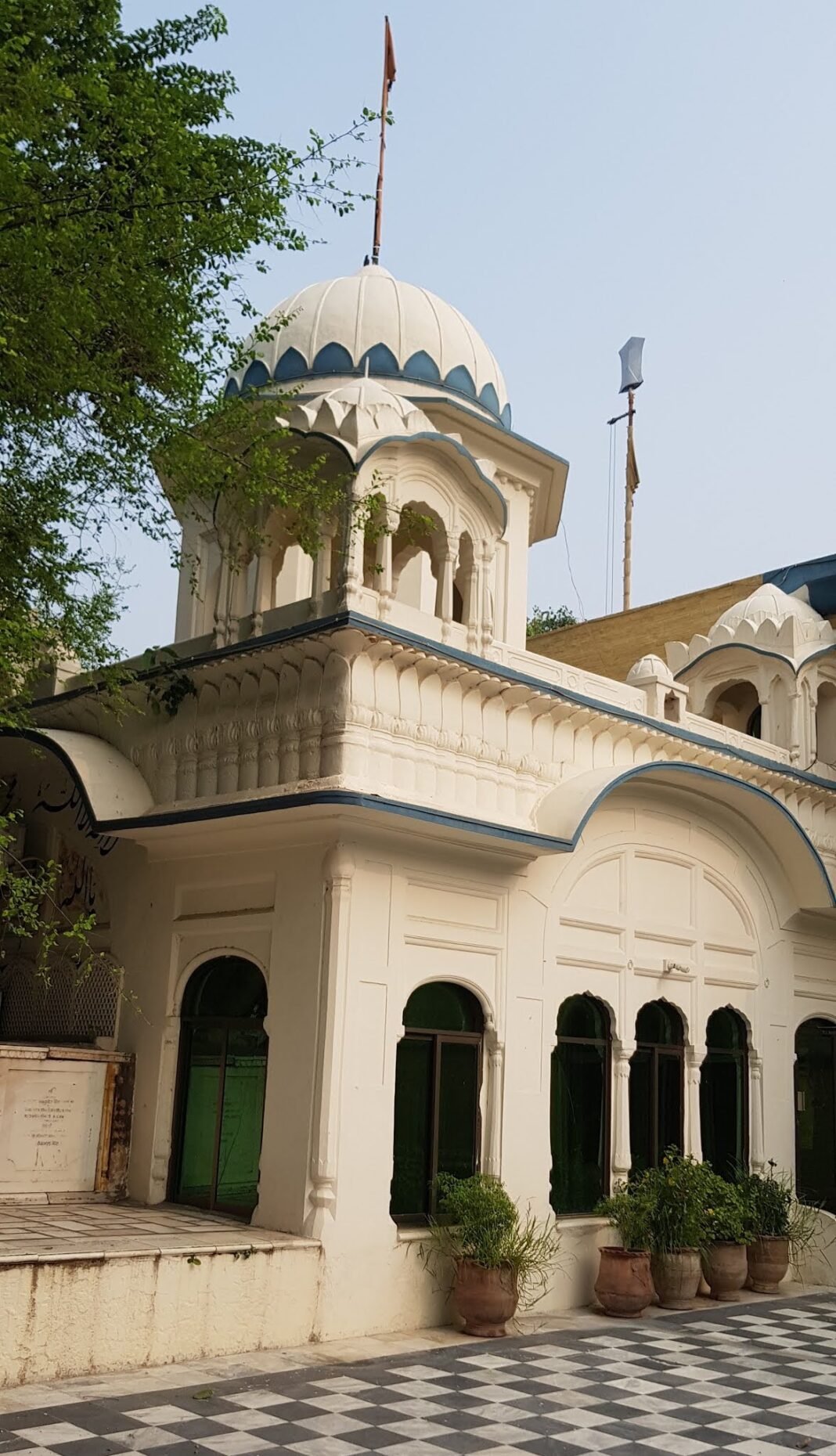
The shrine itself has a story worth hearing. The foundation stone of Gurdwara Nanaksar was laid by Sant Sangat Singh Ji Maharaj of Kamalia on the 4th of Poh, Samvat 1998 (Nanakshahi 473), and construction began on 18 December 1941. That makes it one of the last great gurdwaras raised in united Punjab before Partition changed everything. Old heritage surveys describe the building as grand and beautiful, set in a grove of trees, with a big tank near the prakash room and many residing rooms for pilgrims. A fair used to be held here on the 1st, 2nd and 3rd of Chaiter, drawing devotees from the surrounding countryside.
Today the building is in use as Government College Harappa, which is why this visit feels different from a typical pilgrimage stop. You are not just visiting a place of worship; you are witnessing how Punjab’s buildings have lived several lives. Ask at the college, walk the grounds respectfully, find the old tank, and picture the grove as it once was when kirtan filled the air. Then drive the short distance north to the ruins and the museum, where seals, pottery and tools from around 2600 BC wait behind glass. It is a half-day pairing that no other site in Punjab quite offers.
This destination is perfect for heritage travellers who hate crowds, for Sikh visitors from abroad tracing shrines associated with Guru Nanak, and for families who want a day trip from Lahore that is genuinely educational. November to February is the sweet spot — cool mornings, clear skies, and the Sahiwal plains at their most pleasant.
History of Gurdwara Nanaksar, Harappa
To understand this shrine, you first have to understand Harappa itself. Harappa is the site the entire Indus Valley civilisation — also called the Harappan civilisation — is named after. It was one of the first Bronze Age cities on earth, part of a civilisation that at its mature phase (around 2600 to 1900 BC) stretched from today’s Pakistan deep into India. The city covered roughly 150 hectares and may have housed more than twenty thousand people — an enormous population for the ancient world.
The modern rediscovery of Harappa is a story in itself. Charles Masson visited and recorded the ruins in 1826, and the first systematic excavations were carried out in 1872–73 by Sir Alexander Cunningham, the founder of the Archaeological Survey of India. The great excavations of the 1920s, led by figures including R.D. Banerjee, announced to the world that the subcontinent had an urban civilisation as old as Egypt’s and Mesopotamia’s. Excavations uncovered gold and silver coins and seals with inscriptions in the still-undeciphered Indus script — proof, as the old heritage survey puts it, that the people of this land knew how to read and write thousands of years ago.
The Gurdwara Nanaksar belongs to a much more recent, but equally evocative, layer of history. Punjab’s 19th and early 20th centuries were a golden age of gurdwara building, and the shrine at Harappa was one of its late flowers. The old survey records the details precisely: the sacred shrine of Sat Guru Nanak Dev Ji, called Nanaksar, displaying its grandeur in a grove about 1.25 km south of the ruins. Ten ghumaon of agricultural land and a large estate stood in the shrine’s name, along with a well and a large garden — the kind of self-sustaining religious complex that was typical of historic Punjab.
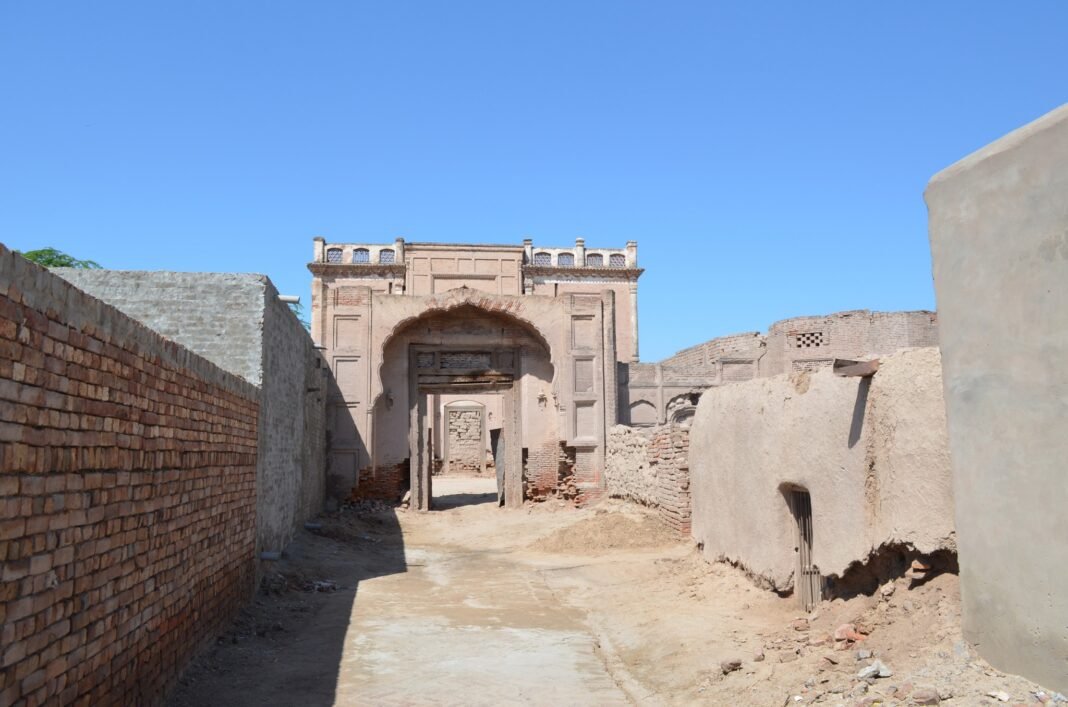
Partition in 1947 scattered the Sikh community that maintained the shrine. Like many gurdwaras in West Punjab, the building found a new purpose: it became Government College Harappa. The tank near the prakash room survives as a relic, and the residing rooms still line the complex. Knowing this history does not make the visit sad — it makes it richer. You are walking through a building that has served scholars, pilgrims and students across three very different eras.
Top Things to Do in Gurdwara Nanaksar, Harappa
See the shrine and its tank
Start at the gurdwara itself, now the Government College Harappa building. Look for the big tank near the old prakash room — the survey calls it out specifically — and the many residing rooms attached to the complex. Walk the grove around the building and remember that the fair on the 1st, 2nd and 3rd of Chaiter once brought thousands here. Since it is a working college, visit outside class hours, ask permission at the office, and behave like a guest — which you are.
Explore the Harappa ruins and museum
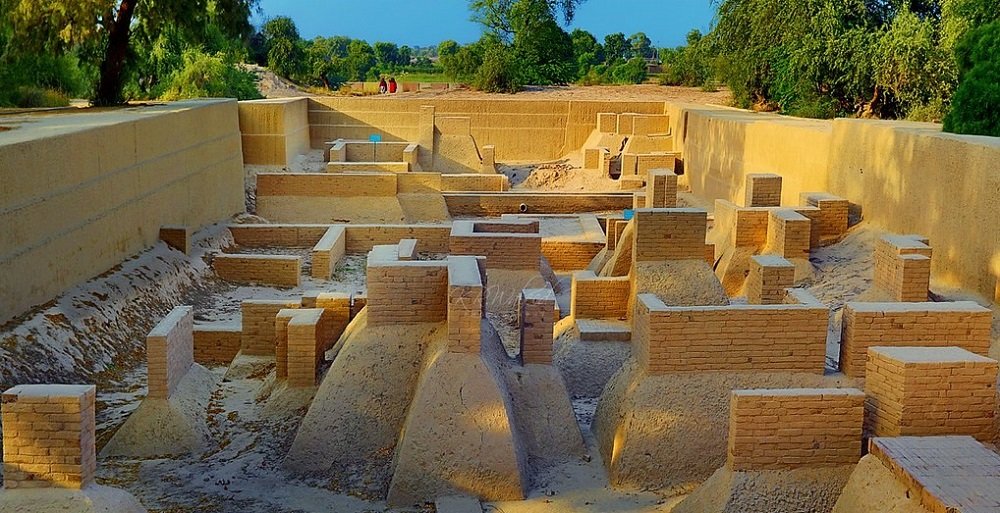
Just 1.25 km north lie the archaeological mounds and the Harappa Museum, where the artefacts pulled from the soil are displayed — exquisite pottery, jewellery, seals and figurines that reveal how sophisticated this Bronze Age city was. Guides are usually available at the site and can walk you through what the mounds contain. Plan at least two hours here; history buffs will want three.
Walk the old city mounds at golden hour
The ruins are open ground, and late afternoon is the best light for photographs. The mounds are low and easy to walk, suitable for visitors of most ages. Pair this with the museum first so you know what you are looking at — once you understand the street grid and granaries, the humps of earth start reading like a city plan.
Stop at Sahiwal for food
Most travellers pass through Sahiwal, 23 km away, and the city is known across Punjab for its dairy — fresh dahi, lassi and traditional sweets are worth the stop. If your trip spans lunch, eating in Sahiwal is more practical than looking for a restaurant at the ruins.
Famous Places In and Around Gurdwara Nanaksar, Harappa
- Harappa Archaeological Site and Museum — the world-famous Indus Valley ruins, 1.25 km north of the shrine
- Government College Harappa — the historic Nanaksar shrine building in its present role
- Sahiwal — the district capital 23 km away, famous for its dairy products and as the gateway town
- Okara — a large neighbouring city on the Lahore route, known for its agricultural markets
- Pakpattan — the shrine city of Baba Farid, reachable within a couple of hours, with its own Guru Nanak connections (see our Gurdwara Nanaksar, Pakpattan travel guide)
How to Reach Gurdwara Nanaksar, Harappa
Harappa sits in the heart of central Punjab, and the roads here are flat, straight and in generally good condition. The gurdwara is in a grove about 1.25 km south of the ruins — once you are at the archaeological site, any local can point you to the college building.
- From Lahore: Around 174 km southwest, roughly 3 to 3.5 hours by car via the N5 national highway through Okara and Sahiwal. Daewoo and other coach services run frequently from Lahore to Sahiwal; from Sahiwal, local transport or a rented car covers the last 23 km.
- From Islamabad: Around 342 km, roughly 6 hours via the M2 motorway to Lahore and then the N5 south. This is a full-day drive, so most travellers break it in Lahore or Sahiwal.
- From Karachi: Around 859 km, roughly 12 hours — realistically a flight to Lahore or Multan followed by a road trip. Trains on the main line stop at Sahiwal, which is a comfortable alternative.
Nearest airport: Allama Iqbal International Airport, Lahore, is around 180 km away. Multan International Airport is around 150 km to the southwest. Road conditions: The N5 highway and the Sahiwal–Harappa link road are paved and usable year-round; in the winter months, early-morning fog on the plains can slow traffic, so plan afternoon arrivals. Transport options: A private or rented car is the most convenient; ride-hailing cars work from Lahore and Sahiwal; public vans and coasters run Lahore–Sahiwal constantly.
Route Details
- From Lahore, take the N5 south through Pattoki and Okara to Sahiwal (around 150 km).
- From Sahiwal, continue west on the link road toward Harappa town (about 23 km).
- The archaeological site and museum are signposted — follow the signs to the Harappa museum first.
- After the museum, ask for Government College Harappa (the old Nanaksar shrine), about 1.25 km south of the ruins in its grove.
Where to Stay in Gurdwara Nanaksar, Harappa
Harappa itself is a small town with only basic accommodation, so most travellers sleep in Sahiwal, 23 km away, or make this a day trip from Lahore. In Sahiwal you will find mid-range hotels and guesthouses along the main roads — the kind of clean, functional city hotels that business travellers use. Budget guesthouses and a few rest-house-style options are available in the town itself. If you are coming from Lahore and starting early, the site pairs easily with a same-day return, so an overnight stay is optional rather than necessary. As always in smaller Punjab towns, book ahead on weekends and during the winter tourist season.
Where to Eat: Local Foods of Gurdwara Nanaksar, Harappa
You are in the agricultural heartland of Punjab, and the food shows it. Sahiwal is famous across the province for its dairy — thick dahi, tall glasses of lassi (sweet or salted), and fresh butter are the local pride. Expect the classic Punjabi spread: saag and makki di roti in winter, daal fry, chana, tandoori roti, and slow-cooked desi chicken or mutton karahi at the highway dhabas. The roadside dhabas on the N5 between Lahore and Sahiwal are an institution in themselves — charpai seating, a tandoor glowing at the side, and food that costs very little. A filling dhaba meal for two typically falls in a budget-friendly range. In winter, ask for gajar ka halwa; in summer, cool off with rabri or falooda in Sahiwal’s bazaars. Near the ruins themselves, carry water and snacks — there is no food street at the site.
Weather in Gurdwara Nanaksar, Harappa
Harappa sits on the low Punjab plains, so the weather follows the classic central-Punjab pattern: fiercely hot summers, a humid monsoon, and cool, foggy winters. November to February is the window every heritage traveller wants — clear blue skies, pleasant afternoons and crisp mornings that make walking the ruins comfortable.
| Season | Temperature Range | Conditions |
|---|---|---|
| Winter (Dec–Feb) | Around 6–20°C | Cool, often foggy mornings; the best season for sightseeing |
| Spring (Mar–Apr) | Around 15–30°C | Pleasant and green; good for outdoor walking |
| Summer (May–Jul) | Around 35–45°C | Very hot and dry; avoid midday outdoor visits |
| Monsoon (Jul–Sep) | Around 28–38°C | Hot and humid with periodic heavy rain |
| Autumn (Oct–Nov) | Around 18–30°C | Clearing skies; an excellent shoulder season |
Language and Culture of Gurdwara Nanaksar, Harappa
Punjabi is the language of the streets, homes and bazaars here, with Urdu widely understood — you will have no trouble communicating in Urdu anywhere in the area. The culture is classic central-Punjab: warm, hospitable and deeply agricultural. People are proud of the ruins and happy to talk about them; students at the college can be surprisingly good informal guides to the shrine’s history.
Cultural notes for visitors: the shrine building is now a college, so dress modestly and ask permission before entering or photographing the premises. At any religious site, remove your shoes where asked, keep your head covered if a religious space is in use, and keep voices low. Women travellers will find the area generally welcoming, but modest dress is appreciated in small-town Punjab. Photography at the archaeological site is fine; ask before photographing people.
Shopping in Gurdwara Nanaksar, Harappa
There is no tourist market at Harappa — and that is part of its charm. For souvenirs, Sahiwal’s bazaars 23 km away sell the usual small-town Punjab range: traditional khussas, cotton fabrics, and local sweets to take home. The Harappa Museum sometimes has books and simple replicas related to the Indus civilisation. Do not expect shopping malls here; the nearest real mall shopping is back in Lahore. What you can bring back that matters: photographs of mounds that were cities before the pyramids were finished.
Local Events and Festivals
The historic fair at this shrine used to be held on the 1st, 2nd and 3rd of Chaiter (a spring month in the Punjabi calendar), according to the old heritage survey — a major gathering in the shrine’s active years. Today, the most relevant occasion for Sikh visitors to any Guru Nanak shrine in Punjab is Guru Nanak Gurpurab, the birth anniversary of Guru Nanak Dev Ji, which falls in November and draws Sikh yatris to Pakistan’s historic gurdwaras. Baisakhi in April is the other great Sikh festival of the year. If you visit during Gurpurab season, pair this stop with the larger celebrations at Nankana Sahib and Kartarpur — and check our Explore Pakistan collection for more Sikh heritage destinations.
Travel Tips for Gurdwara Nanaksar, Harappa
Packing Essentials
Bring sun protection (hat, sunscreen, water) for the ruins even in winter — the site is open ground with little shade. Comfortable walking shoes are essential for the mounds. A light jacket or shawl is useful for foggy winter mornings and evenings. Carry cash in small notes for site tickets, snacks and local transport.
Safety Tips
The area is generally safe for tourists, including families and foreign visitors, who are a familiar sight at the ruins. Stick to daylight hours for the archaeological site. Keep valuables minimal, use registered transport, and let someone know your itinerary. The standard Punjab road-safety rules apply: avoid speeding on the N5 at night and watch for fog in winter.
Money & Connectivity
ATMs and banks are available in Sahiwal, 23 km away — withdraw cash there before heading to Harappa town, where ATM access is limited. Mobile signals from all major networks work in the area; data coverage is decent around Sahiwal and the ruins. Cards are rarely accepted outside Sahiwal’s hotels, so cash is king.
Best Time to Visit Gurdwara Nanaksar, Harappa
Winter (November to February) — the best season
This is the season the heritage survey itself recommends: cool mornings, clear skies and comfortable afternoons for walking both the shrine grounds and the ruins. The plains are at their most pleasant, and the museum visit feels unhurried. Plan your trip in this window if you can.
Spring (March to April) — good
Warming but still pleasant, with green fields around the site. The historic Chaiter fair dates fall in this season, a nice echo of the shrine’s past even though the fair is no longer held. Mornings are the best time to be outdoors.
Summer (May to July) — avoid if possible
The Sahiwal plains are fierce in summer, with temperatures pushing toward 45°C. The ruins offer almost no shade. If you must visit, go at dawn, carry plenty of water, and retreat to the museum or your car by midday.
Monsoon and Autumn (July to October) — mixed
Monsoon rains bring humidity and occasional downpours; the site can get muddy. October and November dry out again and make a fine shoulder season with fewer visitors than deep winter.
Final Thoughts
Gurdwara Nanaksar, Harappa is not the kind of destination that shouts for attention. It rewards the traveller who likes layers — a 1941 shrine in a grove of trees, a college that used to be a gurdwara, and, a short walk north, a city that was already ancient when the pyramids were young. Few places in Pakistan let you read that much history in a single afternoon.
Go in winter, walk slowly, ask questions at the college and the museum, and let the quiet of the grove do the rest. This is Punjab heritage at its most thoughtful — and it pairs beautifully with the rest of our heritage journeys across Pakistan.
FAQs
Where is Gurdwara Nanaksar, Harappa located?
In a grove of trees about 1.25 km south of the Harappa archaeological ruins, in Sahiwal district, Punjab — the building is now in use as Government College Harappa.
What is the best time to visit Gurdwara Nanaksar, Harappa?
November to February, when the plains are cool and clear; summer is extremely hot and best avoided.
How do I reach Gurdwara Nanaksar, Harappa?
Drive from Lahore (about 174 km, 3–3.5 hours) via Okara and Sahiwal; from Sahiwal it is 23 km west. The nearest airports are Lahore and Multan.
Is it safe for tourists and families?
Yes — the ruins and the town are generally safe, and families visit regularly. Stick to daylight hours and use registered transport.
Is it suitable for families with children?
Very. The museum is educational, the mounds are easy to walk, and the whole outing is a half-day adventure kids remember.
Where can I stay near the gurdwara?
Sahiwal, 23 km away, has mid-range hotels and guesthouses; many visitors do it as a day trip from Lahore.
What local food should I try?
Sahiwal’s dairy — fresh dahi and lassi — plus Punjabi staples like saag and makki di roti in winter, and the famous N5 highway dhabas.
What makes this gurdwara unique?
Its foundation stone was laid in 1941, making it one of the last great pre-Partition gurdwaras of Punjab — and it stands a short walk from one of the world’s oldest cities, with its old tank and residing rooms still part of the building.