Quick Facts
- Location: lower Hunza Valley, Hunza District, Gilgit-Baltistan, on the west bank of the Hunza River opposite Nagar Valley
- Altitude: around 2,500 metres (8,200 ft)
- Famous For: Baltit Fort, Altit Fort, sweeping views of Rakaposhi and Ultar Sar, terraced orchards, and some of Pakistan’s friendliest hospitality
- Nearest City: Gilgit (about 100 km south)
- Accessibility: good — reached via the Karakoram Highway from Gilgit; nearest airport Gilgit (weather-dependent flights)
- Known Landmarks: Baltit Fort, Altit Fort, Duikar (Eagle’s Nest) viewpoint, the old Ganish settlement, Queen Victoria Monument
- Best For: families, couples, photographers, culture lovers, trekkers using it as a base, and first-time visitors to the north
Why Visit Karimabad
If Pakistan’s north had a capital of beauty, it would be Karimabad. This terraced town, stacked in stone-walled layers above the Hunza River at 2,500 metres, is the place travelers describe when they say Hunza changed how they see their country. Snow peaks — Rakaposhi at 7,788 m, Ultar Sar, Diran, the Golden Peak — stand behind it like a painted backdrop. The town itself is a maze of apricot orchards, centuries-old wooden doorways, and some of the warmest welcomes you will receive anywhere in Pakistan.
The Cultural Heart of Hunza
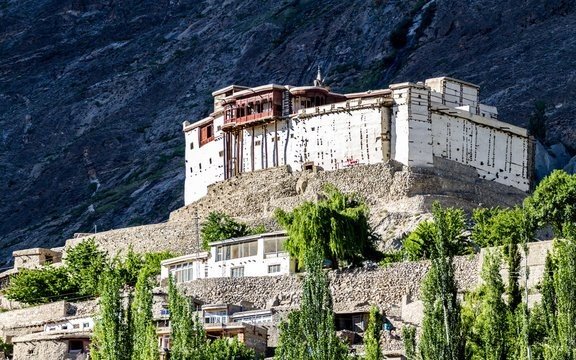
Karimabad is also the cultural heart of Hunza. Above the town sits Baltit Fort, the 700-year-old former seat of the Mirs of Hunza, its Tibetan-influenced architecture restored by the Aga Khan Trust for Culture and now on UNESCO’s World Heritage Tentative list. Three kilometres west lies Altit Fort, even older, cradled in gardens. Between them stretches the old settlement of Ganish, one of the oldest villages in the region, where traditional mosques built by Sufi saints still stand. Few towns of this size hold so much history within walking distance.
Then there is the living culture. For example, Hunza’s people — largely Ismaili Muslims, famed for their longevity, literacy, and hospitality — make Karimabad feel less like a tourist stop and more like a community that happens to welcome guests. Cherry blossom season in April turns the terraces pink and white; autumn paints them gold; winter brings snow and silence. Whatever the month, the town’s bazaar buzzes with dry-fruit sellers, gem shops, and cafés serving apricot cake with walnut tea.
Karimabad is perfect for travelers who want the north without the hardship: real mountains, real heritage, real comfort. Also, families find it safe and easy. In fact, photographers find it inexhaustible. Honeymooners find it romantic; trekkers use it as a base for some of the great day hikes of the Karakoram. It is, quite simply, the essential northern Pakistan experience — and the one town in the region that never disappoints.
History of Karimabad
Karimabad was originally called Baltit, and for centuries it was the capital of the princely state of Hunza, ruled by the Mirs (also titled Thams). The town served as a caravan stop for travelers journeying through the Hindu Kush mountains en route to the Vale of Kashmir. Its position on the trade routes between Central Asia, China, and the subcontinent gave it lasting strategic importance. The town’s stone-walled terraces were built up over generations to farm the steep slopes, a feat of mountain engineering that still defines its look today.
The core structures of Baltit Fort — the defensive stone and timber tower — date to the 8th century CE. Also, its architecture reflects Tibetan influences, with some resemblance to the Potala Palace in Lhasa. In fact, in the 16th century, Ayasho II, the Mir of Hunza, married Shah Khatun, a princess from Skardu and granddaughter of Ali Sher Khan Anchan. In addition, her father-in-law Abdal Khan sent Balti artisans who rebuilt the fort. The dowry included a cannon bearing the date 1539 CE. Altit Fort, three kilometres to the west, served as the original seat of Hunza’s rulers and is believed to be around 900 years old.
The Mirs of Hunza abandoned Baltit Fort in 1945 and moved to a new palace down the hill. The fort began to decay until a survey by the Royal Geographical Society of London prompted a restoration programme supported by the Aga Khan Trust for Culture’s Historic Cities Support Programme, completed in 1996. Locals still affectionately call it Baltit.. Still, the fort is now a museum run by the Baltit Heritage Trust. The town itself was renamed Karimabad in honour of Karim Aga Khan, the late spiritual leader of the Shia Ismaili Nizari community, to whom the people of Hunza are deeply devoted —
Top Things to Do in Karimabad
Tour Baltit Fort
The fort rises above the town on a rocky outcrop. Also, the 15–20 minute uphill walk from the bazaar is part of the pleasure — every turn opens a wider view of the valley. In fact, inside, guided tours (local guides are available at the entrance and well worth it) walk you through royal apartments, the Mir’s audience hall, ancient weapons. The famous 1539 cannon. The rooftop panorama — Rakaposhi, Ultar Sar, Ladyfinger Peak. The whole terraced valley — is one of the great views in Pakistan. The fort has been on the UNESCO World Heritage Tentative list since 2004.
Visit Altit Fort and its gardens
Older than Baltit and quieter, Altit Fort sits amid apricot orchards and beautifully restored gardens in the lower town. Also, the restoration here is exquisite — traditional stone and timber work, a serene garden with mountain views. A small café serving local food. It is the more contemplative of the two forts, and many visitors end up preferring it.
Sunrise at Duikar (Eagle’s Nest)
Duikar, known as Eagle’s Nest, lies to the north-west of town and offers the classic Hunza panorama: sunrise lighting up Rakaposhi, Diran, Golden Peak. Also, Ultar Sar in sequence. In fact, most hotels can arrange an early-morning jeep. It is the single best viewpoint in the area and a must for photographers.
Walk through old Ganish
Directly south of Karimabad lies Ganish, one of the oldest settlements in Hunza, where the Hunza and Nagar rivers meet. Also, its narrow lanes, carved wooden doors, and centuries-old mosques — among the oldest in the region — make it a living museum. In fact, walk it slowly in the late afternoon.
Day trip to Attabad Lake
The vividly turquoise Attabad Lake lies about 14 km north of Karimabad (a 30–40 minute drive on the Karakoram Highway). Also, formed by a landslide in January 2010, it is now a major attraction for boating and jet-skiing, with tunnels and lakeside restaurants. In fact, combine it with the Hussaini suspension bridge for a full day out.
Famous Places In and Around Karimabad
- Attabad Lake — turquoise lake 14 km north, boating and waterside cafés
- Hussaini suspension bridge — the famous swaying bridge over the Hunza River
- Passu cones and glaciers — the dramatic cathedral peaks of upper Hunza
- Nagar Valley — across the river, with Hopar Glacier and quiet villages
- Khunjerab Pass — the high border crossing with China, a long but spectacular day trip
How to Reach Karimabad
The classic route is the Karakoram Highway from Islamabad — roughly 600–650 km to Karimabad via Gilgit, a drive of 12–15 hours that most travelers split over two days with an overnight stop at Besham or Chilas. The highway is generally well-maintained, but landslides can close sections in winter and during monsoon, so check conditions before setting out. From Lahore, the journey is around 850–900 km and is best done over two days. From Karachi, fly to Islamabad (or Gilgit, if the connecting flight operates) and continue by road. The overland drive from Karachi is over 1,800 km and not recommended in one push.
The nearest airport is Gilgit Airport, about 100 km (2–3 hours) south of Karimabad. PIA operates flights from Islamabad, but they are highly weather-dependent and frequently cancelled. Also, From Gilgit, hire a car or jeep for the drive up the Karakoram Highway to Hunza. In fact, the road climbs through dramatic gorges and is an attraction in itself. Local buses, shared vans, and tour coaches run between Gilgit, Aliabad, and Karimabad. Hiring a local driver or 4×4 is recommended for exploring side valleys and viewpoints like Eagle’s Nest.
Route Details
- Islamabad → Gilgit: N-35 Karakoram Highway via Hassan Abdal, Abbottabad, Mansehra, Besham, Chilas, Jaglot (10–14 hours; overnight stop recommended).
- Gilgit → Karimabad: continue north on the KKH through the Hunza gorge, past the Rakaposhi viewpoint, to Aliabad; Karimabad is reached via the hill road from Aliabad (2–3 hours).
- By air: fly Islamabad → Gilgit (subject to weather), then drive 2–3 hours to Karimabad.
Where to Stay in Karimabad
Karimabad has the best-developed tourist accommodation in the north after Gilgit. Also, budget guesthouses around the bazaar offer simple, clean rooms at modest rates — ideal for backpackers. The mid-range tier is strong: family-run hotels on the main road and around the Baltit Fort viewpoint offer comfortable rooms, hot water, heating, and valley-view terraces, and many serve excellent local breakfasts. In fact, at the upper end, a few well-known resort-style hotels and boutique properties cater to honeymooners and foreign groups with full amenities. Karimabad is famous for its hospitality, and homestays with local families are increasingly popular. Book well ahead for cherry-blossom season (April) and the summer peak (June–August).
In winter, confirm heating and hot water before booking, and note that some properties close from December to February.
Where to Eat: Local Foods of Karimabad
Hunza’s cuisine is one of the highlights of any visit. Also, start with chapshuro, the celebrated Hunza meat pie — flatbread stuffed with minced meat, onion, and tomato, baked on a hot stone. Diram, a rich dish of pounded walnuts, butter, and apricot, is a traditional energy food of the mountains. Dawdo is a comforting wheat-noodle soup, and mamtu are steamed dumplings. For example, buckwheat dishes like gyal (buckwheat bread) reflect the valley’s high-altitude farming. In addition, finish with dried apricots, apricot juice, and tumoro herbal tea, and try the famous Hunza apricot cake sold in the bazaar’s cafés.
The main bazaar has everything from local dhabas to tourist restaurants serving Chinese and continental food. A hearty local meal is budget-friendly. The dry fruits — apricots, walnuts, almonds, cherries in season — are the best souvenirs you can eat.
Weather in Karimabad
At 2,500 metres, Karimabad enjoys a cool mountain climate with four distinct seasons. Summers are pleasantly warm rather than hot, winters are cold and snowy, and spring and autumn are the postcard seasons. Also, the town gets significant precipitation spread through the year, and weather can change quickly — always carry a layer.
| Season | Temperature Range | Conditions |
|---|---|---|
| Winter (Dec–Feb) | approximately -10°C to 5°C | cold with snowfall; crisp clear days; some hotels close |
| Spring (Mar–May) | approximately 5°C to 20°C | cherry and apricot blossom in April; fresh and green; excellent for sightseeing |
| Summer (Jun–Aug) | approximately 15°C to 30°C | warm days, cool nights; peak tourist season; occasional rain |
| Autumn (Sep–Nov) | approximately 0°C to 20°C | golden foliage, harvest season, clearest mountain views |
Language and Culture of Karimabad
The people of Hunza are predominantly Ismaili Muslims, followers of the Aga Khan, known across Pakistan for their emphasis on education, gender equality, and community service. Also, the main local languages are Burushaski (spoken in central Hunza), Wakhi (in upper Hunza). Shina, with Urdu and English widely understood in town. Visitors should dress modestly, though Hunza is notably relaxed by Pakistani standards. Ask before photographing people, remove shoes when entering homes and mosques, and accept offered tea — refusing hospitality is considered rude. The community’s pride in its valley is genuine; showing interest in local history and crafts is always welcomed.
Shopping in Karimabad
Karimabad’s bazaar is one of the most enjoyable shopping streets in the north. Also, stock up on dried apricots, apricot oil, walnuts, almonds, and cherry preserves — the valley’s produce is famous nationwide. In fact, handwoven woolen shawls, embroidered caps, and traditional Hunza coats make distinctive souvenirs. Gemstone shops sell rubies, aquamarine, and topaz from the region’s mines. Buy from established dealers and ask for certification on expensive pieces. Wooden handicrafts, carved walnut-wood boxes, and yak-wool products are widely available. Prices are generally fair, but bargaining is expected in the bazaar — politely. There are no shopping malls here; the bazaar itself is the attraction.
Local Events and Festivals
Karimabad celebrates Nawroz (Nowruz), the spring new year, in March with traditional music, dancing, and communal feasting — it coincides beautifully with the start of blossom season. Also, the cherry-blossom period in April. In fact, not a formal festival, is the valley’s most celebrated natural event and draws visitors from across Pakistan. In winter, some villages hold traditional sporting and cultural gatherings. Polo matches at the local ground are a summer fixture. Exact dates for cultural events vary each year, so check with your hotel or a local operator when planning.
Travel Tips for Karimabad
Packing Essentials
Layers are everything: even summer nights are cool at 2,500 m. Also, pack a warm jacket, sun protection (the mountain sun is strong), sturdy walking shoes for the fort climbs and village lanes. In fact, a reusable water bottle. In winter, bring proper cold-weather gear — temperatures drop well below freezing.
Safety Tips
Hunza is considered one of the safest regions in Pakistan for tourists, including solo and female travelers. Standard mountain precautions apply: stay on marked paths on hikes, carry water and snacks on day trips, and check weather before heading to high viewpoints. The Karakoram Highway can be affected by landslides — travel in daylight and check local updates.
Money & Connectivity
ATMs exist in Karimabad and Aliabad but can run dry in peak season — carry sufficient cash from Gilgit or Islamabad. Also, most hotels and larger shops accept cash only. Mobile coverage is reasonable in town (SCOM and Telenor work best in the region). Signals weaken on hikes and in side valleys. Wi-Fi is available in most mid-range and upper hotels.
Best Time to Visit Karimabad
Spring (April–May) — blossom season
The most magical time: cherry, apricot, and apple blossoms turn the terraces pink and white against snow peaks. Also, April is peak blossom and peak demand — book hotels well in advance.
Summer (June–August) — lush and lively
Green orchards, warm days, and full tourist services. Also, ideal for families and for combining Hunza with Khunjerab and the upper valleys. In fact, expect the biggest crowds.
Autumn (September–November) — golden Hunza
Many travelers’ favourite: poplar and apricot trees turn gold, the harvest is in, skies are at their clearest, and crowds thin. Also, october is superb for photography.
Winter (December–March) — snow and silence
Cold and quiet, with snow-dusted forts and empty viewpoints. Also, some hotels close, flights to Gilgit are unreliable. The KKH can be blocked — but for winter lovers it is unforgettable. Nawroz in March marks the turning of the season.
Final Thoughts
Karimabad earns every bit of its reputation. It is the rare destination that is simultaneously a deep cultural experience — two great forts, one of Pakistan’s oldest villages, a living Ismaili community — and an easy, comfortable holiday. Also, you can spend your days walking orchard lanes and your evenings watching Rakaposhi catch fire at sunset. You will understand why people who visit once keep coming back.
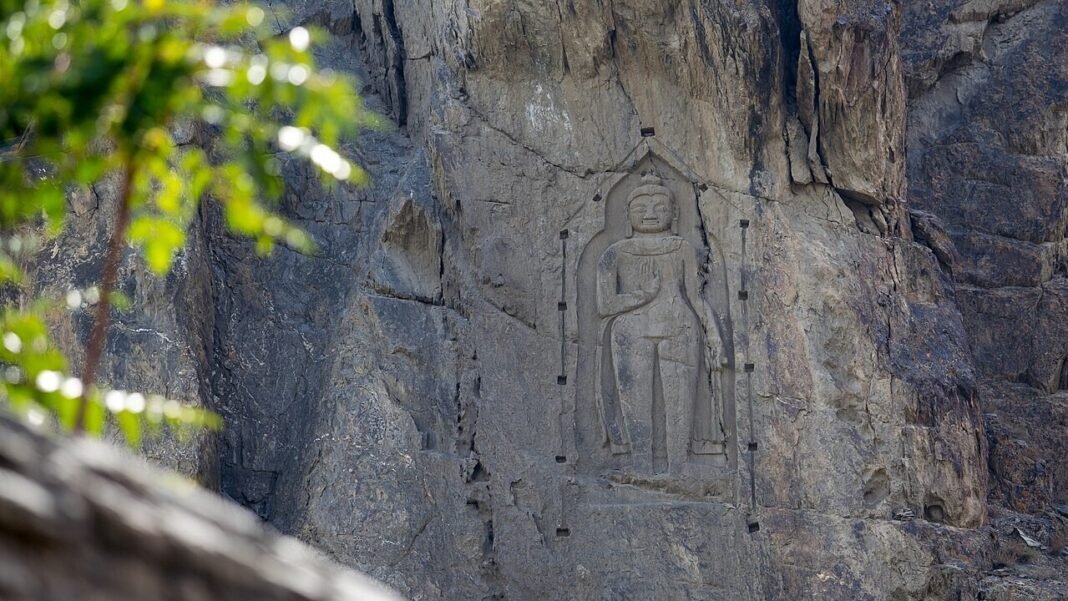
Use it as the anchor of a northern itinerary: pair it with upper Hunza and Attabad Lake, stop at Kargah Buddha on your way through Gilgit, and explore more ideas in our Explore Pakistan collection. However long you stay, Karimabad will not be the place you merely visited. Also, it will be the place you measure other journeys against.
FAQs
Where is Karimabad located?
Karimabad is the main town of lower Hunza Valley in Hunza District, Gilgit-Baltistan, on the west bank of the Hunza River, about 100 km north of Gilgit at an altitude of around 2,500 metres.
What is the best time to visit Karimabad?
April–May for cherry blossom, June–August for lush summer weather, and September–October for golden autumn and the clearest views. Winter is cold but beautiful for those prepared for it.
How do I reach Karimabad from Islamabad?
Drive the Karakoram Highway via Gilgit — roughly 600–650 km and 12–15 hours, usually split over two days. Also, alternatively, fly to Gilgit (weather permitting) and drive 2–3 hours north to Karimabad.
Is Karimabad safe for tourists?
Yes — Hunza is widely regarded as one of the safest tourist regions in Pakistan, welcoming to families, couples, and solo travelers including women.
Is Karimabad good for families?
Excellent. Also, the town is compact and safe, the forts and viewpoints involve only short walks, hotels cater well to families, and children love the bazaar, the lake trips. In fact, the fort stories.
Where should I stay in Karimabad?
The town has guesthouses, strong mid-range family hotels (many with valley views), and a few upscale resort-style properties. Also, book ahead for April blossom season and summer.
What local food should I try in Karimabad?
Chapshuro (Hunza meat pie), diram, dawdo noodle soup, mamtu dumplings, buckwheat dishes, dried apricots, apricot cake, and tumoro herbal tea.
What is special about Baltit Fort?
Baltit Fort’s core structures date to the 8th century with Tibetan-influenced architecture, it was rebuilt with Balti artisans in the 16th century, restored by the Aga Khan Trust for Culture in 1996. It has been on UNESCO’s World Heritage Tentative list since 2004.
Why was Baltit renamed Karimabad?
The town was renamed in honour of Karim Aga Khan, the late spiritual leader of the Shia Ismaili Nizari community, to whom Hunza’s people are deeply devoted. Locals still often call it Baltit.
Can I visit Attabad Lake from Karimabad?
Easily — the lake is about 14 km north on the Karakoram Highway, a 30–40 minute drive, and makes a perfect half-day trip for boating, often combined with the Hussaini suspension bridge.