Quick Facts
- Location: Quetta Valley, Balochistan; the archaeological mound of Killi Kechi Beg lies in the valley near the Kechi Beg locality, close to Sariab
- Altitude: Quetta city sits at around 1,650 metres (5,500 feet) above sea level
- Famous For: One of the Quetta Valley’s pre-Harappan archaeological sites, dating to approximately 3800–3200 BCE, which gave its name to the “Kechi Beg culture”
- Nearest City: Quetta itself; the site is within the city’s valley setting
- Accessibility: Reach Quetta by air, rail, or road; the archaeological area is best visited with local guidance as part of a heritage tour
- Known Landmarks: The Killi Kechi Beg mound, Kechi Beg railway station, and nearby Hanna Lake and Hazarganji-Chiltan National Park
- Best For: Archaeology and history enthusiasts, cultural travelers, and visitors exploring Quetta’s deep past beyond the usual sights
Why Visit Kechi Beg, Quetta
Let us be honest from the start: Kechi Beg is not a conventional tourist attraction. Also, there is no ticketed gate, no viewpoint, no souvenir shop. What there is, is far rarer: a quiet mound in the Quetta Valley where archaeologists uncovered a farming settlement from the developed Neolithic era, some 5,800 years old. It named an entire prehistoric culture after it. If you have ever wanted to stand where one of South Asia’s earliest chapters was literally dug out of the ground, this is that kind of place.
Kechi Beg rewards a particular kind of traveler. Also, the history obsessive who knows that Balochistan holds the keys to the Indus Valley story, from Mehrgarh’s 7,000-year-old farming villages to the Harappan cities that followed. The cultural traveler who has seen Quetta’s bazaars and Hanna Lake and wants the deeper layer underneath. For them, visiting the landscape of the Kechi Beg culture, then seeing its pottery and context in Quetta’s museums, is a genuinely thrilling day.
This kechi beg quetta travel guide treats the destination the way it deserves: as the anchor of a heritage-focused Quetta trip. Also, you will learn the real, dated archaeology of the site, how to reach Quetta and get around it, where the valley’s other ancient and natural wonders fit in, and how to travel this storied corner of Balochistan well and respectfully.
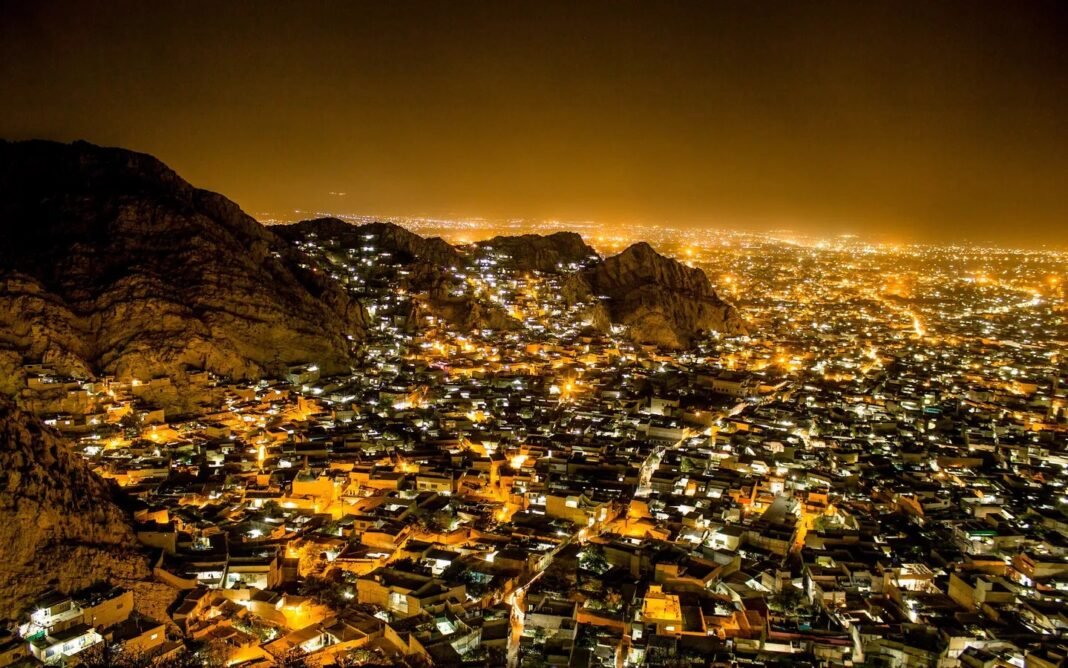
Quetta itself is worth the journey regardless: the “Fruit Garden of Pakistan,” a high valley city of orchards, dry-fruit bazaars, and mountain air, set on the historic Bolan Pass route that carried armies and caravans between Central and South Asia for millennia. Kechi Beg is the oldest story that valley has to tell, and it is a remarkable one.
History of Kechi Beg, Quetta
The archaeological story of Kechi Beg is precise and well documented. Killi Kechi Beg, as the site is formally known, is a prehistoric settlement mound in the Quetta Valley whose occupation traces back to approximately 3800–3200 BCE, during the developed Neolithic era of the pre-Harappan Indus Valley sequence. Meanwhile, it belongs to the Chalcolithic horizon of Balochistan, a family of sites dated broadly between 4500 and 1500 BCE that bridge the region’s first farming villages and the mature Indus civilization.
The site entered the archaeological record in 1943–1944. The British archaeologist Stuart Piggott identified it during his explorations of the region, working from ceramics known from the area. In the early 1950s, the American Museum of Natural History’s expeditions to Balochistan brought the American archaeologist Walter A. Fairservis to the mound. Fairservis, who gave the site the code Q14, dug an 8-by-3-metre trench 2.5 metres deep down to virgin soil, working around a later Muslim burial chamber that partially disturbed the trench.
A Culture Named After the Mound
What Fairservis found was a single cultural horizon, one clear period of occupation. This he named the Kechi Beg culture after the site itself. It corresponds to Period IV at the neighboring Quetta Valley site of Kili Gul Muhammad. Its distinctive pottery links it to a wider prehistoric world: similar ceramics appear at Damb Sadat near Quetta, at sites of the Kot Diji culture, and as far afield as Mundigak in Afghanistan and Shahr-i Sokhta in Iran, all dating to the last half of the third millennium BCE. In other words, the people of Kechi Beg were part of a connected ancient landscape, not an isolated village.
The broader Quetta region’s history runs even deeper. The valley sits on the natural corridor linking southern Afghanistan to the Indus plains via the Bolan and Khojak passes. Its archaeological sequence, studied since Fairservis’s pioneering work, traces continuous cultural development from the late fifth millennium BCE. Later history layered empires over the valley: the area was taken by Mahmud of Ghazni, passed through Mughal and Durrani hands. It was occupied by the British in 1876, who built Quetta into a garrison town. The modern Kechi Beg locality, with its railway station on the Pakistan Railways network, grew around this much later chapter. The mound remembers the earliest one.
Top Things to Do in Kechi Beg, Quetta
Visit the Killi Kechi Beg Archaeological Area
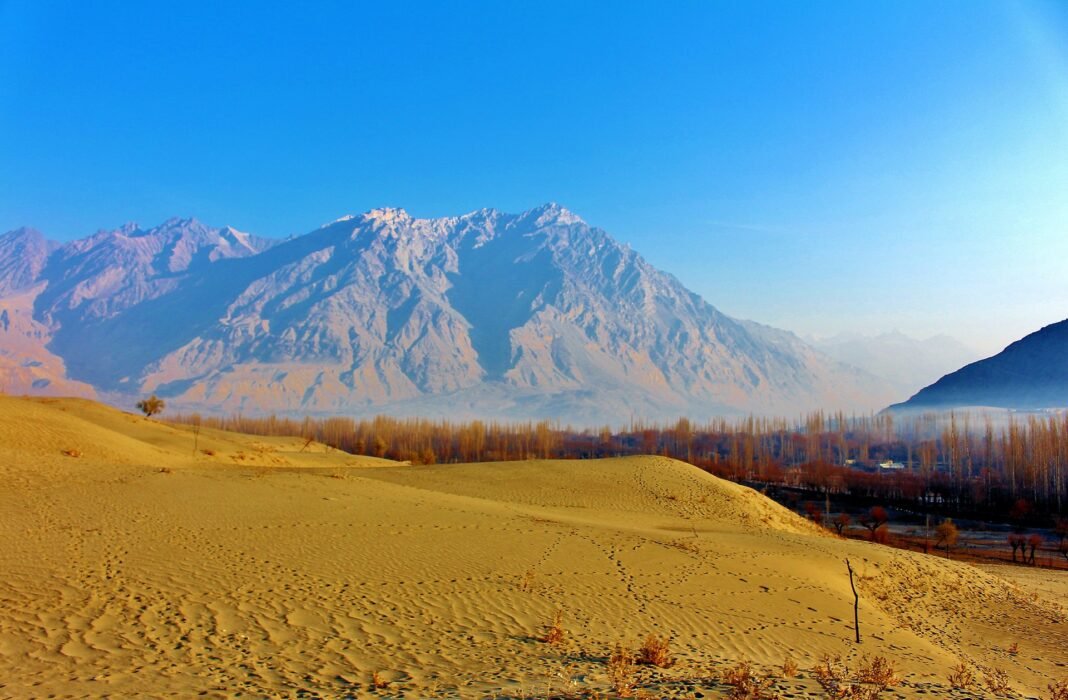
The heart of the trip is the mound landscape itself. This is an active archaeological zone rather than a developed attraction, so arrange the visit through a knowledgeable local guide or contact the provincial archaeology and museums department in Quetta beforehand. Also, standing on ground where a 5,800-year-old settlement was excavated, with the valley’s mountains ringing the horizon, is a powerful experience for anyone interested in deep history. Do not disturb the surface or collect artifacts; the site’s value lies in what remains in place.
See the Pottery at the Archaeological Museum of Balochistan
The essential companion to the mound visit is Quetta’s Archaeological Museum of Balochistan, where finds from the Quetta Valley’s prehistoric sites are displayed and interpreted. Also, Seeing Kechi Beg-type ceramics and the artifacts of neighboring cultures in a museum setting transforms the quiet mound into a vivid human story. In fact, (Archaeological Museum of Balochistan travel guide)
Walk the Old City and Bazaars
Quetta’s bazaars are a living museum of their own. Also, Liaquat Bazaar and the famous Kandahari Bazaar, renowned for dry fruits, are the places to experience the city’s trading soul, a direct descendant of its centuries as a caravan crossroads. In fact, the crowds, the colors, and the aroma of fresh and dried fruit make this essential Quetta time.
Day Trip to Hanna Lake
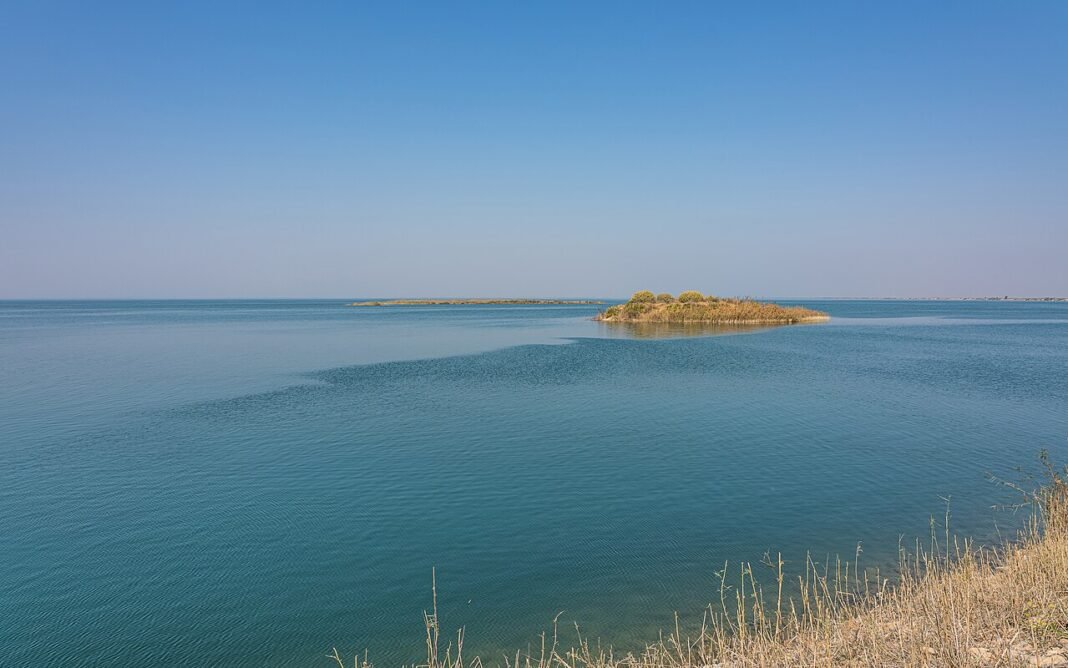
Hanna Lake, nestled in the hills a short drive from Quetta, is the city’s beloved picnic spot, with its small island pavilion and mountain backdrop. Also, it pairs naturally with a Kechi Beg heritage day: ancient history in the morning, the lake at golden hour. In fact, (Hanna Lake travel guide)
Explore Hazarganji-Chiltan National Park
Southwest of the city, this national park protects the rugged Chiltan range and its famous markhor, the screw-horned wild goat. Also, the dramatic mountain scenery offers a completely different face of the Quetta Valley from the archaeological lowlands. In fact, (Hazarganji-Chiltan National Park travel guide)
Drive the Historic Bolan Pass Route
The Bolan Pass, the legendary gateway between the highlands and the Indus plains, begins near Quetta. Also, even a partial drive along this historic corridor, with its stark gorges, connects you physically to the routes that shaped the region’s history for millennia. In fact, (Bolan Pass travel guide)
Famous Places In and Around Kechi Beg, Quetta
- Hanna Lake — Quetta’s famous hill lake and picnic destination.
- Hazarganji-Chiltan National Park — markhor country in the Chiltan mountains.
- Quetta’s Kandahari Bazaar — the legendary dry-fruit market.
- Bolan Pass — the historic mountain gateway south of the city.
- Quetta’s orchards — the apple, apricot, and cherry orchards that earned the city its “Fruit Garden of Pakistan” title, at their best in season.
How to Reach Kechi Beg, Quetta
Quetta is well connected despite its frontier setting, and most visitors fly in. Quetta International Airport receives regular domestic flights from Karachi, Islamabad. Lahore, though schedules can be affected by weather and operational factors, so confirm timings close to your travel date. The airport is a short drive from the city center.
From Islamabad: the practical option is the direct flight, roughly 1.5 hours. The road journey is very long, approximately 1,400–1,500 km via the motorway network and N-25, and realistically requires an overnight stop.
From Lahore: fly via Islamabad or Karachi connections, or take the long road route westward. Also, most travelers choose to fly.
From Karachi: regular flights connect Karachi and Quetta in about 1.5 hours. By road, the N-25 (RCD Highway) runs approximately 700 km, a full day’s drive of 11–12 hours through Khuzdar and the dramatic highland scenery of interior Balochistan.
By rail: Pakistan Railways connects Quetta with Karachi and Rawalpindi via overnight services, including the well-known Bolan Mail and Jaffar Express routes. The railway journey is slow but scenic and historic in its own right. Kechi Beg has its own small railway station (station code KFB) on the local network, a reminder of how the railway stitched this valley together.
Within Quetta, hire a car with a local driver for the day. Also, this is the most practical way to combine the archaeological area with the city’s other sights. Agree on the full itinerary and price before setting off.
Route Details
- Fly into Quetta International Airport (or arrive by rail/road) and base yourself in the city.
- Arrange a local guide or driver for a heritage day; contact the provincial archaeology department or a Quetta-based tour operator for access guidance to the Killi Kechi Beg area.
- Visit the archaeological area in the morning light, then the Archaeological Museum of Balochistan to see the finds in context.
- Spend the afternoon at Hanna Lake or in the Kandahari Bazaar to complete the Quetta experience.
Where to Stay in Kechi Beg, Quetta
Visitors stay in Quetta city, which offers the full range of accommodation, from well-established five-star and four-star hotels to comfortable mid-range hotels and budget guesthouses around the city center and cantonment areas. Also, for a heritage trip, a centrally located hotel keeps the museum, bazaars, and restaurants within easy reach.
Book reputable, well-reviewed properties and confirm your reservation directly, especially if arriving late at night. There is no accommodation at the archaeological site itself, nor any need for it. Quetta’s hotels serve the whole valley. As with any trip to the region, share your itinerary with your hotel and travel during daylight hours.
Where to Eat: Local Foods of Kechi Beg, Quetta
Quetta is one of Pakistan’s great food cities, and eating well here is half the trip. The signature dish is sajji, whole lamb or chicken slow-roasted over coals, traditionally cooked in a pit and served with kaak, the stone-baked Balochi bread. Rosh (also called dampukht), lamb slow-cooked in its own fat with minimal spices, is another Balochi classic worth seeking out.
The city’s chai culture is legendary: Quetta’s doodh patti and kahwa are institutions, best enjoyed at the old tea houses. Also, in season, the fresh fruits are extraordinary: apples, apricots, cherries, and grapes from the valley’s orchards, plus the dried fruits, nuts, and shilajit-adjacent mountain products of the Kandahari Bazaar. Restaurant meals in Quetta are generally budget-friendly. The famous sajji houses along the main roads serve generous portions at honest prices.
Weather in Kechi Beg, Quetta
Quetta’s high-altitude valley climate is one of its defining features: cold, sometimes snowy winters and pleasantly warm summers with cool nights. Also, the archaeological area is an open landscape. The comfortable months are also the practical months for exploring it on foot.
| Season | Temperature Range | Conditions |
|---|---|---|
| Winter (Dec–Feb) | Approximately −5 to 12°C | Cold; snowfall possible; crisp clear days between cold snaps |
| Spring (Mar–May) | Approximately 10–28°C | Pleasant and green; orchards in blossom and then fruit; ideal visiting season |
| Summer (Jun–Aug) | Approximately 20–35°C | Warm days, cool nights; Quetta’s famous summer escape weather |
| Autumn (Sep–Nov) | Approximately 8–25°C | Clear and comfortable; harvest season in the orchards |
Language and Culture of Kechi Beg, Quetta
Quetta is a cultural crossroads where Pashtun, Baloch, and Brahui communities meet. Also, pashto, Balochi, and Brahui are all spoken in the valley. In fact, Urdu works everywhere for visitors. The local culture blends tribal codes of honor and hospitality: guests are treated with formal warmth, and melmastia, hospitality, is taken seriously.
The region is conservative, so dress modestly and behave with the reserve that rural Balochistan expects. Always ask before photographing people. When visiting the archaeological area, remember it is a scientific and heritage site: take only photographs, leave everything as you found it, and follow your guide’s instructions. A respectful, low-key manner opens doors throughout the valley.
Shopping in Kechi Beg, Quetta
The Kandahari Bazaar is Quetta’s essential shopping experience: dried apricots, almonds, pistachios, pine nuts, and other dry fruits of exceptional quality, sold by traders who have worked these stalls for generations. It is the best place in Pakistan to stock up on dry fruits, and prices are generally better than in the big cities.
Beyond food, look for Balochi embroidery, traditional rugs and carpets, and woolen shawls in the city’s bazaars. Buy handicrafts from established shops where authenticity is assured. Also, there are no large modern malls defining the shopping scene here. Quetta’s commerce is bazaar commerce, and that is exactly as it should be.
Travel Tips for Kechi Beg, Quetta
Packing Essentials
Pack for altitude and sun: layered clothing for cool mornings and evenings even in summer, a warm jacket from November to March, sturdy walking shoes for the uneven ground of the archaeological area, sun protection, and a hat. Also, carry water and snacks for the mound visit, as there are no facilities on site.
Safety Tips
Quetta has experienced security challenges over the years, and conditions can change. Check current travel advisories before your trip, travel with a reputable local guide or driver, stick to daylight hours for sightseeing, and keep your hotel informed of your plans. Also, the main tourist areas, bazaars, and Hanna Lake are routinely visited by domestic travelers. The key is local guidance and sensible precautions, not avoidance.
Money & Connectivity
Carry sufficient cash: while Quetta city has banks and ATMs, smaller vendors, guides, and drivers operate in cash. It can be patchy in the surrounding hills.. Still, mobile coverage in Quetta city is generally good across the major networks, Arrange your guide and transport in advance rather than improvising on arrival.
Best Time to Visit Kechi Beg, Quetta
March to May: Spring, the Ideal Season
Spring is Quetta at its best: mild temperatures, blossoming and then fruiting orchards, clear air, and comfortable conditions for walking the archaeological landscape. This is the prime window for a Kechi Beg heritage trip.
September to November: Autumn’s Clarity
Autumn brings harvest season, crisp days, and excellent visibility for the valley’s mountain backdrop. Another excellent window for combining archaeology with the city’s other sights.
June to August: The Summer Escape
Quetta has been a summer refuge for over a century. Its warm days and cool nights remain pleasant when the plains swelter. A fine time to visit, though the midday sun on the open mound is strong.
December to February: Winter’s Quiet
Cold, occasionally snowy, and very quiet. The hardy traveler will find atmospheric winter light and empty sites, but pack serious winter clothing and confirm road conditions.
Final Thoughts
Kechi Beg will never compete with Pakistan’s blockbuster destinations on drama, and it was never meant to. Also, its power is quieter and older: a mound in a mountain valley where, nearly six thousand years ago, people farmed, made beautiful pottery. It traded across a world that stretched from the Indus to Iran. To stand there, and then to hold that story alongside Quetta’s living bazaars and orchards, is to experience the full depth of Balochistan.
Come for the archaeology, stay for the sajji and the chai, and leave with an understanding of Pakistan’s past that few travelers ever reach. Kechi Beg is the valley’s oldest story, and it is still waiting for more listeners.
FAQs
Where is Kechi Beg located?
Kechi Beg is a locality and archaeological zone in the Quetta Valley of Balochistan, near the Sariab area of Quetta city.
What is the best time to visit Kechi Beg, Quetta?
March to May and September to November offer the most pleasant weather for exploring the archaeological area and the city’s sights.
How do I reach Quetta?
Fly to Quetta International Airport from Karachi, Islamabad, or Lahore. Also, overnight trains and the N-25 highway from Karachi are the main land routes.
Is Quetta safe for tourists?
Quetta’s main sights are routinely visited by domestic travelers. Check current advisories, use a reputable local guide, travel in daylight, and keep your hotel informed of your plans.
What is the Kechi Beg culture?
A prehistoric cultural horizon of the Quetta Valley, approximately 3800–3200 BCE, named by archaeologist Walter Fairservis after the Killi Kechi Beg site he excavated in the early 1950s.
Can I visit the actual archaeological mound?
The area is an archaeological zone rather than a developed attraction. Visit with a knowledgeable local guide and coordinate with Quetta’s archaeology authorities or a local tour operator.
Where should I stay?
In Quetta city, which has hotels across all budgets. Also, there is no accommodation at the site itself.
What food is Quetta famous for?
Sajji (pit-roasted lamb or chicken), kaak bread, rosh/dampukht, legendary chai houses, and in season, the valley’s fresh and dried fruits.
Explore more of the country’s heritage in our Explore Pakistan series, and contrast the ancient south with the Malam Jabba travel guide up north.