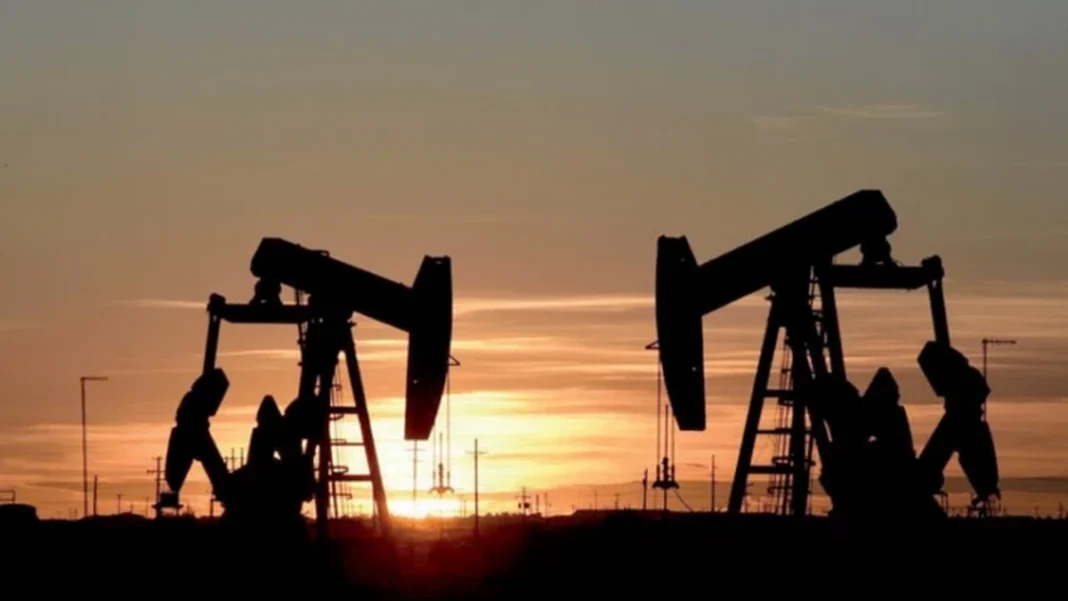
Brent crude held near a five-month high on Tuesday as traders priced in a geopolitical risk premium from Houthi attacks on Saudi infrastructure and reports of vessel attacks in the Gulf. The Brent crude five-month high followed a climb of 55 cents, or 0.50 per cent, to $110.10 a barrel. Futures touched $110.70 in the previous session, the highest since May 20.
What pushed prices higher
Oil prices advanced on Tuesday, keeping both major benchmarks near multi-month highs. The November WTI contract rose 0.24 per cent to $103.91, while the more-active December contract climbed 0.40 per cent to $98.93. ING analysts said prices remained well-supported and the market was pricing in a significant risk premium. Shipping tracker Kpler said at least 18 vessels had been attacked over the previous two weeks, which kept the premium in place. Yemen’s Houthis said on Monday they had attacked Saudi energy, airport and military targets. The claimed targets included an Aramco site in Yanbu, the Shaybah oilfield, Riyadh’s King Khalid International Airport and Abha airport. The renewed violence heightened fears about regional stability and kept oil above $100 a barrel. The story was first reported by Reuters via the Tribune and was also carried by Dawn.
Other forces moving the market
On Friday, US President Donald Trump signed an executive order waiving key Russia-related sanctions and tariffs. The waiver covers duties on goods and penalties for purchases of Russian energy. Trump said on Saturday a final decision was pending, while Secretary of State Marco Rubio said officials wanted more time. The International Energy Agency said Russia’s crude output rose by 65,000 barrels per day in September, reaching 8.43 million barrels per day, but stayed about 870,000 barrels per day below the level a year earlier. Tim Waterer, chief analyst at KCM Trade, said traders were far more focused on the risk of further damage to Gulf energy infrastructure than on any relief from extra Russian supply.
What it means for Pakistan
Pakistan imports most of the petroleum it consumes, so a sustained run above $100 a barrel pushes up import costs and pressures the fortnightly fuel price revision. The pressure lands just after the government cut petrol by Rs5.16 and diesel by Rs7.69 for October 20. If crude stays above $100, the next revision could swing the other way. Commodity trader Vitol has already warned that oil could reach $200 a barrel if the Gulf crisis deepens. Recent attacks on tankers near Hormuz have kept shipping risk in focus, while a possible closure of the Strait of Hormuz remains a major risk for importers. A separate signal from the IMF adds to the picture: the fund’s third staff-level report has not included the Saudi oil facility in its projected inflows for Pakistan for the financial years 2026-27 and 2027-28.
Will the Brent crude five-month high hold?
If oil flows continue uninhibited despite the geopolitical environment, the risk premium would likely erode slowly. Brent has surged nearly 80 per cent so far this year, driven by widening conflict involving the United States and Iran and the Russia-Ukraine war. US Energy Secretary Chris Wright has said crude flows rebounded to about 80 per cent of pre-war levels, though refined-product shipments stayed constrained.
Frequently asked questions
Why is Brent crude near a five-month high?
Brent futures rose to $110.10 a barrel on Tuesday. Traders priced in a geopolitical risk premium from Houthi attacks on Saudi infrastructure and at least 18 reported vessel attacks in the Gulf over two weeks.
What did the Houthis claim?
The Houthis said on Monday they attacked Saudi energy, airport and military targets. Saudi authorities did not immediately confirm the claims, and Reuters could not independently verify them.
How do high oil prices affect Pakistan?
Pakistan imports most of its petroleum, so crude above $100 a barrel pushes up import costs and pressures the fortnightly fuel price revision. The government had just cut petrol by Rs5.16 and diesel by Rs7.69 for October 20.
What is the Saudi oil facility issue with the IMF?
According to the fund’s third staff-level report, the IMF has not included the Saudi oil facility in its projected inflows for Pakistan. That covers the financial years 2026-27 and 2027-28.