Bank of England Rate Rises to 4% in First Hike Since 2023
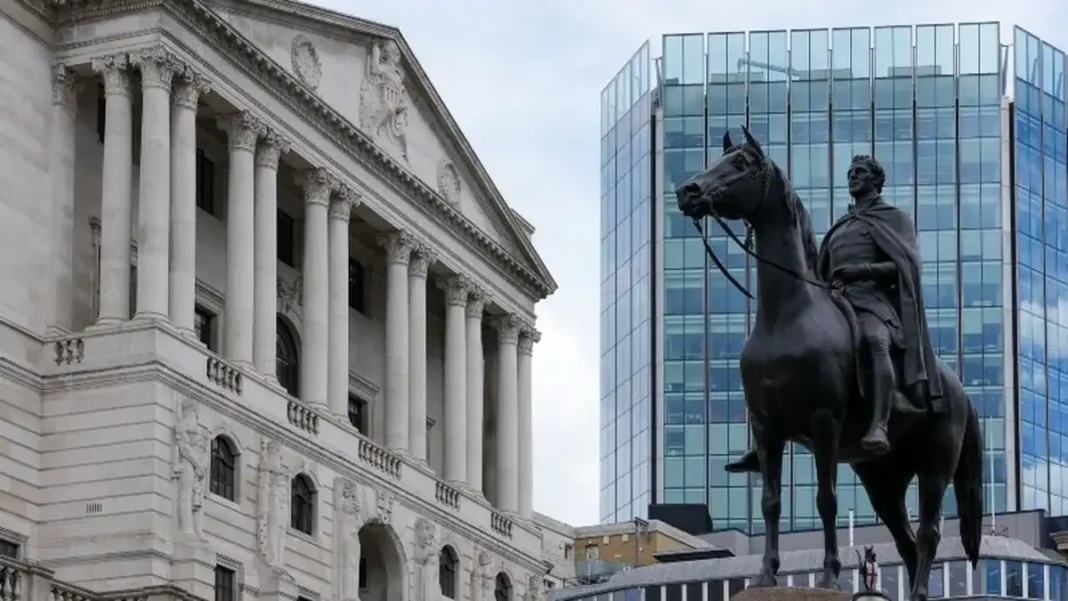
The Bank of England raised its benchmark interest rate to 4 per cent on Thursday, the first increase in more than three years, as soaring energy costs push up inflation in Britain and around the world.
The central bank tightened borrowing costs by a quarter point, catching up with the US Federal Reserve and the European Central Bank, which have both lifted rates since the start of the Middle East conflict. The Bank of England last raised its key interest rate in August 2023, and had kept the cost of borrowing at 3.75 per cent since December.
“There is now enough inflationary pressure in the pipeline caused by the rise in energy prices that an increase in Bank Rate is warranted,” Bank of England governor Andrew Bailey said in a statement.
Why the Bank of England rate went up
The decision was driven by energy. Disruptions to Gulf energy supplies owing to the US-Iran war have caused record-high diesel prices around the world, while Ukraine’s strikes on Russian refineries have added to the pressure on fuel markets.
Britain’s annual inflation rate accelerated by more than expected in September, rising to 3.5 per cent, well above the bank’s target of two per cent. The Bank of England said its central forecast saw UK inflation peaking at 4.9 per cent in the second quarter of next year.
Millions of Britons face a jump in energy bills from the start of 2027, even after the government offered some assistance in its annual budget announcement last week. The rate rise will add to the cost of mortgages and loans for households already squeezed by higher prices.
Bailey tried to calm fears of a long run of increases. “Today’s increase shouldn’t be seen as the first in an inevitable long sequence of hikes,” he said. “But, unless the conflict in the Middle East is resolved, neither does it seem likely to be the last increase.”
Despite surging inflation, the bank upgraded its forecasts for UK economic growth in 2026 and 2027. The central bank now estimates gross domestic product will hit 1.6 per cent this year and 1.3 per cent next year. In July, it had forecast growth of 1.1 per cent in both years.
What the rise means for Pakistan
The decision matters beyond Britain. The United Kingdom is one of Pakistan’s largest export markets, and a weaker British economy would hit demand for Pakistani goods. Pakistan’s exports to the UK rose 6.64 per cent to $612.3 million in the first quarter of 2026-27, even as overall exports to Europe slipped. A slowdown in British spending would put that growth at risk.
Currency markets also felt the move. The rupee gained 18 paisas against the British pound on Thursday, closing at Rs276.67 against the dollar for a 277th straight day of gains. A stronger pound after the rate rise would normally push the other way, but the rupee’s long run of gains has held through a year of global rate shifts.
The energy shock behind the Bank of England’s decision is the same one Pakistan is already living with. Petrol prices were cut by Rs7.06 per litre this month, yet the government has had to lean on refineries to share windfall profits to hold prices down. Disruptions around the Strait of Hormuz, where a tugboat fire hit tankers this week, keep the risk of another spike alive.
For Pakistani families with relatives in Britain, the rate rise cuts both ways. Higher UK rates support the pound, which helps the value of remittances sent home. But they also raise the cost of living for the senders, and higher mortgage costs in Britain leave less to send.
The Bank of England’s next decision will depend on whether energy prices ease. If the Middle East conflict drags on, Bailey has warned that further increases are likely. If it settles, the bank may hold at 4 per cent and wait for inflation to fall back towards its two per cent target.
Frequently asked questions
What did the Bank of England do?
It raised its benchmark interest rate by a quarter point to 4 per cent on Thursday, November 5. It was the first increase since August 2023.
Why did the bank raise rates?
Soaring energy costs linked to the US-Iran war and strikes on Russian refineries have pushed inflation higher. UK inflation reached 3.5 per cent in September, well above the bank’s two per cent target.
Will there be more rate rises?
Governor Andrew Bailey said the increase should not be seen as the start of an inevitable run of hikes, but added that it was unlikely to be the last increase unless the Middle East conflict is resolved.
What is the outlook for UK growth?
The bank upgraded its growth forecasts to 1.6 per cent for 2026 and 1.3 per cent for 2027, up from 1.1 per cent for both years in its July forecast.