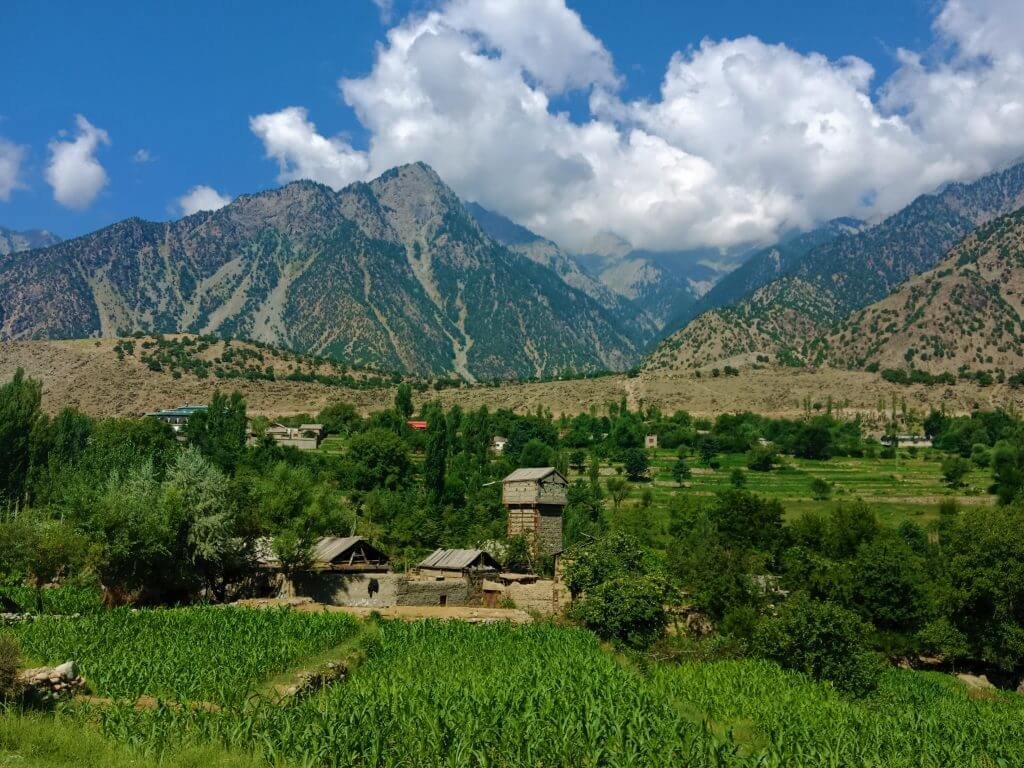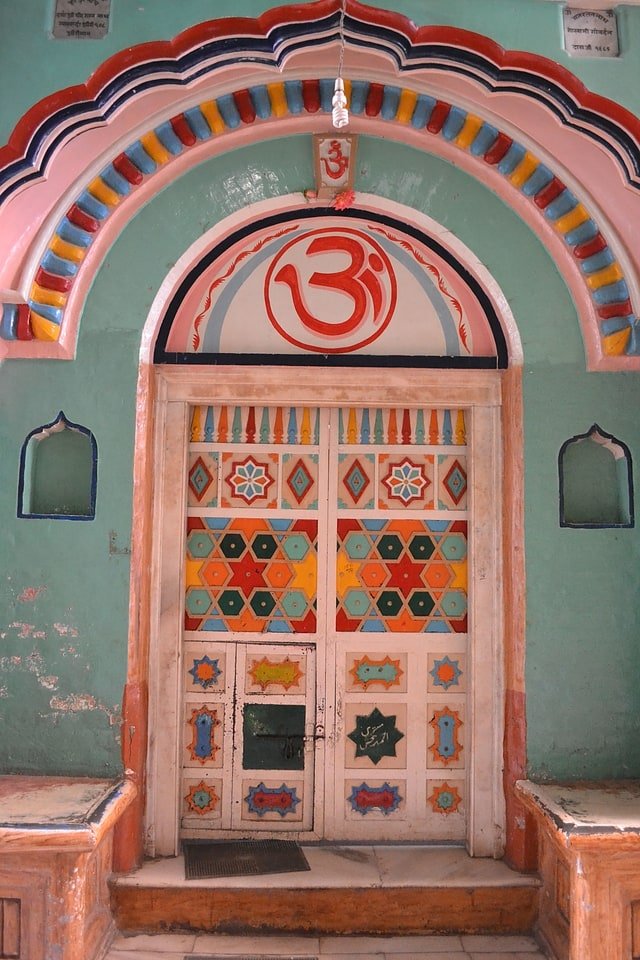
In the narrow lanes of Jhanda Bazar, in the beating heart of old Peshawar, stands a shrine with two names and one extraordinary story. Locals call it a dargah; its priests call it a mandir. Dedicated to the Nath saint Sri Ratan Nath and to Lord Shiva, the Dargah Pir Ratan Nath Jee is one of the last living Hindu temples of Peshawar — a place where a two-thousand-year-old spiritual tradition still holds daily prayers in a city that has seen empires rise and fall. If you want to understand the real, layered Peshawar beyond the headlines, this Dargah Pir Ratan Nath travel guide is your starting point.
Quick Facts
- Location: Jhanda Bazar, old city of Peshawar, Khyber Pakhtunkhwa, Pakistan
- Famous For: One of the few surviving Hindu temples in Peshawar, the Nath Shaivite tradition, and the annual Maha Shivratri festival
- Nearest City: Peshawar itself — the shrine sits in the old walled city
- Accessibility: Easy road access; around 30-40 minutes from Bacha Khan International Airport, and a short walk or rickshaw ride from Qissa Khwani Bazaar
- Known Landmarks: The temple sanctum with the Shiva lingam, the samadhi of Sri Ratan Nath, and the carved prayer halls
- Best For: Heritage travelers, spiritual seekers, photographers of old-city life, and anyone interested in interfaith history
Why Visit Dargah Pir Ratan Nath
Visit Dargah Pir Ratan Nath because there are very few places like it left. Of the thousands of Hindu worship sites that once dotted this region, only two temples in Peshawar remain open to the public and in daily use — this dargah and the Kalibari Mandir in the cantonment. To step inside is to witness a living tradition: morning and evening prayers, the washing of the Shiva lingam with milk, honey, and water, and a small devoted community keeping a centuries-old flame lit in one of Pakistan’s oldest cities.
The story behind the shrine is itself worth the trip. According to the sect’s own tradition, the great yogi Gorakhnath sent his disciple — Prince Ratan Nath of Nepal — from Kathmandu to Khorasan, the old name for this region, to spread the Nath teachings. When he arrived, a local ruler granted him land for his establishment, and under the influence of local language and culture, his Hindu monastery came to be known not as a mandir but as a dargah. The saint was given the title of “Peer” by the local people and became popular as Peer Ratan Nath. That a Hindu shrine carries a Muslim title of honor, and that Muslim rulers reportedly paid obeisance here, makes this one of Pakistan’s most powerful symbols of shared spiritual heritage.
Come during Maha Shivratri and the shrine comes alive. Devotees arrive from across Khyber Pakhtunkhwa for the three-day “Night of Shiv” — fasting by day, holding night vigils, and celebrating the divine marriage of Shiva and Parvati. Even outside festival time, the surrounding old city — the Sethi mansions, Qissa Khwani Bazaar, and Mahabat Khan Mosque — makes this one of the richest half-day heritage walks in Pakistan.
For travelers building a deeper picture of the country through our Explore Pakistan series, the dargah pairs naturally with the city’s other historic corners — including the peaceful Bagh-e-Naran in Peshawar — and with the northern mountains beyond, covered in our Malam Jabba guide.
History of Dargah Pir Ratan Nath
The dargah belongs to the Nath Panth, one of the great spiritual streams of Hinduism, founded by Baba Gorakhnath — the same tradition from which Nepal’s name “Gurkha” is derived. The Nath tradition claims a history stretching back over two thousand years, and it once flourished across what is now Pakistan: in the pre-partition era, Rawalpindi and Peshawar were known as the “Cities of Naths,” a fact highlighted by the Nepalese scholar Dr. Bholanath Yogi in a 2023 address at the Nepalese embassy in Islamabad.
The Peshawar dargah’s own story begins with Sri Ratan Nath, a disciple of Gorakhnath who journeyed from Nepal to Khorasan to carry the Nath message of hope, peace, humanity, and truth. Granted land by a local ruler, he established his seat here, took samadhi at the site, and anointed a successor — beginning a lineage that the tradition counts at thirty-one gurus. Following his example, successors dropped “Nath” from their names and carried the title “Das” instead. The dargah’s influence spread across undivided Punjab — to Amritsar, Jalandhar, and beyond — drawing followers especially from the Punjabi Khatri community.
The modern history of the shrine is one of survival. Partition and the decades that followed saw thousands of minority worship sites across Khyber Pakhtunkhwa leased, sold, or razed; today, only a handful of Peshawar’s old temples and gurdwaras remain, most of them closed. Dargah Pir Ratan Nath, managed under the Pakistan Hindu Council, endures as one of the two temples in the city open for daily worship. In January 2016, the shrine made headlines when unidentified assailants shot dead the policeman posted on guard at the temple — a reminder of the security challenges minority places of worship still face, and of the community’s quiet determination to keep the doors open regardless.
Top Things to Do in Dargah Pir Ratan Nath
Attend the Daily Prayers
Time your visit for the morning or evening aarti and observe the rituals of Shaivite worship: the bathing of the Shiva lingam, the offering of flowers and incense, and the chanting of devotees. As a non-Hindu visitor, you are welcome to watch respectfully from the side — dress modestly, remove your shoes where required, and keep your voice low.
Experience Maha Shivratri
If your trip falls on the 14th night of Phalgun in the Hindu calendar (usually February or March), do not miss the three-day Maha Shivratri celebrations. Devotees fast during the day and hold vigils through the night, and the shrine fills with worshippers from across the province. Arrive early, expect crowds, and follow the guidance of the temple volunteers.
Study the Shrine’s Architecture
Look closely at the building itself: handcrafted carvings and stonework carrying Hindu religious symbols, blended with local Peshawari architectural features. The dargah’s design reflects centuries of cultural mixing — a Hindu shrine shaped by the vocabulary of a Muslim-majority city, which is exactly why it is called a dargah at all.
Walk the Old City Around Jhanda Bazar
The shrine sits in one of Peshawar’s oldest quarters. Walk out into the lanes and you are in the middle of the historic city — spice shops, coppersmiths, and the famous storytellers’ bazaar. A local guide from the area can point out the Sethi Mohallah mansions and the nearby Gor Khatri complex, where the Gorakhnath Mandir opens once a year on Diwali by court order.
Meet the Community
Peshawar’s Hindu community is small but proud, and the dargah is its spiritual anchor. With respectful introductions — best arranged through a local guide — visitors can learn about the festivals, the lineage of the thirty-one gurus, and what it means to keep this tradition alive today.
Famous Places In and Around Dargah Pir Ratan Nath
- Gor Khatri — The ancient archaeological complex whose Gorakhnath Mandir opens once a year on Diwali.
- Sethi Mohallah — The stunning 19th-century merchant mansions of old Peshawar.
- Qissa Khwani Bazaar — The legendary “bazaar of storytellers,” a short walk away.
- Mahabat Khan Mosque — The 17th-century Mughal mosque, one of Peshawar’s architectural jewels.
- Peshawar Museum — Gandharan Buddhist art and the region’s archaeological treasures.
- Namak Mandi — Peshawar’s famous food street for tikka and karahi after your visit.
How to Reach Dargah Pir Ratan Nath
The dargah is in Jhanda Bazar in Peshawar’s old city — central, well-known locally, and easy to reach by road. Ask any rickshaw driver or taxi for “Dargah Pir Ratan Nath, Jhanda Bazar” and you will get there.
From Islamabad: About 180 km via the M-1 motorway, roughly 2.5 to 3 hours by car. Daewoo and other bus services run frequently between Islamabad and Peshawar.
From Lahore: About 520 km via the motorway network, roughly 6 to 7 hours by car, or a short domestic flight to Peshawar.
From Karachi: Fly to Bacha Khan International Airport, Peshawar (about 2 hours). The airport is 30-40 minutes from the old city by taxi or ride-hailing service.
Nearest airport: Bacha Khan International Airport, Peshawar.
Road conditions by season: The motorways are good year-round. Inside the old city, lanes are narrow and congested — park outside the bazaar area and walk or take a rickshaw for the last stretch, especially during festivals.
Transport options: Taxis, ride-hailing cars, auto-rickshaws, and Qingqi rickshaws all serve the old city. For a heritage walk covering the dargah, Sethi Mohallah, and Qissa Khwani, hire a local guide with a car for the half day.
Route Details
From the M-1, exit toward Peshawar city → Saddar/Cantt → Khyber Road toward the old city → Jhanda Bazar (near Karimpura). Park near the main bazaar road and walk into the lanes — the shrine is signposted locally and every shopkeeper knows it.
Where to Stay in Dargah Pir Ratan Nath
The dargah is a day-visit site, so most travelers stay elsewhere in Peshawar. The city offers options across budgets, and no specific hotel needs inventing — the pattern below covers what you will find.
Upper mid-range and business hotels: Clustered around Saddar, the cantonment, and University Road, these offer comfortable rooms, restaurants, and reliable Wi-Fi — a good base for a multi-day Peshawar trip.
Budget hotels and guesthouses: Found near the railway station, Hashtnagri, and the old city itself. Basic but adequate, and closest to the heritage quarters.
Heritage stay: A few restored havelis in the old city operate as guesthouses — atmospheric, though availability is limited, so book ahead.
Stay in Saddar or the cantonment for comfort and easy transport, or in the old city if you want to wake up inside the historic quarter.
Where to Eat: Local Foods of Dargah Pir Ratan Nath
You are in Peshawar, one of Pakistan’s great food cities, and the area around the dargah puts you within easy reach of its classics. The essential Peshawari dishes are chapli kebab — the spiced minced-meat patty the city is famous for — lamb karahi, and the char-grilled tikka of Namak Mandi, the food street that draws meat lovers from across the country. Kabuli pulao, with its sweet carrots and raisins, reflects the city’s Afghan connections, and no visit is complete without a cup of green qehwa and a plate of kulfi or Peshawari ice cream for dessert.
Around Jhanda Bazar and Qissa Khwani you will find small eateries and sweet shops serving the old city’s daily food — fresh naan, daal, and chai at prices that are genuinely budget-friendly. A full meal at a local eatery is inexpensive; Namak Mandi’s famous tikka platters cost more but are still reasonable by big-city standards. Eat where the locals eat, drink bottled water, and save room for dessert.
Weather in Dargah Pir Ratan Nath
Peshawar has a hot semi-arid climate: scorching summers, pleasant autumns and springs, and short, mild winters. The dargah is indoors and shaded, so it can be visited year-round — but the old-city walk around it is far more enjoyable from October to March.
| Season | Temperature Range | Conditions |
|---|---|---|
| Winter (Dec-Feb) | Around 5°C to 18°C | Mild and pleasant; occasional fog in December and January |
| Spring (Mar-May) | Around 18°C to 35°C | Warm and comfortable early on; heating up by May |
| Summer (Jun-Aug) | Around 30°C to 42°C | Very hot; plan old-city walks for early morning or evening |
| Autumn (Sep-Nov) | Around 18°C to 33°C | The most pleasant season for sightseeing |
Language and Culture of Dargah Pir Ratan Nath
The old city around the dargah speaks Hindko first, with Pashto and Urdu close behind — a linguistic mix that mirrors Peshawar’s position at the crossroads of South and Central Asia. Urdu works everywhere for visitors.
The dargah sits at an unusual cultural intersection: a Hindu shrine with a Muslim honorific name, kept alive by a small Hindu community in a deeply conservative city. The etiquette for visitors blends both worlds. Dress modestly and cover your shoulders and knees; women may want a headscarf. Remove shoes where the temple requires it, never photograph worshippers or rituals without explicit permission, and cooperate with the security check at the entrance — the shrine is guarded, and the guards are doing their job.
Beyond the shrine, old-city norms apply: greet shopkeepers warmly, bargain good-naturedly in the bazaars, and accept the tea that will inevitably be offered. Peshawar’s hospitality is legendary, and the lanes around Jhanda Bazar are full of people proud of their city’s 2,500-year history.
Shopping in Dargah Pir Ratan Nath
The bazaars around the dargah are among Peshawar’s oldest. Qissa Khwani Bazaar and the adjoining lanes sell everything from spices and dry fruits to brassware and traditional caps. Look for Peshawari chappals (the city’s famous leather sandals), khaddar cloth, embroidered waistcoats, and Afghan-style dry fruits — pistachios, pine nuts, and figs brought over the Khyber. The jewelry and cloth lanes near the old city gates are worth a wander. There is no need for a mall here; the bazaar is the shopping experience, and prices are negotiable with a smile.
Local Events and Festivals
Maha Shivratri (February/March): The dargah’s main festival, held on the 14th night of Phalgun in the Hindu calendar. The three-day celebration — fasting by day, night vigils, and the symbolic marriage of Shiva and Parvati — draws devotees from across Khyber Pakhtunkhwa and is the single best time to see the shrine at its most vibrant.
Diwali (October/November): Celebrated by Peshawar’s Hindu community with lights and prayers; the nearby Gorakhnath Mandir at Gor Khatri opens to the public once a year on this day by court order, making it a natural second stop.
Festival dates follow the Hindu lunar calendar and shift each year — check the exact dates before planning a festival trip.
Travel Tips for Dargah Pir Ratan Nath
Packing Essentials
Modest clothing that covers shoulders and knees, a light scarf, comfortable walking shoes for the old-city lanes, sun protection, and a small bag — large bags may be checked at the shrine entrance.
Safety Tips
The shrine has security screening; carry an ID and cooperate patiently. Visit during daylight hours, stick to the main bazaar lanes, and consider hiring a local guide who knows the old city. Peshawar is welcoming to tourists, but the old city is a maze — a guide saves hours.
Money & Connectivity
ATMs are easy to find in Saddar and the cantonment but scarce inside the old bazaar lanes — carry cash for shopping and rickshaws. Mobile signals are strong across Peshawar on all major networks.
Best Time to Visit Dargah Pir Ratan Nath
October to March — The Best Season
Mild temperatures make this the ideal window for walking the old city, visiting the shrine, and exploring the bazaars in comfort.
Maha Shivratri (February/March) — The Festival Season
If you want the shrine at its most alive, time your visit for the three-day Shivratri celebrations — but book your hotel early and expect crowds.
April to June — Warm but Manageable
Mornings are still fine for sightseeing; plan indoor or shaded stops for the hot afternoons.
July to September — Hot and Humid
The least comfortable season for old-city walking. If you must come, visit the shrine early in the morning.
Final Thoughts
Dargah Pir Ratan Nath is small in size and enormous in meaning. In a city where thousands of minority shrines have vanished, this one still opens its doors every day — still washes its lingam, still rings its bells, still welcomes the curious. It is proof that Peshawar’s famed hospitality extends to its oldest traditions, and that the city’s history belongs to everyone who has ever called it home.
Come for the history, stay for the old city, and leave with a deeper understanding of Pakistan’s plural past. Pair your visit with the Sethi mansions and Qissa Khwani, eat your weight in chapli kebabs, and add this quiet corner of Jhanda Bazar to your list of places that changed how you see the country. For more journeys into Pakistan’s heritage, explore our Explore Pakistan collection.
FAQs
Where is Dargah Pir Ratan Nath located?
The shrine is in Jhanda Bazar, in the old walled city of Peshawar, Khyber Pakhtunkhwa — a short walk or rickshaw ride from Qissa Khwani Bazaar.
What is the best time to visit Dargah Pir Ratan Nath?
October to March offers the most pleasant weather. For the festival experience, visit during Maha Shivratri, which falls in February or March on the 14th night of Phalgun.
How do I reach Dargah Pir Ratan Nath?
From Islamabad it is about 180 km via the M-1 motorway (2.5-3 hours). From Peshawar’s airport or Saddar, take a taxi or rickshaw to Jhanda Bazar in the old city.
Can non-Hindus visit the temple?
Yes. Respectful visitors of all backgrounds are welcome to observe the prayers. Dress modestly, remove shoes where required, keep quiet during rituals, and ask before taking photographs.
Is Dargah Pir Ratan Nath safe for tourists?
Yes. The shrine has security screening at the entrance. Visit during daylight, preferably with a local guide, and you will find Peshawar’s old city welcoming.
Is it suitable for families?
Absolutely. The visit is short, the old-city walk is fascinating for children, and nearby food streets make it an easy family half-day.
Where can I stay near Dargah Pir Ratan Nath?
Stay in Saddar or the cantonment for comfortable mid-range hotels, or in the old city itself for heritage guesthouses close to the shrine.
What food should I try near the dargah?
Chapli kebab, lamb karahi, Namak Mandi tikka, Kabuli pulao, qehwa, and kulfi — Peshawar’s essential flavors are all within easy reach of Jhanda Bazar.
Why is a Hindu temple called a “dargah”?
When the Nath saint Sri Ratan Nath established his seat here, local language and culture shaped its name: the people gave him the title “Peer,” and his Hindu monastery came to be known as a dargah rather than a mandir — a unique blend found almost nowhere else.