Quick Facts
- Location: upper Naltar valley, above Naltar Bala, Gilgit District, Gilgit-Baltistan
- Altitude: high alpine — around 3,000 metres above sea level (exact figure unverified; the valley sits well above 2,800 m)
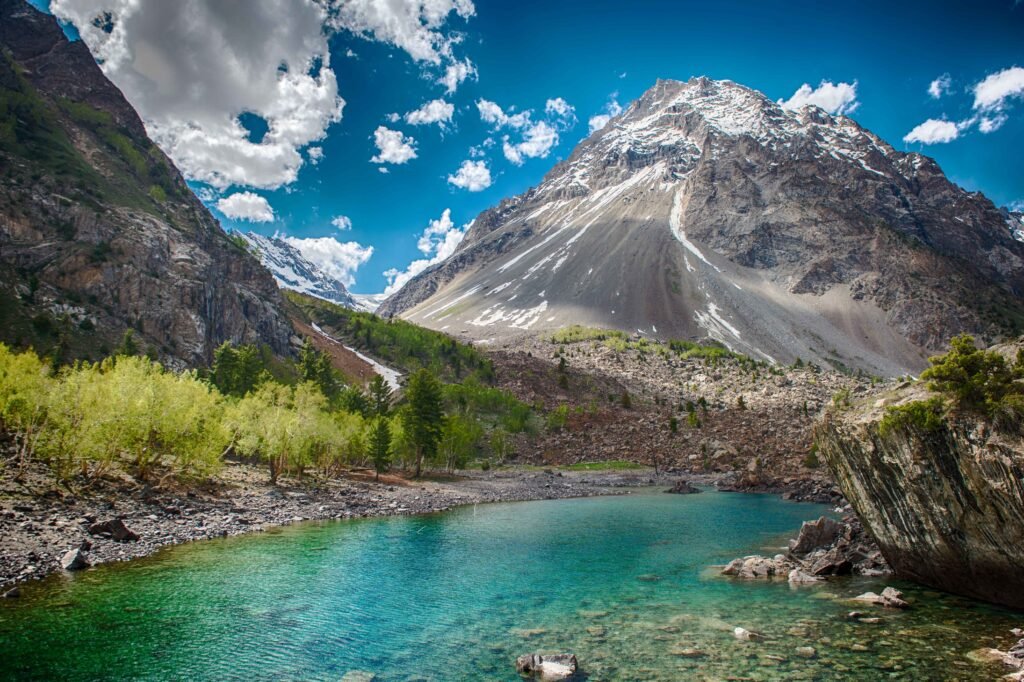
- Famous For: an intensely turquoise alpine lake set among meadows and snow peaks; a 3–4 hour trek or jeep ride from Naltar Bala; pairing naturally with nearby Satrangi and Blue lakes
- Nearest City: Gilgit (about 40 km to the Naltar valley turn-off)
- Accessibility: adventurous — jeep track from Gilgit to Naltar Bala, then trek or 4×4 onward; allow a full day from Naltar Bala
- Known Landmarks: Satrangi Lake, Blue Lake, Haleema Garden meadows, the pine forests of Naltar Bala
- Best For: trekkers, photographers, adventure travellers, and lake-chasers who have done the famous lakes and want the wilder one
Why Visit Firoza Lake
Pakistan’s north has no shortage of famous lakes — but the famous ones have crowds to match. Firoza Lake is the answer for travellers who want the turquoise water, the snow peaks and the alpine meadows without the tour-bus soundtrack. Tucked into the upper Naltar valley above Naltar Bala, it takes real effort to reach: a jeep ride up one of Gilgit-Baltistan’s rougher tracks, then a three-to-four-hour walk through some of the prettiest high country in Pakistan. Effort is the filter, and what it filters out is everyone who isn’t serious about being there.
This Firoza Lake travel guide is written for the chooser — the traveller deciding between the well-trodden circuit and the road less taken. Choose Firoza if you want the lake to yourself. Travellers who make the trek describe the moment of arrival the same way: the trail opens, the meadows part, and there it is — water so turquoise it looks lit from below, ringed by green pasture and white peaks. It is the kind of colour that makes people put the camera down and just stand there for a while.
Who is it perfect for? Trekkers who want a genuine full-day mountain walk with a world-class payoff. Photographers chasing alpine water in its most saturated form — morning light on Firoza is extraordinary. And lake collectors: if you have ticked off the Blue and Satrangi lakes of Naltar, Firoza is the third jewel in the set, the one your friends have not heard of. It is not for small children, anyone with mobility issues, or travellers on a tight schedule — this lake demands a day and rewards it.
When to go is non-negotiable: June to September, when the high valley is snow-free, the track is open and the lake shows its famous colour. Outside that window the valley belongs to winter — beautiful, but a serious expedition, not a day trip.
History of Firoza Lake
Firoza Lake has no recorded history in the way a fort or a city does — no emperor built it, no battle was fought on its shores. Its story is the story of the Naltar valley itself, and that story is worth knowing because it explains why this lake stayed hidden so long.
Naltar is a high valley running west of Gilgit, long inhabited by Shina-speaking mountain communities who grazed livestock in its summer pastures and cut its famous pine and juniper forests in winter. For centuries the valley was known locally for its meadows and grazing, not its lakes — the upper lakes sat above the villages, visited by shepherds and hunters rather than travellers. The valley’s modern fame began with its forests and later its ski slopes: Naltar is home to one of Pakistan’s oldest ski setups, and for decades the name “Naltar” meant skiing and pine forests to Pakistani travellers, not lakes.
The lakes changed that. As Pakistan’s northern tourism exploded in the 2010s, word spread of the coloured lakes above Naltar Bala — first the Blue Lake and Satrangi Lake, reached by the rough jeep track from the valley floor, and then Firoza, the highest and hardest to reach of the three. Travel vloggers and trekking groups began documenting the full-day trek from Naltar Bala, and Firoza Lake entered the itineraries of serious northern-Pakistan travellers as the “third lake” — the one you earn. Today it sits at the adventurous end of the Naltar experience: not a viewpoint you drive to, but a destination you walk to, in a valley whose communities are still adjusting to what tourism means for their pastures and forests.
Top Things to Do in Firoza Lake
Trek from Naltar Bala to the Lake
The classic Firoza experience is the walk: three to four hours up from Naltar Bala through pine forest and high meadows, gaining altitude steadily until the lake reveals itself. The trail is a proper mountain walk rather than a stroll — uneven in places, with real elevation gain — so wear boots, carry water and pace yourself. Go with a local guide if it is your first time; the upper valley has side trails and grazing routes that can confuse newcomers, and a guide from Naltar Bala knows the conditions of the day.
Take the Jeep (and Walk Back)
If the full trek both ways is more than your group wants, the local compromise is well established: take a 4×4 jeep as far up as the track allows, then walk the remaining stretch — or jeep up and walk back down, which is easier on the knees and gives you the trail experience with half the effort. Jeeps are hired at Naltar Bala; agree the price and the pickup point before you set off, and confirm whether the driver waits or returns for you.
Pair It with Satrangi and Blue Lakes
Firoza makes a natural trio with Naltar’s two more accessible lakes. Satrangi (“seven-coloured”) Lake and the Blue Lake are both reached from Naltar Bala by shorter walks or jeep rides, and most visitors do all three across one long day or two relaxed days. The contrast is the point: each lake has its own colour and character, and Firoza — the highest, the bluest, the hardest won — is the finale.
Picnic in the Meadows
The meadows around Firoza’s shore are made for a slow lakeside picnic — flat grass, mountain air, and a view that does all the entertaining. This is a Leave No Trace destination: carry out every wrapper and bottle, avoid trampling the fragile lakeside vegetation, and keep noise down for the grazing livestock and wildlife. What you carry up, you carry down.
Photograph the Turquoise Water
Firoza’s colour is the reason most people come, and it photographs best in the middle of the day when the sun is high over the water — the turquoise saturates to an almost unreal blue-green. A polarising filter helps cut the glare. But the honest advice from everyone who has been: take your photos, then put the camera away. The lake is better experienced than captured.
Stop at Haleema Garden
On the trekking route sits Haleema Garden, a peaceful, picturesque meadow spot that travellers consistently name as a highlight of the walk up. It is a natural rest point — shade, grass, and views back down the valley — and a good place to catch your breath before the final push to the lake.
Famous Places In and Around Firoza Lake
- Satrangi Lake — the “seven-coloured” lake of Naltar, reached from Naltar Bala
- Blue Lake, Naltar — the valley’s most photographed lake, a shorter trip from Naltar Bala
- Haleema Garden — the scenic meadow rest-stop on the Firoza trek
- Naltar Bala village — the trailhead settlement with its pine forests and grazing meadows
- Naltar Valley ski slopes — Pakistan’s classic ski area, lower down the valley (winter)
- Gilgit city — the regional hub for supplies, jeeps and onward travel; see our Hunza Valley travel guide for the region’s most famous neighbour
How to Reach Firoza Lake
Reaching Firoza is a two-stage journey: first get to the Naltar valley, then get up to the lake. The valley turn-off is about 40 km from Gilgit city; from there a rough jeep track climbs to Naltar Bala, the last settlement and the trailhead. From Naltar Bala it is three to four hours on foot — or a shorter jeep ride plus a walk — to the lake. Allow a full day from Naltar Bala for the round trip.
From Islamabad (about 480 km, 14–16 hours by road): the Karakoram Highway via Mansehra and Besham is the classic route to Gilgit — a long, spectacular, exhausting drive that most travellers split over two days with a night halt. In summer, the Babusar Pass route (via Naran) is shorter and stunning, but it closes in winter. From Lahore: drive or bus to Islamabad first, then follow the Islamabad route. From Karachi: fly to Islamabad and continue by air or road to Gilgit.
Nearest airport: Gilgit Airport, with PIA flights from Islamabad (about an hour, highly weather-dependent — build buffer days into your plan). From Gilgit, hire a 4×4 jeep for Naltar; ordinary cars cannot handle the valley track. Road conditions: the KKH to Gilgit is paved but mountainous, with landslide-prone sections; the Naltar valley track is unpaved, steep and rough — jeep-only, and impassable in heavy snow. Transport options: NATCO and private buses run Islamabad–Gilgit; from Gilgit, jeeps to Naltar are hired through hotel contacts or the jeep stand. Travelling with a tour operator who knows the valley removes most of the logistics headache.
Route Details
- Reach Gilgit by PIA flight from Islamabad (fastest, weather permitting) or by road via the Karakoram Highway.
- In Gilgit, arrange a 4×4 jeep for Naltar valley — agree the fare, the waiting arrangement and the return pickup in advance.
- Drive the jeep track up the valley to Naltar Bala (2–3 hours of rough but spectacular road); stay overnight here if arriving late.
- From Naltar Bala, start early: trek 3–4 hours to Firoza Lake (or jeep partway and walk the rest).
- Spend 1–2 hours at the lake, picnic, photograph — then trek back to Naltar Bala before late afternoon, when mountain weather turns.
- Return to Gilgit the same day or overnight in Naltar and descend the next morning.
Where to Stay in Firoza Lake
There is no accommodation at the lake — you sleep in the valley or in Gilgit. Plan your nights around the trek, not the other way round.
Luxury: Gilgit Serena Hotel in Gilgit city is the region’s landmark upscale property — a comfortable, well-run base for the night before and after your Naltar excursion. Mid-range: Naltar Palace Hotel in the Naltar valley is a popular, comfortable stay specifically used by travellers doing the lakes circuit; Gilgit city also has a spread of mid-range hotels. Guesthouses: simple guesthouses and rooms cluster around Naltar Bala and the lower valley — basic but welcoming, often run by local families, and the best source of current track and weather advice. Camping: experienced trekkers camp in the upper valley meadows with full gear (tent, sleeping bag rated for near-freezing nights even in summer, stove and all food). There are no facilities at the lake — this is genuine wilderness camping, for self-sufficient groups only. Our advice for most visitors: one night in the valley before the trek, the trek itself as a day trip, and back to Gilgit after.
Where to Eat: Local Foods of Firoza Lake
Eat in the valley, not at the lake — carry your day’s food up with you. Naltar’s eateries and your guesthouse kitchen serve the hearty mountain food of Gilgit-Baltistan: chapshoro (the region’s beloved meat-filled flatbread, fried crisp and eaten hot — travellers stop for it at roadside points like the Nagar Rakaposhi Food Point on the way in), hearty daal and vegetable curries, fresh tandoori-style roti, and river trout where available.
Do not miss the local staples if your guesthouse offers them: mamtu (steamed dumplings), salt tea (namkeen chai, an acquired taste that grows on you at altitude), and dried apricots and apricot oil — the valley’s signature produce. For the trek itself, pack a proper picnic: parathas, boiled eggs, dry fruit, biscuits and at least two litres of water per person. There are no shops beyond Naltar Bala. A guesthouse dinner in the valley is inexpensive and generous; in Gilgit city, the main bazaar has everything from dhabas to decent restaurants at standard northern-Pakistan prices.
Weather in Firoza Lake
Firoza sits at high alpine altitude, so its weather follows mountain rules: a short, glorious summer; long, severe winters; and rapid changes at any time. The lake is only sensibly accessible from June to September. Outside that window, snow closes the upper valley to everyone but serious winter expeditions. Even in summer, mountain weather can turn by afternoon — start treks early.
| Season | Temperature Range | Conditions |
|---|---|---|
| Winter (Dec–Feb) | around -15 to 0°C | Deep snow; valley largely inaccessible. Not a tourist season. |
| Spring (Mar–May) | around 0–15°C | Snow melting; tracks muddy and unreliable. Late May can work for the lower valley only. |
| Summer (Jun–Sep) | around 10–25°C | The season. Clear days, cool nights, open tracks, the lake at its bluest. Afternoon clouds possible. |
| Autumn (Oct–Nov) | around -5 to 12°C | Golden larches and crisp air, but snow can arrive early and close the upper track without warning. |
Language and Culture of Firoza Lake
The Naltar valley is Shina-speaking — Shina is the mother tongue of Gilgit’s historic communities — with Urdu understood everywhere and used with visitors. The valley’s people are mountain agriculturalists and herders: hospitable, self-reliant, and deeply connected to their pastures and forests. Islam is central to daily life here, and the culture is conservative and traditional.
For visitors, the key etiquette is environmental as much as social: this is a working landscape of pastures, forests and grazing routes, not a theme park. Stay on established trails, do not cut through meadows or fields, ask before photographing people (especially women), dress modestly, and respect that the upper valley is community and grazing land. Hiring local guides and jeeps, eating at local guesthouses, and buying local dry fruit are the direct ways your visit supports the valley.
Shopping in Firoza Lake
There is nothing to buy at the lake, and very little in the upper valley — come self-sufficient. Your shopping happens in Gilgit city before you head up: stock up on dry fruits (Hunza-Nagar apricots, almonds, walnuts), trail snacks, and any gear you forgot. Gilgit’s bazaars also sell the region’s famous handicrafts — woolen shawls and caps, gemstones, and woodwork — at far better prices than you will find down-country. Buy the apricots; they are the valley’s gold, and they make the perfect trekking fuel.
Travel Tips for Firoza Lake
Packing Essentials
Broken-in trekking boots, layered clothing (base, fleece, windproof shell), sun protection (the high-altitude sun is fierce), at least 2 litres of water per person, a full picnic, a basic first-aid kit, a headlamp, and a power bank. Trekking poles help on the descent. Carry a rubbish bag — there are no bins in the upper valley.
Safety Tips
This is genuine mountain terrain: start early, turn back if weather builds, and never trek alone. Altitude affects some visitors — pace yourself and hydrate. The jeep track is rough; use experienced local drivers and wear seatbelts where fitted. Mobile signal is patchy to nonexistent in the upper valley — tell your hotel your plan and expected return time. In an emergency, your guide and fellow trekkers are your safety net.
Money & Connectivity
Carry all the cash you will need in Pakistani rupees — there are no ATMs beyond Gilgit, and none in the valley. Agree jeep and guide prices in advance. Mobile networks (SCO/SCom works best in GB, with Jazz and Telenor patchy) fade out above Naltar Bala; download offline maps before you leave Gilgit.
Best Time to Visit Firoza Lake
Summer (June to September) — the only real season
This is when Firoza is accessible and at its best: snow-free trails, the lake’s famous turquoise at full saturation, meadows in flower, and long daylight for the trek. July and August are peak — go on weekdays for thinner crowds. Start the trek by 7–8 am.
Late Spring (May) — possible, not promised
The lower valley opens up, but the upper track to Firoza may still hold snow. Only attempt on local advice, and be ready to turn back.
Autumn (October) — beautiful, risky
Golden colours and empty trails — but the first heavy snow can close the upper valley any time from mid-October. A gamble for experienced, flexible travellers only.
Winter (November to April) — closed
Deep snow seals the upper valley. Firoza in winter is an expedition, not a visit — leave it to the mountaineers.
Final Thoughts
Firoza Lake is not the easiest lake in Pakistan to reach, and that is exactly why it matters. In a region where the famous lakes now come with parking lots, Firoza still asks something of you — a jeep ride, a long walk, a full day — and pays it back with interest: water like liquid turquoise, meadows like a film set, and the rare, real feeling of having earned the view.
If your northern-Pakistan itinerary has room for one genuine adventure between the comfortable stops, make it this one. Trek up from Naltar Bala on a clear July morning, stand on Firoza’s shore, and you will understand why the travellers who know these mountains rank it among the most beautiful lakes in Gilgit-Baltistan.
FAQs
Where is Firoza Lake located?
In the upper Naltar valley, above Naltar Bala village, in Gilgit District, Gilgit-Baltistan — about 40 km from Gilgit city to the valley turn-off.
What is the best time to visit Firoza Lake?
June to September, when the valley is snow-free and the tracks are open. The lake is effectively inaccessible in winter.
How long is the trek to Firoza Lake?
Three to four hours on foot from Naltar Bala each way. You can shorten it by taking a jeep part of the way and walking the rest.
Can I visit Firoza, Satrangi and Blue lakes together?
Yes — all three are reached from Naltar Bala and are commonly combined across one long day or two relaxed days.
Is Firoza Lake safe for families?
It suits active, older children and fit adults; the trek and the rough jeep track make it unsuitable for small children or anyone with mobility issues.
Where can I stay near Firoza Lake?
In the Naltar valley (Naltar Palace Hotel, local guesthouses around Naltar Bala) or in Gilgit city (including Gilgit Serena Hotel). There is no accommodation at the lake itself.
What should I eat on the trek?
Carry a full picnic from the valley — parathas, eggs, dry fruit and plenty of water. In the valley, try chapshoro, trout and local guesthouse cooking.
Do I need a guide for Firoza Lake?
Strongly recommended for first-timers — a local guide from Naltar Bala knows the trail, the weather signs and the jeep arrangements.
For more northern adventures, browse our Explore Pakistan collection, pair this with our Malam Jabba travel guide, or read our Attabad Lake travel guide for another legendary northern lake.