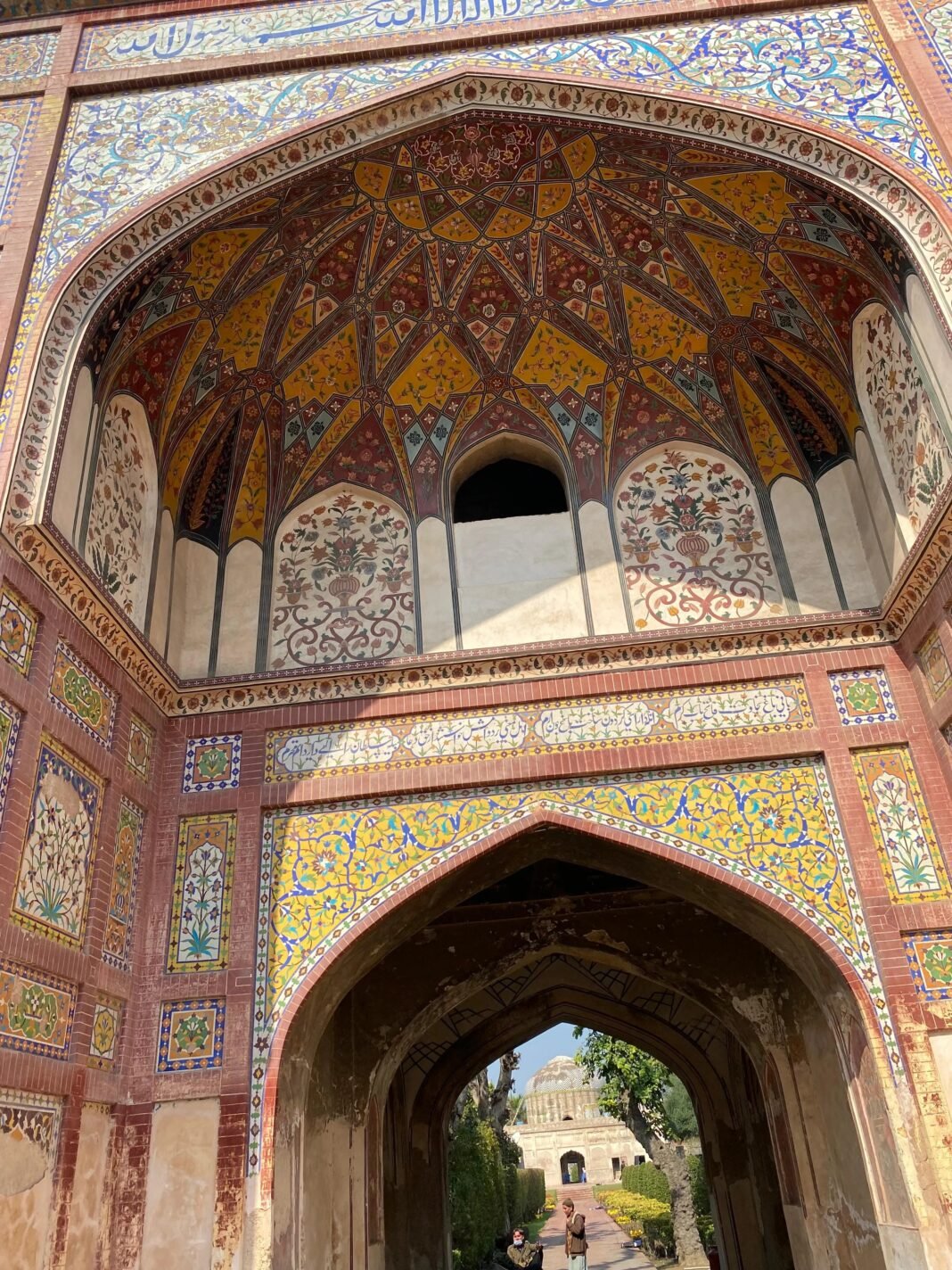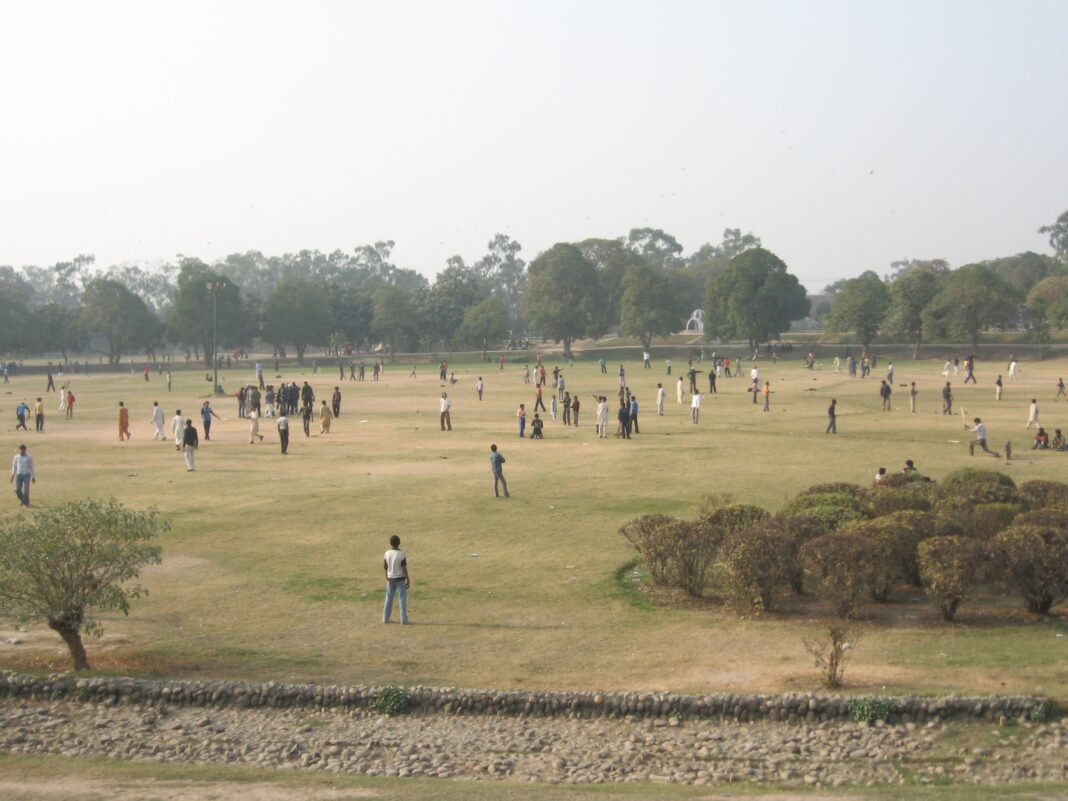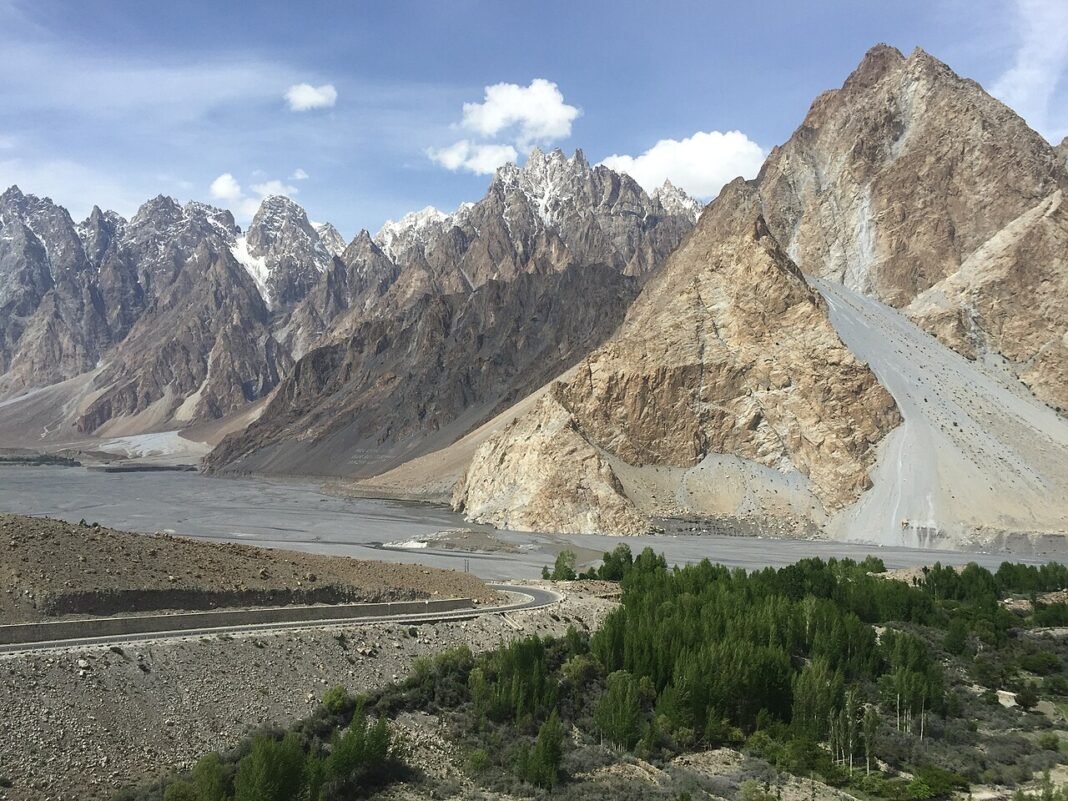
Every traveller who falls in love with Hunza eventually asks the same question: where do the mountains feel most alive? Ask around the Karakoram Highway long enough and one name keeps coming up — Gulmit. The old summer capital of the Hunza state, the administrative heart of Gojal, a centuries-old Wakhi town set at around 2,400 metres with the serrated Passu Cones on its skyline and glaciers within an afternoon’s walk. This is not the Hunza of tour-bus viewpoints; this is the Hunza where the Mir once held court, where a 600-year-old house still stands, and where apricot orchards glow gold every autumn. If you are choosing your next northern destination, this gulmit travel guide will show you why Gulmit deserves to be it.
Quick Facts
- Location: Gojal (Upper Hunza), Hunza District, Gilgit-Baltistan, Pakistan — on the Karakoram Highway
- Altitude: Around 2,400–2,500 metres (roughly 8,000 feet) above sea level
- Famous For: The old summer capital of Hunza state; views of the Passu Cones (Tupopdan); Wakhi culture; the 600-year-old Old House; Ondra Fort
- Nearest City: Gilgit (about 147 km downriver); Aliabad and Karimabad in central Hunza are roughly an hour away
- Accessibility: Directly on the KKH — reachable by car, coaster or public van from Gilgit; nearest airport Gilgit (weather-dependent flights from Islamabad)
- Known Landmarks: Passu Cones (6,106 m), the historic Polo Ground and Summer Palace of the Mir, Ondra Fort, Attabad Lake (downstream)
- Best For: Mountain lovers, photographers, culture seekers, trekkers, families wanting a gentler Hunza base
Why Visit Gulmit
Gulmit is Hunza with the volume turned down and the authenticity turned up. While Karimabad gets the crowds, Gulmit — the tehsil headquarters of Gojal and, before 1974, the summer capital of the Hunza state — offers the same cathedral peaks and glacier air with a quieter, older soul. Around 4,000–5,000 Wakhi people live here in centuries-old hamlets with names like Kamaris, Odver, Dalgiram, Laksh, Kalha, Shawaran, Khor Lakhsh, Chamangul and Goze, and the rhythm of life is still set by the seasons: blossom, harvest, snow.
The setting is simply extraordinary. Look north and the Passu Cones — Tupopdan, at 6,106 metres, the most photographed peak in the region — rise in their impossible serrated ridge. Look around and you are ringed by the giants: Passu Sar (7,478 m), Shispare Sar, the Batura massif. The 56-kilometre Batura Glacier, the seventh-longest non-polar glacier on Earth, reaches almost to the highway nearby. Few towns on the planet wake up to a skyline like this every single morning.
Then there is the history under your feet. The Mir of Hunza held his summer court here; polo was played on the great rectangular ground in front of the palace; the Summer Palace still stands at the northern edge of the Polo Ground; old mosques have become libraries; and the oldest intact house in Gulmit is more than six centuries old. You can walk from a 600-year-old doorway to a glacier viewpoint in a single afternoon — that layering of deep time and deep mountains is what makes Gulmit special.
Finally, Gulmit is practical. It sits directly on the Karakoram Highway with hotels, shops, a museum and restaurants, making it an ideal base for exploring Gojal: Attabad Lake downstream, Passu and its glaciers upstream, Borith Lake above Hussaini village. Whether you come for the peaks, the culture or simply to breathe the cleanest air of your life, Gulmit delivers.
History of Gulmit
Gulmit (also written Gul-e-Gulmit) is a centuries-old town, and its recorded importance begins with the Hunza state itself. Before 1974, Hunza was a princely state ruled by the Mir, and Gulmit served as its summer capital. Each summer the Mir moved his court here from the winter seat, and the town became the political heart of the valley: deliberations were held, disputes settled, and the great rectangular Polo Ground in front of the palace hosted matches, music and dance programmes. The old Summer Palace of the Mir still stands at the northern edge of that historic ground.
The town’s age shows in its fabric. The oldest intact house in Gulmit is said to be more than six hundred years old — a traditional stone-and-timber Wakhi home that has sheltered generations. Old mosques, their religious function long evolved, now serve as libraries, preserving the valley’s manuscripts and memory. The hamlets that make up Gulmit — Kamaris, Odver, Dalgiram, Laksh, Kalha, Shawaran, Khor Lakhsh, Chamangul, Goze — grew as extended-family settlements along the irrigation channels, a pattern typical of Wakhi mountain agriculture.
The people are the Wakhi, who migrated in waves from the Wakhan Corridor between 1870 and 1948 into the high valleys of northern Pakistan. They speak the Wakhi language and are homogeneously Ismaili Muslims — a community known across Pakistan for its near-universal literacy, its schools, and its warm hospitality to travellers.
The modern chapter began in 1974, when Zulfikar Ali Bhutto’s political reforms abolished Hunza’s princely state. Gulmit lost its status as a royal capital but gained a new one: it became the seat of government for the Gojal tehsil, the administrative headquarters of Upper Hunza. The Karakoram Highway, completed in the late 1970s, put the town on Pakistan’s greatest road journey and opened it to the world. In 2010, the Attabad landslide disaster downstream reshaped the valley’s geography — blocking the Hunza River and creating Attabad Lake — and Gulmit became the natural staging point for travellers exploring the new lake and the upper valley. Today it balances its roles gracefully: government town, cultural heartland, and traveller’s base camp.
Top Things to Do in Gulmit
Gaze at the Passu Cones (Tupopdan)
You do not need to trek anywhere to earn this view — the Cones dominate Gulmit’s northern skyline. At 6,106 metres, Tupopdan’s serrated “cathedral” ridge is the most photographed peak in Hunza, and it changes character through the day: pale gold at dawn, stark white at noon, rose-pink at sunset. The classic viewpoint is from the KKH as it leaves Gulmit toward Passu; stop, breathe, and take the photograph you will show everyone back home.
Walk the historic Polo Ground and Summer Palace
Stand on the great rectangular ground where the Mir’s polo matches once drew the valley’s crowds, with the old Summer Palace at its northern edge. It is easy to imagine the summer court in session — the deliberations, the music, the thunder of hooves. The ground is still used for polo and local events, keeping the tradition alive.
Visit the 600-year-old Old House
Gulmit’s oldest intact house, more than six centuries old, is a living museum of Wakhi architecture: massive timber beams, stone walls a foot thick, the traditional central hearth. It shows how mountain families survived — and thrived — at 2,400 metres long before modern heating. Ask locally for the caretaker; a small contribution for upkeep is customary.
Climb to Ondra Fort
Above the town stands Ondra Fort, the old defensive stronghold guarding the valley. The short, steep climb is rewarded with the finest panoramic view in Gulmit: the town’s patchwork of fields and orchards below, the Hunza River valley unrolling in both directions, and the great peaks standing guard. Go in the morning for the clearest air.
Day-trip to Attabad Lake
Downstream toward central Hunza lies Attabad Lake, born in January 2010 when a massive landslide blocked the Hunza River, submerging villages and creating one of Pakistan’s most surreal landscapes. Its turquoise water against bare cliffs is unforgettable. Boating, jet-skiing and lakeside photography are the main draws; read our Attabad Lake travel guide for the full story.
Explore Passu, Batura Glacier and Borith Lake
Upstream, the village of Passu (about 20 km from Gulmit) sits near the tongues of the Passu and Batura glaciers. The 56-km Batura Glacier — the seventh-longest outside the polar regions — creeps remarkably close to the highway. Above Hussaini village, the saline Borith Lake sits at 2,600 metres, a quieter alternative to Attabad. See our Batura Glacier guide and Borith Lake guide for details.
Eat with the women of Bozlanj Café
In the village of Gulmit, the women-run Bozlanj Café serves some of the most authentic Hunzai food you will find anywhere: apricot soup, roti filled with meat, Gilmindi, Gral, Ghilmindi-style flatbreads and mountain teas, all cooked fresh beside a glacial stream. It is consistently rated among the best food experiences in Gojal — do not miss it.
Famous Places In and Around Gulmit
- Passu Cones (Tupopdan): 6,106 m serrated ridge — the region’s most photographed peak.
- Attabad Lake: Turquoise landslide lake downstream; boating and photography. See our Attabad Lake travel guide.
- Passu Village and Glacier: About 20 km upstream; glacier tongues near the highway.
- Batura Glacier: 56 km long, 7th longest non-polar glacier in the world.
- Borith Lake: Saline lake at 2,600 m above Hussaini village.
- Karimabad and Altit/Baltit Forts: Central Hunza’s historic towns, about an hour down the KKH — see our Gojal (Upper Hunza) travel guide.
How to Reach Gulmit
Gulmit sits directly on the Karakoram Highway, about 147 km upriver from Gilgit — roughly a 2.5 to 3.5-hour drive depending on road conditions. From Gilgit, regular public vans, coasters and NATCO buses run the KKH toward Sost and the Khunjerab Pass; any of them will drop you at Gulmit. Hiring a private car or jeep from Gilgit gives you the freedom to stop at the viewpoints along the way.
From Islamabad: The classic route is the KKH via Mansehra, Besham and Chilas to Gilgit — about 600 km, 14–18 hours of spectacular but demanding driving, usually split over two days. In summer (May–October), the shorter Babusar Top route via Naran cuts significant time. Alternatively, fly Islamabad to Gilgit (about an hour, highly weather-dependent — morning flights are most reliable), then drive up the KKH. From Lahore: Drive or fly to Islamabad first, then follow the Islamabad options. From Karachi: Fly to Islamabad (or to Gilgit via Islamabad), then continue by road.
The nearest airport is Gilgit Airport, with PIA flights from Islamabad that are frequently cancelled in bad weather — always keep a road backup in your plans. The KKH itself is paved and generally good, but it is a mountain highway: landslides can block it after heavy rain, especially around the Attabad section, and winter snow affects the higher stretches beyond Gulmit. Summer and autumn are the most reliable driving seasons. For the wider Hunza region, our Explore Hunza Valley guide covers the full northbound journey.
Route Details
- Reach Gilgit by road (KKH via Besham, or via Babusar in summer) or by air from Islamabad.
- From Gilgit, take the KKH north toward Hunza–Nagar; pass through central Hunza (Aliabad, Karimabad).
- Continue past Attabad Lake — stop for photographs — and on through the lakeside tunnels.
- About 147 km from Gilgit, you reach Gulmit, the tehsil headquarters — look for the bazaar area and the Polo Ground.
- For Khunjerab Pass and the China border, continue north through Passu and Sost (about 2 more hours).
Where to Stay in Gulmit
Gulmit has a solid range of places to stay for a mountain town, and you do not need to book the most expensive option to sleep well — the mountain air does half the work. Mid-range hotels and guesthouses cluster around the main bazaar and along the KKH, offering clean rooms, hot water (solar-assisted in many places), and rooftops or lawns with peak views. Many are family-run, and the hospitality is genuine.
Budget travellers will find simpler guesthouses and a few hostels in the village lanes — basic but warm, often with home-cooked meals available on request. At the upper end, a handful of comfortable hotels offer larger rooms, better heating and in-house restaurants; these fill up fast in the peak season (June–September), so book ahead. Camping is possible in designated spots with your own gear, but nights are cold even in summer — bring a proper sleeping bag. Wherever you stay, confirm heating arrangements for spring and autumn visits, when nights drop near freezing.
Where to Eat: Local Foods of Gulmit
Gulmit is one of the best places in Hunza to eat the real Wakhi mountain cuisine — and the women-run Bozlanj Café in the village is the essential stop. Their apricot soup (made from the valley’s famous dried apricots), roti filled with meat, Gilmindi, Gral and mountain teas are cooked fresh and served beside a fast-flowing glacial stream. Reviewers consistently call it the best traditional food in the region.
Beyond the café, the dishes to seek out are the valley’s classics. Gral is a sweet wheat flatbread topped with mulberry jam; Ghilmindi are savoury buckwheat pancakes; Molida is shredded chapati cooked with buttermilk lassi and topped with apricot oil; Qaq Moch is a comforting soup of dried apricots and noodles; and Chapshoro is bread stuffed with chopped beef or lamb, onions and spices, baked golden. Everything is finished with the valley’s liquid gold — walnut oil and apricot-kernel oil — and washed down with salty butter tea or green tea.
The bazaar has small restaurants serving Pakistani-Chinese staples (chow mein, fried rice, chicken karahi) for less adventurous appetites, plus bakeries, fruit shops and dried-fruit sellers. In season (June–August), eat the fresh fruit: Hunza’s apricots, cherries, mulberries and apples are legendary. A full traditional meal is very budget-friendly by city standards; even the best-reviewed local cafés charge modest prices.
Weather in Gulmit
Gulmit has a cold mountain-desert climate: intense sun, thin dry air, huge day-night temperature swings, and long, harsh winters. The KKH corridor is at its best from late spring to mid-autumn; winter brings deep snow and temperatures far below freezing.
| Season | Temperature Range | Conditions |
|---|---|---|
| Winter (Dec–Feb) | -15 to -2°C | Deep snow, frozen streams, biting cold; the valley sleeps; road access difficult |
| Spring (Mar–May) | 2–18°C | Blossom season in April — apricot and cherry blossoms; melting snow, fresh green valleys |
| Summer (Jun–Aug) | 15–28°C | Warm days, cool nights; peak tourist season; occasional afternoon showers |
| Autumn (Sep–Nov) | 5–20°C | Golden poplar and apricot foliage; harvest season; crisp, clear air — photographer’s favourite |
Language and Culture of Gulmit
The people of Gulmit are Wakhi, speaking the Wakhi language at home; Urdu is the lingua franca for visitors, and English is widely understood in hotels and by guides thanks to the valley’s famous emphasis on education. The community is Ismaili Muslim, known for progressive values, near-universal literacy, and extraordinary hospitality — guests are genuinely honoured here.
Cultural norms are relaxed by Pakistani mountain standards, but respect still matters. Dress modestly (covered shoulders and knees are appreciated), ask before photographing people — especially women and elders — and accept offered tea when you can; refusing hospitality can offend. The valley is famously safe for travellers, including solo women, but standard mountain sense applies. If you are invited into a home or to see the Old House, remove shoes where indicated and handle old woodwork and heirlooms with care.
Shopping in Gulmit
The Gulmit bazaar is small but well-stocked with the valley’s specialties. Stock up on dried apricots (the famous Hunza apricots), apricot kernels and apricot oil, walnuts and walnut oil, dried mulberries and apple jam — all produced in the surrounding orchards and far cheaper here than in the cities. Handwoven woolen caps, shawls and socks make warm, authentic souvenirs.
You will also find local gemstones and simple silver jewellery in a few shops, plus postcards and handicrafts. There are no shopping malls — and that is the point. Bargaining is gentle rather than aggressive; a smile gets you further than a hard bargain. For serious souvenir hunting, the larger bazaars of Karimabad (an hour down the KKH) offer more variety.
Local Events and Festivals
Gulmit’s calendar follows the agricultural and Ismaili religious year. Ginani, the traditional harvest thanksgiving festival of the Wakhi people, is celebrated in Gojal in the summer — usually around July, with the exact date announced by local leadership each year. Families bring the first wheat harvest, share food, and gather for music and dance; visitors are often welcomed warmly.
Imam’s birthday and other Ismaili religious occasions bring the community together in the jamatkhanas, though these are religious rather than tourist events — observe respectfully from a distance unless invited. Navroz (the Persian New Year, 21 March) is celebrated with traditional foods and family gatherings, marking the turn toward spring. Polo matches on the historic Polo Ground, especially around Independence Day (14 August), draw enthusiastic local crowds.
Travel Tips for Gulmit
Packing Essentials
Layers are everything: even in summer, nights are cool and glacier viewpoints are windy. Bring a warm fleece or down jacket year-round, sun protection (the high-altitude sun is fierce — sunscreen, sunglasses, lip balm), sturdy walking shoes with grip for the Ondra Fort climb and village lanes, and a reusable water bottle. A headlamp is useful during the occasional power cuts.
Safety Tips
Gulmit is among the safest destinations in Pakistan for tourists, but the mountains demand respect. Do not attempt glacier approaches without a local guide; the ice is crevassed and deceptively close. On the KKH, landslides are the real hazard — check road status before long drives in the monsoon months. Altitude here (2,400 m) is moderate, but take it easy on your first day if you flew in from sea level, and stay hydrated.
Money & Connectivity
Carry sufficient cash in Pakistani rupees — ATMs are scarce in Gojal and card machines are rare. Withdraw in Gilgit or Islamabad before heading up. For mobile data, SCOM (Special Communications Organization) has the best coverage in Gilgit-Baltistan; other networks are patchy. Buy a local SCOM SIM in Gilgit if you need reliable connectivity. Wi-Fi is available in most hotels but can be slow.
Best Time to Visit Gulmit
Spring Blossom (April–May): Magical
Apricot, cherry and apple blossoms turn the valley pink and white against the snow peaks. Fewer tourists than summer, mild weather, and the most romantic Gulmit you will ever see. Confirm road access in early April, when late snow can linger.
Summer (June–August): Peak Season
Warm days, fully open roads, all hotels and restaurants running, and the Khunjerab Pass accessible for the full KKH journey to China. Book accommodation ahead — this is when everyone comes.
Autumn (September–October): The Photographer’s Season
Golden poplars, amber apricot orchards, harvest activity and crystal-clear air. Many travellers call this the single most beautiful window in Hunza. Nights turn cold — pack accordingly.
Winter (November–March): For the Hardy
Deep snow, frozen waterfalls and a silent, empty valley of extraordinary beauty — but bitter cold, limited services and difficult road access. Only for experienced winter travellers with proper gear and flexible plans.
Final Thoughts
Gulmit is the Hunza you came to the mountains to find: a centuries-old Wakhi town beneath the Passu Cones, where the Mir once held his summer court, where a 600-year-old house still keeps its hearth warm, and where the food is cooked by the women of the valley beside a glacial stream. It works as a base for Gojal’s great sights — Attabad Lake, Batura, Borith — and it works as a destination in its own right, for travellers who prefer depth to drive-bys.
Give it at least three days: one for the town and its history, one for Passu and the glaciers, one for Attabad and the lake. Then keep going — north to Khunjerab, or back down through Attabad and central Hunza. For the rest of the valley, our Explore Hunza Valley guide and our Explore Pakistan collection will keep the journey going — and if the mountains have fully claimed you, Malam Jabba awaits in Swat.
FAQs
1. Where is Gulmit located?
Gulmit is in Gojal (Upper Hunza), Hunza District, Gilgit-Baltistan, Pakistan — directly on the Karakoram Highway, about 147 km upriver from Gilgit, at roughly 2,400 metres altitude.
2. What is the best time to visit Gulmit?
April–May for the blossom season, June–August for full access and warm weather, and September–October for golden autumn foliage. Winter (November–March) is harsh and only for experienced travellers.
3. How do I reach Gulmit?
Drive the KKH from Gilgit (2.5–3.5 hours) or fly Islamabad–Gilgit and drive up. From Islamabad the road journey via Besham is 14–18 hours, usually split over two days; the Babusar route is shorter in summer.
4. Is Gulmit safe for tourists and families?
Yes — Gojal is among the safest tourist regions in Pakistan, welcoming to families and solo travellers. Take normal mountain precautions: use guides near glaciers and check KKH road status in monsoon season.
5. What are the top things to do in Gulmit?
See the Passu Cones, walk the historic Polo Ground and Summer Palace, visit the 600-year-old Old House, climb to Ondra Fort, day-trip to Attabad Lake and Passu/Batura Glacier, and eat at the women-run Bozlanj Café.
6. Where should I stay in Gulmit?
Mid-range hotels and family-run guesthouses cluster around the bazaar and the KKH; budget guesthouses sit in the village lanes. Book ahead for June–September and confirm heating for spring/autumn stays.
7. What local food should I try?
Apricot soup, Gral, Ghilmindi, Molida, Qaq Moch and Chapshoro — best at Bozlanj Café — plus fresh Hunza apricots, cherries and mulberries in season, all finished with walnut or apricot oil.
8. Can I combine Gulmit with Khunjerab Pass?
Easily — Gulmit is the natural overnight base. Continue north on the KKH through Passu and Sost to Khunjerab (about 2 hours further) for the Pakistan–China border at 4,693 metres, best attempted May–October.