Quick Facts
- Location: Ajnianwala town, Sheikhupura District, Punjab, Pakistan — 32 km from Sheikhupura on Hafizabad Road
- Altitude: Punjab plains (lowland — exact figure not published)
- Famous For: The seat of Surjan Das Khatri, founder of the Surjan Dasia sect and compiler of the Ajat Granth, with the samadhs of Surjan Das, Athal Das, and two disciples standing outside
- Nearest City: Sheikhupura (32 km); Lahore is the nearest major city
- Accessibility: Easy road access from Lahore via Sheikhupura; the gurdwara building is now a family home, so the samadhs outside are what you can view freely — ask villagers before approaching
- Known Landmarks: The gurdwara complex, the four samadhs, the tomb of Baba Sadiq Shah Wali, and the Qadirabad-Balloki Link and Upper Gogera canals
- Best For: Sikh heritage travelers, students of Punjab’s religious history, partition-history explorers, and photographers of old Punjab
Why Visit Gurdwara Ajnianwala
Most travelers hunting Sikh heritage in Pakistan head for the famous names — Nankana Sahib, Kartarpur, Panja Sahib. But some of the most fascinating stories hide in the small towns, and Ajnianwala is one of them. This 500-year-old town in Sheikhupura district was once home to a considerable Sikh majority, and its gurdwara was no ordinary village shrine: it was the seat of Surjan Das Khatri, the founder of a distinct Sikh sect — the Surjan Dasia — and the compiler of their scripture, the Ajat Granth. Outside the gurdwara still stand the samadhs of Surjan Das, Athal Das, and two of their disciples. You will not find this story at the big pilgrimage sites. You will only find it here.
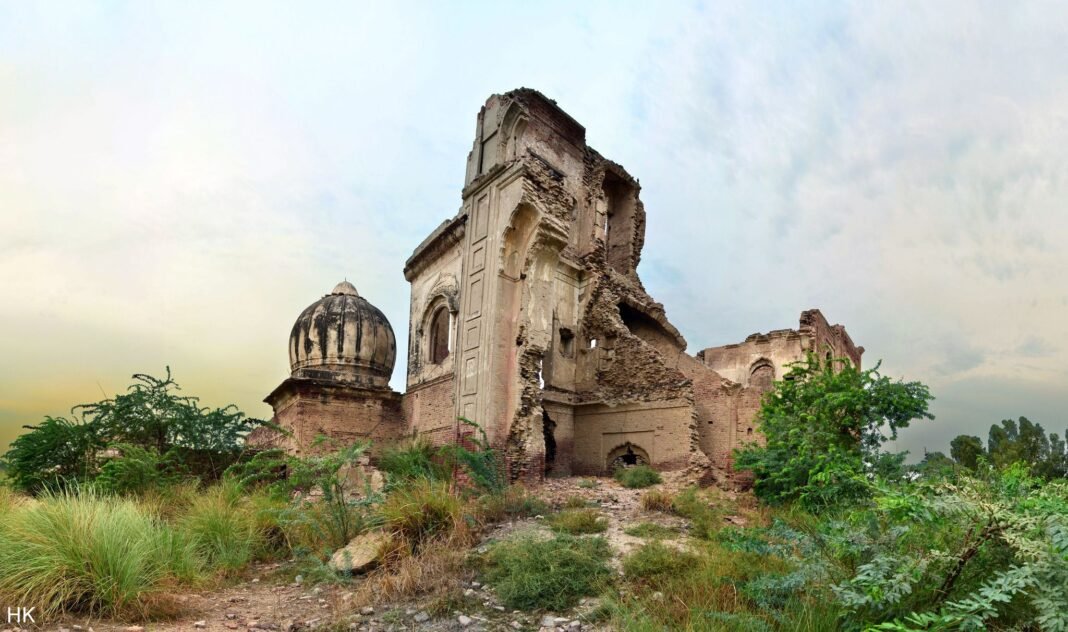
If you are the kind of traveler who wants to understand Punjab rather than just photograph it, Ajnianwala repays the detour richly. The town’s history runs from a pre-Mughal past through a Sikh-majority era to the Partition migration of 1947, when the gurdwara was allocated to migrant families from Indian Punjab and fell silent as a place of worship. Today the building is a family home and the samadhs stand watch outside — a complete, compact lesson in the religious and social history of the province, all within a few streets.
There is also the living town to enjoy. Ajnianwala is a bustling commercial hub for its surrounding villages, watered by two great canals, with a famous annual fair (maila) each March where Punjab’s traditional sport of kabaddi is played. Pair the heritage walk with the bazaar, the canal banks, and a dhaba lunch, and you have a full, genuine day in rural Punjab — the kind of day the tour buses never offer.
This gurdwara ajnianwala travel guide lays out the real history, the practical route from Lahore, Islamabad, or Karachi, the seasons, and how to visit with the respect this layered place deserves. For more destinations across the country, browse our Explore Pakistan collection.
History of Gurdwara Ajnianwala
Ajnianwala’s story stretches back at least 500 years, deep into the pre-Mughal Punjab. For most of that time it was a classic Punjabi qasba — a market town serving its farming hinterland. Before the Partition of the subcontinent, the town had a considerable Sikh majority, and its religious life centered on the gurdwara built by Surjan Das Khatri. Surjan Das was no ordinary granthi: he founded a distinct sect that drew its very name from him — the “Surjan Dasia” — and he compiled the sect’s Granth, known as the “Ajat Granth.” The samadhs outside the gurdwara belong to Surjan Das himself, to Athal Das, and to two of their disciples, marking this as the sect’s spiritual headquarters.
A fair used to be held here in the month of Chaitar (March–April) before Partition, drawing the faithful to the shrine and the samadhs — one of the many spring melas that stitched the religious calendar of old Punjab together. Then came 1947. The town’s Sikh population migrated to India, and the gurdwara — still structurally intact — was allocated to migrant families arriving from Indian Punjab. Worship ceased; the building became a home. This is the honest, unvarnished condition of the site today: a historic shrine, architecturally present but functionally silent, lived in by local families.
The town around it kept evolving. Ajnianwala grew into a commercial hub for the adjacent rural areas, its fields irrigated by two major canals — the Qadirabad-Balloki Link Canal and the Upper Gogera Canal — that flow beside the town. Its population today is multicultural and multiethnic: local Punjabi-speaking families alongside roughly 40 percent descendants of migrants from Indian Punjab, from castes including Jatts (Guru, Goraya, Walana), Janjua, Shaikh, Arain, Syed, Malik, Rajput, Mughal, Awan, Khokhar, Ansari, Dogar, and Sial. The town also holds the tomb of the saint Baba Sadiq Shah Wali, whose annual fair keeps the mela tradition alive in a new form.
Ajnianwala sits in a district dense with Sikh heritage. The wider Sheikhupura area holds the Dharamshala of Bhai Harnam Singh Ji at Buccheki (where Guru Arjan Dev Ji is remembered to have stayed), the Gurdwara Panjvin Patshahi at Jatri, and — a short journey away — Nankana Sahib, the birthplace of Guru Nanak Dev Ji and the holiest Sikh pilgrimage city in Pakistan. Ajnianwala makes the perfect quiet counterpoint on a Sheikhupura-district heritage circuit: the famous city for the crowds, the small town for the story.
Top Things to Do in Gurdwara Ajnianwala
See the Samadhs of Surjan Das and Athal Das
The heart of the visit is the cluster of samadhs outside the gurdwara — the memorial shrines of Surjan Das Khatri, Athal Das, and two disciples. These are what you can view freely, and they are the physical anchor of the Surjan Dasia story. Walk around them slowly, read whatever inscriptions survive, and photograph respectfully. A local elder can often tell you which samadh belongs to whom and what the Chaitar fair was like in living memory.
View the Gurdwara Building from Outside
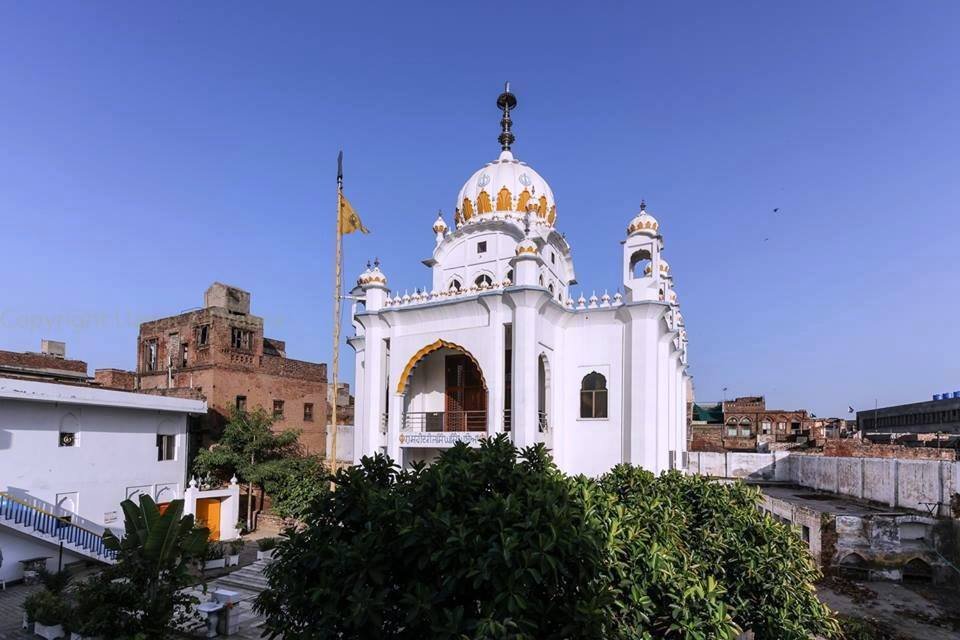
The gurdwara itself is now a family home, so treat it as a respectful exterior visit. Note the old structure within the lived-in complex — the scale of the original darbar, the courtyard plan — and imagine it in its days as a sect headquarters. Always ask the resident family before approaching closely or taking photographs; a courteous introduction in Punjabi or Urdu works wonders.
Walk the Old Town and Canal Banks
Ajnianwala’s lanes still carry the feel of the old qasba. Wander the bazaar, walk out to the Qadirabad-Balloki Link and Upper Gogera canals that water the town’s fields, and watch the evening life of a Punjabi market town — the tea stalls, the kabaddi talk, the tractor traffic. It is ordinary Punjab, which is to say it is wonderful.
Visit the Tomb of Baba Sadiq Shah Wali
The tomb of Baba Sadiq Shah Wali, also in Ajnianwala, is the focus of the town’s living fair tradition. Even outside fair time, the shrine is a peaceful stop that shows how the town’s spiritual life continued and transformed after 1947 — Sufi shrine culture carrying forward where the gurdwara fell silent.
Build a Sheikhupura Sikh-Heritage Circuit
With a car and a day, combine Ajnianwala with the district’s other Sikh sites: the Dharamshala of Bhai Harnam Singh Ji at Buccheki, associated with Guru Arjan Dev Ji, and the Gurdwara Panjvin Patshahi at Jatri. Finish — or begin — at Nankana Sahib, and you will have traveled from the most famous Sikh site in Pakistan to one of the most obscure, in a single journey.
Famous Places In and Around Gurdwara Ajnianwala
- Samadhs of Surjan Das, Athal Das and disciples: The memorial shrines outside the gurdwara — the essential sight.
- Tomb of Baba Sadiq Shah Wali: Sufi shrine and focus of the town’s annual March fair.
- Dharamshala Bhai Harnam Singh Ji, Buccheki: Historic Sikh site associated with Guru Arjan Dev Ji’s stay.
- Gurdwara Panjvin Patshahi, Jatri: Another historic gurdwara of Sheikhupura district.
- Nankana Sahib: Birthplace of Guru Nanak Dev Ji — the great pilgrimage city of the region.
- Sheikhupura city: District headquarters with the historic Sheikhupura Fort (Qila Sheikhupura) and Hiran Minar nearby.
How to Reach Gurdwara Ajnianwala
Ajnianwala is an easy day trip from Lahore and sits right on the Hafizabad Road, 32 km from Sheikhupura. Roads are good throughout — this is the flat, fast Punjab plains, not the mountains.
From Lahore (about 70–90 km, 1.5–2 hours): Take the M-2 motorway to the Sheikhupura interchange (about 40 km), then follow Hafizabad Road 32 km to Ajnianwala town. Ask in the town for the old gurdwara — everyone knows it.
From Islamabad (about 300–330 km, 4–5 hours): Take the M-2 south to the Sheikhupura interchange, then Hafizabad Road to Ajnianwala. An easy drive, very doable as a long day trip or with an overnight halt in Lahore or Sheikhupura.
From Karachi: Fly to Lahore (Allama Iqbal International Airport), then drive. Ajnianwala is not on the main railway line; the nearest railheads are Sheikhupura and Hafizabad, from where you can hire onward transport.
Public vans and buses run frequently from Lahore to Sheikhupura and onward toward Hafizabad; from Ajnianwala’s main road, a rickshaw will take you into the old town. As ever in rural Punjab, a private car with a driver who knows the town is the most comfortable option. If your journey continues to the capital region, our Islamabad guide has you covered.
Route Details
- Lahore → M-2 motorway → Sheikhupura interchange.
- Sheikhupura → Hafizabad Road, 32 km to Ajnianwala.
- In the town, ask for the old gurdwara (purani gurdwara) near the samadhs.
- View the samadhs freely; view the gurdwara building from outside with the resident family’s permission.
Where to Stay in Gurdwara Ajnianwala
There is no tourist accommodation in Ajnianwala town itself — this is a day-trip destination. The sensible bases are Sheikhupura city (32 km away), with simple mid-range hotels and guesthouses serving business travelers, and Lahore, with the complete range from budget guesthouses to luxury hotels. Most visitors will find Lahore the most comfortable hub, especially when combining Ajnianwala with Nankana Sahib and the city’s own historic gurdwaras (including the Samadh of Maharaja Ranjit Singh and Gurdwara Dera Sahib).
If you are touring the Sheikhupura district circuit over two days, an overnight stay in Sheikhupura puts Ajnianwala, Buccheki, and Hiran Minar all within easy reach. Book by phone ahead in the March fair season, when the town fills with mela visitors. Camping is neither needed nor appropriate here.
Where to Eat: Local Foods of Gurdwara Ajnianwala
The Hafizabad Road dhabas and Ajnianwala’s bazaar eateries serve classic Punjabi road food at its best. Start the day with parathas and lassi or halwa puri; lunch on daal, mixed vegetables, or chicken karahi with tandoori roti; and in winter, look for sarson da saag with makki di roti and white butter — the dish this region does better than anywhere else on earth. The canal-irrigated belt around Sheikhupura grows superb wheat, rice, citrus, and guava, so eat seasonally and buy fruit from roadside sellers.
Sweeten the trip with desi ghee sweets from the town halwai — the dairy belt’s milk makes everything richer. Meals are hearty and very inexpensive; a full dhaba lunch runs to a few hundred rupees per person in general terms. Carry drinking water for the heritage walk, and accept village tea whenever it is offered — in Ajnianwala, refusing is harder than accepting.
Weather in Gurdwara Ajnianwala
Like all of central Punjab, Ajnianwala swings between a cool, foggy winter and a furnace summer, with the monsoon in between. Heritage walking is a November-to-March pleasure; summer sightseeing is an exercise in endurance. Plan the samadh visit for the cool hours of the day in any season.
| Season | Temperature Range | Conditions |
|---|---|---|
| Winter (Dec–Feb) | 5°C to 22°C | Cool with morning fog; crisp, pleasant afternoons. Best season for the heritage walk. |
| Spring (Mar–Apr) | 15°C to 35°C | The town fair season; warming quickly. March is delightful, late April hot. |
| Summer (May–Jul) | 28°C to 45°C | Extreme heat and dust storms; monsoon breaks in July. Sightsee only at dawn and dusk. |
| Autumn (Aug–Nov) | 18°C to 38°C | Humid monsoon tail, then dry and golden from October — an excellent second-best season. |
Language and Culture of Gurdwara Ajnianwala
Punjabi is the mother tongue of Ajnianwala, spoken in the warm central dialect of the Rechna Doab, with Urdu understood everywhere. The town’s culture is a blend: old Punjabi qasba traditions carried by long-settled farming castes, layered with the customs of the migrant families who arrived from Indian Punjab in 1947 and now make up about two-fifths of the population. Kabaddi — Punjab’s traditional sport, played at the March fair — is a genuine passion here, not a tourist show.
Because the gurdwara is a family home, the etiquette of visiting is the etiquette of calling on neighbors: dress modestly, greet elders, explain your interest, ask before photographing, and cover your head when viewing the samadhs as a mark of respect for the sacred. The samadhs are memorial shrines — behave as you would in any place of remembrance: quietly, without climbing or touching. If invited for tea, accept; the stories that come with it are the real souvenir.
Shopping in Gurdwara Ajnianwala
Ajnianwala’s bazaar serves its farming hinterland rather than tourists, which makes it a fun, honest place to shop. Look for Punjabi textiles, khaddar cloth, and embroidered shawls, desi ghee and dairy sweets from the halwais, seasonal fruit (citrus and guava in winter, mangoes in summer), and sturdy brass and steel household goods. Sheikhupura city’s larger bazaars, 32 km away, offer more variety, and Lahore — of course — offers everything. There are no shopping malls in Ajnianwala; prices are local, bargaining is gentle, and cash is king.
Local Events and Festivals
Ajnianwala Annual Maila (March 16–18): The town’s living fair tradition, held each year in the month of Chait and associated with the saint Baba Sadiq Shah Wali, whose tomb stands in the town. The centerpiece is kabaddi — Punjab’s traditional contact sport — played with full-throated local passion, alongside the usual mela constellation of food stalls, music, and crowds. If you want to see the town at its most alive, time your visit for these three days; book any Sheikhupura stay ahead, as the fair draws visitors from surrounding villages.
The old Chaitar fair (historical): Before Partition, a fair was held at the gurdwara itself in Chaitar (March–April), drawing the Surjan Dasia faithful to the shrine and samadhs. It no longer takes place, but its memory survives in the town’s March mela season — ask the elders, and the two fairs blur into one long story.
Travel Tips for Gurdwara Ajnianwala
Packing Essentials
Sun protection for the open samadh area; comfortable walking shoes for town lanes; a scarf or dupatta for head-covering at the samadhs; drinking water and snacks; and a power bank. In winter, a warm jacket for foggy mornings; in March fair season, earplugs if you are a light sleeper near the mela grounds.
Safety Tips
Ajnianwala is a peaceful, busy market town. Standard sense applies: visit the heritage sites in daylight, keep valuables discreet in the bazaar crowds (especially during the March fair), and avoid the midday heat of May–June entirely. Take a local companion for the old-town lanes if one offers — it enriches the visit as much as it eases it.
Money & Connectivity
Carry cash — the town’s small shops and dhabas do not take cards, and while Sheikhupura has ATMs, Ajnianwala’s are limited. Mobile coverage from all major networks is good across this part of Punjab. Save the location of the samadhs offline, since “old gurdwara” can confuse navigation apps; asking a local is faster anyway.
Best Time to Visit Gurdwara Ajnianwala
Winter (November to February) — Ideal
Cool, clear days perfect for walking the old town and the samadh complex. Morning fog lifts by mid-morning; afternoons are made for unhurried exploring and long dhaba lunches.
March — The Fair Season
Come March 16–18 for the annual maila: kabaddi, crowds, music, and the town at full volume. Book Sheikhupura accommodation ahead. Early March, before the fair, is also lovely and quiet.
Autumn (October to November) — The Quiet Choice
Dry, golden, and crowd-free once the monsoon retreats. Excellent for photography of the samadhs and for combining with Nankana Sahib without the winter pilgrim rush.
Summer (May to August) — For the Determined Only
Blazing heat and monsoon humidity make heritage walking punishing. If summer is your only option, see the samadhs at dawn, retreat to shade by 10 am, and plan indoor or bazaar time for midday.
Final Thoughts
Gurdwara Ajnianwala is a reminder that history does not only live in famous monuments — it lives in small towns, in sects founded by men like Surjan Das Khatri, in samadhs standing quietly outside a building that is now someone’s home. The Ajat Granth, the Surjan Dasia sect, the Chaitar fair of memory, the 1947 silence: this is Punjab’s religious history in miniature, and it is all here in a few streets of Ajnianwala.
Come in winter or for the March fair, walk from the samadhs to the canal banks, eat the saag, watch the kabaddi, and let the town tell you its story at its own pace. Then carry that story onward — to Nankana Sahib, to Lahore’s great gurdwaras, to the rest of the Explore Pakistan trail. The famous sites will mean more once you have seen the small ones.
FAQs
Where is Gurdwara Ajnianwala located?
In Ajnianwala town, Sheikhupura District, Punjab, Pakistan — 32 km from Sheikhupura on Hafizabad Road, about 70–90 km from Lahore.
Who was Surjan Das Khatri?
The builder of the gurdwara and founder of the Surjan Dasia sect, named after him. He compiled the sect’s scripture, the Ajat Granth. His samadh, with those of Athal Das and two disciples, stands outside the gurdwara.
What is the best time to visit Gurdwara Ajnianwala?
November to February for weather; March 16–18 for the town’s annual kabaddi fair. Avoid May–June heat.
How do I reach Gurdwara Ajnianwala from Lahore?
M-2 to the Sheikhupura interchange, then 32 km on Hafizabad Road to Ajnianwala — about 1.5–2 hours total.
Is the gurdwara still functional?
No. After 1947 it was allocated to migrant families from Indian Punjab and is now a family home. The samadhs outside can be viewed freely; view the building from outside with permission.
Is it safe and suitable for families?
Yes — a peaceful market town, fine for families as a day trip. Visit in daylight, dress modestly, and ask before photographing people.
Where can I stay near Gurdwara Ajnianwala?
No tourist lodging in the town; stay in Sheikhupura (32 km) or, most comfortably, Lahore — ideal for combining with Nankana Sahib.
What is the Ajnianwala fair?
An annual maila held March 16–18, associated with Baba Sadiq Shah Wali, featuring kabaddi — Punjab’s traditional sport — plus food stalls and music. Before Partition, a separate fair was held at the gurdwara in Chaitar.