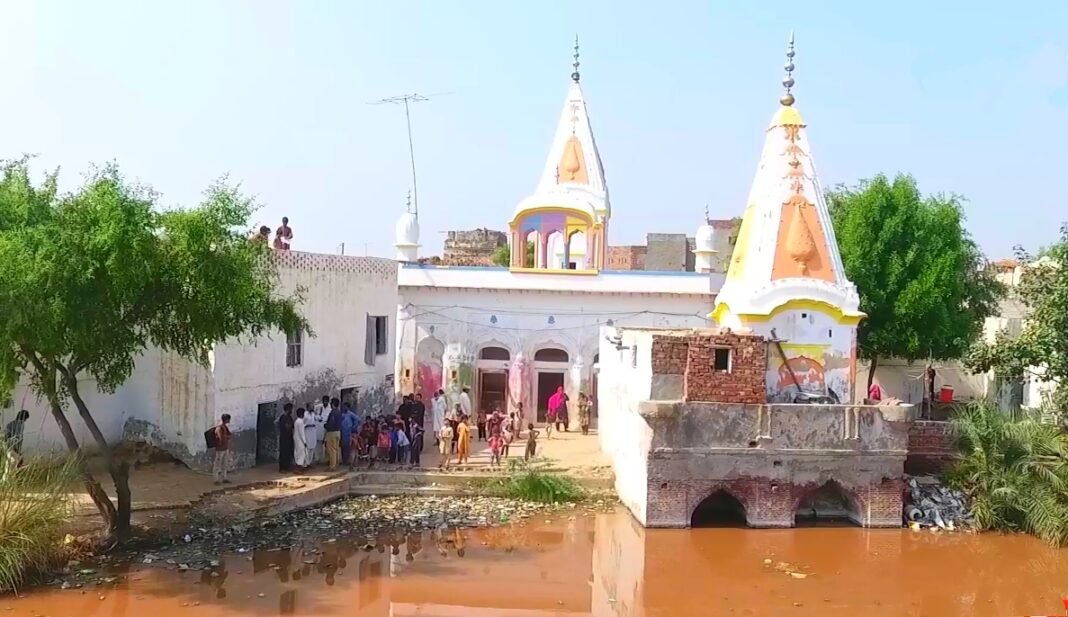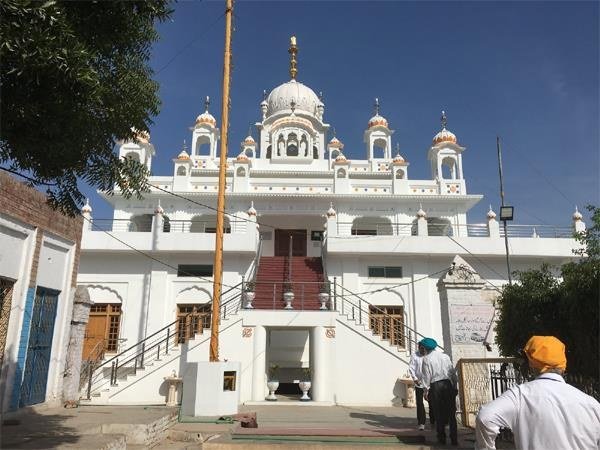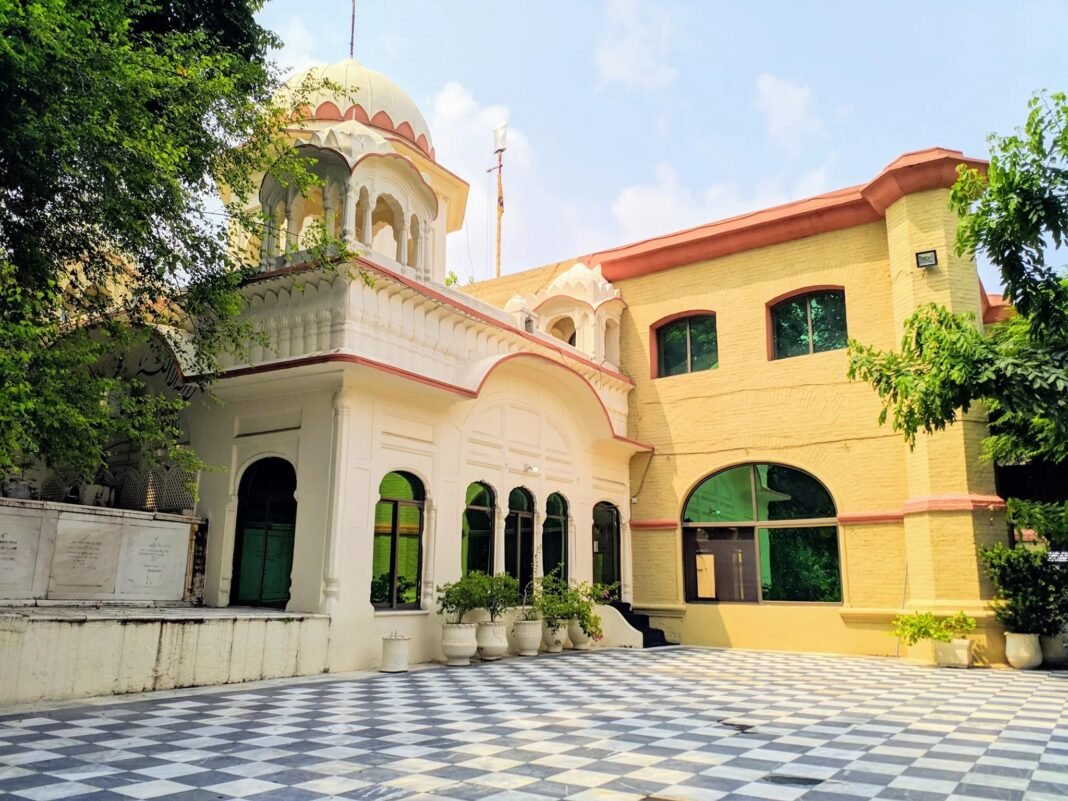
If you are choosing your next trip through Pakistan’s rich spiritual landscape, put Gurdwara Bair Sahib in Sialkot high on the list. This is no ordinary roadside shrine. It is the place where Guru Nanak, the founder of Sikhism, sat under a wild berry tree more than five hundred years ago and, through nothing but wisdom and words, talked an angry saint out of destroying an entire city. The tree still stands. The story still hangs in the air. And for anyone who loves history you can touch, this small gurdwara tucked into a residential lane of Sialkot is one of the most moving stops in Pakistani Punjab.
Quick Facts
- Location: Babey Beri, Sialkot city, Punjab, Pakistan (around 32.481028°N 74.548889°E)
- Famous For: The ancient berry (bair) tree under which Guru Nanak met Sufi saint Hamza Ghaus; one of the oldest Sikh shrines in Pakistan
- Nearest City: Sialkot city center, a short drive away; Lahore is around 130 km to the south
- Accessibility: Easy road access year-round; Sialkot has its own international airport and a motorway link (M-11) to Lahore
- Known Landmarks: The historic berry tree, the shrine built by Shaheed Natha Singh, the garden, pool and residential rooms of the complex
- Best For: Spiritual travelers, history lovers, Sikh heritage pilgrims, photographers, and anyone interested in the shared past of Punjab
Why Visit Gurdwara Bair Sahib, Sialkot
Some places you visit for the scenery. Gurdwara Bair Sahib is one you visit for the story — and what a story it is. In the early 1500s, Sialkot lived in fear because a powerful saint, Hamza Ghaus, had vowed to wipe the city off the map within forty days after a devotee broke a promise to him. Guru Nanak heard about it, walked to the saint’s meditation spot, sat down under a bair tree and refused to let the city be punished for one man’s fault. Argument by argument, he talked Hamza Ghaus down. The city was saved. And the tree became sacred ground.
That is the first reason to come: you can stand where this happened. The berry tree that sheltered Guru Nanak is still alive, its roots older than the Mughal Empire. Few heritage sites in Pakistan let you stand that close to a living witness of a five-century-old event. Pilgrims from across the border have yearned for this place for decades — after Partition it fell into neglect, and for years it was hard to reach. Today it has been renovated and opened up again, and a visit feels like recovering something precious.
The second reason is the shrine itself. Built with devotion by Shaheed Natha Singh, the gurdwara complex includes a garden, a pool and residential rooms, and the history of the site is tied to some of the most interesting figures in Sikh scholarship — Gian Singh wrote part of his great History of the Khalsa while staying with the Mahant here. It is a quiet, modest building, especially compared to the grand gurdwaras of Lahore and Nankana Sahib, but that modesty is part of its charm. It sits in a cluttered old-city alleyway, homes and shops crowding around it, and finding it feels like a small discovery.
Finally, this is a trip that pairs beautifully with the rest of Sialkot. The city is famous for its sports-goods industry, its old bazaars, and as the birthplace of Allama Iqbal. A day that starts at the Iqbal Manzil and the old city and ends in quiet prayer under Guru Nanak’s berry tree is a day well spent. If you are the kind of traveler who likes places with soul rather than places with crowds, Gurdwara Bair Sahib will not disappoint.
History of Gurdwara Bair Sahib, Sialkot
The story of this shrine begins with Guru Nanak’s travels. According to Sikh tradition recorded in the janamsakhis, Guru Nanak reached Sialkot in 1517, coming by way of Jammu, and found the whole city gripped by terror. The cause was Hazrat Hamza Ghaus, a revered Sufi saint of Sialkot, who had flown into a rage because a devotee had failed to keep a promise made to him. The saint vowed to meditate for forty days, and declared that when his meditation was complete, the entire city would be destroyed for the misconduct of one man.
Guru Nanak sat down under a bair (berry) tree close to the spot where Hamza Ghaus was meditating and sang his verses in a loud voice, disturbing the saint’s meditation. Hamza Ghaus came out angrily and demanded to know who would dare to save a city of liars. Guru Nanak answered that it was not right to punish a whole city for the misconduct of a single person. When the saint was not convinced, the Guru sent his companion Bhai Mardana to the market with two paisas, asking him to buy “truth” and “falsehood”. A follower of the Karar sect named Maula Karar took the two coins and wrote on two slips of paper: on one, “Life is bitter”, and on the other, “Death is truth”. Bhai Mardana brought both slips back, Guru Nanak handed them to Hamza Ghaus, and after reading them the saint relented and pardoned the residents of Sialkot. The site where Guru Nanak stayed came to be called “Baba Bair”.
The gurdwara that stands there today was built by Shaheed Natha Singh with great love and affection. He constructed a grand shrine with a beautiful garden, a tank, and a large well in which many Persian wheels worked. An estate worth Rs 8,000 was placed in the gurdwara’s name, and two squares of land in Lyallpur (Faisalabad) district were endowed to it. The Shaheed Ganj of Natha Singh lies within the precincts of the gurdwara, and the scholar Gian Singh wrote his History of the Khalsa while staying with the Mahant of this shrine — a reminder of how central this small place once was to Sikh intellectual life.
Partition in 1947 changed everything. Like many Sikh shrines in Pakistan, Gurdwara Bair Sahib was abandoned and, as documented by Al Jazeera, converted into a Muslim Sufi shrine by local residents. It suffered further damage in the wake of the Babri Masjid dispute, when an unruly mob razed the gurdwara’s very high temple to the ground. For years the shrine stood in urgent need of repair. The turnaround came in the 2010s, when the gurdwara was renovated and reopened to pilgrims, and access for Indian Sikh pilgrims was restored — Wikipedia records November 2012 as the point when pilgrim access returned, and in 2019 the Punjab government again formally opened the shrine to pilgrims from across the border, a moment captured in a widely shared Arab News report.
Top Things to Do in Gurdwara Bair Sahib, Sialkot
Stand Under the Sacred Berry Tree
This is the heart of the visit. The bair tree under which Guru Nanak stayed and met Hamza Ghaus is still present, and for believers it is a living relic. Walk around it slowly, take photographs, and read the story on any plaques at the site. Because the gurdwara sits in a crowded residential lane, the sudden calm of the tree’s shade hits you all the harder. Devotees often touch the bark reverently; even if you are not Sikh, the weight of five hundred years is hard not to feel.
Visit the Main Shrine Hall
Step inside the modest prayer hall built by Natha Singh. Compared to the palatial gurdwaras elsewhere in Punjab, this one is small and single-storeyed, but the atmosphere is intimate. If you arrive when the granthi is present, you may hear kirtan or see the Guru Granth Sahib being read. Cover your head, remove your shoes at the entrance, and sit quietly on the floor with the congregation — the standard gurdwara etiquette applies and is warmly appreciated.
Explore the Garden, Pool and Old Well
The complex includes a garden, a pool and residential quarters, and Natha Singh’s great well with its Persian wheels once stood here. Walk the grounds and look for traces of the older structures. Some visitors find it moving to see how the shrine has survived Partition, neglect, mob damage and renovation — the garden is peaceful, and it is a good spot to sit and reflect on the layers of history you have just read about.
Walk 200 Metres to Gurdwara Baoli Sahib
One of the great advantages of this site is its twin. Just two hundred metres away stands Gurdwara Baoli Sahib, Sialkot, built on the site of Maula Karar’s house — the very man whose two slips of paper helped save Sialkot. The two shrines are chapters of the same story, and no trip to one is complete without the other. We have a full travel guide to the Baoli Sahib too.
Famous Places In and Around Gurdwara Bair Sahib, Sialkot
- Gurdwara Baoli Sahib, Sialkot — 200 metres away; the shrine on Maula Karar’s house site.
- Iqbal Manzil — birthplace of Allama Muhammad Iqbal, in the old city.
- Sialkot Fort — historic fort in the heart of the old city.
- Sialkot Cathedral (Holy Trinity Cathedral) — a striking colonial-era church.
- Old bazaars of Sialkot — famous for sports goods, surgical instruments and leather.
How to Reach Gurdwara Bair Sahib, Sialkot
Reaching Sialkot is straightforward. The city sits in northeast Punjab, close to the Indian border, and is connected by motorway, national highway and air.
- From Lahore: Around 130 km via the M-11 motorway; the drive takes about 1.5 to 2 hours. Exit toward Sialkot city and follow signs to the old city / Babey Beri area.
- From Islamabad: Around 225 km via the M-2 and M-11 motorways; roughly 3 to 3.5 hours by car.
- From Karachi: Around 1,150 km by road — far too long for a comfortable drive. Fly to Sialkot International Airport or Lahore and continue by road.
- Nearest airport: Sialkot International Airport, a short drive from the city center, with domestic and some international flights.
- Transport options: Private car or rented van is the most comfortable; Daewoo and other intercity bus services run frequently between Lahore and Sialkot; ride-hailing cars operate within the city for the last stretch to the old-city lanes.
Route Details
From Lahore, take the M-11 (Sialkot–Lahore motorway) northeast to Sialkot. Enter the city and head for the old city area — the gurdwara is in the Babey Beri neighbourhood, tucked into a residential lane with homes and shops crowding around it, so the final approach is on foot through a narrow alleyway. Ask any local for “Baba Bair” or “Gurdwara Beri Sahib” and you will be pointed the right way; the shrine is well known in the neighbourhood. Parking is on the main street — leave the car there and walk the last stretch.
Where to Stay in Gurdwara Bair Sahib, Sialkot
Sialkot is a working industrial city rather than a tourist resort town, so accommodation is practical and good value rather than luxurious. Mid-range hotels cluster around the city center and the Cantonment area, and several business hotels cater to the city’s large trading community — these are generally clean, comfortable and reasonably priced. Budget guesthouses and smaller hotels line the main roads near the bus stands and railway station. Because the gurdwara is in the old city, staying near the center keeps the drive to the shrine short. If you are combining Sialkot with Lahore, many visitors simply day-trip from Lahore, which has the full range of accommodation from luxury hotels to budget hostels.
Where to Eat: Local Foods of Gurdwara Bair Sahib, Sialkot
Sialkot’s food is classic Punjabi — hearty, desi-ghee-rich and unpretentious. Around the old city you will find nihari, paye and haleem at breakfast spots, fresh tandoori rotis and naan, and excellent lassi and doodh patti from milk shops. The bazaars serve samosas, pakoras and jalebi through the afternoon, and dhabas near the bus stands do filling, budget-friendly meals. If you are visiting the gurdwara, ask whether langar (the free community meal) is being served — sharing it is both a meal and an experience. For dinner, the Cantonment and city-center restaurants offer everything from barbecue to Chinese at moderate prices. A full street-food meal here is very budget-friendly by Pakistani standards.
Weather in Gurdwara Bair Sahib, Sialkot
Sialkot sits on the Punjab plains, so the weather follows the classic four-season rhythm of the region: a cold, foggy winter, a pleasant spring, a fiercely hot summer with monsoon rains, and a mild autumn. The shrine is open year-round, but your comfort depends entirely on the season you pick.
| Season | Temperature Range | Conditions |
|---|---|---|
| Winter (Nov–Feb) | Around 4–20°C | Cold mornings, dense fog common in December–January; afternoons are pleasant |
| Spring (Mar–Apr) | Around 15–30°C | The most comfortable season; clear skies and mild evenings |
| Summer (May–Jul) | Around 30–45°C | Very hot; monsoon rains arrive July–September with humidity and heavy downpours |
| Autumn (Sep–Oct) | Around 15–30°C | Mild and pleasant as the monsoon retreats; good for walking the old city |
Language and Culture of Gurdwara Bair Sahib, Sialkot
Punjabi is the mother tongue of Sialkot and you will hear it everywhere — in the bazaars, the lanes around the shrine, and the homes crowding the old city. Urdu works perfectly well for visitors, and English is understood in hotels and by younger people. The culture is classic Punjabi: warm, direct and hospitable, with a strong trading and craftsmanship tradition. When visiting the gurdwara, cover your head (scarves are usually available at the entrance), remove your shoes, wash your hands if a facility is provided, and dress modestly — shoulders and knees covered. Photography inside the prayer hall should be discreet; ask before photographing people at prayer. Sialkot is a conservative but welcoming city, and visitors who show respect for the shrine are treated with genuine warmth.
Shopping in Gurdwara Bair Sahib, Sialkot
One of the best reasons to linger in Sialkot is the shopping. This is the city that makes footballs for the world — the sports-goods bazaars around the old city sell footballs, cricket gear and fitness equipment at factory-town prices. Sialkot is also famous for surgical instruments and fine leather goods, and the old bazaars are full of small workshops and wholesalers. For souvenirs, look for leather wallets and bags, traditional khussas (embroidered shoes), and Punjabi handicrafts. There are no large modern malls right by the shrine — shopping here means the old bazaars, which is exactly the point. Bargaining is expected and good-natured.
Travel Tips for Gurdwara Bair Sahib, Sialkot
Packing Essentials
Bring a headscarf or cap for the gurdwara (one is usually provided, but your own is more comfortable), comfortable walking shoes you can slip off easily, and modest clothing. In winter, a warm jacket is essential for foggy mornings; in summer, carry water, sunscreen and a hat — Sialkot’s heat is serious business.
Safety Tips
Sialkot is generally a safe, working city for visitors. The area around the gurdwara is a dense residential neighbourhood — visit during daylight, keep valuables out of sight in the crowded lanes, and you will be fine. As with any religious site, follow the etiquette and you will be welcomed.
Money & Connectivity
ATMs are plentiful in the city center and Cantt areas; carry some cash for the old-city bazaars and small eateries, which may not take cards. All major mobile networks (Jazz, Telenor, Zong, Ufone) have good coverage in Sialkot, and 4G data works well around the shrine.
Best Time to Visit Gurdwara Bair Sahib, Sialkot
Winter (November to February)
The best time for most visitors. Days are cool and pleasant for walking the old-city lanes, and the atmosphere at the shrine is at its most atmospheric — morning fog softening the rooftops around the berry tree. Sikh pilgrim groups also tend to visit in the cooler months, so you may catch the shrine at its liveliest.
Spring (March to April)
Almost as good as winter — mild temperatures, clear skies and the city’s gardens at their best. An excellent time for combining the gurdwara with a walking tour of old Sialkot.
Summer (May to August)
Best avoided unless you must travel then. Temperatures regularly cross 40°C, and the monsoon brings humidity and sudden downpours. If you do come, visit the shrine early in the morning.
Autumn (September to October)
A pleasant shoulder season — the rains have eased, the air is clear, and the crowds are thin. A fine time for a relaxed visit.
Final Thoughts
Gurdwara Bair Sahib is small, tucked away, and easy to miss — and that is precisely why it matters. In a single quiet courtyard in Sialkot, you can touch a tree that sheltered Guru Nanak, read the story of how wisdom saved a city, and stand in a shrine that survived Partition, neglect and mob violence to welcome pilgrims again. It is history you can feel with your hands.
Pair it with its twin shrine two hundred metres away, Gurdwara Baoli Sahib, Sialkot, add the old bazaars and the Iqbal Manzil, and you have one of the most rewarding day trips in Pakistani Punjab. For more spiritual and heritage journeys, browse our Explore Pakistan collection, including our Ali Baig Gurdwara travel guide.
FAQs
Where is Gurdwara Bair Sahib located?
In the Babey Beri neighbourhood of Sialkot city, Punjab, Pakistan — tucked into a residential lane in the old city, about 130 km from Lahore.
Why is Gurdwara Bair Sahib famous?
It marks the spot where Guru Nanak sat under a berry tree in 1517 and persuaded the Sufi saint Hamza Ghaus not to destroy Sialkot. The tree is still standing.
What is the best time to visit Gurdwara Bair Sahib, Sialkot?
November to February, when the weather is cool and pleasant; March–April is also excellent.
How do I reach Gurdwara Bair Sahib from Lahore?
Drive about 130 km northeast on the M-11 motorway (1.5–2 hours), then head into Sialkot’s old city and ask for “Baba Bair”.
Is Gurdwara Bair Sahib open to non-Sikh visitors?
Yes. Like all gurdwaras, it welcomes everyone. Cover your head, remove your shoes, and dress modestly.
Is it safe to visit Sialkot?
Yes — Sialkot is a busy industrial city and generally safe for visitors. Visit the old-city lanes during daylight and keep valuables secure.
Where can I stay near Gurdwara Bair Sahib?
Mid-range hotels and budget guesthouses cluster around Sialkot’s city center and Cantt area; many visitors also day-trip from Lahore.
What local food should I try in Sialkot?
Classic Punjabi fare — nihari, paye, haleem, fresh tandoori breads, lassi and street snacks like samosas and jalebi in the old bazaars.