Quick Facts
- Location: Jhalian village (twin village Jhalian–Dhilwan), Burki police station area, Lahore district, Punjab, Pakistan
- Altitude: Around 215 metres above sea level (the flat Lahore plain)
- Famous For: The sacred spot touched by the feet of Guru Hargobind, the sixth Sikh Guru; a charming gurdwara built like a colonial-era government bungalow with a verandah and two rooms
- Nearest City: Lahore, via the nearby town of Burki
- Accessibility: Road access; the shrine is 5 km east of Burki, from where horse carts (tongas) can traditionally be hired for the village run
- Known Landmarks: The bungalow-style gurdwara building; 8 ghumaon of endowed village land around it
- Best For: Sikh pilgrims, heritage travelers, photographers of rural Punjab, and anyone building a Guru Hargobind trail across the Lahore region
Why Visit Gurdwara Chhevin Patshahi, Jhalian
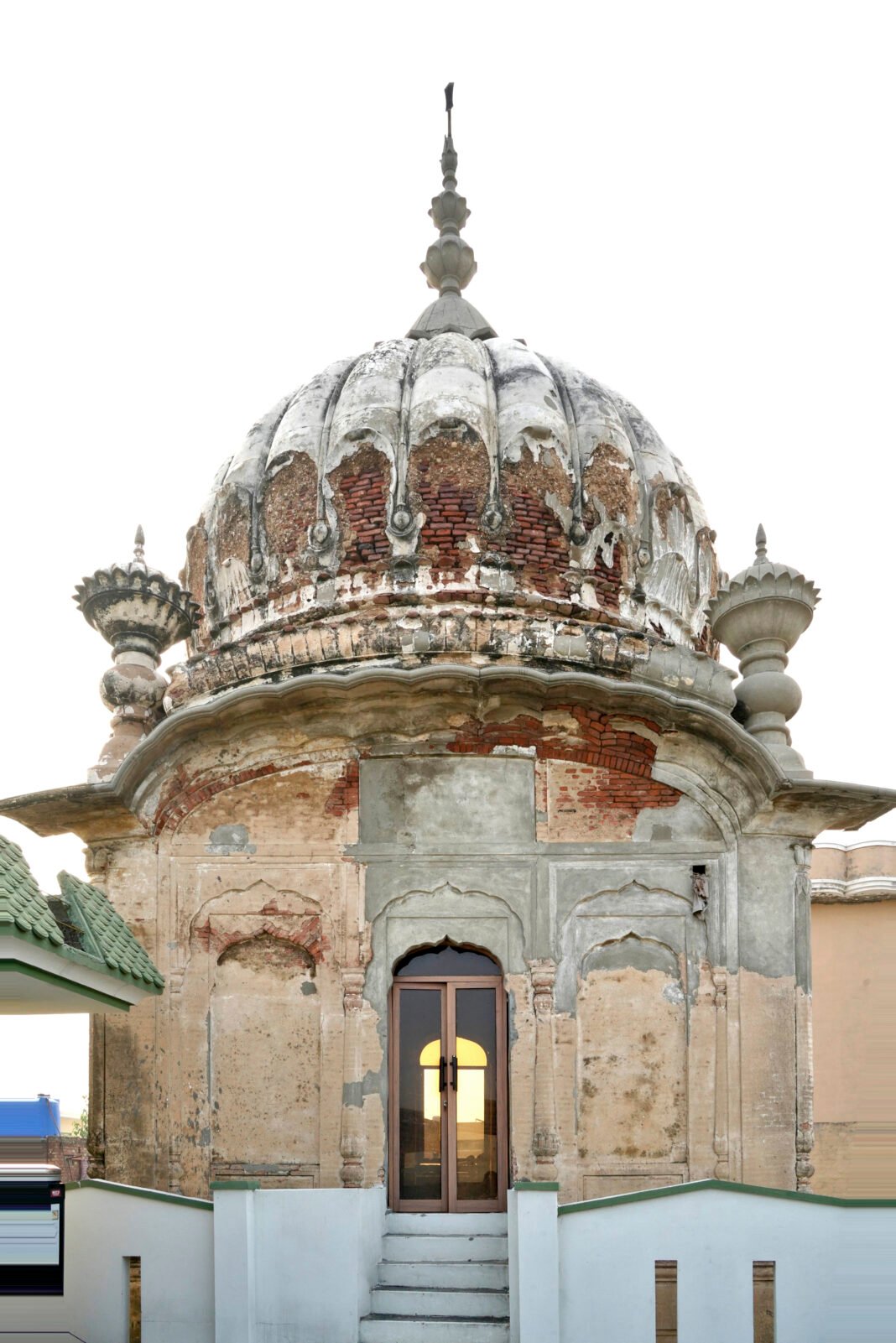
Every Sikh shrine has a story, but Jhalian’s story comes with a rare architectural twist: this gurdwara was built to look like a government bungalow. A verandah across the front, two rooms at the back — it is the kind of building the British Raj left all over Punjab, and finding a Sikh shrine wearing that shape is a small, delightful surprise. If you love heritage for its quirks as much as its grandeur, Jhalian will charm you.
The sacred claim is older than the building. This is ground that Guru Hargobind, the sixth Sikh Guru, is believed to have touched with his feet — a phrase that, in Sikh tradition, marks a place as blessed forever. Jhalian and its twin village Dhilwan sit in the Burki belt east of Lahore, a patch of countryside threaded with Guru Hargobind’s travels; it was from this very area — from Gurdwara Jhalian — that the Guru is said to have gone on to Hudiara, where he stayed overnight. Visiting Jhalian, then, is visiting the beginning of a journey: you can literally trace the Guru’s footsteps from one village shrine to the next.
There is something else worth saying honestly. Like its sister shrines, Jhalian’s gurdwara did not escape 1947. The Sikh sangat left, and today a refugee family settled from Ambala lives in the building. There is no congregation, no daily service, no langar hall humming with activity. What there is, instead, is a quiet building in a green village, eight ghumaon of endowed land around it, and a story that has survived three centuries of upheaval. For the thoughtful traveler, that quiet is the point. You come not for spectacle but for connection — to stand where the Guru stood, to see the bungalow-verandah shrine, and to understand how faith takes root in the soil of ordinary villages.
And practically speaking, Jhalian is one of the easiest of Lahore’s Guru Hargobind shrines to fold into a day trip. Burki is close to the city, the road is good, and you can pair Jhalian with Hudiara and Padhana for a full circuit of Chhevin Patshahi sites — three villages, one Guru, one unforgettable day in rural Punjab.
History of Gurdwara Chhevin Patshahi, Jhalian
Jhalian sits in the Burki area of Lahore district, about 5 km east of Burki town — close enough that visitors have traditionally hired tongas, horse-drawn carts, from Burki for the ride out to the village. The settlement is twinned with neighboring Dhilwan so closely that the pair are known together as Jhalian Dhilwan, a single community in two parts. This whole pocket of the Lahore countryside was thick with Sikh settlement before Partition, and it sat directly on the routes the Sikh Gurus traveled.
The shrine’s history begins with Guru Hargobind, the sixth Guru (1595–1644), son of the martyred Guru Arjan Dev and the founder of the Miri-Piri tradition that wedded spiritual devotion to the defense of the innocent. Sikh historical accounts record the Guru’s movements through this region in the early 17th century — the same journeys that took him to Hudiara, Padhana, and the other villages of the Burki belt. At Jhalian, the ground he walked became sacred by his presence, and the village sangat eventually raised a gurdwara to mark it.
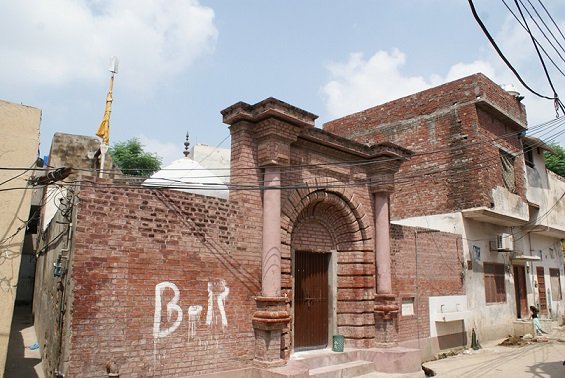
What makes Jhalian’s shrine distinctive is its form. Rather than the domed Nanakshahi style of many Punjab gurdwaras, this one was constructed like a government bungalow of the colonial era: a verandah running across the front, with two rooms behind it. Whether this reflects a rebuilding during the British period or simply the local mason’s idiom, the result is a shrine that looks like the Punjab countryside itself — practical, unpretentious, and quietly beautiful. The villagers endowed 8 ghumaon of land to the shrine for its support, a typical pattern of community-backed Sikh institutions.
Partition in 1947 ended the shrine’s life as a living congregation. The Sikh families of Jhalian left for India, and in the years after, a refugee family from Ambala settled in the gurdwara building — the same story, with local variations, that played out at Hudiara, Padhana, and dozens of other village shrines. The building survives; the worship does not. Today it stands as a heritage structure in a Muslim Punjabi village, its bungalow verandah still recognizable, its sacred history carried mostly in memory and in the records kept by Sikh heritage documenters. It awaits, like so many of these shrines, the day when preservation and pilgrimage return together.
Top Things to Do in Gurdwara Chhevin Patshahi, Jhalian
Admire the Bungalow-Style Shrine
Start with the architecture, because it is the thing you will not see anywhere else on a Guru trail. Walk the length of the verandah, note the proportions of the two rear rooms, and imagine this building in its working days — the verandah full of sangat, the rooms holding the Guru Granth Sahib and the granthi’s quarters. Colonial-era bungalow forms adapted into sacred architecture are a small but real chapter of Punjab’s building history, and Jhalian is one of its surviving pages. Photograph the facade in morning light, when the verandah’s shadows are at their most sculptural.
Stand on the Sacred Ground
The heart of any gurdwara visit is darshan — the seeing and being seen by the sacred. Here the sacred is the ground itself, touched by the Guru’s feet. Take a quiet moment at the shrine. If you are Sikh, this is a place for a short ardas; if you are not, a few minutes of respectful silence is its own form of reverence. Remember that a family lives in the building now — keep your visit to the exterior and any clearly public areas, greet the residents with courtesy, and ask before you photograph.
Ride Out from Burki
Honor the old traveler’s tradition: hire a tonga in Burki for the 5 km run east to Jhalian. Horse carts are rarer than they once were, but in the Burki villages they have not vanished entirely, and the slow clip-clop ride through green fields is worth asking after. If no tonga is available, the same road by car or motorcycle rickshaw is perfectly pleasant — flat, green, and lined with the eucalyptus and shisham trees of the border belt.
Walk the Twin Villages
Jhalian and Dhilwan are linked villages — stroll between them and you are walking the “Jhalian Dhilwan” that locals speak of as one place. The walk takes you past tube wells, small mosques, buffalo dairies, and the wheat and fodder fields that have fed this land for centuries. It is ordinary Punjab, and that is the pleasure of it: the Guru’s shrines were planted in working villages, not on mountaintops, and the village around the shrine is half the story.
Famous Places In and Around Gurdwara Chhevin Patshahi, Jhalian
- Gurdwara Chhevin Patshahi, Hudiara — the shrine the Guru visited from Jhalian, staying overnight; the tall-domed gurdwara with 1965 war history, a natural pairing.
- Gurdwara Chhevin Patshahi, Padhana — also in the Burki belt, where the Guru conversed with the landlord Jalhan; rebuilt by Sardar Attar Singh and the villagers.
- Burki town — the local market town and your gateway; a classic Punjab border-belt bazaar for tea and supplies.
- Wagah border area — the famous border crossing lies in this same eastern corridor of Lahore; many visitors combine a morning shrine circuit with the evening flag ceremony.
- Lahore’s heritage core — end the day back in the city with the Badshahi Mosque and Lahore Fort, or follow our Ali Baig Gurdwara travel guide for another Sikh heritage stop.
How to Reach Gurdwara Chhevin Patshahi, Jhalian
Jhalian is one of the most accessible of the border-belt shrines. Make your way to Burki — the town on Lahore’s eastern edge — and from there the gurdwara is 5 km east in the village, a short hop by tonga, rickshaw, or car. A local driver from Lahore who knows the Burki side will have no trouble finding it; ask for “Jhalian pind, gurdwara.”
From Lahore: Drive east toward Burki (roughly 30–45 minutes from central Lahore depending on traffic), then 5 km further east to Jhalian village. From Islamabad: Take the M-2 motorway to Lahore (around 380 km, about 4 hours), then continue east as above — plan an overnight in Lahore and do the shrine circuit as a day trip. From Karachi: Fly to Allama Iqbal International Airport, Lahore, and hire a car for the day; the road journey from Karachi is far too long for a shrine visit.
Nearest airport: Allama Iqbal International Airport, Lahore. Road conditions: Paved roads all the way to Burki; the final 5 km village road is narrow but passable year-round except after very heavy monsoon rain. Transport options: Private car or hired van from Lahore is ideal; from Burki, tongas, motorcycle rickshaws, and Qingqis cover the last stretch. Public wagons run Lahore–Burki frequently.
Route Details
Step by step: (1) Leave Lahore heading east on the Burki Road corridor. (2) Reach Burki town — stop for tea and confirm directions to Jhalian; locals know the shrine. (3) Take the road 5 km east toward Jhalian village (tonga stands operate near Burki’s main bazaar if you want the traditional ride). (4) In the village, ask for the gurdwara — the bungalow-style building with the verandah is recognizable. (5) Visit respectfully from the exterior, then either return to Burki or continue the circuit to Hudiara and Padhana. The whole Jhalian leg, door to door from Lahore, fits comfortably in half a day.
Where to Stay in Gurdwara Chhevin Patshahi, Jhalian
As with the other village shrines of the Burki belt, nobody stays in Jhalian — you stay in Lahore and drive out. This is the right call: Lahore’s accommodation covers every budget, and the village has no guest facilities.
Luxury: Lahore’s five-star and top business hotels around Gulberg, DHA, and the Cantonment offer the full comfort package and can arrange drivers familiar with the border villages. Mid-range: The broad middle of Lahore’s hotel market — clean, air-conditioned business hotels and serviced apartments along Ferozepur Road, Main Boulevard Gulberg, and near the airport — is the sweet spot for heritage travelers. Budget: Family guesthouses in Johar Town, Model Town, and the old city keep costs low; pick one with parking if you have hired a car. Camping: Not suitable — this is settled farmland near the border; return to Lahore for the night.
If you are visiting during Sikh pilgrimage seasons (Baisakhi in April, Guru Nanak’s birth anniversary in November), book Lahore accommodation early — the city’s hotels fill with yatris.
Where to Eat: Local Foods of Gurdwara Chhevin Patshahi, Jhalian
Eat in Lahore before or after — and count yourself lucky, because few cities eat like Lahore. The greatest-hits list: paye at dawn, halwa puri for a Lahori breakfast, nihari and murgh channay at lunch, chargha and seekh kebabs in the evening, and falooda or kulfi to finish. Fort Road Food Street and Gawalmandi are the classic hunting grounds; follow the crowds and the smell of desi ghee.
Around Burki and Jhalian itself, food is village-simple. Roadside dhabas serve daal fry, anda paratha, and milky doodh patti chai — honest, filling, and cheap. If a village family offers you tea or a meal, accept with thanks; Punjabi hospitality is not performative, it is the culture. Carry water and a few snacks from Lahore, since there are no restaurants at the shrine. Budget travelers will find dhaba meals very light on the wallet; a full Lahori food-street evening is still reasonable by any big-city standard.
Weather in Gurdwara Chhevin Patshahi, Jhalian
Jhalian shares the Lahore plain’s climate — cool foggy winters, a short spring, a long hot summer, and a drenching monsoon. November to March is the window for comfortable village walking; the fields are green, the air is clear, and the light is made for photography.
| Season | Temperature Range | Conditions |
|---|---|---|
| Winter (Dec–Feb) | Around 4–20°C | Cool days, cold foggy mornings; best season for the village visit |
| Spring (Mar–Apr) | Around 15–35°C | Pleasant early, hot by April; wheat harvest colors in the fields |
| Summer (May–Jun) | Around 30–45°C | Fiercely hot; plan any visit for very early morning |
| Monsoon (Jul–Sep) | Around 28–38°C | Humid with heavy downpours; village tracks turn muddy |
| Autumn (Oct–Nov) | Around 15–32°C | Clearing skies, comfortable temperatures; excellent shoulder season |
Language and Culture of Gurdwara Chhevin Patshahi, Jhalian
Punjabi is the language of the village — the earthy Lahori dialect — with Urdu understood everywhere and English workable in Lahore city. The village is Muslim Punjabi today, and the culture is classic rural Punjab: respect for elders, open-door hospitality, and a slower rhythm than the city.
Shrine etiquette applies as at any gurdwara: cover your head, dress modestly, and keep your voice low around the building. Because a family lives in the shrine, treat it as someone’s home that happens to be sacred — which, in a sense, is exactly what it is. Ask before photographing people, accept offered tea graciously, and consider bringing a small gift of fruit or sweets if a family hosts you at length; it is the Punjabi way. If you are Sikh and wish to pray, a quiet ardas at the verandah is appropriate; a local companion can help you navigate the sensitivities with grace.
Shopping in Gurdwara Chhevin Patshahi, Jhalian
Jhalian has no souvenir shops — buy a bundle of fresh gur (jaggery) or seasonal fruit from a village vendor if you like, and save the real shopping for Lahore. In the city, Ichhra and Liberty markets are the go-tos for khussa footwear, embroidered fabrics, and shawls; Anarkali for bangles and traditional jewelry; and Shah Alam Market for wholesale-priced everything. A phulkari dupatta or a pair of hand-embroidered khussas packs flat and carries the Punjab home with you. Burki’s own bazaar is worth a wander for everyday Punjab — steel utensils, colorful plastic ware, and the best samosas are sold from carts, not malls.
Travel Tips for Gurdwara Chhevin Patshahi, Jhalian
Packing Essentials
A headscarf or cap for the shrine, sturdy shoes for village paths, sun protection, and water. Winter visitors should layer for foggy mornings that burn off by noon; summer visitors should treat midday as indoor time. Bring a power bank — you will be out all day on a circuit — and a small notebook if you like collecting the oral histories village elders share.
Safety Tips
The Burki belt is calm farmland, and visitors are welcomed. Still, you are in the border district: travel with a local driver or guide, keep identification on you, stay on public roads and paths, and do not photograph anything military or border-related. The shrine building is a private residence — never enter uninvited rooms, and keep children close and respectful around the property.
Money & Connectivity
Carry cash from Lahore; there are no ATMs in Jhalian and village shops are cash-only. Mobile coverage from the major networks is generally fine this close to Lahore, though indoor signal in old buildings can dip. Download offline maps for the Burki–Jhalian–Hudiara lanes before leaving the city, since signposting in the villages is minimal.
Best Time to Visit Gurdwara Chhevin Patshahi, Jhalian
Winter (November to March) — Ideal
Cool air, green fields, clear light — winter is made for this trip. Morning fog can delay an early start, so aim to reach Burki by mid-morning. This is also the season when Lahore’s cultural calendar is liveliest, so the city end of your day will be rewarding too.
Spring (March to April) — Short and Sweet
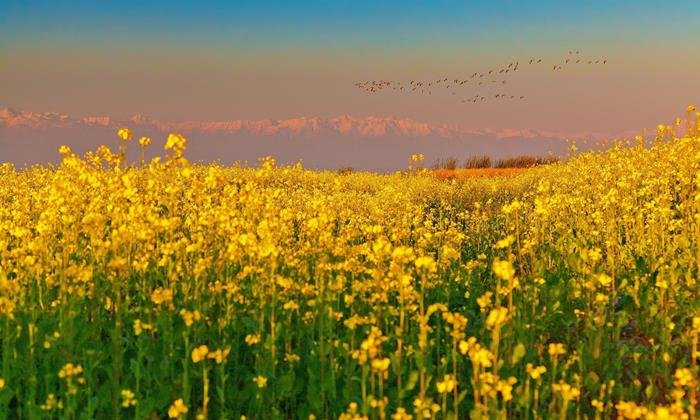
March is lovely; April turns hot quickly. If you come in spring, go early in the day and combine the shrine with the mustard and wheat landscapes at their most photogenic.
Summer and Monsoon (May to September) — Only for the Determined
Heat, humidity, and muddy lanes make this the hard season. If you must go, choose a dry spell, start at dawn from Lahore, and keep the village walk brief.
Autumn (October to November) — Very Good
Post-monsoon clarity and mild temperatures make October–November nearly as good as winter, with the added bonus of thinner crowds everywhere.
Final Thoughts
Jhalian will not overwhelm you with grandeur, and it does not try to. Its power is quieter: a bungalow-verandah shrine in twin villages, ground made sacred by a Guru’s footsteps, and a story that links it to Hudiara, Padhana, and the whole Burki belt of Chhevin Patshahi sites. In an age of crowded tourist hotspots, there is something deeply refreshing about a heritage site that asks nothing of you but attention and respect.
Come for the architecture, stay for the walk between the twin villages, and leave with a fuller picture of how Sikh history is written across the Punjab countryside — one village, one shrine, one Guru’s journey at a time. Continue the journey through our Explore Pakistan series, from Hunza’s valleys to the slopes of Malam Jabba.
FAQs
Where is Gurdwara Chhevin Patshahi, Jhalian?
In Jhalian village (twin villages Jhalian–Dhilwan), Burki area, Lahore district — 5 km east of Burki town.
Which Guru is associated with Jhalian?
Guru Hargobind, the sixth Sikh Guru, whose feet are believed to have touched this ground; tradition links his journey here with his onward visit to Hudiara.
What is special about the building?
It was built like a colonial-era government bungalow, with a verandah in front and two rooms at the back — an unusual form for a gurdwara.
What is the best time to visit?
November to March for cool, dry weather; October–November is also excellent.
How do I get there from Lahore?
Drive east to Burki (30–45 minutes), then 5 km east to the village — by tonga, rickshaw, or car.
Can I go inside the gurdwara?
A family currently lives in the building, so view it respectfully from the exterior and public areas; do not enter private rooms.
Is it suitable for families?
Yes — a gentle half-day outing from Lahore, easily combined with Hudiara and Padhana.
What else is nearby?
Hudiara and Padhana shrines, Burki bazaar, the Wagah border area, and back in the city, Lahore’s Mughal heritage.