Quick Facts
- Location: Rasul Nagar town, Tehsil Wazirabad, Gujranwala district, Punjab — on the left bank of the River Chenab.
- Historic Name: The town was historically known as Ram Nagar before it came to be called Rasul Nagar.
- Famous For: The small domed shrine (darbar) of Guru Hargobind, the Sixth Sikh Guru, who stopped here on his way from Wazirabad to Hafizabad.
- Nearest City: Wazirabad, around 101 km from Lahore by road.
- Accessibility: Easily reached by road from Lahore, Gujranwala and Sialkot via the GT Road; the town sits on flat Punjab plains with metalled roads in all seasons.
- Known Landmarks: The marble-floored domed darbar with verses of the Granth on its walls and a big attached garden; the Chenab riverbank at Rasul Nagar.
- Best For: Sikh heritage pilgrims, history lovers, offbeat Punjab explorers, day-trippers from Lahore, Gujranwala or Wazirabad.
Why Visit Gurdwara Chhevin Patshahi, Rasul Nagar
Some places pull you in with scale and spectacle. This one does the opposite. Gurdwara Chhevin Patshahi at Rasul Nagar is a small, quiet darbar on the bank of the Chenab, and that is exactly its charm. If you are planning a trip to Gurdwara Chhevin Patshahi, Rasul Nagar, you are choosing a corner of Punjab that mass tourism has never touched — a shrine linked to Guru Hargobind, the Sixth Guru, set inside a historic river town that once answered to the name Ram Nagar. Come here and you will likely have the marble floor, the garden and the domed ceiling almost entirely to yourself.
The first reason to visit is the story. Guru Hargobind — the Guru who gave the Sikhs the twin swords of miri and piri, of worldly and spiritual power — stopped at this spot while travelling from Wazirabad toward Hafizabad. In that quiet pause, a shrine was born. The small darbar still carries the atmosphere of that rest: verses of the Granth written on its walls, a floor of cool marble, and a right-hand door that opens onto a large garden. It is the kind of place where five minutes of sitting still tells you more than five chapters of a history book.
The second reason is Rasul Nagar itself. This is a genuinely old Punjab town on the left bank of the Chenab, once called Ram Nagar, and its name change alone hints at centuries of layered history. Walk its streets and you will meet a side of Punjab that no itinerary of Lahore and the mountains can show you: farmers, ferry crossings, tea stalls along old bazaars, and families who have lived by the river for generations. The gurdwara sits inside this living town, not in a museum case — and the town is half the experience.
And the third reason is practical: this is one of the easiest heritage day trips in Punjab. Rasul Nagar is roughly a hundred kilometres from Lahore, on flat metalled roads that stay open in every season. You can leave after breakfast, spend the day between the shrine, the riverbank and the old town, and be home for dinner. If you collect quiet, soulful stops on your travels — the places you remember long after the famous forts blur together — put Gurdwara Chhevin Patshahi, Rasul Nagar on your list.
History of Gurdwara Chhevin Patshahi, Rasul Nagar
The town that hosts this shrine is older than its current name. Rasul Nagar is a very historic settlement which is referred to in older records by the name of Ram Nagar. It stands on the left bank of the River Chenab in Tehsil Wazirabad of Gujranwala district, a position that once made river towns like this natural halting points on the old routes across Punjab. Before partition, the whole Chenab belt was dotted with shrines, sarais and ferry ghats, and Rasul Nagar’s Gurdwara of Guru Hargobind belongs to that old geography of travel and faith.
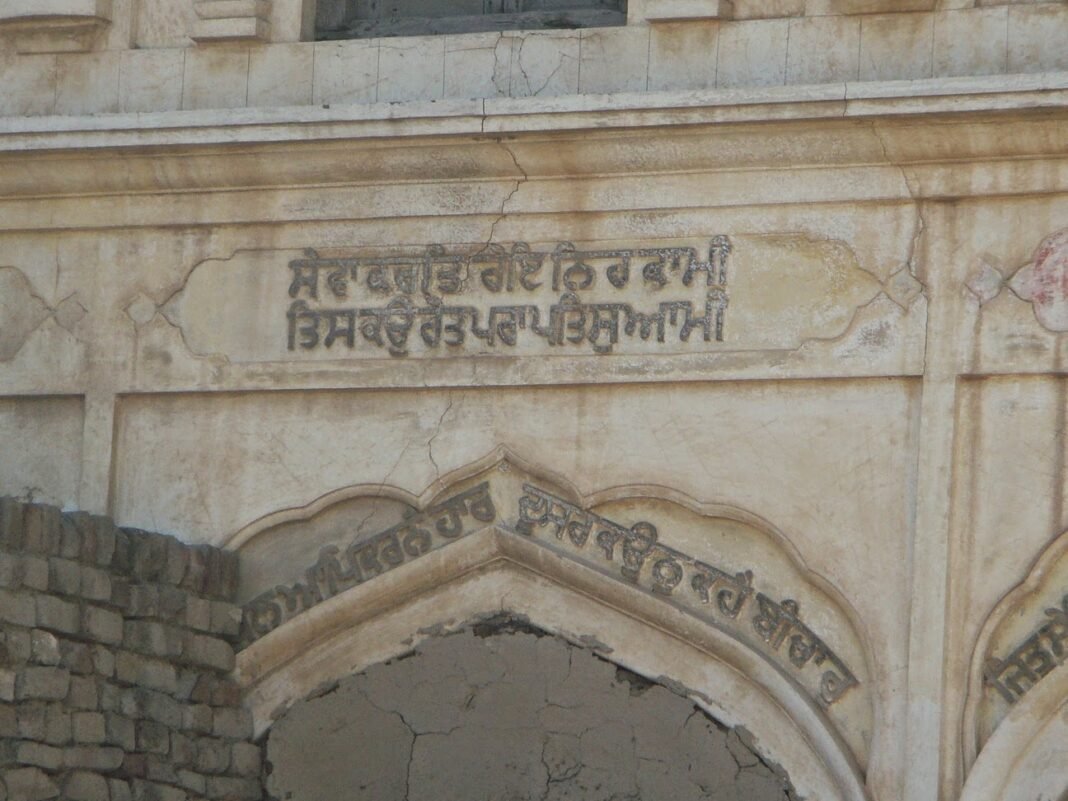
The shrine marks the visit of Guru Hargobind Sahib Ji — “Sat Gur Hargobind Ji” in the old Punjab accounts — to this town. The tradition recorded at the site is simple and consistent: the Guru came here from Wazirabad and, after his stay, went on to grace Hafizabad. A small darbar was built to commemorate the visit. Its design is modest but graceful: a beautiful dome crowns the top, the floor is laid in marble, verses of the Granth Sahib are inscribed on the walls, and the right-hand door of the gurdwara opens into a big garden that forms part of the darbar complex. In the old days the shrine also had an inn (sarai), and Gujjar families settled in that inn and made the precinct their home.
The shrine’s modern history carries one dramatic episode. During the monsoon of 1992, lightning struck the dome of the darbar and the top of the cupola burnt. The building survived, and the damaged dome was repaired — a reminder that even quiet places have their own weather of the past. Guru Hargobind himself, born in 1595 at Guru Ki Wadali near Amritsar and the son of Guru Arjan Dev, is the Guru of both the saint and the soldier: he wore the two swords of miri and piri and asked his followers to stand for human liberty and equality. Every gurdwara linked to him, including this small one at Rasul Nagar, carries a trace of that spirit.
Top Things to Do in Gurdwara Chhevin Patshahi, Rasul Nagar
Visit the Domed Darbar
The darbar itself is the heart of the visit. Step inside and take in the marble floor underfoot, the verses of the Granth on the walls, and the dome overhead that survived the lightning strike of 1992. The space is small, which is precisely why it works — a few quiet minutes here carry the weight of the Guru’s pause at this town centuries ago. Photography is fine, but sit for a while first; the shrine rewards stillness.
Walk the Attached Garden
The gurdwara’s right-hand door opens into a big garden that is part of the darbar. It is green, shaded and wonderfully peaceful — the natural place to sit after your visit, read, or simply watch the light move across the dome. For travellers used to crowded shrines, the garden at Rasul Nagar will feel like a gift.
Explore Old Ram Nagar
Give an hour to the town itself. Rasul Nagar’s older streets, its bazaar and its riverside lanes still carry the feel of the Ram Nagar of history. Ask locals about the old name and the shrine — Punjabi towns remember, and you will likely hear stories no book has printed. Combine the walk with a stop at the Chenab bank for the evening light over the water.
Visit the Chenab Riverbank
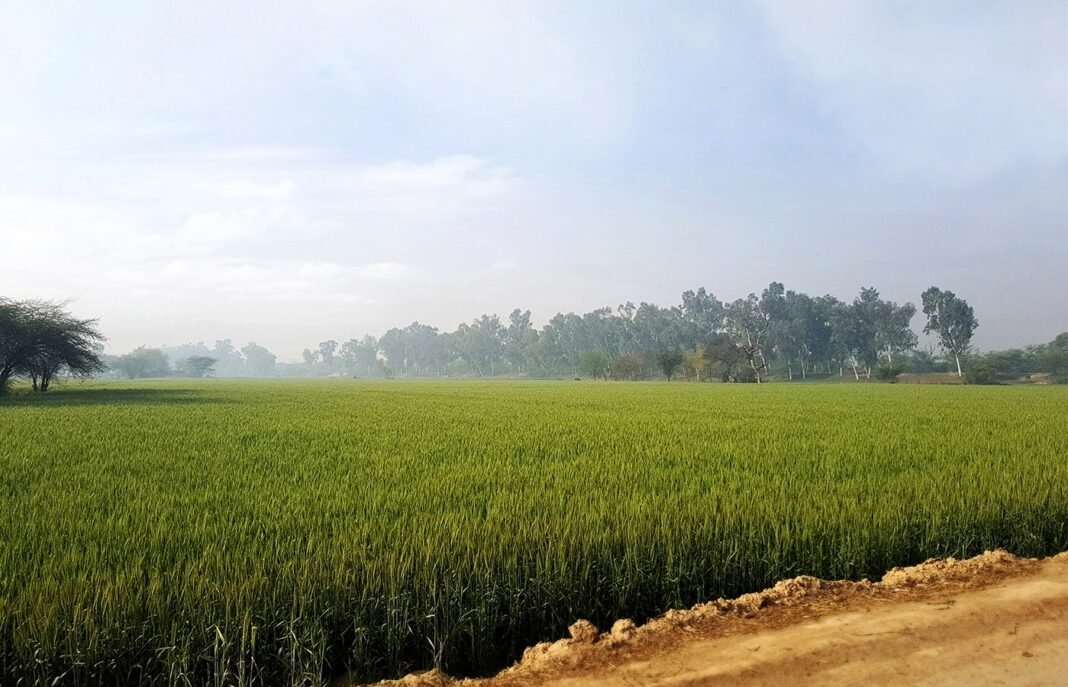
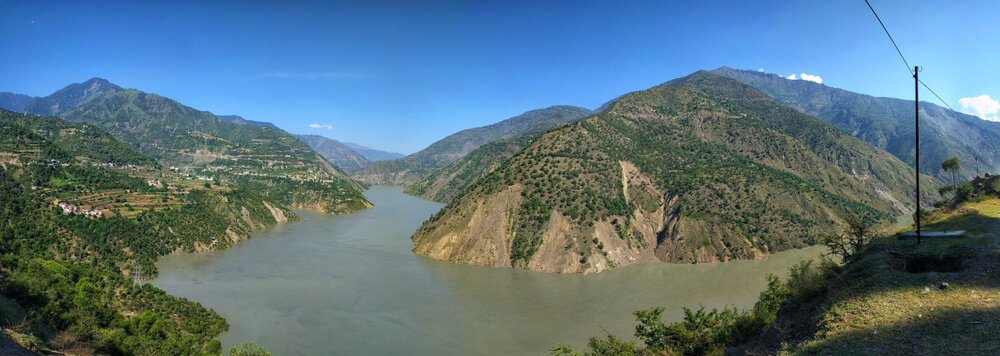
The town sits on the left bank of the Chenab, and the river is the reason Rasul Nagar exists at all. The bank near town is a fine place for a slow evening walk, watching the river roll past the fields. Monsoon months bring the river up and the air alive; winter brings still, misty mornings that photographers love.
Famous Places In and Around Gurdwara Chhevin Patshahi, Rasul Nagar
- Wazirabad — the historic GT Road town the Guru travelled through before reaching Rasul Nagar, known for its cutlery industry and old dak bungalows.
- Hafizabad — the town the Guru graced after leaving Rasul Nagar, worth pairing on the same route.
- Chenab River crossings — old ferry and bridge points along the Wazirabad–Rasul Nagar belt.
- Gujranwala — the district city, famous across Pakistan as a food capital.
How to Reach Gurdwara Chhevin Patshahi, Rasul Nagar
Reaching this gurdwara is straightforward. Rasul Nagar lies inside Tehsil Wazirabad in Gujranwala district, on the left bank of the Chenab, and the shrine stands inside the town itself. There are no mountain passes, no seasonal closures and no jeep tracks — just flat Punjab plains with good metalled roads.
- From Lahore (around 100 km, 2–2.5 hours): Take the GT Road (N-5) north toward Gujranwala and Wazirabad. From Wazirabad, local roads lead down to Rasul Nagar on the Chenab bank. The town is well connected by local transport, and a hired car or a ride-share van from Wazirabad is easy to arrange.
- From Islamabad (around 270 km, 4–4.5 hours): Take the M-2 toward Lahore, exit toward Gujranwala/Wazirabad and continue on the GT Road. The drive is entirely motorway and highway, comfortable in every season.
- From Karachi (around 1,220 km, 14–16 hours by road): Fly to Lahore and continue by road, or take the full N-5 highway route via Hyderabad, Sukkur and Multan. For a heritage trip, most visitors from Karachi fly into Lahore and make Rasul Nagar a day trip.
The nearest airport is Allama Iqbal International Airport, Lahore. From there the drive to Rasul Nagar via Wazirabad takes about two and a half hours. For rail travellers, Wazirabad Junction on the Karachi–Peshawar main line is the closest major station; from the station, vans and rickshaws run to Rasul Nagar. Road conditions are good year-round, though winter fog in December and January can slow early-morning driving — plan to leave after the fog lifts.
Route Details
Lahore → Rasul Nagar: Start on the GT Road (N-5) from Lahore via Shahdara → Gujranwala (about 68 km) → Wazirabad (about 101 km). At Wazirabad, take the local road toward Rasul Nagar on the Chenab bank; the gurdwara is inside the town — ask for “Gurdwara Chhevin Patshahi” or “Chhevin Patshahi da darbar”. Islamabad → Rasul Nagar: M-2 to the Gujranwala/Wazirabad exit → GT Road → Wazirabad → Rasul Nagar. Karachi → Rasul Nagar: Best done as fly-to-Lahore plus the Lahore route above.
Where to Stay in Gurdwara Chhevin Patshahi, Rasul Nagar
Rasul Nagar is a small town, so plan your night stays in the bigger cities around it. Most visitors do this trip as a day excursion from Lahore, where the full range of luxury hotels, mid-range hotels and guesthouses is available. Gujranwala, about an hour away, also has a solid spread of mid-range hotels and is convenient if you are pairing the gurdwara with the district city. For travellers who want to stay close to the town, Wazirabad has simple guesthouses and budget hotels along the GT Road. There is no formal camping culture here, and the shrine itself has no guest facilities for tourists, so book your room in Lahore or Gujranwala and drive in for the day.
Where to Eat: Local Foods of Gurdwara Chhevin Patshahi, Rasul Nagar
The food belt around Rasul Nagar is classic central Punjabi. In Rasul Nagar town itself you will find small dhabas serving dal, sabzi, roti and chai — honest roadside food at very budget-friendly prices. Gujranwala, the nearest big city, is famous across Pakistan for its food culture: hearty breakfasts, barbecue and sweets, so plan a meal stop there on the way back. Along the Chenab belt, fresh river fish (often rohu) prepared at local eateries is a popular treat. Sweet shops in the town sell barfi, jalebi and gulab jamun; a simple full meal at a dhaba typically costs very little, and even a generous family spread in Gujranwala’s food streets stays comfortably in the budget to mid-range bracket.
Weather in Gurdwara Chhevin Patshahi, Rasul Nagar
Rasul Nagar sits on the low plains of central Punjab by the Chenab, so expect the classic plains climate: blazing summers, a humid monsoon, and short, misty winters. The best months for a visit are the mild ones, when the garden and the riverbank are at their most pleasant.
| Season | Temperature Range | Conditions |
|---|---|---|
| Winter (Dec–Jan) | 4–15°C | Cold mornings with dense fog; mild sunny afternoons, ideal for sightseeing once fog lifts |
| Spring (Feb–Apr) | 15–30°C | Pleasant and green; the gurdwara garden is at its best, perfect visiting weather |
| Summer (May–Jul) | 30–45°C | Hot and dry; carry water, visit early morning or late afternoon |
| Autumn/Monsoon (Aug–Nov) | 25–38°C | Humid monsoon rain in Jul–Aug; the Chenab swells, the garden turns lush, roads stay open |
Language and Culture of Gurdwara Chhevin Patshahi, Rasul Nagar
The language of Rasul Nagar is Punjabi in the Majhi dialect of central Punjab, with Urdu widely understood and spoken. English works in Gujranwala and Wazirabad’s hotels and restaurants. The town is Muslim-majority with deep Punjabi rural customs: hospitality to guests is taken seriously, and visitors to the shrine are welcomed warmly. As with any religious site in Pakistan, dress modestly — cover your head inside the darbar, remove your shoes before entering, and avoid smoking or loud behaviour on the shrine premises. If you visit the Chenab bank, respect private farmland and do not wander onto cultivated fields without asking.
Shopping in Gurdwara Chhevin Patshahi, Rasul Nagar
Rasul Nagar has a traditional small-town bazaar where you can pick up everyday Punjabi items — handloom cloth, spices, and local sweets. For serious shopping, head to Gujranwala: the city is known for its steel and cutlery industry, so quality kitchen knives and utensils make practical souvenirs, alongside embroidered fabrics and dry fruits from the main bazaars. There is no shopping mall in Rasul Nagar itself; the town’s charm is its bazaar lanes, not retail arcades.
Travel Tips for Gurdwara Chhevin Patshahi, Rasul Nagar
Packing Essentials
A head covering (a rumal or scarf) for the darbar, comfortable walking shoes for the town lanes and riverbank, sunscreen and a water bottle in summer, and a warm layer plus something to cover your head and shoulders in winter. Keep small cash — the town bazaar and dhabas run on it.
Safety Tips
This is a peaceful, settled town on the Punjab plains; travellers, including families and solo visitors, are safe here. Standard Pakistan travel sense applies: keep valuables discreet, avoid driving in dense winter fog, and check river conditions before walking far along the Chenab in monsoon season.
Money & Connectivity
ATMs are available in Wazirabad and Gujranwala; carry enough cash for Rasul Nagar town itself. All major mobile networks (Jazz, Telenor, Zong, Ufone) have coverage in the area, and 4G data generally works.
Best Time to Visit Gurdwara Chhevin Patshahi, Rasul Nagar
November to March — The Ideal Window
This is when the travel guides point you here, and they are right. Winter days are mild and clear, the gurdwara garden is pleasant, and the Chenab bank glows in soft afternoon light. Early mornings can be foggy, so start after 10 am for the clearest views.
February to April — Green and Gentle
Spring turns the whole Chenab belt green. The weather is warm without the summer’s bite, making it the loveliest season for long walks through the town and along the river. If you love photography, this is your window.
May to September — For the Committed
Summer heat and monsoon humidity make midday visits hard work, but the monsoon does bring the garden and the riverbank dramatically alive. Visit early morning or late evening, and you will still have a memorable trip — just carry water and expect afternoon rain in July and August.
October — The Quiet Sweet Spot
Post-monsoon October is underrated: the heat breaks, the fields are green, crowds are nonexistent, and the light is beautiful. If you can only pick one month, October is hard to beat.
Final Thoughts
Gurdwara Chhevin Patshahi at Rasul Nagar is not a destination you visit to tick a box; it is a destination you visit to feel something. A small marble-floored darbar, a dome that lightning once struck and men repaired, a garden door, a river town with an old name — it all adds up to a few hours of rare calm in the middle of busy Punjab. This is heritage travel at its most human: no ticket counters, no queues, just a shrine and a town and the story of a Guru who paused here on his way.
So if you are putting together a Punjab heritage route — or just want a meaningful day out from Lahore — give Rasul Nagar a slot. Pair it with Wazirabad on the way and the Chenab bank at sunset, and you will come home with the kind of travel memory that the famous sights rarely give you. For more ideas in the same spirit, browse our Explore Pakistan collection — from the mountain valleys of Hunza to the slopes of Malam Jabba. Plan for the mild months, travel light, sit a while in the garden, and let the quiet do its work.
FAQs
Where is Gurdwara Chhevin Patshahi, Rasul Nagar?
It is inside Rasul Nagar town (historically Ram Nagar), on the left bank of the River Chenab in Tehsil Wazirabad, Gujranwala district, Punjab.
Which Guru is the Rasul Nagar gurdwara linked to?
Guru Hargobind, the Sixth Sikh Guru. He stopped here travelling from Wazirabad toward Hafizabad, and the small darbar commemorates his visit.
What is the best time to visit Gurdwara Chhevin Patshahi, Rasul Nagar?
November to March is ideal, with October and spring (February–April) also excellent. Summers are very hot and the monsoon (July–August) is humid.
How do I reach Rasul Nagar from Lahore?
Drive the GT Road via Gujranwala to Wazirabad (about 101 km), then take the local road to Rasul Nagar on the Chenab bank. The trip takes about 2–2.5 hours.
Is it safe for families and solo travellers?
Yes. Rasul Nagar is a peaceful plains town. Normal travel precautions apply, but families and solo visitors are welcome and safe here.
Where can I stay near the gurdwara?
Most visitors day-trip from Lahore, which has the full range of hotels. Gujranwala and Wazirabad have mid-range and budget options closer by.
What food will I find around Rasul Nagar?
Classic Punjabi dhaba food in town, fresh river fish along the Chenab belt, and Gujranwala’s famous food streets (hearty breakfasts, barbecue, sweets) an hour away.
What happened to the gurdwara’s dome?
During the monsoon of 1992, lightning struck the dome and the top of the cupola burnt. The shrine was repaired and stands in good order today.