Quick Facts
- Location: South-eastern outskirts of Dipalpur town, Dipalpur Tehsil, Okara district, Punjab.
- Historic Note: Dipalpur is a great historical city and was once the capital of Punjab; today it is the tehsil headquarters of Okara district.
- Famous For: The shrine of Guru Nanak Dev Ji, the founder of Sikhism — the site of the dead pipal tree that turned green again, and the grave of the leper Nuri (Nauranga) whom the Guru cured.
- Altitude: Around 185 metres above sea level — flat Punjab plains.
- Nearest City: Okara, about 25 km away; Lahore about 110 km.
- Accessibility: Metalled roads all the way; reachable from Lahore via the N-5 (turn at Renala Khurd before Okara) in about 2.5 hours.
- Known Landmarks: The vacant darbar, the sacred pipal tree, and Nuri’s grave behind the gurdwara.
- Best For: Sikh heritage pilgrims, history buffs, photographers, travellers hunting for Punjab’s forgotten stories.
Why Visit Gurdwara Chota Nanakiana, Dipalpur
If you are planning a trip to Gurdwara Chota Nanakiana, Dipalpur, here is the honest pitch: you are not going for a grand monument. You are going for a story. On the south-eastern edge of one of Punjab’s oldest cities stands a quiet shrine to Guru Nanak Dev Ji — the place where, tradition says, he made his abode under a dead pipal tree that burst back into leaf, and where he healed a leper named Nuri whose grave still lies behind the gurdwara. Stories like that do not live in museums; they live in the soil, and Dipalpur’s soil remembers.
The second reason to visit is Dipalpur itself. This was once the capital of Punjab — let that sink in — and it remains the tehsil headquarters of Okara district, ringed by some of the richest farmland in the province. A day here gives you three Punjabs at once: the ancient city with its old walls and bazaars, the living agricultural Punjab of wheat and dairy, and the spiritual Punjab of a Guru who walked these roads five centuries ago. Few single destinations hand you all three.
The third reason is the rarity of the experience. The darbar here no longer holds daily prakash; it stands vacant and still. That means no crowds, no queues, no noise — just you, the old tree, the grave of Nuri behind the shrine, and the wide Punjab sky. For travellers who collect moments rather than selfies, the silence at Chota Nanakiana is worth the drive on its own. And the drive is an easy one: from Lahore it is barely two and a half hours on the N-5, with Okara just 25 km away for anything you need.
History of Gurdwara Chota Nanakiana, Dipalpur
To understand the shrine, start with the city. Dipalpur is described in the old accounts as a great historical city, and it once served as the capital of Punjab. Today it is the tehsil headquarters of Okara district, but its streets still carry the weight of that past — old walls, old bazaars, and a position on the ancient routes of the lower Punjab. It was into this landscape, during his travels, that Guru Nanak Dev Ji came.
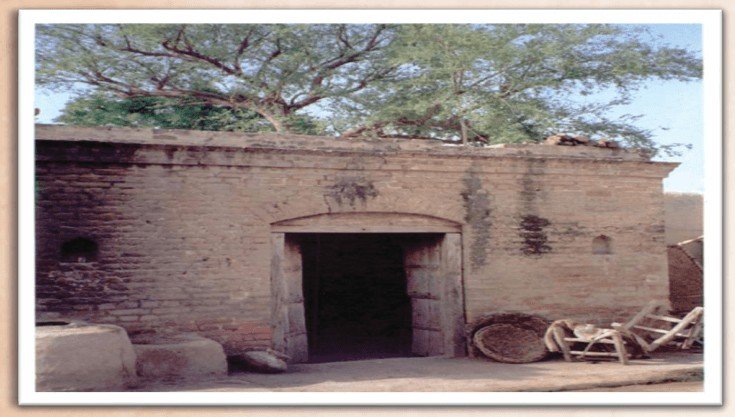
The gurdwara stands gracefully outside the town on its south-eastern side and is called Gurdwara Chota Nanakiana Sahib. The tradition recorded by Iqbal Qaiser in his survey of historic Sikh shrines in Pakistan runs like this: Guru Dev Ji made his abode under a dead pipal tree, and the tree became green again — it is said to be standing even today. Here he also cured a leper named Nuri (also remembered as Nauranga), whose grave lies behind the Gurdwara Sahib. The miracle of the tree and the healing of Nuri are the two pillars of the site’s sanctity: a symbol of life renewed, and a lesson in compassion.
The shrine’s endowments tell of its former standing. Twenty-five ghumaon of land came from the Kamboh Sikhs of Mancharian village, another ghumaon lay outside the town itself, and besides this there was a big estate in the gurdwara’s name. The priests used to be Bedi Singhs. But time and partition thinned everything out: the sources record that prakash — the daily opening of the scripture — no longer takes place here, and only the vacant darbar remains. A poignant footnote survives in the record: Bhai Hazoor Singh Sehaj Dhari, a descendant of Bhai Nathoo Ram, kept in his house the cot (manji) granted by Guru Har Rai Ji — 5.75 feet long, 3 feet wide and 1.25 feet high, woven with red and white thread, with colourful legs, made of black wood — along with an almirah of engraved wood said to have been granted, together with a copy of the Guru Granth Sahib, by the Tenth Guru. Those relics now live only in memory and on the pages of books, but the pipal tree and the quiet darbar still stand.
Top Things to Do in Gurdwara Chota Nanakiana, Dipalpur
Stand Under the Pipal Tree
This is the moment the whole trip is built around. Find the pipal tree on the gurdwara grounds — the one tradition says was dead when Guru Nanak rested beneath it and green again when he rose. Whether you read the story as miracle or metaphor, standing under its canopy is a genuinely moving few minutes. It is one of those rare places where a living tree is the monument.
Visit the Grave of Nuri
Behind the gurdwara lies the grave of Nuri (Nauranga), the leper the Guru is said to have cured. It is a simple, unadorned spot, and that simplicity is its power — a reminder that the Guru’s compassion reached the people society had cast aside. Walk there quietly and take a moment; this is the emotional heart of Chota Nanakiana.
Explore the Vacant Darbar
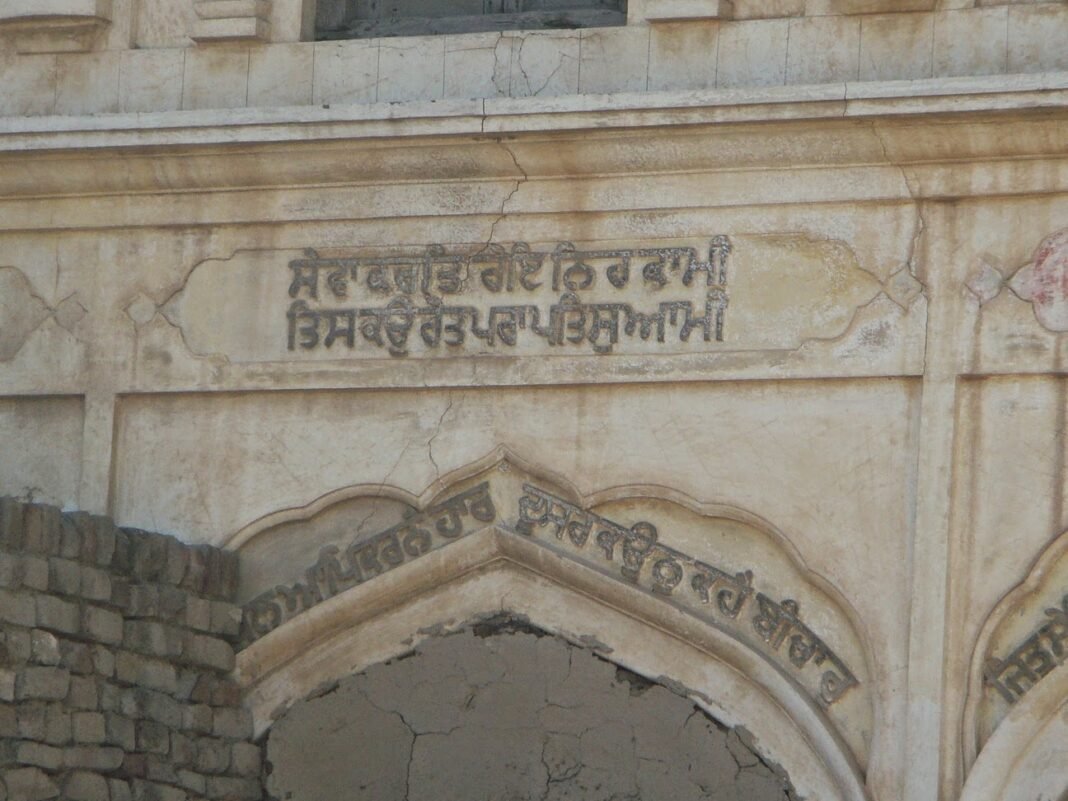
The darbar no longer hosts daily prakash, but its emptiness has its own eloquence. Step inside, take in the stillness, and think about the Bedi Singh granthis who once served here and the estate that once sustained the shrine. Heritage lovers will find the fading details — old plaster, old doorways — as evocative as any polished museum.
Walk Old Dipalpur
Give the afternoon to the city that was once Punjab’s capital. Dipalpur’s old bazaars, its walls and its layered streets reward a slow walk. Stop for tea, ask about the old city, and feel the difference between a town that is ancient and a town that merely looks old — Dipalpur is the former.
Famous Places In and Around Gurdwara Chota Nanakiana, Dipalpur
- Dipalpur old city — the historic core of the former capital of Punjab, with old bazaars and lanes.
- Gurdwara Ajeet Sar, Chak 11/1-L — another historic shrine of the Okara belt, on Renala Road.
- Okara city — the district capital, 25 km away, for markets, food and hotels.
- Renala Khurd — the N-5 junction town on the Lahore route, 24 km away.
- Hujra Shah Muqeem — the Sufi heritage town 18 km away, with its own Chota Nanakiana site.
How to Reach Gurdwara Chota Nanakiana, Dipalpur
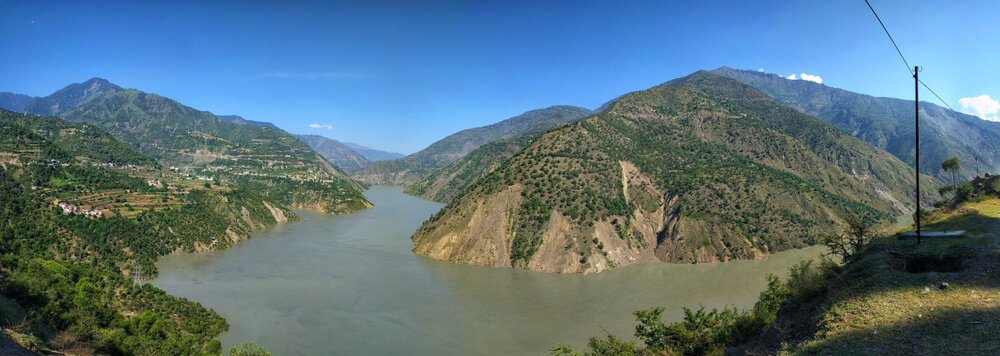
Dipalpur is one of the more accessible heritage towns in Punjab. It sits on the bank of the Sutlej, is reached via the National Highway N-5 (turn left at Renala Khurd before Okara), and lies at an altitude of just 185 metres on flat plains — so roads are good in every season.
- From Lahore (about 110 km, 2–2.5 hours): Take the N-5 (Multan Road) south. Turn at Renala Khurd toward Dipalpur. The gurdwara stands on the south-eastern side just outside the town.
- From Islamabad (about 340 km, 5–6 hours): Take the M-2 to Lahore, then the N-5 south as above. Alternatively, route via Faisalabad for a different view of the plains.
- From Karachi (about 916 km to Dipalpur, 12–14 hours by road): Fly to Lahore and continue by road, or take the full highway route north. Most visitors from Karachi do the fly-plus-drive option.
The nearest airport is Allama Iqbal International Airport, Lahore. For rail travel, Okara station on the Karachi–Peshawar main line is the closest major stop, just 25 km from Dipalpur; from Okara, vans and rickshaws run regularly. Local transport within Dipalpur is by rickshaw and Qingqi. Roads are metalled and open year-round, though December–January fog can slow early-morning driving on the N-5.
Route Details
Lahore → Dipalpur: N-5 south past Pattoki and Renala Khurd → turn toward Dipalpur → town centre → continue to the south-eastern outskirts; the gurdwara is outside the town on that side — ask for “Chota Nanakiana”. Islamabad → Dipalpur: M-2 to Lahore → N-5 south as above. Karachi → Dipalpur: Fly to Lahore, then follow the Lahore route.
Where to Stay in Gurdwara Chota Nanakiana, Dipalpur
Dipalpur is a town, not a tourist hub, so manage expectations on stays. Most visitors make this a day trip from Lahore, which has the complete range from luxury to budget hotels. Okara, just 25 km away, has a decent selection of mid-range hotels and guesthouses that work well for an overnight base — and the drive to Dipalpur from Okara is barely half an hour. Dipalpur town itself has simple local guesthouses for the truly adventurous, but book through a local contact if possible. There are no resorts or camping facilities; this is a day-trip destination with Okara or Lahore as your base.
Where to Eat: Local Foods of Gurdwara Chota Nanakiana, Dipalpur
This is the dairy belt of Punjab, and it shows on the plate. Okara district is famous for its milk, so do not leave without trying a proper glass of lassi — thick, creamy, and a world away from the bottled stuff. Dipalpur’s dhabas serve the Punjabi classics: dal, saag, makki di roti in season, karahi and fresh tandoori rotis, all at very budget-friendly prices. Sweet shops sell barfi, jalebi and patisa; a filling dhaba meal costs little, and even a generous family dinner in Okara stays comfortably affordable. If you visit in winter, ask for sarson da saag — the region grows it, and it tastes like the place.
Weather in Gurdwara Chota Nanakiana, Dipalpur
Dipalpur sits at 185 metres in an arid plains climate (Köppen BWh): hot summers, mild winters, and a short monsoon. The mild months are the sweet spot for exploring the shrine and the old town on foot.
| Season | Temperature Range | Conditions |
|---|---|---|
| Winter (Dec–Jan) | 4–15°C | Cool and often foggy in the mornings; sunny, pleasant afternoons — good visiting weather after the fog lifts |
| Spring (Feb–Apr) | 15–32°C | Warm and green; the best season for walking the old town and sitting under the pipal tree |
| Summer (May–Jul) | 32–45°C | Very hot and dry; visit at dawn or dusk, carry water, rest midday |
| Autumn/Monsoon (Aug–Nov) | 25–38°C | Monsoon humidity in Jul–Aug with short heavy showers; October onward turns dry and golden |
Language and Culture of Gurdwara Chota Nanakiana, Dipalpur
Punjabi is the mother tongue here, in the dialect of the lower Punjab (Jhangochi/Malwi colouring), and Urdu is universally understood. English works in Okara’s hotels and among educated locals. Dipalpur is a conservative, agricultural town: dress modestly, greet elders with respect, and remember you are a guest in a living community, not a theme park. At the shrine, cover your head, remove your shoes, and keep your voice low — the vacant darbar’s stillness is part of its sanctity. If you photograph locals, ask first; a smile and a request in Punjabi or Urdu goes a long way.
Shopping in Gurdwara Chota Nanakiana, Dipalpur
Dipalpur’s bazaar is a working town market rather than a tourist souk: cloth merchants, spice shops, steel utensils and fresh produce. Pick up Punjabi khaddar cloth, local spices, and sweets like patisa and barfi to take home. For a wider selection — embroidered fabrics, dry fruits, and city-style shopping — Okara’s markets, 25 km away, have you covered. There is no shopping mall in Dipalpur; the charm here is the old bazaar, not the arcade.
Travel Tips for Gurdwara Chota Nanakiana, Dipalpur
Packing Essentials
A head covering for the shrine, comfortable walking shoes (town lanes are uneven), sunscreen and water in summer, a warm layer for winter mornings, and cash in small notes — Dipalpur’s dhabas and bazaar are cash economies.
Safety Tips
Dipalpur is a settled, peaceful town; families and solo travellers are safe. The usual rules apply: keep valuables discreet, avoid driving the N-5 in dense morning fog, and do not climb on old or unstable structures at heritage sites.
Money & Connectivity
ATMs are available in Okara and Dipalpur town; carry cash for the shrine area and dhabas. All major networks (Jazz, Telenor, Zong, Ufone) cover the area with 4G data.
Best Time to Visit Gurdwara Chota Nanakiana, Dipalpur
November to March — The Ideal Window
Mild days, clear skies, and the pipal tree at its most photogenic. This is when the shrine and the old town are most comfortable to explore. Start after 10 am to dodge the morning fog.
February to April — Spring at Its Best
The fields around Dipalpur turn green and the weather is warm without being punishing. Arguably the loveliest season for the slow traveller — combine the shrine with long walks through the old city.
May to September — The Hot Season
Summer heat is serious here (up to 45°C), and the monsoon brings humidity. If you must come, go at dawn, rest through midday in Okara, and return for the golden evening light at the shrine.
October — The Quiet Sweet Spot
Post-monsoon October is a sleeper hit: the heat breaks, the countryside is green-gold, and you will have the darbar, the tree and the grave entirely to yourself.
Final Thoughts
Gurdwara Chota Nanakiana at Dipalpur is a small place with a large story. A dead tree that turned green. A leper who was healed and is still remembered. A shrine that once held estates and granthis and now holds only stillness. Places like this are why Punjab’s back roads are worth driving: they remind you that history is not only in forts and museums, but in a pipal tree on the edge of a former capital, waiting for someone to stop and listen.
So put Dipalpur on your Punjab map. Pair the shrine with the old city, a glass of Okara lassi, and the short hop to Gurdwara Ajeet Sar on Renala Road — and if you are hungry for more, our Explore Pakistan collection covers everything from Hunza’s peaks to Malam Jabba’s slopes. Travel in the mild months, bring an open heart, and let Dipalpur tell you its story.
FAQs
Where is Gurdwara Chota Nanakiana, Dipalpur?
On the south-eastern outskirts of Dipalpur town, in Dipalpur Tehsil of Okara district, Punjab — about 110 km south of Lahore.
Which Guru is linked to the Dipalpur gurdwara?
Guru Nanak Dev Ji, the founder of Sikhism. He rested under a dead pipal tree here that turned green again, and cured the leper Nuri (Nauranga).
What is the best time to visit Gurdwara Chota Nanakiana, Dipalpur?
November to March is ideal; February–April is the greenest and loveliest. Summers are extremely hot and best avoided for midday visits.
How do I reach Dipalpur from Lahore?
Take the N-5 (Multan Road) south and turn at Renala Khurd toward Dipalpur — about 110 km, roughly 2–2.5 hours by car.
Is the shrine still active?
Daily prakash no longer takes place; the darbar stands vacant but is still visited by pilgrims and heritage travellers. The pipal tree and Nuri’s grave remain.
Where can I stay near Dipalpur?
Okara (25 km away) has good mid-range hotels and guesthouses; most visitors day-trip from Lahore, which has the full range of options.
What food is Dipalpur known for?
Okara-belt dairy — especially thick lassi — plus classic Punjabi dhaba food: dal, saag, makki di roti in season, karahi and fresh tandoori rotis.
What else can I see nearby?
Dipalpur’s old city (once Punjab’s capital), Gurdwara Ajeet Sar at Chak 11/1-L on Renala Road, the Sufi town of Hujra Shah Muqeem 18 km away, and Okara city.