Quick Facts
- Location: Hardusahari village (two villages named Sahari, in tehsil and district Kasur, Punjab, Pakistan); the shrine stands on the outskirts on a small mound
- Altitude: around 200 metres above sea level, on the Punjab plain
- Famous For: the gurdwara and samadh of Pir Sahari Chhina Jat — a Sikh of Guru Amar Das Ji whose shrine is today cared for by a Muslim fakir
- Nearest City: Kasur; Lahore about 55 km north
- Accessibility: reached by tonga (horse carriage) from Kot Murad Khan, Kasur — or by rail to Bhilla Hatthar station and onward to the village
- Known Landmarks: the gurdwara building, Pir Sahari’s samadh with its Quranic-verse cloth, the old sarovar site, Kasur city with the shrine of Baba Bulleh Shah
- Best For: interfaith travellers, heritage seekers, photographers of rural Punjab, and anyone moved by stories of harmony
Why Visit Gurdwara Sahari Pir, Hardusahari
There are places you visit for beauty, and places you visit for meaning. Gurdwara Sahari Pir gives you both, but it is the meaning that will follow you home. On a small mound outside a quiet Kasur village stands a gurdwara built for a man who refused, even in death, to divide people. Pir Sahari — a Chhina Jat who became a Sikh in the time of Guru Amar Das Ji, the third Sikh Guru — left a will with an extraordinary instruction: place his body upright, enclose it within walls at the cremation ground, so that no one would be hurt, whether they bury their dead or burn them.
Read that again. In the 16th century, a holy man used his own funeral to make sure two faiths would never quarrel over him. Today his samadh stands beside the gurdwara, covered with a cloth bearing Quranic verses, while Muslim villagers recite the Quran at it and a Muslim fakir looks after the shrine. If you have ever despaired at headlines about division, come and stand here. This is Punjab’s other story — the one about shared saints, shared soil, and shared reverence — and it is still being lived, every single day, in Hardusahari.
The setting is part of the magic. The shrine sits on a mound ringed with trees, wrapped in the green fields of the Kasur countryside, with an annual fair that still draws devotees from both communities. There are no crowds of tourists, no souvenir stalls — just the building, the samadh, the fakir who keeps the lamps, and a silence full of history. For travellers building a real understanding of Punjab’s spiritual landscape, this is one of the most honest stops you can make.
Pair it with Kasur city’s own great saint — Baba Bulleh Shah, the Sufi poet who taught that love dissolves all boundaries — and you have a day trip from Lahore that reads like a single poem about what this land has always believed: that the divine belongs to everyone.
History of Gurdwara Sahari Pir, Hardusahari
The story begins with the village itself. In tehsil and district Kasur there are two villages by the same name — Sahari — and together they are called Hardusahari, because hardu is the Persian word for “both”. It was in this countryside, in the 16th century, that a Chhina Jat named Sahari heard of the spreading fame of Guru Amar Das Ji (1479–1574), the third Sikh Guru. Drawn to the Guru’s teachings, he became a Sikh and lived as a devout follower for the rest of his life, growing into such a figure of sanctity that people began to call him Pir Sahari — the saint of Sahari.
What made Pir Sahari remarkable was not only his devotion but his vision of harmony. Sikh tradition records his dying wish: that after his death, his body should be placed in an upright position and built within walls at the cremation ground — neither buried in the Muslim manner nor cremated in the Hindu/Sikh manner — so that no community would be hurt or offended. It was a final act of peacemaking, and it worked. For centuries since, both Sikhs and Muslims have claimed him with love rather than rivalry.
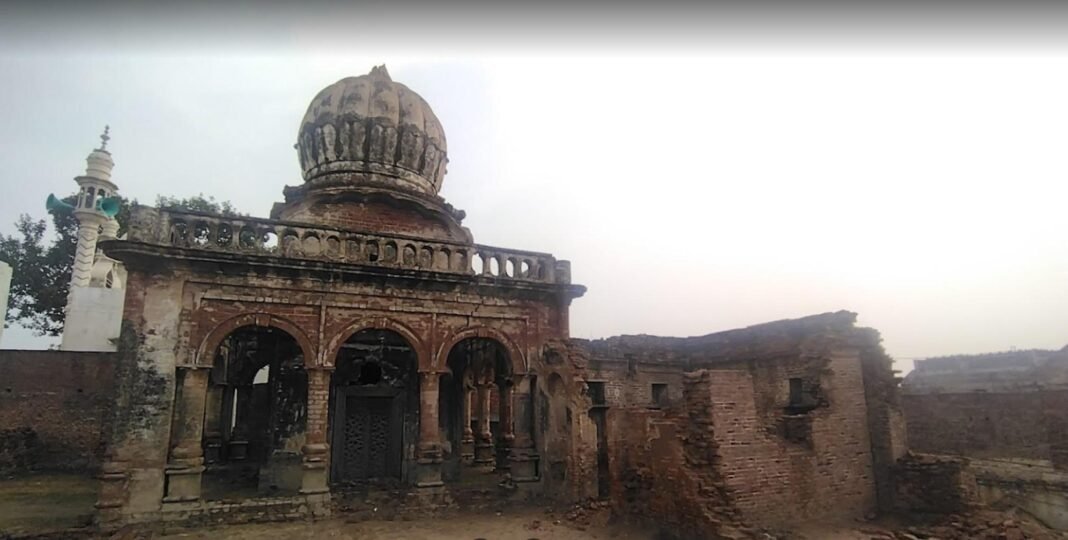
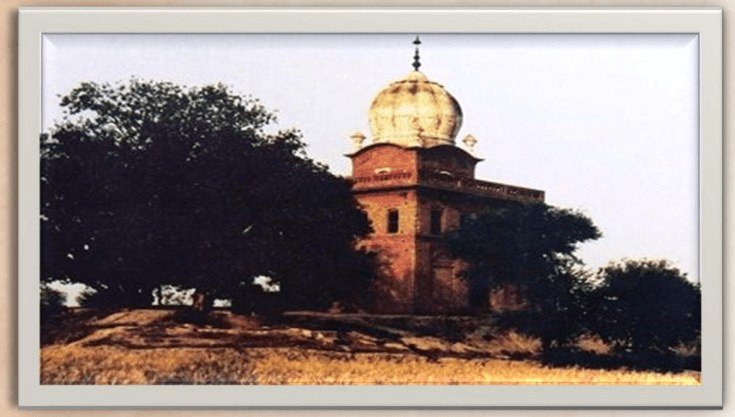
A gurdwara was raised on the outskirts of the village, with Pir Sahari’s samadh (memorial shrine) built adjacent to it on the mound. The shrine was endowed with 85 ghumaon of agricultural land in the village — a substantial grant that speaks to the esteem in which he was held. A sarovar (holy tank) once stood beside the gurdwara for devotees to bathe in before entering; over the decades it has turned into a pool of stagnant water, though the building itself remains strong. After the Partition of 1947, with the Sikh community gone, the shrine passed into the care of the village’s Muslim residents — and they have kept faith with it ever since. The samadh is now covered with a sheet of cloth bearing Quranic verses, Muslim villagers recite the Quran there, and a Muslim fakir tends the shrine daily. An annual fair is still held at the site, drawing devotees from both communities to pay homage and seek blessings — the living continuation of Pir Sahari’s will.
Top Things to Do in Gurdwara Sahari Pir, Hardusahari
Pay Respects at the Samadh of Pir Sahari
The samadh, on the mound beside the gurdwara, is the soul of this place. Approach it quietly, note the cloth with Quranic verses that covers it, and reflect on the will that created it — a saint’s final instruction that two faiths should never quarrel over his body. If the resident fakir is present, greet him respectfully; he is the living keeper of this remarkable tradition.
Visit the Gurdwara Building
The gurdwara itself, described by surveyors as strong and well-built, stands adjacent to the samadh. Remove your shoes, cover your head, and step inside with the reverence any house of worship deserves. The building’s solidity — it has outlasted Partition, decades of quiet, and the slow press of time — is a testament to how deeply this village values it.
Walk the Mound and the Fields
The shrine sits on a small mound surrounded by trees and some of the prettiest farmland in Kasur district. Walk the mound slowly, look out over the green fields, and photograph the shrine against the Punjab sky. Early morning and late afternoon give the best light, and the walk itself — past water channels, buffaloes, and waving wheat — is pure rural Punjab.
Visit Kasur City and Baba Bulleh Shah’s Shrine
No trip to this corner of Punjab is complete without Kasur, the historic city of the great Sufi poet Baba Bulleh Shah. His shrine draws devotees of all faiths with its qawwali evenings and its message of divine love beyond ritual. Pairing Bulleh Shah with Pir Sahari in a single day gives you the full arc of Punjab’s inclusive spiritual tradition.
Time Your Visit for the Annual Fair
An annual fair is held at the shrine, drawing Sikh and Muslim devotees together for homage and blessings. The exact dates vary year to year — ask locally in Kasur before you travel. If your visit coincides with it, you will witness the living heart of this place: two communities, one saint, one celebration.
Famous Places In and Around Gurdwara Sahari Pir, Hardusahari
- Kasur city — historic walled city, shrine of Baba Bulleh Shah, and the famous Kasur Museum area
- Gurdwara Sahib, Daftu — the 18th-century shrine where Baba Bulleh Shah once took refuge, in Kasur district (see our full travel guide)
- Gurdwara Bhai Bahlol, Qadiwind — another Kasur-district Sikh heritage site
- Gurdwara Malji Sahib, Kanganpur — a Guru Nanak-associated shrine in Kasur district
- Ganda Singh Wala border — the India–Pakistan border crossing near Kasur, with its flag-lowering ceremony
- Lahore — 55 km north, with the old city’s gurdwaras, Badshahi Mosque, and food streets
How to Reach Gurdwara Sahari Pir, Hardusahari
Hardusahari is a village journey — the last stretch is part of the adventure. Most travellers come from Lahore via Kasur, then continue by local transport into the countryside. Plan this as a full day trip, and start early.
- From Lahore: about 55 km south to Kasur city (roughly 1 to 1.5 hours by car via Ferozepur Road). From Kasur, take a tonga (horse carriage) from Kot Murad Khan to Hardusahari village — the traditional and most characterful way to arrive.
- From Islamabad: about 430 km via the M-2 Motorway to Lahore, then onward to Kasur — roughly 6 to 7 hours total by car. Most visitors overnight in Lahore.
- From Karachi: about 1,400 km — fly or take the train to Lahore, then drive to Kasur and the village.
- By train: the nearest railhead is Bhilla Hatthar railway station; from there, continue to the village by tonga or rickshaw.
Nearest airport: Allama Iqbal International Airport, Lahore — roughly 70 km (about 2 hours) from Hardusahari via Kasur.
Road conditions: Ferozepur Road to Kasur is a major highway in fair condition; village link roads are paved but narrow. The tonga ride from Kot Murad Khan is slow and bumpy — embrace it as part of the experience. Avoid the monsoon months (July–September) for the village tracks.
Transport options: private car to Kasur, then tonga or rickshaw to the village. Public vans and buses connect Lahore with Kasur frequently; from Kasur’s main stops, tongas and rickshaws serve the surrounding villages.
Route Details
- From Lahore, drive south on Ferozepur Road to Kasur (about 55 km).
- In Kasur, head to Kot Murad Khan and hire a tonga for Hardusahari — tell the driver “Gurdwara Sahari Pir”.
- Alternatively, take a train to Bhilla Hatthar station and continue by tonga/rickshaw.
- The shrine is on the outskirts of the village, on a small mound — visible and known to every villager.
- Allow 1–2 hours at the shrine, plus the Kasur city stop for Baba Bulleh Shah’s shrine on the way back.
Where to Stay in Gurdwara Sahari Pir, Hardusahari
Hardusahari is a village day-visit — there is no accommodation in the village itself. Base yourself in Lahore, 55 km away, which offers everything from luxury hotels to budget guesthouses, and make this a day trip. Kasur city has basic hotels and guesthouses near the main bazaar for travellers who want an early start or a slower pace; they are simple but serviceable, and the city’s food alone is worth the stay. During the shrine’s annual fair, Kasur’s modest hotels fill with visitors from surrounding villages, so book ahead if your dates coincide. For Sikh heritage travellers doing a wider circuit, Nankana Sahib and Lahore together make the most comfortable bases, with Kasur district’s shrines — Sahari Pir, Daftu, Kanganpur, Qadiwind — visited as day excursions.
Where to Eat: Local Foods of Gurdwara Sahari Pir, Hardusahari
Kasur district has its own proud food identity, and this trip is a delicious excuse to explore it. Kasur is famous across Punjab for its falooda — the royal dessert of vermicelli, milk, basil seeds, and ice cream — and for andrassay, the city’s beloved sesame sweets. In the villages around Hardusahari, expect honest Punjabi farm food: sarson ka saag with makki di roti and white butter in winter, dal and fresh tandoori rotis year-round, and lassi so thick you need a spoon. Village dhabas serve generous, budget-friendly meals; a full lunch for two costs very little. In Kasur city’s bazaar, try the fish and barbecue stalls in the evening and finish with falooda from one of the old famous shops. Carry drinking water and snacks for the village portion of the trip, as there are no eateries at the shrine itself.
Weather in Gurdwara Sahari Pir, Hardusahari
Kasur district lies on the Punjab plain near the Indian border, with the classic lowland climate: cold foggy winters, a short spring, a long hot summer, and a humid monsoon. Winter is the ideal season — clear days, cool air, and green fields at their best. The tonga ride and village walks are miserable in peak summer heat, so plan around it. Monsoon rains can make village tracks muddy and slow.
| Season | Temperature Range | Conditions |
|---|---|---|
| Winter (Dec–Feb) | 5°C – 22°C | Cold, foggy mornings; clear afternoons; best visiting season |
| Spring (Feb–Apr) | 15°C – 30°C | Pleasant; fields green and blooming; good for the village walk |
| Summer (May–Jul) | 28°C – 45°C | Very hot; avoid midday village travel; carry water |
| Autumn (Oct–Nov) | 15°C – 30°C | Mild and pleasant; excellent for heritage trips |
Note: the monsoon (July–September) brings heavy rain; village paths around the mound can get slippery.
Language and Culture of Gurdwara Sahari Pir, Hardusahari
Punjabi is the language of the village — the warm, earthy Majhi dialect — with Urdu understood by all. The culture here is defined by the shrine itself: a living tradition of interfaith respect. Muslim villagers speak of “Sahari Pir” with genuine devotion, recite the Quran at his samadh, and welcome visitors of every background. As a guest, return that openness: dress modestly, cover your head at the shrine, remove your shoes, and greet the resident fakir and villagers with a smile and a salaam. Ask before photographing people. This is a conservative rural community where courtesy is currency — a little respect opens every door, and quite possibly a cup of chai as well. The annual fair, when it comes, is the village’s great social event; visitors are welcomed, but remember you are a guest at someone’s sacred celebration.
Shopping in Gurdwara Sahari Pir, Hardusahari
There is no shopping at the shrine, but Kasur city rewards a browse. The city’s famous andrassay (sesame sweets) and other mithai make perfect gifts to carry home — buy them fresh from the old bazaar shops. Kasur is also known for its leatherwork; simple leather goods and traditional khussay are available in the main market at fair prices. During the shrine’s annual fair, temporary stalls sell everyday goods, sweets, and toys in a festive village-market atmosphere. For anything beyond that — books, brands, malls — Lahore is the destination. A book on Baba Bulleh Shah’s poetry, bought in Kasur or Lahore, is the most fitting souvenir of this particular journey.
Travel Tips for Gurdwara Sahari Pir, Hardusahari
Packing Essentials
Headscarf or cap, modest clothing, sturdy walking shoes for the mound and village paths, drinking water, snacks, sun protection, and a camera. In winter, a warm layer for the early tonga ride; in summer, a hat and plenty of water.
Safety Tips
The village is peaceful and visitors are welcomed, but this is a remote rural area — travel in daylight, go with a companion if possible, and keep your phone charged. The old sarovar is a pool of stagnant water; admire it from the edge and do not attempt to enter. Watch your step on the mound’s uneven ground.
Money & Connectivity
Carry cash — there are no ATMs or card facilities in the village; ATMs are available in Kasur city. Mobile coverage from Jazz, Telenor, Zong, and Ufone reaches the village, though data speeds can dip away from the main roads.
Best Time to Visit Gurdwara Sahari Pir, Hardusahari
Winter (November–February) — The Best Season
Cool, clear, and green — perfect for the tonga ride, the mound walk, and long unhurried hours at the shrine. December and January mornings can be foggy; start after the fog lifts.
Spring (February–April) — Lovely
Mild temperatures and blooming fields make the countryside walk a joy. A fine season for photographers and heritage travellers alike.
Summer (May–July) — Avoid Midday
The heat is fierce; if you must travel, go at dawn and return by late morning. The shrine’s shaded mound offers some relief.
Autumn (October–November) — Excellent
Mild weather returns, the fields turn golden-green, and the whole district is at its most welcoming. An ideal window for the Kasur heritage circuit.
Final Thoughts
Gurdwara Sahari Pir, Hardusahari, is small on the map and enormous in meaning. A saint who arranged his own funeral so that two faiths would never fight over him; a samadh covered in Quranic verses beside a gurdwara; a Muslim fakir keeping the lamps of a Sikh saint’s shrine — this is not a story from a textbook. It is happening right now, in a village you have probably never heard of, and it has been happening for centuries.
Go for the history, go for the fields and the quiet mound, but go most of all for the reminder. In a noisy world, Hardusahari whispers something worth hearing: that reverence, once planted, outlives every border. Discover more of Pakistan’s living heritage in our Explore Pakistan series.
FAQs
Where is Gurdwara Sahari Pir, Hardusahari located?
In Hardusahari village (two villages named Sahari), tehsil and district Kasur, Punjab — the shrine stands on the outskirts on a small mound, reached by tonga from Kot Murad Khan, Kasur, or via Bhilla Hatthar railway station.
Who was Pir Sahari?
Pir Sahari was a Chhina Jat who became a Sikh during the time of Guru Amar Das Ji (the third Sikh Guru, 1479–1574) and grew into a saint revered by both Sikhs and Muslims.
Why is his samadh special?
His will asked that his body be placed upright and walled at the cremation ground, so neither those who bury nor those who cremate their dead would be hurt — a final act of interfaith harmony. Today the samadh is covered with a cloth bearing Quranic verses, and Muslim villagers recite the Quran there.
What is the best time to visit?
November to March, when the weather is cool and clear. The shrine also holds an annual fair drawing devotees from both communities — ask locally in Kasur for the dates.
How do I reach it from Lahore?
Drive about 55 km south to Kasur (1–1.5 hours), then take a tonga from Kot Murad Khan to Hardusahari village. Allow a full day for the trip.
Is it suitable for families?
Yes — the village is welcoming and the site is peaceful. Keep children close on the mound’s uneven ground and stay away from the old stagnant sarovar pool.
Is there an entry fee?
No — it is an open village shrine. A small respectful donation to the resident fakir for the shrine’s upkeep is appreciated but never required.
What else can I see nearby?
Kasur city and Baba Bulleh Shah’s shrine, Gurdwara Sahib, Daftu, Gurdwara Bhai Bahlol, Qadiwind, and the Ganda Singh Wala border ceremony.