Some journeys are measured in kilometres. Others are measured in centuries. A trip to Gurdwara Tahli Sahib, Rehsema (Salehpur) is the second kind. Tucked into a quiet village on the Sialkot plains, this is one of those rare places where a seventeenth-century story still hangs in the air — a Guru on his way to Kashmir, a horse tethered to a shisham tree, a village wedding, and a pond that became a place of prayer. If you are building a pilgrimage across the historic Sikh shrines of Pakistan, or if you simply love the idea of standing where history actually happened, this small shrine deserves a place on your map.
Quick Facts
- Location: Eastern side of Rehsema village, now called Salehpur; police station Chaprar, tehsil and district Sialkot, Punjab, Pakistan
- Altitude: Lowland Punjab plains (exact figure not published for the village)
- Famous For: The third shrine marking Guru Hargobind Ji’s visit to Rehsema; the shisham (tahli) tree to which the Guru tied his horse while travelling to Kashmir
- Nearest City: Sialkot (district headquarters)
- Accessibility: Reached by road from Sialkot city, crossing the embankment near Chaprar; nearest airport is Sialkot International Airport
- Known Landmarks: The shrine itself, on the eastern edge of the village; nearby sister shrines Gurdwara Kund Sahib and Gurdwara Gurusar Sahib in the same village
- Best For: Sikh heritage pilgrims, history lovers, photographers of rural Punjab, and travellers tracing the Sikh shrines of the Sialkot region
Why Visit Gurdwara Tahli Sahib, Rehsema (Salehpur)
There are grand gurdwaras with marble domes and golden facades, and then there are shrines like Tahli Sahib — humble, house-like, and heavy with story. This is the third of three shrines in one small village that remember the visit of Guru Hargobind Ji, the sixth Sikh Guru. Three shrines in a single village is itself remarkable, and it tells you something about how deeply this place touched the Guru’s journey. Visiting all three in one trip — Tahli Sahib, Kund Sahib and Gurusar Sahib — is one of the most quietly moving pilgrimage walks you can do in Pakistani Punjab.
The story attached to Tahli Sahib is wonderfully human. The Guru arrived while a village wedding was being celebrated — the marriage of a Gosai Sadhu’s daughter. At the sadhu’s humble request, Guru Ji went to his house, and the pond where he washed his feet became a place of worship. Then, resting on the eastern side of the village while on his way to Kashmir, he tied his horse to a shisham tree. In Punjabi the shisham is called tahli, and the shrine took its name from that tree. It is the kind of detail that makes history feel close enough to touch.
This is also a trip for the traveller who is tired of crowded tourist circuits. Rehsema — Salehpur — sits in the agricultural heartland near Chaprar, in a border district, far from the tour buses. The fields are green, the pace is slow, and the shrine itself looks like an ordinary village house, lived in by local families. You will not find souvenir stalls or ticket counters here. What you will find is a piece of living heritage, a landscape of wheat and mustard, and the warm, unhurried hospitality of rural Sialkot.
For photographers and writers, the setting is gold: a centuries-old sacred site wrapped in an ordinary Punjabi village, the Sialkot countryside rolling out in every direction. Come with respect, come with time, and you will leave with one of the most authentic heritage memories Pakistan can offer.
History of Gurdwara Tahli Sahib, Rehsema (Salehpur)
The history of this shrine begins with the travels of Guru Hargobind Ji (1595–1644), the sixth Sikh Guru, who journeyed through this region on his way to Kashmir. Rehsema — the village now known as Salehpur — was one of his halts, and it holds the rare distinction of having three separate shrines commemorating his visit: Kund Sahib, Gurusar Sahib, and Tahli Sahib.
According to the accounts preserved in Sikh historical records, when Guru Ji reached Rehsema, the marriage of the daughter of a Gosai Sadhu was being solemnized in the village. At the sadhu’s earnest supplication, the Guru went to his house. The pond where Guru Ji washed his feet was later turned into a place of worship — the shrine known as Kund Sahib. Before leaving, Guru Ji presented the sadhu with one hundred rupees in a purse along with a sehli (a local cap). These three items — the purse, the money and the cap — were kept at the shrine as relics.
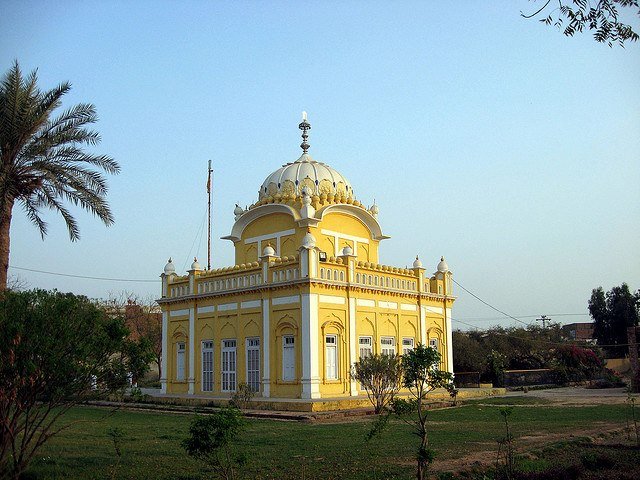
The shrine called Tahli Sahib stands on the eastern side of the village, marking the spot where Guru Sahib stayed during his journey to Kashmir. During his stay he tied his horse to a sheesham (shisham) tree, and because the tree is called tahli in Punjabi, the shrine came to be called Tahli Sahib. The structure is modest — it looks like a house, and local people live in it — a reminder that many of Pakistan’s Sikh shrines survived Partition not as museums but as living parts of village life.
The darbar was built by the Sangat of Amritsar, the Sikh congregation across the border, and three ghumaon of land were endowed to the gurdwara. In earlier times a fair was held here on the 1st, 2nd and 3rd of Har (the Punjabi month falling in mid-June), drawing devotees from the surrounding countryside. The village itself was later renamed Salehpur, and it falls under police station Chaprar of Sialkot tehsil and district.
Like many Sikh shrines in this part of Punjab, Tahli Sahib sits in a border district, and its quiet, lived-in character is part of its authenticity. It is history you can walk through, not history behind glass.
Top Things to Do in Gurdwara Tahli Sahib, Rehsema (Salehpur)
Stand where the Guru’s horse stood
The heart of the visit is the shrine on the eastern side of the village, marking the spot where Guru Hargobind tied his horse to the shisham tree on his journey to Kashmir. Take a quiet moment here. The story is four centuries old, but the ground is the same. Pilgrims often bow their heads and offer a brief prayer before moving on — follow their lead and keep the atmosphere calm.
Visit all three shrines of Rehsema in one walk
Few villages anywhere can claim three shrines to the same Guru. After Tahli Sahib, walk to Gurdwara Kund Sahib — the pond where the Guru washed his feet — and Gurdwara Gurusar Sahib, the other shrine of the trio. Together they form a compact heritage trail that can be covered on foot in a single unhurried morning, and each one adds a chapter to the same story.
Experience village Punjab at its most genuine
Rehsema (Salehpur) is a working agricultural village, not a tourist set. Walk the lanes, watch the rhythms of rural life — cattle, wheat fields, the village well — and accept the tea you will almost certainly be offered. The shrine looks like a house and families live in it, so be a considerate guest: ask before entering courtyards and keep voices low.
Photograph the Sialkot countryside
The flat, fertile plains around Chaprar are classic Punjab — green fields, tree lines, wide skies. Early morning and late afternoon give you the best light, and the contrast between the humble shrine and the open landscape makes for honest, memorable photographs. Always ask permission before photographing people.
Pair the trip with Sialkot city
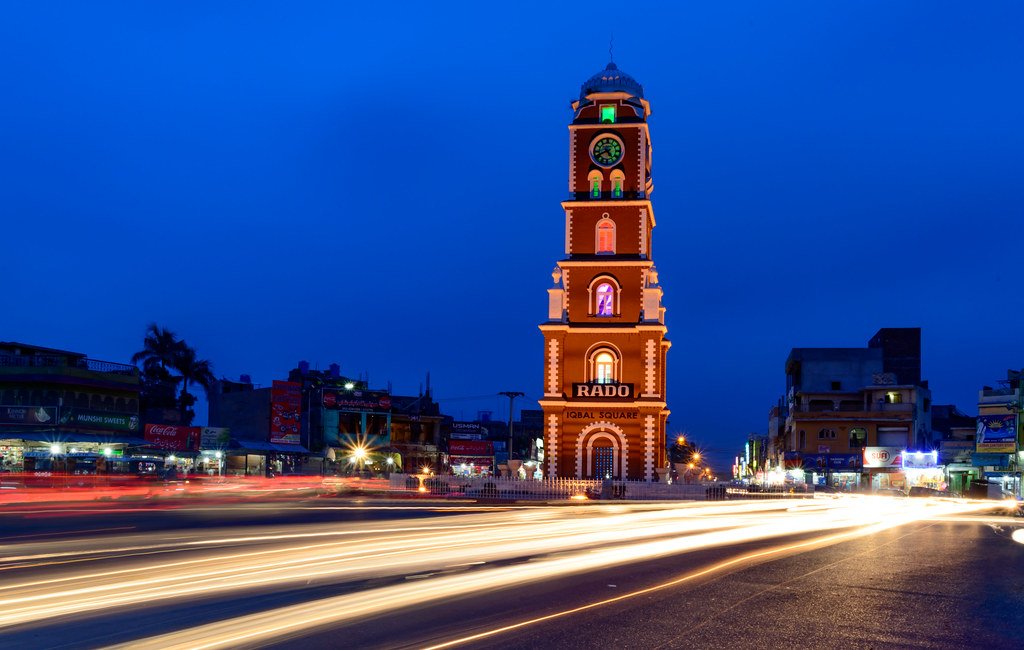
Most visitors base themselves in Sialkot, the district headquarters famous worldwide for its sports goods and surgical instruments. The city’s clock tower, old bazaars and the shrine of the poet Allama Iqbal’s family home make a fine half-day of sightseeing before or after your village visit.
Famous Places In and Around Gurdwara Tahli Sahib, Rehsema (Salehpur)
- Gurdwara Kund Sahib, Rehsema — the pond where Guru Hargobind washed his feet, turned into a place of worship.
- Gurdwara Gurusar Sahib, Rehsema — the second of the village’s three Guru Hargobind shrines.
- Sialkot city — district headquarters; clock tower, old bazaars and the sports-goods industry.
- Chaprar — the nearby town and police station area; the village is reached by crossing the embankment near here.
How to Reach Gurdwara Tahli Sahib, Rehsema (Salehpur)
The shrine sits on the eastern side of Salehpur (Rehsema) village, under police station Chaprar in Sialkot district. The village is reached by road, crossing the embankment near Chaprar. Because this is a border district, it is wise to travel in daylight, keep identification with you, and follow any local guidance.
From Lahore: roughly 130 km northeast via the Lahore–Sialkot Motorway (M-11), about 2 to 2.5 hours by car. Continue from Sialkot city toward Chaprar and on to Salehpur village.
From Islamabad: roughly 240 km via the motorway network (M-2 to Lahore, then M-11 to Sialkot), about 3.5 to 4 hours by car.
From Karachi: fly to Sialkot International Airport (direct flights operate from Karachi), then drive to the village — or fly to Lahore and drive up via the motorway.
Nearest airport: Sialkot International Airport, a drive of under an hour from the city onward to the village.
Road conditions: The motorways and main highways are excellent year-round. Village approach roads are paved but narrow; after heavy monsoon rain (July–August) expect the usual rural puddles and slow going.
Transport options: A private car or hired van is by far the best option — public transport will get you to Sialkot or Chaprar, but the last stretch to the village is easiest with your own vehicle. Daewoo and other coach services connect Lahore and Islamabad with Sialkot.
Route Details
From Lahore, take the Lahore–Sialkot Motorway (M-11) to Sialkot. From Sialkot city, head out toward Chaprar on the local road network; Salehpur (Rehsema) village lies beyond Chaprar, reached by crossing the embankment near the town. The shrine is on the eastern side of the village — ask any villager for “Tahli Sahib” and you will be pointed the right way. From Islamabad, take the M-2 to Lahore and join the M-11. From the airport, hire a car or taxi for the onward drive.
Where to Stay in Gurdwara Tahli Sahib, Rehsema (Salehpur)
There are no hotels in Salehpur village itself — this is a small rural settlement, and visitors stay in nearby Sialkot city, which has options across every tier. Mid-range hotels cluster in and around Sialkot’s commercial areas and near the airport road, offering clean, comfortable rooms with air conditioning — the sensible default for most travellers. Budget guesthouses in the city provide simple, affordable beds for pilgrims keeping costs low. Higher-end options exist in Sialkot’s newer commercial zones for those who want more comfort. Because the village is an easy day trip from the city, most visitors simply base in Sialkot, visit the three shrines in the morning, and return by evening. Book ahead during the winter travel season (November–February), when Punjab sees the most visitors.
Where to Eat: Local Foods of Gurdwara Tahli Sahib, Rehsema (Salehpur)
You are in the land of Punjabi food, and it does not disappoint. In the village, expect the honest cooking of rural Punjab — saag with makki di roti in winter, fresh lassi, tandoori rotis with daal and seasonal vegetables, and chanay at the roadside dhabas. In Sialkot city, the food scene widens: busy food streets serve halwa puri breakfasts, chargha, seekh kebabs, nihari and excellent barbecue. A dhaba meal in the village is very budget-friendly; a comfortable restaurant meal in Sialkot costs modestly more. Do try the fresh sugarcane juice in season and the thick, creamy lassi that Punjab is famous for. If you are offered langar-style food at any gurdwara during your travels, accept it graciously — it is vegetarian, served to all, and free.
Weather in Gurdwara Tahli Sahib, Rehsema (Salehpur)
The Sialkot plains have a classic Punjab climate: pleasantly cool winters, fiercely hot early summers, and a drenching monsoon. The sweet spot for visiting is November to March, when days are mild and the fields are at their greenest.
| Season | Temperature Range | Conditions |
|---|---|---|
| Winter (Dec–Feb) | Around 5–20°C | Cool, often foggy mornings; the most comfortable season for village walks |
| Spring (Mar–Apr) | Around 14–32°C | Warming up; wheat harvest season, golden fields |
| Summer (May–Jun) | Around 28–41°C | Very hot and dry; avoid midday outdoor visits |
| Monsoon/Autumn (Jul–Nov) | Around 20–35°C | Heavy rain July–August (Sialkot is among Punjab’s wettest districts); pleasant and green by October–November |
Language and Culture of Gurdwara Tahli Sahib, Rehsema (Salehpur)
Punjabi is the mother tongue here, spoken in the warm, earthy dialect of the Sialkot region; Urdu is widely understood and works fine for visitors. The culture is rural Punjabi — deeply hospitable, respectful of guests, and conservative in dress and conduct. Dress modestly (cover shoulders and knees; women may want a headscarf for shrine visits), remove shoes before entering any sacred space, and ask before photographing people or entering homes — remember the shrine itself is lived in. A few words of Punjabi greeting (“Sat Sri Akal” at the gurdwara, “Assalam-o-Alaikum” in the village) will open doors and smiles. Because this is a border district, keep your CNIC or passport with you and cooperate cheerfully with any routine checks.
Shopping in Gurdwara Tahli Sahib, Rehsema (Salehpur)
There is no shopping at the shrine itself — and that is part of its charm. For souvenirs, head to Sialkot city, world-famous for its sports goods (footballs, cricket gear) and surgical instruments; factory outlets and bazaars sell quality gear at local prices. The old bazaars also offer leather goods, traditional khussay (embroidered shoes) and everyday Punjabi handicrafts. In the village, you may find seasonal farm produce — fresh guavas, citrus and sugarcane in winter — sold at honest village prices. Bargaining is normal in city bazaars; in the village, prices are usually fixed and fair.
Local Events and Festivals
Tahli Sahib has one festival rooted in its own history. In earlier times a fair was held at the shrine on the 1st, 2nd and 3rd of Har — the Punjabi month falling in mid-June — when devotees from surrounding villages gathered to remember Guru Hargobind Ji’s visit. The fair belongs to the pre-Partition era of the shrine’s life, and while it is no longer held in its old form, it remains part of the site’s living memory. Today, Sikh pilgrims visiting the Sialkot region typically time their wider Punjab tours around Guru Nanak Gurpurab in November, the biggest Sikh festival of the year, when gurdwaras across Punjab glow with lights and langar. If you visit in mid-June, ask locally — village-level religious gatherings still follow the old calendar in spirit.
Travel Tips for Gurdwara Tahli Sahib, Rehsema (Salehpur)
Packing Essentials
Light cotton clothes for summer, a warm jacket and shawl for winter mornings (December–January can be foggy and chilly), comfortable walking shoes for village lanes, a headscarf or cap for shrine visits, sunscreen and a water bottle. Carry socks — you will remove shoes at sacred spots and the ground can be cold or hot.
Safety Tips
The area is a rural border district: travel in daylight, keep identification handy, and follow local advice without argument. The village itself is peaceful and welcoming. Drink bottled or boiled water, and eat at busy dhabas where food turnover is high.
Money & Connectivity
Bring cash — there are no ATMs in the village; Sialkot city has ATMs and banks. Mobile signals from all major networks (Jazz, Telenor, Zong, Ufone) generally work in the area, though data can be patchy inside the village. Download offline maps before you go.
Best Time to Visit Gurdwara Tahli Sahib, Rehsema (Salehpur)
Winter (November–March) — the best season
Cool, clear days around 15–22°C, green wheat fields, and comfortable walking weather. This is the ideal window for the shrine walk and village photography. Mornings can be foggy in December–January, so plan shrine visits for late morning onward.
Spring (March–April) — beautiful but warming
The harvest season turns fields golden; temperatures climb toward 30°C+. Early mornings are still lovely for a visit.
Summer (May–June) — avoid if you can
Daytime temperatures push past 40°C. If you must come, visit at dawn and retreat to Sialkot by midday.
Monsoon and Autumn (July–October) — green but wet, then lovely
July–August bring heavy rain to Sialkot; village tracks get muddy. By October the rains ease and the countryside is lush — a fine shoulder season.
Final Thoughts
Gurdwara Tahli Sahib, Rehsema (Salehpur) will never compete with Pakistan’s grand shrines on scale — and it does not try to. Its power is quieter: a horse tied to a shisham tree four hundred years ago, a village wedding the Guru blessed, a pond that became holy ground. In a world of crowded attractions, this is a place that still belongs to its story.
Come for the history, stay for the village, and leave with a deeper sense of what the Sikh heritage of Punjab really is — not just buildings, but blessings left behind in ordinary places. Pair it with its sister shrines, Kund Sahib and Gurusar Sahib, and you will have walked one of the most meaningful short pilgrimages in the country. For more ideas on heritage journeys across the country, browse our Explore Pakistan collection.
FAQs
Where is Gurdwara Tahli Sahib, Rehsema (Salehpur)?
It stands on the eastern side of Rehsema village, now called Salehpur, under police station Chaprar in tehsil and district Sialkot, Punjab, Pakistan.
Why is it called Tahli Sahib?
Guru Hargobind Ji tied his horse to a shisham tree — called tahli in Punjabi — while staying here on his way to Kashmir. The shrine took its name from the tree.
What is the best time to visit?
November to March, when the weather is cool and pleasant. Avoid the extreme heat of May–June and the heavy monsoon of July–August.
How do I reach the shrine?
Drive from Lahore via the Lahore–Sialkot Motorway (about 2–2.5 hours to Sialkot), then continue via Chaprar to Salehpur village, crossing the embankment near Chaprar. The nearest airport is Sialkot International Airport.
Is it safe for families?
Yes — it is a peaceful rural village. Travel in daylight, keep identification with you (it is a border district), and dress modestly.
Where can I stay nearby?
In Sialkot city, which has mid-range hotels, budget guesthouses and higher-end options. The village is an easy day trip from the city.
What food will I find?
Classic Punjabi village food — saag, makki di roti, lassi, daal and tandoori rotis at local dhabas — plus Sialkot city’s wider restaurant and food-street scene.
Are there other shrines nearby?
Yes — Gurdwara Kund Sahib and Gurdwara Gurusar Sahib, the other two Guru Hargobind shrines in the same village, make this a complete three-shrine pilgrimage in one visit.