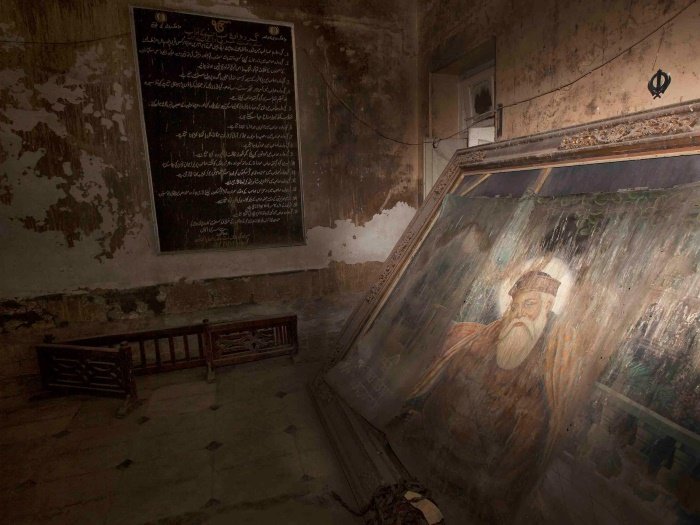
Karachi is a city of grand mosques, colonial facades, and a restless shoreline — but tucked onto Justice Kayani Road, directly opposite the Karachi Arts Council, stands a quieter landmark with an extraordinary claim: this is where Guru Nanak first stayed when he came to Karachi. The Guru Nanak Darbar, Karachi — also remembered as Gurdwara Pehli Patshahi and Gurdwara Sri Guru Nanak Piao Sahib — is one of the city’s oldest Sikh shrines, and the neighbourhood around it still carries its name: Guru Mandir, one of Karachi’s best-known localities, was named for the temple built from the light of the sea goddess’s cave that Guru Nanak visited from this very spot.
This Guru Nanak Darbar Karachi travel guide shows you why this heritage shrine deserves a stop on your Karachi itinerary, the story of the sea goddess’s cave and the Guru Mandir district, when Karachi’s weather is kindest, and how to reach the Darbar from anywhere in the city.
Quick Facts
- Location: Justice Kayani Road, opposite the Karachi Arts Council, South Karachi, Sindh
- Famous For: The spot where Guru Nanak first stayed in Karachi; the origin of Karachi’s Guru Mandir district name; a beautifully built historic gurdwara repaired by the Government of Pakistan
- Nearest City: Central Karachi itself — the shrine is in the heart of the city
- Accessibility: Easy by taxi, ride-hailing, or bus from anywhere in Karachi; near Saddar and M.A. Jinnah Road
- Known Landmarks: The Darbar building, Karachi Arts Council (opposite), the Guru Mandir locality, Mazar-e-Quaid nearby
- Best For: Heritage travellers, Sikh pilgrims, Karachi explorers, photographers, families combining the city’s historic core in one day
Why Visit Guru Nanak Darbar, Karachi
Most visitors to Karachi head for Clifton beach, the Mazar, or the food streets — and they should. But the Guru Nanak Darbar offers something those landmarks cannot: a direct, physical link between the city’s Sikh heritage and its very geography. Standing on Justice Kayani Road, you are at the place where tradition says Guru Nanak first rested on reaching Karachi, and from where he walked to the cave of the goddess of the sea. The devotees who followed took light from that cave and built the Gurmandir — and that temple’s name became the name of an entire Karachi district. Few shrines anywhere can claim to have named a neighbourhood.
The building itself rewards the visit. Described in the historical surveys as strong and beautifully built, the gurdwara was repaired by the Government of Pakistan at a cost of lacs of rupees — a recognition of its heritage value that shows in its solid, dignified architecture. In a city where old buildings vanish with alarming speed, the Darbar’s survival — and its restoration — makes it a small victory for Karachi’s layered, multi-faith history.
Location is the third reason to come. The Darbar sits in Karachi’s historic core, opposite the Arts Council and minutes from Saddar, Empress Market, Frere Hall, and the Mazar-e-Quaid. It slots perfectly into a heritage day: start at the Darbar, walk the colonial streets of Saddar, eat on Burns Road, and end at the sea. For travellers building an Explore Pakistan itinerary of the country’s great cities, this shrine is the key that unlocks Karachi’s Sikh chapter.
And there is a quieter, human reason. Karachi’s Sikh community is small but deeply rooted, and the city’s gurdwaras — the Darbar, the Arambagh gurdwara, the Narayan Pura gurdwara — are living congregations, not monuments. Visiting respectfully, joining the sangat if a gathering is on, and sharing langar connects you to a Karachi that most tourists never meet: warm, devout, and proud of a heritage that predates the city’s modern skyline by centuries.
History of Guru Nanak Darbar, Karachi
The history of the Guru Nanak Darbar begins with the Guru’s travels along the Arabian Sea coast. According to the tradition preserved in the historical surveys of Pakistan’s Sikh shrines, when Sat Guru Nanak Dev Ji came to Karachi, he first of all stayed at this place — the site on what is now Justice Kayani Road, opposite the Karachi Arts Council. From here, the tradition continues, Guru Nanak went to the cave of the goddess of the sea. The people took light from that cave and built a Gurmandir (temple) in the city — and in time, Guru Mandir became the name of a very large and well-known locality of Karachi.
This makes the Darbar one of Karachi’s oldest religious sites, associated with the First Guru himself — hence its alternate names, Gurdwara Pehli Patshahi (the shrine of the First King) and Gurdwara Sri Guru Nanak Piao Sahib, marking the spot where the founder of Sikhism stopped and rested during his travels. For the Sikh tradition, which remembers Guru Nanak’s journeys (udasis) across the known world — from Mecca to Tibet — the Karachi halt is one small but treasured episode, and the Darbar is its monument.
The building that stands today is described as strong and beautifully built, and its preservation has a modern chapter: the Government of Pakistan had it repaired, spending lacs of rupees on the restoration. That investment reflects the shrine’s recognised status among Pakistan’s protected Sikh heritage sites. Karachi’s Sikh community — centred historically around neighbourhoods like Arambagh, Narayan Pura, and the Guru Mandir area itself — has maintained the city’s gurdwaras through decades of change, celebrating Gurpurb with Akhand Path recitations and community gatherings that continue to this day.
The Darbar’s story is thus two histories braided together: the ancient one of a Guru’s journey along the sea, and the modern one of a megacity’s small Sikh community keeping its heritage alive amid Karachi’s relentless transformation. Both make it worth your time.
Top Things to Do in Guru Nanak Darbar, Karachi
Stand Where the Guru First Rested
The Darbar’s power is in its claim: this is where Guru Nanak first stayed in Karachi. Enter respectfully — head covered, shoes off — and spend time in the prayer hall. The building’s solid, beautifully restored architecture creates a calm pocket amid the bustle of central Karachi. For Sikh visitors it is a pilgrimage; for others, a moment of stillness in the city’s historic heart.
Trace the Story to the Guru Mandir Locality
Walk or drive into the neighbouring Guru Mandir district — one of Karachi’s oldest and busiest localities — knowing that its name comes from the temple built with light from the sea goddess’s cave that Guru Nanak visited from the Darbar. Few city neighbourhoods anywhere carry a Sikh origin story so directly. The area’s markets, old apartment blocks, and street life are classic old Karachi.
Combine with the Arts Council and Saddar Heritage Walk
The Darbar stands directly opposite the Karachi Arts Council, making it the natural start of a heritage walk. From here, explore Saddar’s colonial-era streets: Edulji Dinshaw Dispensary, Empress Market, Frere Hall, and Christ Church are all within easy reach. It is one of the densest heritage clusters in Pakistan — and the Darbar is its spiritual anchor.
Experience Gurpurb with Karachi’s Sikh Community
If your visit falls in November, time it for Gurpurb — Guru Nanak’s birth anniversary. Karachi’s gurdwaras, including the Narayan Pura gurdwara and the Swaminarayan temple’s Guru Nanak Darbar premises, hold Akhand Path (the 48-hour continuous recitation of the Guru Granth Sahib), kirtan, and community langar. The celebrations are open, joyful, and deeply welcoming to respectful visitors.
Famous Places In and Around Guru Nanak Darbar, Karachi
- Karachi Arts Council — directly opposite the Darbar; the city’s cultural hub.
- Mazar-e-Quaid — the mausoleum of Muhammad Ali Jinnah, a short drive away.
- Empress Market — Saddar’s Victorian-era market hall, a Karachi icon.
- Frere Hall — colonial landmark with gardens and weekend book bazaars.
- Burns Road — Karachi’s legendary food street, minutes from the Darbar.
- Bagh Ibne Qasim, Clifton — the seaside park near the coast the Guru’s tradition connects with the sea goddess’s cave.
- Aziz Bhatti Park — one of the city’s large public parks, good for an evening stroll.
How to Reach Guru Nanak Darbar, Karachi
The Darbar could hardly be easier to reach: it stands on Justice Kayani Road, opposite the Karachi Arts Council, in South Karachi — right in the historic core of the city, close to Saddar, M.A. Jinnah Road, and the Guru Mandir locality itself. Any taxi or ride-hailing driver in Karachi will know the Arts Council or Guru Mandir; from either landmark the Darbar is moments away. City buses and minibuses serving Saddar and M.A. Jinnah Road also pass nearby.
From Jinnah International Airport: The airport is in the eastern part of the city; the drive to Justice Kayani Road takes roughly 30–45 minutes depending on traffic (longer in rush hour). Ride-hailing apps work reliably from the airport terminal, and prepaid airport taxis are available around the clock.
From Islamabad: Fly to Karachi (about 2 hours, with frequent daily flights), then take a taxi or ride-hailing car into the city centre. Overland travellers can take the train or long-distance coach to Karachi’s Cantt station or coach terminals, then a short taxi ride to the Darbar.
From Lahore: Fly to Karachi (about 1.5 hours) or take the train/coach south. From anywhere in central Karachi — Saddar, Clifton, DHA — the Darbar is a 15–30 minute drive.
Road conditions and transport options: Karachi’s main roads are paved and the central districts are well connected, though traffic congestion is a fact of life — plan extra time during morning and evening rush hours. Ride-hailing services (Careem, inDrive, Uber where operating) are the most convenient option for visitors; metered taxis and auto-rickshaws are plentiful but agree the fare first. The area around the Darbar is walkable, and the best way to explore the Saddar heritage cluster is on foot once you arrive.
Route Details
- Airport → Darbar: Leave Jinnah International Airport on the main airport road, join Shahrah-e-Faisal heading west toward the city centre, then navigate to M.A. Jinnah Road / Saddar and on to Justice Kayani Road opposite the Arts Council (30–45 minutes).
- Finding the Darbar: Look for the Karachi Arts Council on Justice Kayani Road — the gurdwara stands directly opposite. The Guru Mandir locality is the adjacent neighbourhood.
- Heritage circuit: From the Darbar, Saddar’s landmarks (Empress Market, Frere Hall, Burns Road) fan out within 1–3 km — walkable or a short rickshaw ride.
Where to Stay in Guru Nanak Darbar, Karachi
Karachi offers Pakistan’s widest range of accommodation, and the Darbar’s central location puts you within easy reach of all of it. Mid-range hotels and guesthouses cluster around Saddar, Shahrah-e-Faisal, and Clifton — comfortable, air-conditioned rooms with reliable Wi-Fi at prices far below international norms. This is the sweet spot for most heritage travellers: central, convenient, and good value.
Budget travellers will find clean, basic guesthouses and budget hotels in Saddar and the surrounding old-city districts, many within walking distance of the Darbar itself. Luxury travellers can choose from Karachi’s well-known five-star hotels along Shahrah-e-Faisal and in the Clifton/Defence area — a 20–30 minute drive from the shrine, offering pools, spas, and sea views.
For Sikh pilgrims visiting during Gurpurb, the city’s gurdwaras and community organisations sometimes help arrange simple accommodation for visiting sangat — worth enquiring through community contacts if you are travelling as part of a yatra group. Book ahead in November, when Gurpurb brings visitors to the city’s shrines.
Where to Eat: Local Foods of Guru Nanak Darbar, Karachi
You are minutes from some of the best eating in Pakistan — this is the great bonus of a centrally located shrine. Burns Road, Karachi’s legendary food street, is a short drive from the Darbar: come hungry for nihari, haleem, katakat, fried fish, and falooda at the decades-old eateries that line the street. Saddar’s old restaurants serve biryani — Karachi’s beloved, fiercely debated national dish — alongside chicken tikka, seekh kababs, and bun kababs from street carts.
For daytime exploring, the dhabas and cafes around Guru Mandir and Saddar offer dal-roti plates, anda paratha breakfasts, and doodh patti chai at very budget-friendly prices. Do not miss Karachi’s chaat and golgappay stalls, and finish with kulfi or rabri from a traditional sweet shop. And of course, the langar at the city’s gurdwaras serves a free, wholesome vegetarian meal to all visitors — a humbling and delicious experience. A full day of eating around the Darbar can cost less than a single restaurant meal in many world cities.
Weather in Guru Nanak Darbar, Karachi
Karachi’s coastal climate is famously moderate by Pakistani standards — never as cold as the north, never quite as scorching as the interior — but it has its own personality: humid summers, a monsoon that arrives in July, and a winter so mild that locals call it sweater weather at 15°C. The best months for comfortable sightseeing are December through February. Here is the seasonal breakdown:
| Season | Temperature Range | Conditions |
|---|---|---|
| Winter (Dec–Feb) | 12°C – 26°C | Dry, sunny, and pleasant — the ideal season for heritage walks. Evenings can feel cool. |
| Spring (Mar–Apr) | 20°C – 34°C | Warming up; still comfortable for sightseeing, especially mornings. |
| Summer (May–Jun) | 28°C – 36°C | Hot and increasingly humid; sea breezes help. Plan indoor or shaded activities midday. |
| Autumn (Sep–Nov) | 22°C – 33°C | Cooling after the monsoon; November brings Gurpurb and lovely weather. |
Note: July–August is monsoon season, with heavy showers and high humidity — sightseeing is still possible but carry rain protection and expect traffic delays.
Language and Culture of Guru Nanak Darbar, Karachi
Urdu is Karachi’s lingua franca — the language of the bazaar, the taxi, and the food street — with Sindhi, Punjabi, Pashto, and English all widely heard in this most diverse of Pakistani cities. You will have no trouble communicating in Urdu or English around the Darbar.
Karachi’s culture is a mosaic, and the Guru Nanak Darbar sits at an interesting intersection of it: a Sikh shrine in a predominantly Muslim city, opposite the Arts Council, beside neighbourhoods where Hindus, Christians, Parsis, and Muslims have lived side by side for generations. At the gurdwara, observe the standard etiquette — cover your head, remove your shoes, dress modestly — and you will be welcomed. The city’s Sikh community is small and close-knit; polite curiosity about the shrine’s history is usually met with pride and warmth.
General Karachi cultural notes apply: dress modestly in the old city, ask before photographing people, and embrace the city’s food culture — refusing chai is almost rude. Evenings are when Karachi comes alive, and the Saddar area around the Darbar is at its most atmospheric after sunset.
Shopping in Guru Nanak Darbar, Karachi
Shopping near the Darbar is some of the most rewarding in Pakistan. Empress Market — the Victorian market hall in Saddar — is a sensory overload of spices, dry fruits, fabrics, and household goods, and a destination in itself. Bohri Bazaar, nearby, is famous for fabrics, ready-made garments, and traditional wear at bargain prices. For religious souvenirs — framed pictures of the Gurus, books on Sikh history, rumallas — the shops around the city’s gurdwaras and the Guru Mandir area are the natural stop.
For Sindhi handicrafts, look for ajrak (the iconic block-printed shawl), rilli (patchwork quilts), and blue pottery in Saddar’s craft shops. If you want modern mall shopping, Dolmen Mall in Clifton is Karachi’s best-known shopping centre, about 20–30 minutes from the Darbar. Bargaining is expected in the bazaars but not in malls; carry cash for the old markets, where cards are rarely accepted.
Local Events and Festivals
Gurpurb — Guru Nanak’s Birth Anniversary (November): Karachi’s biggest Sikh celebration. Held on the full moon of Kartik (usually November), Gurpurb fills the city’s gurdwaras — including the Narayan Pura gurdwara and the Guru Nanak Darbar premises at the Swaminarayan temple — with Akhand Path recitations, kirtan, and community langar. Visitors are welcome, and the atmosphere is joyous.
Vaisakhi (April): The spring harvest festival and anniversary of the Khalsa is celebrated by Karachi’s Sikh community with gatherings and processions at the city’s gurdwaras — a colourful time to visit.
Karachi’s wider calendar: The Darbar’s neighbourhood also puts you close to the city’s cultural life — the Karachi Literature Festival (usually February), theatre and music at the Arts Council across the road, and the food festivals that pop up in winter. Time a November trip right and you can combine Gurpurb with Karachi’s best cultural season.
Travel Tips for Guru Nanak Darbar, Karachi
Packing Essentials
Light, breathable clothing for most of the year, a light jacket for December–February evenings, comfortable walking shoes for Saddar’s streets, a headscarf for the gurdwara, sun protection, and a reusable water bottle. Karachi’s humidity wilts the unprepared — pace yourself.
Safety Tips
The Saddar/Arts Council area is busy and well-trafficked during the day. Use ride-hailing apps rather than hailing unknown taxis at night, keep valuables discreet, and avoid isolated streets after dark — standard big-city sense. Drink bottled or filtered water. The gurdwara itself is a calm, safe space; follow staff guidance during large gatherings like Gurpurb.
Money & Connectivity
ATMs are everywhere in central Karachi and cards are accepted at malls and larger restaurants — but carry cash for bazaars, rickshaws, and street food. All major mobile networks offer strong 4G across the city; buy a local SIM at the airport for the best rates. Ride-hailing apps need mobile data, so keep your phone charged.
Best Time to Visit Guru Nanak Darbar, Karachi
Winter (December–February): The Prime Season
Karachi’s winter is glorious — dry, sunny days around 24°C, cool evenings, and clear skies. This is the best time for heritage walks, the Saddar circuit, and combining the Darbar with the beach. Hotel prices peak slightly, but the weather is worth it.
Spring (March–April): Warm and Festive
Still comfortable, especially in March, with Vaisakhi in April adding Sikh festive colour. Mornings are the best time for outdoor sightseeing before the afternoon heat builds.
Summer (May–August): Hot and Humid
May–June brings heat around 36°C with rising humidity; July–August adds the monsoon. Sightseeing is still very possible — Karachi’s indoor attractions (museums, malls, the Arts Council) and the food streets (best after dark) carry the day. Stay hydrated and plan around the midday sun.
Autumn (September–November): The Comeback
As the monsoon retreats, October and November bring back pleasant weather — and November brings Gurpurb, the single best time to experience the Darbar and Karachi’s Sikh community at their most vibrant.
Final Thoughts
The Guru Nanak Darbar of Karachi is a reminder that this sprawling megacity has always been a city of many faiths — and that its Sikh chapter is written into its very street names. To stand on Justice Kayani Road, opposite the Arts Council, at the spot where tradition says Guru Nanak first rested, and then to walk into the Guru Mandir locality that took its name from his journey, is to read Karachi’s history in a way no guidebook quite captures.
Pair the Darbar with the colonial grandeur of Saddar, the flavours of Burns Road, and the sea breeze at Clifton, and you have a Karachi day that goes far beyond the obvious. Whether you come for pilgrimage, for heritage, or simply for curiosity — as part of a wider journey from Malam Jabba to Hunza to the capital’s Eid sights — this quiet shrine in the city’s historic heart will reward the detour.
FAQs
Where is the Guru Nanak Darbar in Karachi?
On Justice Kayani Road, directly opposite the Karachi Arts Council in South Karachi — in the historic core, near Saddar and the Guru Mandir locality.
What is the best time to visit?
December to February for the best weather. November is special for Gurpurb (Guru Nanak’s birth anniversary), celebrated with great devotion at Karachi’s gurdwaras.
How do I reach the Darbar from the airport?
Jinnah International Airport is 30–45 minutes away by taxi or ride-hailing, depending on traffic. Any driver will know the Arts Council or Guru Mandir landmarks.
Is it safe for non-Sikh visitors?
Yes. Visitors of all faiths are welcome. Cover your head, remove your shoes, dress modestly, and follow gurdwara etiquette.
Can I combine it with other Karachi sightseeing?
Easily — it is the perfect start to a Saddar heritage day: Empress Market, Frere Hall, Burns Road food street, and the Mazar-e-Quaid are all within a few kilometres.
Where should I stay near the Darbar?
Mid-range hotels and guesthouses around Saddar and Shahrah-e-Faisal are the most convenient; budget guesthouses in the old city are cheapest; luxury five-star hotels are in Clifton/Defence, 20–30 minutes away.
What food should I try nearby?
Burns Road’s nihari, haleem, and katakat; Karachi biryani; bun kababs and chaat from street stalls — plus the free langar meal at the city’s gurdwaras.
Why is the area called Guru Mandir?
According to tradition, Guru Nanak visited the cave of the sea goddess from the Darbar site; devotees took light from that cave and built a Gurmandir (temple) in the city — and the locality took its name from that temple.