Iran Hormuz Two-Day Reopening Plan Hinges on US
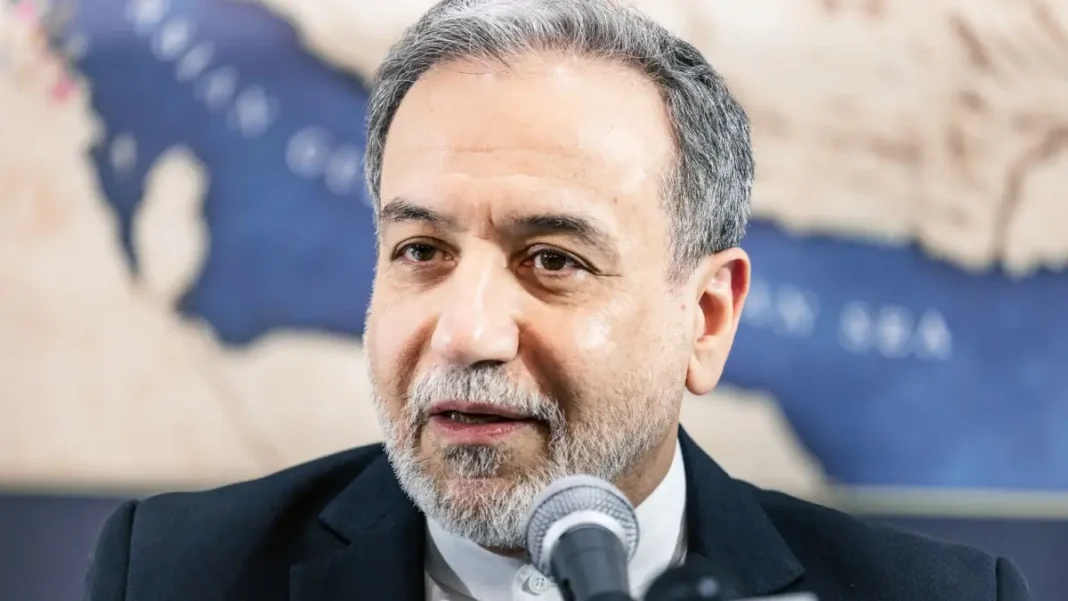
Iran Hormuz two-day reopening plan has emerged from talks with Qatari mediators, but it is a conditional proposal, not a reopening. Iranian Foreign Minister Abbas Araghchi told Al Jazeera that the Strait of Hormuz could be reopened within two days under a plan worked out with Qatar, provided the United States accepts a list of conditions set by Tehran.
The plan shortens Iran’s earlier timeline sharply. Tehran first put forward a seven-day plan to reopen the strait in exchange for its demands. Qatari mediators then proposed cutting the implementation period to five days. Araghchi said talks have now produced a proposal that reduces it to two days. He told Al Jazeera: “The Qatari side proposed shortening the implementation period of the Iranian proposal to five days. We have reached a proposal at this stage that reduces the implementation period to two days.”
Hormuz two-day reopening plan: the conditions
Araghchi set out five main conditions for reopening the strait. They are:
- Lifting the sanctions imposed after the Islamabad memorandum
- Reducing United States forces in the region
- Restoring waivers that allowed Iran to sell oil
- Releasing all frozen Iranian funds, including those held in Qatar
- Recognising the shipping routes Iran has discussed with Oman, and closing all other routes through the strait
The last condition deserves attention, because it changes what reopening would mean in practice. Even after a reopening, ships would only be able to use the routes agreed between Iran and Oman, rather than the strait as a whole. That is a narrower form of access than a full return to normal shipping, and it would leave Tehran with a strong say over which vessels pass and where.
Araghchi also said proposals related to Iran’s nuclear programme would be dealt with separately, after the strait reopens and talks with Washington resume. That sequencing matters: the strait plan is presented as a first step toward negotiations, not as a settlement of the wider dispute. The nuclear question, the war itself, and the future of United States forces in the region would all remain open even if ships start moving again.
Iran’s security chief Mohsen Rezaei added a further signal. He said he had reviewed a letter from United States Vice President JD Vance in which Washington’s tone had changed completely, calling the shift a very positive sign. Araghchi described a United States offer of dialogue as a positive step, while noting that an Iranian delegation is in Doha for further talks with Qatari officials. There has been no public response from the United States to the two-day plan so far.
A proposal with a history of false starts
The wider context also counsels caution. The Strait of Hormuz is one of the world’s most important oil routes, and its closure has kept global oil and gas prices high for months. Tanker incidents in the strait have already been reported during the crisis, including fires and explosions involving oil tankers in late October, which Feature Pakistan reported in Hormuz Tanker Fires Deepen Strait Crisis. Shipping through a war zone does not return to normal because a minister announces a timetable.
What it means for Pakistan
What happens next
Frequently asked questions
What is Iran’s Hormuz two-day reopening plan?
Iran says the Strait of Hormuz could be reopened within two days under a plan worked out with Qatari mediators, but only if the United States accepts Tehran’s conditions.
What are Iran’s conditions?
Tehran demands lifting post-Islamabad memorandum sanctions, reducing United States forces in the region, restoring oil waivers, releasing frozen Iranian funds including those in Qatar, and recognising Iran-Oman agreed shipping routes while closing other routes.
Has the United States accepted the plan?
No public United States response to the two-day plan has been reported so far. Araghchi described a United States offer of dialogue as a positive step, and an Iranian delegation is in Doha for further talks.
How does Hormuz affect fuel prices in Pakistan?
Pakistan imports most of its oil and LNG through the Gulf, so strait disruption quickly reaches local pumps. ProPakistani cites petrol at Rs377.91 per litre and diesel at Rs402.96 per litre, with a 40-litre monthly petrol bill of about Rs15,116.
Is the strait open now?
No. The two-day plan is a proposal. Until the United States meets Iran’s conditions and shipping resumes on the agreed routes, the strait remains closed in practical terms.