COP17 ends with nature deal, but finance still short
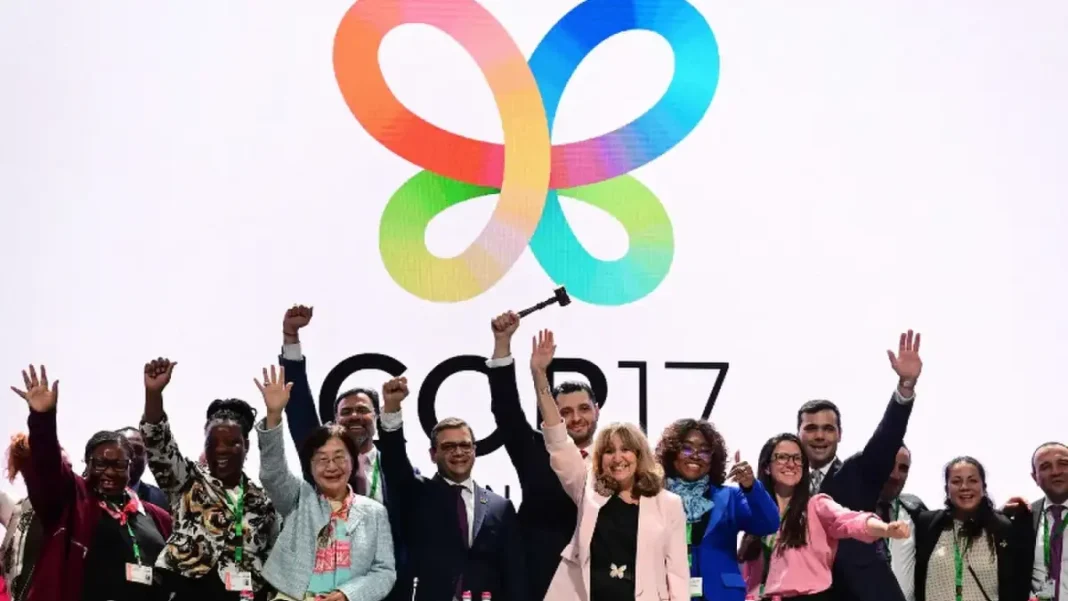
Nearly 200 nations agreed a COP17 nature deal in Yerevan on Saturday, after talks ran through Friday night and into the next morning. The agreement, called the Yerevan Pathway, urges faster action to halt and reverse the loss of nature by 2030, but it leaves the money needed to deliver that goal still short.
Delegates cheered as two major texts were approved in overtime. COP17 President Hambardzum Matevosyan, Armenia’s environment minister, brought down the gavel with the words: “And that’s it. Perfect.” The final versions were still not available on Saturday, a reminder of how late the deal was struck.
The summit was the first global review of the Kunming-Montreal framework, agreed in 2022, which set 23 targets for 2030, including protecting 30 per cent of land and waters and mobilising $200 billion a year for nature.
COP17 nature deal: what was agreed
The Yerevan Pathway sets out priorities for action from now to 2030. It calls for stronger national biodiversity strategies, better monitoring, more finance, technology transfer, and capacity building. It also urges countries to reduce subsidies that harm nature, and to align national spending with the biodiversity goals they have already adopted.
Why the outcome disappointed many
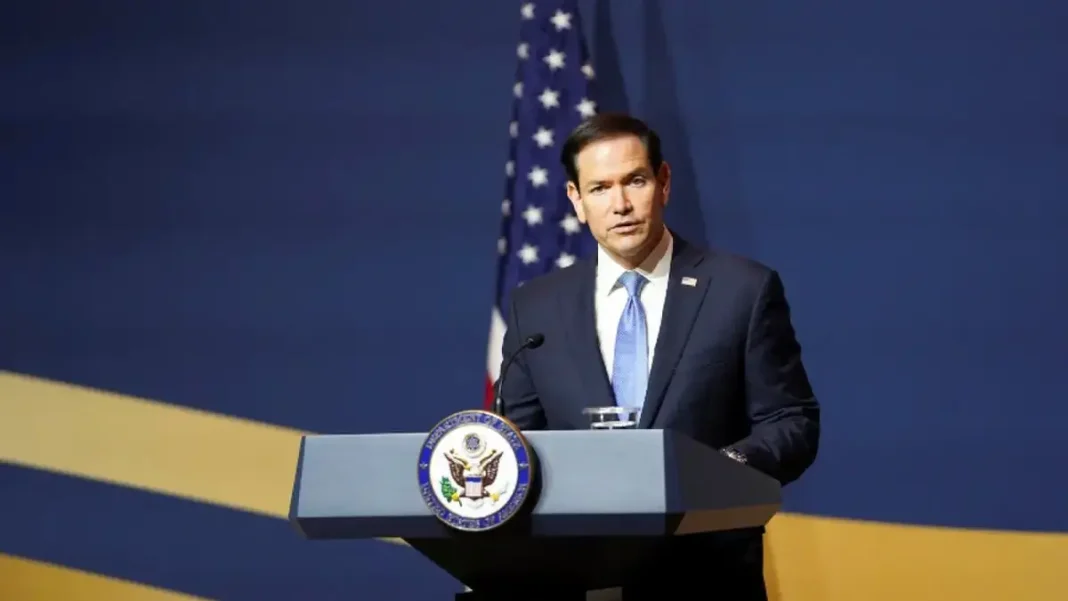
The mood at the close was mixed. French Ecological Transition Minister Monique Barbut said the outcome was “not commensurate” with the crisis facing the natural world. She added: “The progress we failed to achieve here is a series of missed opportunities to speed up our response to the loss of biodiversity,” and warned that “nature will not wait for the pace of our negotiations.”
Veteran observer Juliette Landry, from the IDDRI think tank, said there had been “a lot of push and pull in every direction” during the summit. Guido Broekhoven, from WWF International, called the result a step forward, while noting weaknesses on harmful subsidies. An Lambrechts, from Greenpeace International, said the text expressed the subsidy issue in weak terms, but still showed momentum on harmful incentives, including fossil fuels, intensive agriculture, and overfishing.
A rare fight over science also cast a shadow over the talks, with a number of countries accused of undermining efforts to approve key scientific reports.
The finance gap at the heart of the deal
Money was the hardest issue in Yerevan. Governments agreed to faster action on finance for developing countries, but the finance to deliver the 2030 targets remains elusive. Organisers said more than $1.8 billion in finance from governments, philanthropies, and investors was announced during the conference, with one summit report putting new commitments at $2 billion.
That figure sits far below the $200 billion a year the framework seeks, including at least $30 billion a year for developing countries. Governments also agreed to accelerate efforts towards reducing harmful incentives by at least $500 billion a year by 2030, rather than a firm phase-out.
What this means for Pakistan
For Pakistan, the deal matters in practical terms. The country faces pressure on mangroves, wetlands, forests, and mountain ecosystems, and earlier Feature Pakistan reporting has tracked Karachi’s mangrove loss and the flood and erosion risk it creates. An earlier round of COP17 talks ended in dispute over nature and science, as covered in COP17 talks end in dispute over nature science. The next test comes quickly, with climate talks opening in Antalya, Turkiye, on November 9, where finance will again dominate.
What happens next
Frequently asked questions
What is the COP17 nature deal?
The COP17 nature deal is the Yerevan Pathway, agreed in Yerevan, Armenia, by nearly 200 nations. It urges faster action to halt and reverse biodiversity loss by 2030, with priorities on finance, harmful subsidies, monitoring, and national strategies.
What did COP17 agree on finance?
Governments agreed to faster action on finance for developing countries, and more than $1.8 billion in finance was announced during the conference. The overall goal remains $200 billion a year, including at least $30 billion a year for developing countries, so a large gap remains.
When and where is the next biodiversity summit?
COP18 will be held in Quito, Ecuador, in 2028, following the Yerevan Pathway and the first global review of the Kunming-Montreal framework.
Why were some delegates disappointed?
Delegates welcomed the deal but criticised weak language on harmful subsidies, unresolved finance questions, and a dispute over science. France’s minister said the outcome was not commensurate with the crisis facing nature.