Related FP coverage: fbr-extends-2026-tax-return-deadline
Source: The Express Tribune, “Glitch bars new resident taxpayers”, published 25 October 2026, 02:54 PKT. https://tribune.com.pk/story/2636737/glitch-bars-new-resident-taxpayers
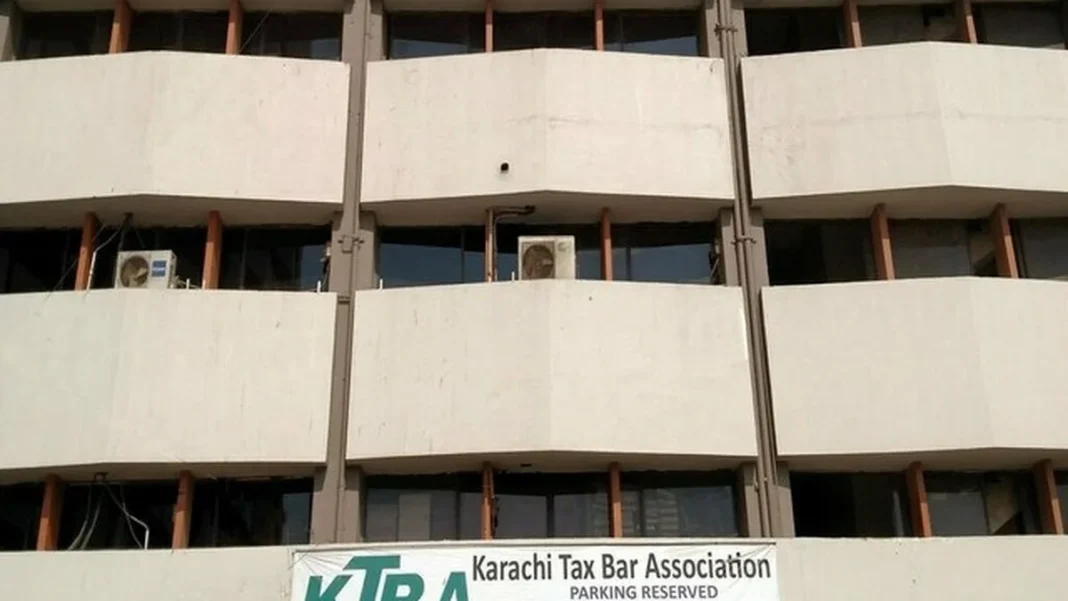
Pakistanis who have returned home after living abroad cannot enter a correct opening wealth balance in this year’s income tax returns because of a fault in the Federal Board of Revenue’s online filing portal, the Karachi Tax Bar Association has warned.
The problem affects people who were previously non-resident but are now resident Pakistanis for tax purposes. With only a week left in the twice-extended deadline for filing returns, the association has written to the FBR’s member operations asking for the fault to be fixed before the deadline ends next Saturday.
The association says the fault could create serious legal problems for returning Pakistanis if it is left unresolved, because their returns would not reconcile with their actual wealth position.
What the glitch does
The difficulty sits in the Wealth Reconciliation Statement on the Inland Revenue Information System, known as IRIS. The portal automatically fills in the opening wealth balance from the last Wealth Statement a person filed, and it does not allow that figure to be edited.
That causes no problem for a taxpayer who has filed every year. But a Pakistani who lived abroad for a period, and was therefore non-resident for tax purposes, filed no wealth statements during those intervening years. Section 116(2) of the Income Tax Ordinance, 2001, does not require wealth statements for those years.
When that person returns and becomes resident again, the system still carries forward the wealth balance from the last period when they were resident. The taxpayer cannot enter the correct opening balance for the relevant tax year, and cannot reconcile the movement in wealth for that year as Section 116(2) contemplates.
The association traces the restriction to a technical fault in return documents for the last tax year, on the part of Pakistan Revenue Automation Limited, which runs the system.
Why it matters for returning Pakistanis
Under the income tax law, a Pakistani who lives abroad for a certain number of days in a year becomes a non-resident Pakistani for tax purposes. Residence status therefore changes with a person’s movements, and the wealth statement must change with it.
People who have now resumed resident status are required to furnish a Wealth Statement and a Wealth Reconciliation Statement for tax year 2026. The frozen opening balance leaves them unable to do that accurately, even though they are willing to declare their wealth.
The association argues that under the self-assessment and declaration framework, a taxpayer should be free to declare the opening wealth balance on the basis of relevant information and records, subject to the provisions of the law. An automatic figure that cannot be corrected defeats that principle.
What the tax bar wants
The Karachi Tax Bar Association has asked the FBR to change the validation on IRIS so that returning individuals can enter the appropriate opening wealth balance for the relevant tax year. That single change, it says, would let them reconcile the movement in wealth for that year without having to produce a reconciliation spanning the intervening years of non-residence.
The association added that it raised the point without prejudice to its broader position, that taxpayers should be free to declare the opening balance on the basis of their own records.
Deadline pressure
The timing adds to the pressure. The deadline to submit returns with all the benefits of filer status ends next Saturday, after two extensions. Feature Pakistan reported on 15 October that the FBR had extended the tax year 2026 deadline for a second time, with 6.9 million returns already filed and glitches in IRIS among the reasons cited for the extension.
Returning Pakistanis now face the same portal problem in the final week of that extended window. If the validation is not changed, they must either file a return they know does not reconcile, or risk losing filer benefits by waiting.