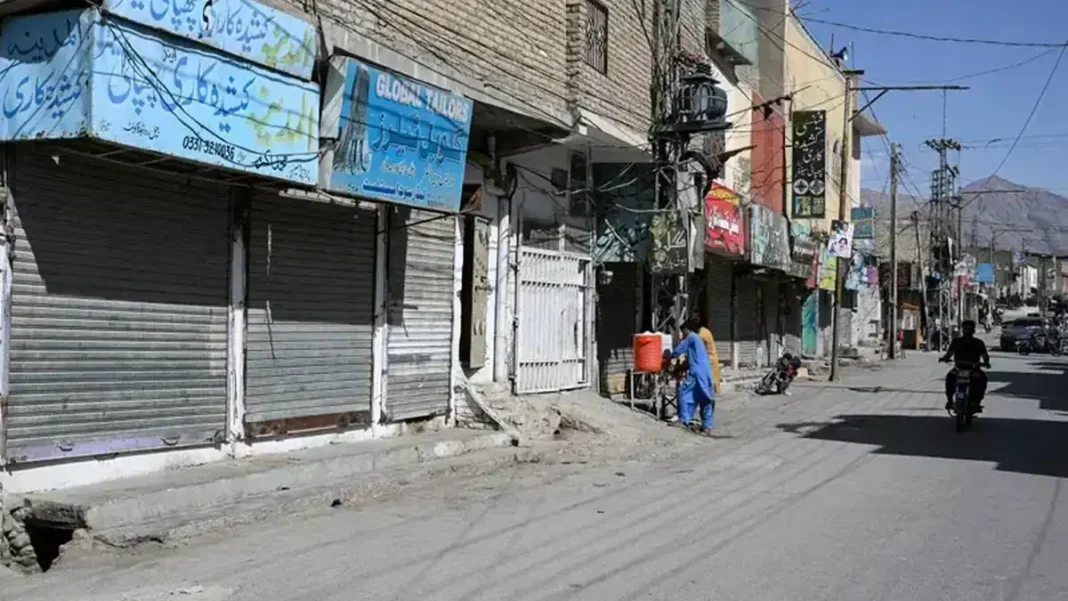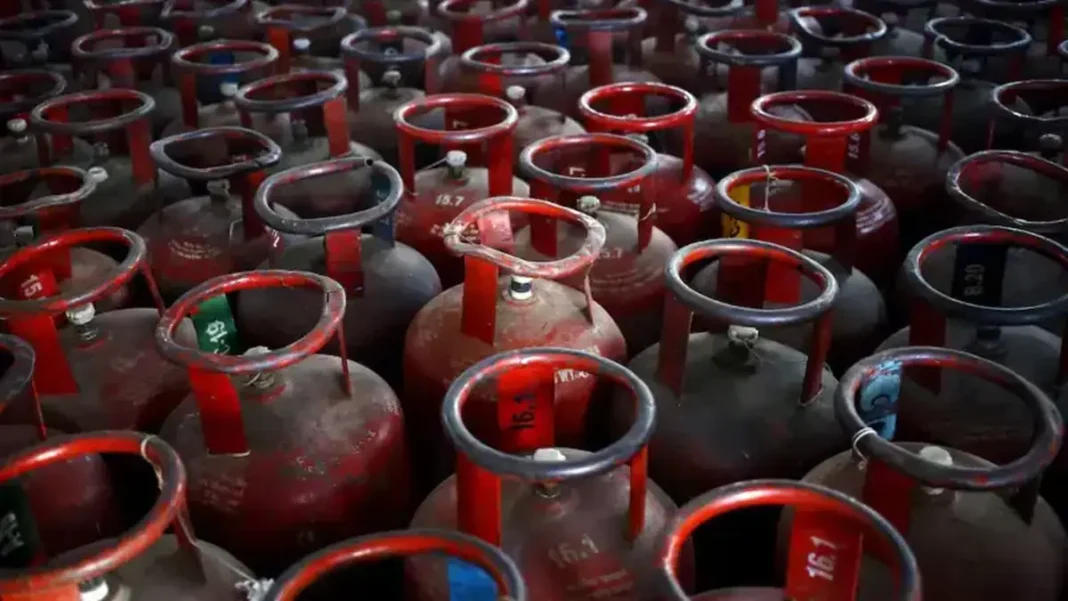
The LPG price hike in Pakistan came under sharp discussion in the National Assembly on Monday, when the government blamed the closure of the Pakistan-Iran border for the sharp rise in prices. Federal Minister for Petroleum Ali Pervez Malik told the House that the border closure was one of the main reasons for the increase, and that the government was now trying to bring in fuel by sea route.
He was responding to a calling attention notice moved by Aliya Kamran, Shahida Begum and Naeema Kishwar Khan. The notice drew attention to what it called an unprecedented increase in the prices of liquefied petroleum gas, causing grave concern among the public.
What households are actually paying
The mover, Aliya Kamran, told the House that in remote and northern areas, LPG was selling at Rs700 to Rs800 per kg. That stands against the official price set by the Oil and Gas Regulatory Authority (Ogra), which is Rs280 per kg.
The gap between the official rate and the market price is the figure that matters most to households. LPG is largely the fuel of remote and far-flung areas, where piped gas is not available. Its consumption rises in winter, and so does its price, which makes the coming months a particular worry for families that depend on cylinders for cooking and heating.
Naeema Kishwar asked why the government had suspended trade with Iran through the border. The minister replied that 50 to 60 per cent of LPG was imported from Iran, while the rest of the required fuel came from Qatar. He added that supply from Qatar had been suspended due to the conflict involving the United States and Iran.
What the government says about the LPG price hike
Mr Malik said the government was reviewing the whole system and had a policy to acquire gas from other sources abroad. He also agreed that the official price prescribed by Ogra was Rs280 per kg.
However, he acknowledged a problem that goes beyond the border closure. Even during surplus supply of LPG, he said, the gas was nowhere sold at the government rate. That admission points to a second issue: enforcement of the official price in the market, not only the supply route.
The minister’s remarks therefore raise two separate questions for consumers. The first is whether alternative supply, including the sea route, can arrive in time for winter demand. The second is whether the official price will be enforced once supply improves, given that it has not held even when supply was surplus.
Why this matters alongside petrol and diesel
The LPG debate comes on the same day that new petrol and diesel prices took effect. Petrol now retails at Rs379.25 per litre and high-speed diesel at Rs395.82 per litre under the October 27 revision. For households, the combined pressure of fuel and cooking-gas prices is direct, and it helps explain why fuel costs have become a political issue.
Jamaat-e-Islami has already warned that it will march on Islamabad in mid-November if the government fails to end the petroleum levy. At the same time, Pakistan has sought investment from the United States in oil refinery upgradation projects to strengthen energy supplies. The State Bank’s decision to raise the policy rate to 12 per cent adds a further squeeze, since higher rates feed into the cost of living.
For remote areas, the LPG question is the most immediate of these. A family paying Rs700 to Rs800 per kg is paying roughly three times the official rate, and winter demand has not yet peaked.
Frequently asked questions
What is the official LPG price in Pakistan?
Ogra has set the official price at Rs280 per kg, according to the petroleum minister’s statement in the National Assembly.
What are consumers paying in remote areas?
Aliya Kamran told the House that LPG was selling at Rs700 to Rs800 per kg in remote and northern areas.
Why has the price risen, according to the government?
The minister blamed the closure of the Pakistan-Iran border, noting that 50 to 60 per cent of LPG was imported from Iran and that supply from Qatar had been suspended due to the conflict involving the United States and Iran.
What is the government doing about it?
It says it is reviewing the whole system, trying to bring in fuel by sea route, and has a policy to acquire gas from other sources abroad.