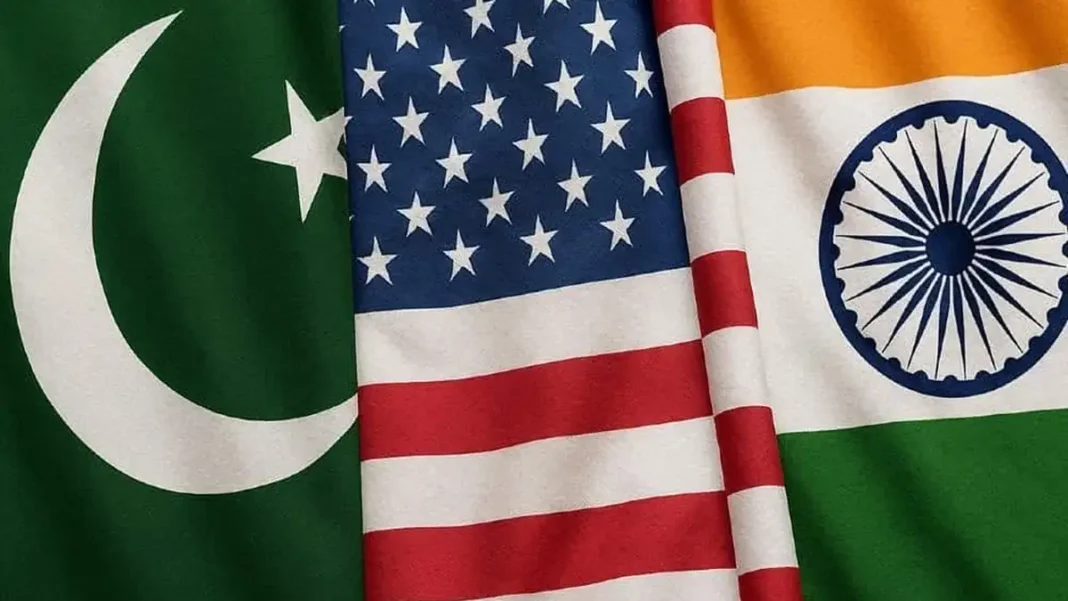
The United States and India have elected a combined 32 Muslim lawmakers to their national legislatures, while Pakistan has only one non-Muslim member elected directly to a general seat in the National Assembly. The comparison comes from economist Atif Mian, who set out the figures in a thread on X, on a day when the country’s leaders sent Diwali greetings to the Hindu community. It puts minority representation in Pakistan in sharp relief.
Eight Muslims in the US Congress
Muslims account for about 1.5 per cent of the population of the United States, according to Mian. Yet eight Muslim lawmakers have secured seats in the 535-member US Congress after the midterm elections held on November 3.
The eight include Abdul El-Sayed, the first Muslim elected to the US Senate after winning the Michigan seat. The other seven serve in the House: Ilhan Omar, Rashida Tlaib, Andre Carson, Lateefah Simon, Adam Hamawy, Darializa Avila Chevalier and Aisha Wahab.
Omar, who won a fifth term in Minnesota, welcomed the result on X. Four incumbents held their seats, while Hamawy and Avila Chevalier won their first House elections. Keith Ellison became the first Muslim in Congress in 2006, and Omar and Tlaib followed in 2018 as the first Muslim women in the House.
India: 24 of 543 seats
In India, Muslims make up around 14 per cent of the population but account for about 4.4 per cent of directly elected members of parliament. Only 24 Muslims won seats in the Lok Sabha in the 2024 general election, two fewer than in 2019.
The figure of 24 is the second lowest share of all time, at 4.42 per cent of the House. After a record 49 Muslim MPs were elected in 1980, the number has never crossed 40 since. None of the 24 sits on the treasury benches.
What minority representation in Pakistan looks like
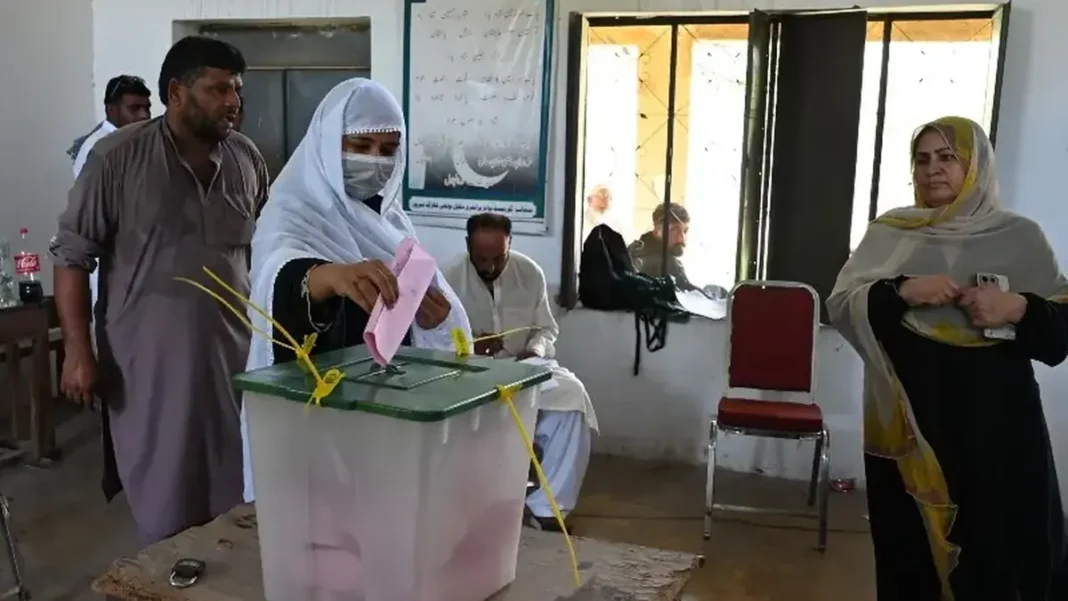
Pakistan presents a different picture. Non-Muslims form around 4 per cent of the country’s population, yet only one of the 266 directly elected National Assembly members is non-Muslim.
That member is Dr Mahesh Kumar Malani of the Pakistan Peoples Party, who represents NA-215 Tharparkar-II in Sindh. Malani won 135,287 votes in the February 2024 general election, defeating his closest rival, Arbab Ghulam Rahim of the Grand Democratic Alliance. He was the only non-Muslim candidate to win a general seat anywhere in the country.
Malani first won the seat in 2018, becoming the first non-Muslim to be elected directly to a National Assembly general seat. He has said about 75 per cent of the people who voted for him were Muslims. Tharparkar has a mixed population, with Hindus forming about 48 per cent and Muslims about 52 per cent.
Pakistan’s Constitution separately provides 10 reserved National Assembly seats for non-Muslims, allocated through proportional representation rather than direct elections. Parties nominate the members who fill those seats.
Mian also pointed to constitutional restrictions on certain public offices and the electoral treatment of Ahmadis. The Constitution requires the president and the prime minister to be Muslim. Ahmadis were declared non-Muslim under the Second Amendment in 1974.
Why the comparison matters
The comparison is not only about numbers. It is about how minorities reach power: through direct election by voters of all faiths, or through reserved seats filled by party nomination. Malani’s case shows direct election is possible. He won twice where Muslims form the majority, crediting his record in office. Yet he remains the only example in the National Assembly.
In India, the debate centres on why a community forming 14 per cent of the population holds only 4.4 per cent of Lok Sabha seats.
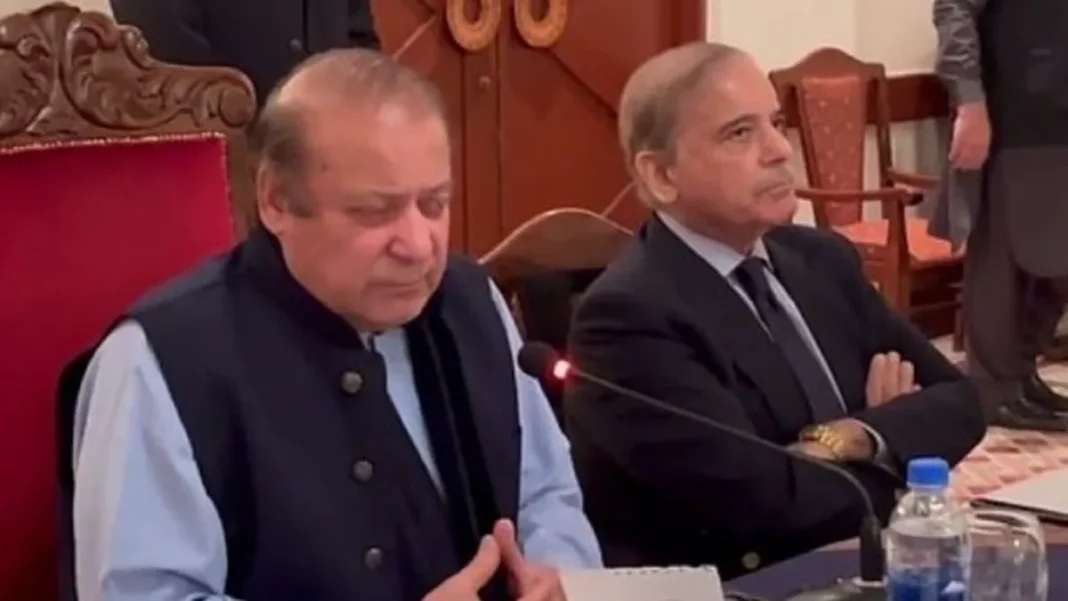
For Pakistan, the figures raise a direct question. The country’s leaders marked Diwali on Sunday by reaffirming their commitment to minority rights. The numbers show how far the elected House stands from reflecting the country’s religious mix, even with 10 reserved seats in place.
The National Assembly has 266 directly elected seats. Reserved seats add 10 more non-Muslim members, but they arrive through party lists, not through voters choosing them in a constituency.
Frequently asked questions
How many Muslim lawmakers are in the US Congress?
Eight, after the November 3 midterm elections: one senator, Abdul El-Sayed, and seven House members. Muslims form about 1.5 per cent of the US population.
How many Muslim MPs are in India’s Lok Sabha?
There are 24 Muslim MPs in the 543-member Lok Sabha, about 4.4 per cent, after the 2024 election. Muslims form around 14 per cent of India’s population.
Who is Pakistan’s only directly elected non-Muslim MNA?
Dr Mahesh Kumar Malani of the PPP, who represents NA-215 Tharparkar-II. He won the seat in 2018 and again in February 2024.
How are non-Muslims otherwise represented in Pakistan’s parliament?
The Constitution provides 10 reserved National Assembly seats for non-Muslims, filled through proportional representation from party lists, not by direct election in a constituency.