Pakistan-Bound LNG Tanker Al Mayeda Hit Near Hormuz
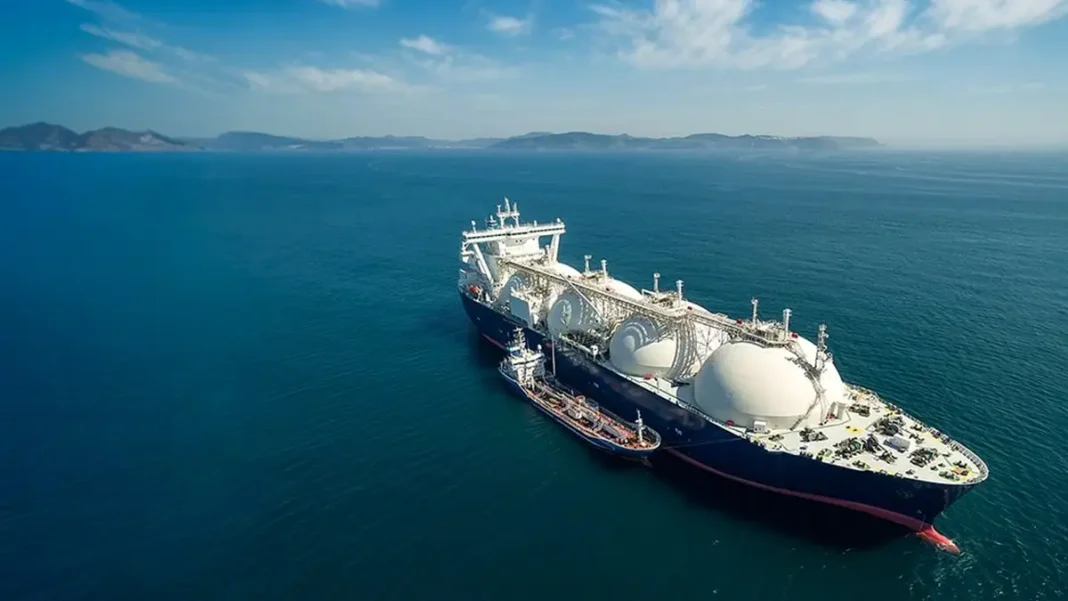
A liquefied natural gas tanker carrying a cargo for Pakistan was struck by unidentified objects in the Gulf on Friday evening, 30 October, only hours after Iran had cleared its passage through the Strait of Hormuz. The vessel turned back after the attack, and it remains unclear whether its cargo will still reach Pakistan.
The Marshall Islands-flagged carrier Al Mayeda belongs to Qatar Gas Transport Company, known as Nakilat. Bloomberg reported that Pakistan had negotiated safe passage for the vessel with Iranian officials, as it has done for several earlier cargoes. People familiar with the matter told Bloomberg that Iranian approval came just hours before the strike. No group has claimed the attack, and those responsible remain unknown.
What happened to the ship
Nakilat confirmed on Sunday that Al Mayeda was hit by unidentified objects while sailing in the Arabian Gulf. The company said none of the crew was injured and the incident caused no environmental damage. The vessel remains in a safe condition and is still operational while the impact is assessed.
India’s Shipping Minister Sarbananda Sonowal said the ship was struck in a projectile attack. He confirmed that all 25 crew members are safe, including six Indian nationals. Qatar condemned the attack as a threat to global energy supplies and said it has opened an investigation.
Tracking data showed the tanker reversing course and heading back towards the Gulf after the strike. Nakilat said it is in direct contact with the vessel, its crew and regional maritime security authorities, and it continues to monitor the situation closely.
Why the attack matters for Pakistan
The incident shows that even an Iranian green light no longer guarantees a safe crossing for energy cargoes bound for Pakistan. That point matters because Pakistan has leaned on its ties with Tehran to keep Qatari LNG flowing. ProPakistani reported that Pakistan received three Qatari cargoes in October under similar arrangements.
If this cargo does not arrive, Pakistan may have to buy a replacement on the spot market. Prices there have climbed to more than three times pre-war levels, according to the same reporting. The country has already paid heavily for spot cargoes since the regional war began in February, and costlier LNG usually feeds into higher prices for regasified LNG and added pressure on gas supply to homes and industry.
Winter makes the timing worse. Demand for gas rises in the colder months, when households need more heating and industry runs harder. A delayed cargo at the start of that season leaves less room for error in supply planning.
A waterway under strain
The Strait of Hormuz carries a large share of the world’s seaborne oil and gas, and shipping through it has faced repeated disruption since the war began. LNG shipments through Hormuz stayed at around 30 per cent of pre-war volumes in October, a sign of how far traffic has fallen.
The Al Mayeda incident is not isolated. Iran has sought to assert control over shipping through the waterway, saying vessels must obtain its permission to pass. The United States has responded by blockading Iranian ports. More than 120 commercial ships have been hit since the war began, according to data from the International Maritime Organization and the UK Maritime Trade Operations agency cited by Al Jazeera.
Pakistan has followed these developments closely because its own energy imports move through the same route. Earlier reporting on this site covered Iran’s plan to reopen Hormuz within two days, a proposal that hinged on the United States. The Al Mayeda attack now tests whether any reopening can hold in practice.
What happens next
Frequently asked questions
What is the Al Mayeda?
Al Mayeda is a liquefied natural gas carrier owned by Qatar Gas Transport Company (Nakilat). It was carrying Qatari LNG bound for Pakistan when it was struck in the Gulf on 30 October 2026.
When did the attack happen?
The attack took place on Friday evening, 30 October 2026. Nakilat confirmed it publicly on Sunday, 1 November 2026, so the news reached the public two days after the incident itself.
Were any crew members injured?
No. Nakilat and India’s shipping minister both confirmed that all 25 crew members are safe, including six Indian nationals. The company also reported no environmental impact.
Will the LNG cargo still reach Pakistan?
That is not yet clear. The vessel reversed course after the strike, and Nakilat is still assessing the damage. If the cargo does not arrive, Pakistan may need a replacement from the spot market at much higher prices.
Who attacked the ship?
That remains unknown. No group has claimed responsibility, and Qatar has opened an investigation into the incident.