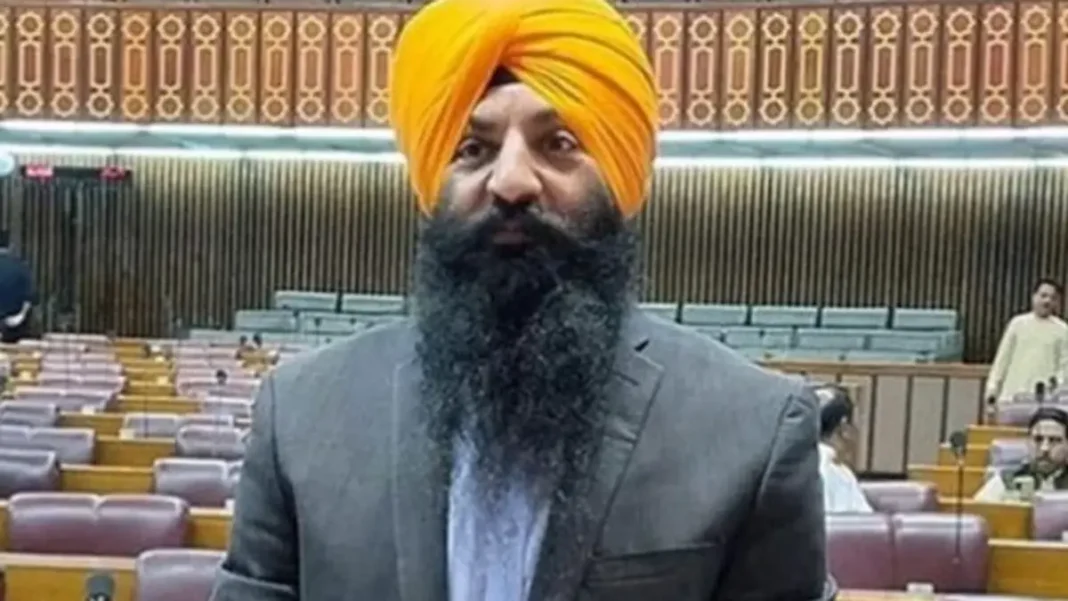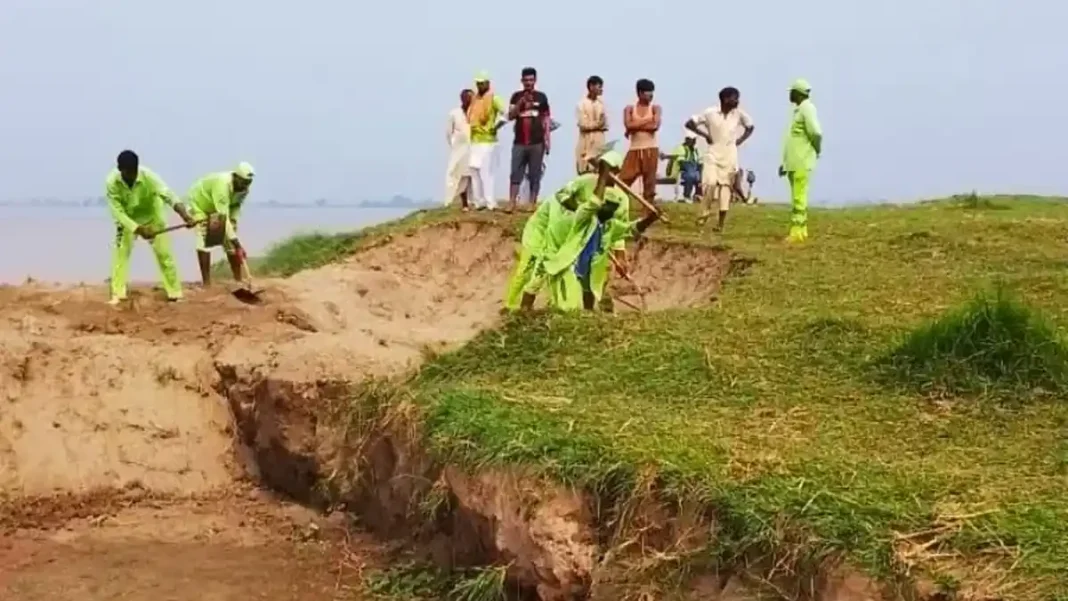
The Traders’ Association Rawalpindi on Tuesday rejected the new Suthra Punjab tax and warned the provincial government of protests if the tax was not withdrawn. The association said traders already pay property taxes, Water and Sanitation Agency (Wasa) bills and other charges, and it asked why a separate levy for sanitation was needed on top of them.
“Why is there a separate levy for sanitation when property taxes, Water and Sanitation Agency (Wasa) bills and other charges are already being collected? The government should spare traders from additional financial burdens,” said Malik Shahid Ghafoor Paracha, President of the Markazi Anjuman Tajiran Rawalpindi, while addressing a press conference at the Rawalpindi Press Club.
Paracha, along with association General Secretary Raja Tauheed Ahmed and other central office-bearers, rejected the new sanitation tax. They said the monthly sanitation fees imposed on shops and commercial centres under the Clean Punjab Programme were unacceptable. The business community, already struggling with inflation, high electricity and gas bills, various taxes and rising operational costs, could not bear any further financial burden, they said.
Suthra Punjab tax: what traders object to
The core objection is duplication. Traders said property tax and Wasa bills already include charges for municipal and sanitation services. They asked the government to clarify the legal basis and scope of the new levies, and to explain the distinctions between the services provided for each charge. The mere fact that bills are issued by different agencies, they said, did not justify imposing repeated financial burdens for the same type of services.
That argument will sound familiar to small shopkeepers. A shop in Rawalpindi’s markets pays rent, utility bills, taxes included in electricity bills and charges under the Punjab Revenue Authority system, among other costs. A new monthly sanitation fee lands on top of that stack, and traders said it would further increase the cost of doing business, with small shopkeepers hit hardest.
The traders also demanded transparency. They said the business community had the right to know exactly which services were covered by property taxes, Wasa bills and the new Suthra Punjab charges. They called for a comprehensive review of existing levies and related bills, instead of new sanitation charges on traders. They also asked the government to ensure transparency, accountability and protection of the business sector’s interests within the existing system.
Furniture Association President Sardar Saqib Naseem, Chamber of Small Traders and Small Industry President Rana Khurram, China Market President Tariq Khan Jadoon, Malik Association President Malik Waqar and Chicken Association President Zaheer Abbasi were also present at the press conference, alongside a large number of traders. The breadth of that attendance matters, because it shows the objection runs across market segments, from furniture and chicken sellers to small traders and market associations.
Why the protest warning carries weight in Rawalpindi
Rawalpindi’s markets are the city’s commercial centre, and a traders’ protest there would be felt quickly in daily trade. The association did not set a date for protests in its press conference remarks, but it linked protests directly to withdrawal of the tax. The government therefore faces a clear choice: explain and justify the levy, amend it, or face organised opposition from the city’s traders.
The traders were careful to separate the service from the charge. They said ensuring an effective sanitation system was the government’s responsibility, and the business community also desired a clean environment. Their objection, in their own words, was not to cleanliness, but to additional levies in the name of sanitation before clarity was given on existing taxes, charges and services provided.
The dispute is therefore about how sanitation is paid for, not about whether streets should be clean.
The wider Suthra Punjab picture
Feature Pakistan has reported on the Suthra Punjab programme before, including the seven-day deadline for the sanitation beat system in Punjab, under which areas below 80 per cent performance faced warnings and areas below 50 per cent faced termination. That report showed the programme being driven hard from the top, with performance targets and consequences for failure.