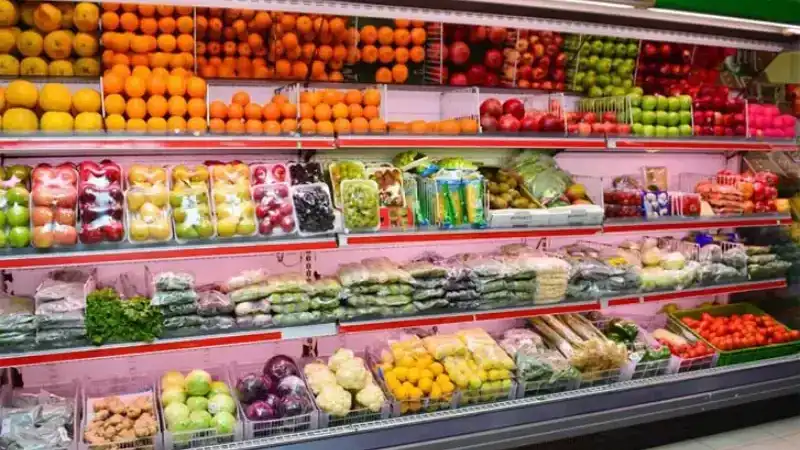
Pakistan’s food supply remains sharply out of line with the country’s own dietary guidelines, with large shortfalls in vegetables, fruits, roots and tubers, and pulses, while cereals and sugar stay in excess. Pakistan food supply dietary guidelines is the subject of a new Food and Agriculture Organisation (FAO) policy brief, which warns that the gap has grown over the past decade and now sits at the centre of the country’s malnutrition problem.
The brief, titled “Food Supply for Healthy Diets in Pakistan”, says access to diverse, nutritious, safe and affordable food is a policy priority, because more than 60 per cent of Pakistanis cannot afford a healthy diet. The report links the shortfall to high rates of malnutrition, while diet-related diseases that do not spread from person to person are rising at the same time as undernutrition persists.
Pakistan adopted its food-based dietary guidelines in 2018. The guidelines set out evidence-based advice on the types and amounts of food needed for a healthy diet. The FAO brief argues that advice alone cannot work if nutritious food is not available and within reach of ordinary households.
Pakistan food supply dietary guidelines: how wide the gaps are
The assessment compared Pakistan’s annual food supply with population-level needs across ten dietary guideline food groups, from 2010 to 2023. The results show a clear pattern: the foods people need most are the ones in scarcest supply.
The estimated vegetable supply gap widened from between 10.9 million and 17.8 million tonnes in 2010 to between 13 million and 21.6 million tonnes in 2023. For fruits, the gap grew from between 1.9 million and 10.3 million tonnes to between 3.9 million and 14.3 million tonnes over the same period. Those ranges reflect different ways of measuring need, but every measure points in the same direction: the shortfall grew.
Milk, milk products, meat and eggs improved, and fats and oils moved into the required range. The problem is the balance of the whole diet, not a single food group on its own.
Population growth adds pressure: Pakistan’s population rose from 189.3 million in 2010 to 235.2 million in 2023, and it is projected to reach about 330 million by 2050.
What the FAO recommends
The brief calls for coordinated fiscal and regulatory steps to bring farming, trade and food distribution back into line with dietary needs. It asks for better food distribution, lower post-harvest losses and less food waste, and stronger demand for healthy foods among consumers.
It also calls for an update to Pakistan’s dietary guidelines, so they reflect nutrition, health and environmental priorities together. Nutrition education and efforts to change eating habits form part of that plan, alongside taxes based on evidence on drinks and foods high in sugar, salt and unhealthy fats. Front-of-pack nutrition labels would help shoppers make informed choices, the brief says.
On farming, the brief urges greater investment in vegetables, fruits, pulses, roots and tubers, with support for milk production in some regions. It also recommends incentives for food processors to meet quality standards and cut salt, sugar and unhealthy fats in their products.
| Food group | Direction since 2010 |
|---|---|
| Vegetables | Gap widened sharply |
| Fruits | Gap widened sharply |
| Roots and tubers | Persistent shortfall |
| Legumes and pulses | Persistent shortfall |
| Milk, meat and eggs | Improved |
| Fats and oils | Moved into required range |
| Cereals and sugar | In excess of need |
Why this matters for ordinary households
The headline figure in the brief is stark: more than six in ten Pakistanis cannot afford a healthy diet. When vegetables and fruits are scarce or costly, families fill the gap with cheaper cereals and sugar, even though those foods do not meet dietary needs. Undernutrition has not gone away, yet diseases linked to poor diet are rising, and a food system that produces too much of some foods and too little of others feeds both problems at once.
For policymakers, the brief sets a clear order of work: grow more of the foods in short supply, cut losses between farm and market, and make healthy choices easier and cheaper for shoppers. For shoppers, the value of the brief lies in its plain account of why healthy eating feels hard: in many markets, the healthy option is simply not there in enough quantity, or not at a price people can pay.