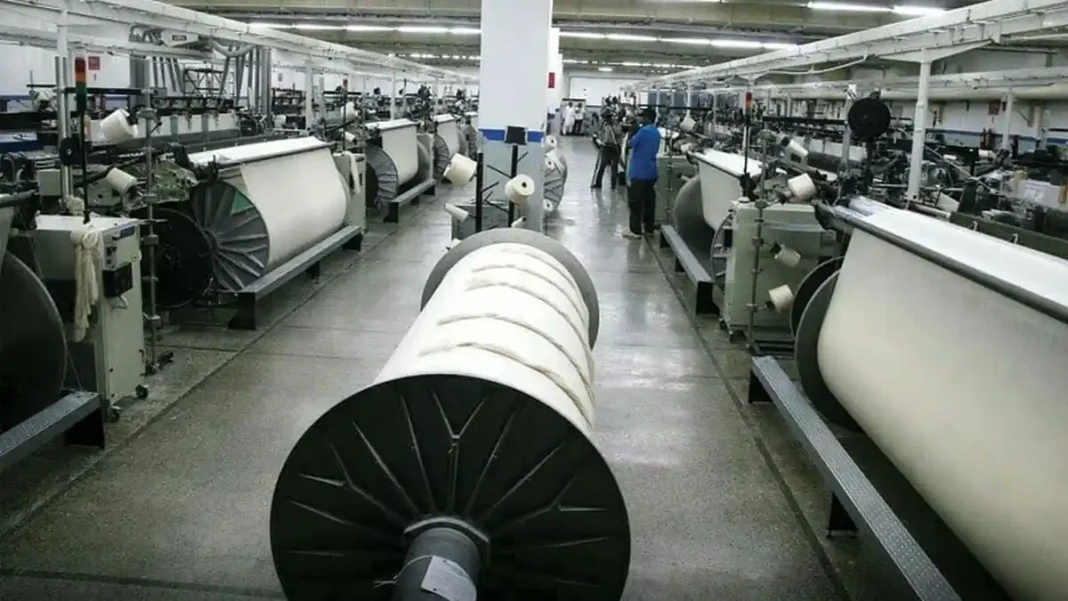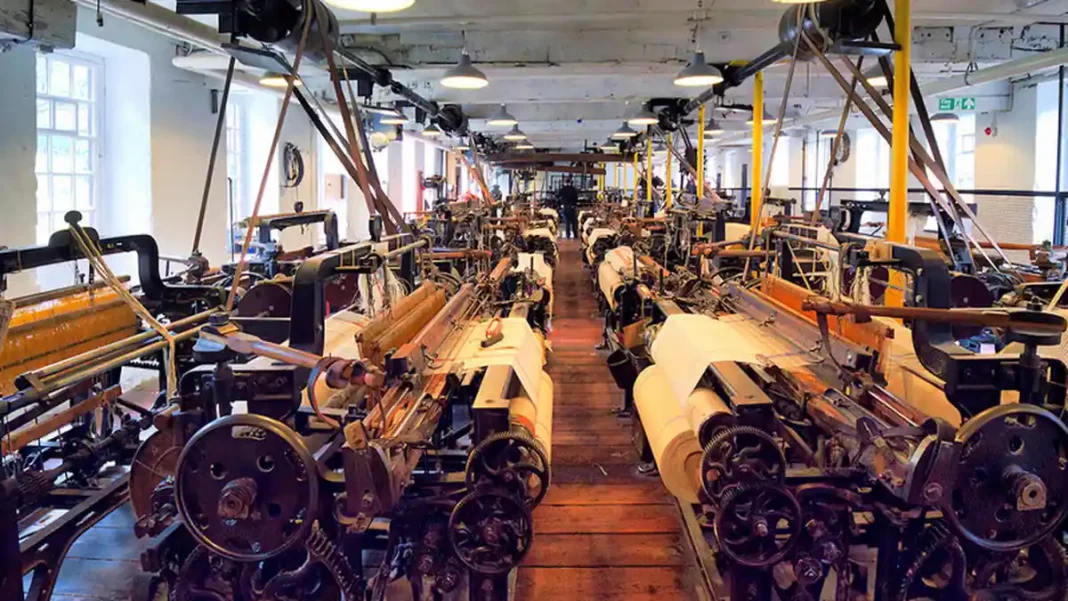
The FBR textile mills cameras order will require every registered textile spinning unit in Pakistan to install video surveillance by November 15, 2026. The Federal Board of Revenue issued the direction on Monday, October 26, under Sales Tax General Order No. 30 of 2026.
The order covers the processing of cotton and other natural, man-made and blended fibres. It extends electronic production monitoring to loose, opened and other non-bale forms of fibre. That list includes cotton, polyester, viscose, wool and acrylic.
What the FBR textile mills cameras order covers
Cameras must be placed at key points across spinning operations. The order names hopper bale openers and hopper feeders, where loose fibre is fed by hand. It also names weighing hopper feeders and blending feeders, which mix natural and man-made fibres.
Surveillance must also cover blow room lines for man-made fibres, including polyester and viscose, as well as acrylic processing lines. Waste openers and recycling lines handling soft waste must be monitored too. The same applies to comber noil and card flat strips, and to mixing or laydown areas where loose fibres are stacked or mixed.
The order leaves few stages of spinning unmonitored. Every point where loose fibre enters, moves or mixes must be on camera.
How the video analytics will work
The FBR has directed vendors authorised under Chapter XIV BA of the Sales Tax Rules, 2006, to upgrade their systems. Their video analytics must link to the installed cameras and detect, count and quantify fibres fed into production in loose, open or other non-bale forms.
The systems must capture production in real time. They must collect production data through object detection and counting, and send that data to the FBR Central Control Unit as it happens. They must also store and archive the data, flag unexpected production stoppages, analyse production quantities and support data analysis for legal action where required.
The legal basis for the order is Section 40C(2) of the Sales Tax Act, 1990, read with Rules 150ZQR and 150ZQT of the Sales Tax Rules, 2006.
Why the order builds on the 2025 bale system
The new order does not replace the earlier system. Sales Tax General Order No. 08 of 2025, dated November 20, 2025, will remain in force. That order set up monitoring for cotton bales.
The gap was loose fibre. Bales can be counted as units, but fibre fed loose into a line is harder to track by count alone. The 2026 order closes that gap by adding camera coverage and video counting for loose and opened fibre. For the FBR, the aim is a fuller picture of what a spinning unit actually processes, rather than only what arrives in bales.
The order lands at a difficult time for the sector. The State Bank raised its policy rate to 12 percent, adding to borrowing costs for industry. A minister has also sought loan relief as high rates bite industry. At the same time, some firms are still expanding: Interloop has set out a Rs6.5 billion expansion plan, a sign that parts of the textile chain keep investing despite cost pressure. Markets also watched the rate decision closely, as the PSX opened lower ahead of the decision.
What happens next
Vendors must now align their analytics with the new camera points. Spinning units have until November 15, 2026, to complete installation. After that date, the FBR will expect real-time production data from the covered lines.
The board has not said what penalties will follow for units that miss the deadline. For now, the order itself is the compliance signal: loose fibre processing must be visible to the tax authority, in the same way bale processing already was.
Which units must install cameras?
All registered textile spinning units must comply. The order applies to units processing cotton and other natural, man-made and blended fibres.
What fibre forms are covered?
Loose, opened and other non-bale forms are covered. The list includes cotton, polyester, viscose, wool and acrylic.
Does the 2025 order still apply?
Yes. Sales Tax General Order No. 08 of 2025 remains in force. The 2026 order adds loose-fibre monitoring to the existing bale monitoring system.
When is the deadline?
Cameras must be installed by November 15, 2026.