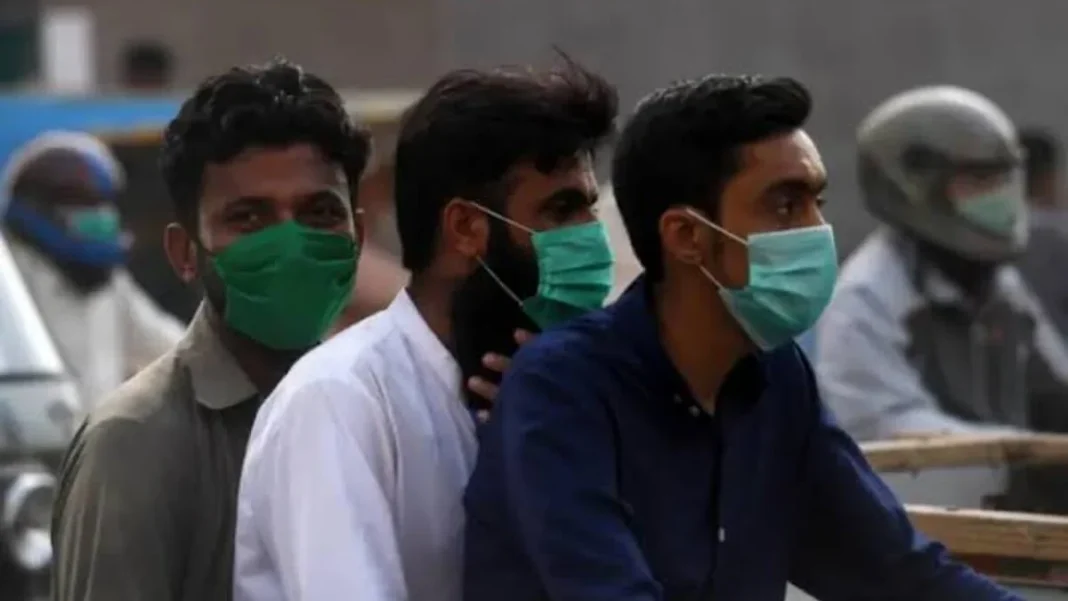
Karachi hospitals report surge in flu cases as H1N1 circulates
Major public hospitals in Karachi have reported a clear rise in flu patients as winter sets in, with the H1N1 strain of influenza now circulating in the city.
Aga Khan University Hospital (AKUH) has recorded around 400 cases of influenza this year. Professor Dr Faisal Mahmood, section head of Infectious Diseases at AKUH, told The Express Tribune that H1N1 was currently circulating in Karachi.
H1N1 is also known as swine flu, because of its similarity to the influenza virus that infects pigs. Dr Mahmood said influenza viruses change over time and give rise to new variants. He cautioned that case numbers could rise further by the end of the year.
Civil Hospital sees daily numbers double
Civil Hospital Karachi has felt the rise most sharply in its emergency department. Its head, Dr Imran Sarwar Sheikh, said the number of patients reporting flu symptoms had doubled during the last few days.
The hospital is now receiving between 70 and 80 such patients every day. Of those, around 10 are suspected influenza cases. Those patients are referred to Dow University Hospital for tests and further medical assessment.
At Jinnah Postgraduate Medical Centre (JPMC), Dr Irfan Siddiqui, deputy in-charge of the Emergency Department, confirmed the same trend. He said the number of flu and suspected influenza patients had increased at JPMC as well.
The pattern across three large hospitals points to a city-wide rise, not a single hospital’s caseload. It also arrives early in the cold season, when respiratory illness normally climbs.
Why the confirmed count is only part of the picture
Not every patient suspected of having influenza is tested. Dr Mahmood said testing is generally reserved for patients who are seriously ill.
That means the 400 cases recorded at AKUH this year are confirmed cases, not a full count of infections. Many milder cases will have gone untested and unrecorded.
Doctors still warn that influenza can turn serious. It can lead to pneumonia, particularly among vulnerable people. Dr Siddiqui said that in people with weakened immune systems, the infection can affect the respiratory system and may cause fluid to build up in the lungs.
Common symptoms include high fever, a runny nose and cough. Those symptoms overlap with ordinary colds, which is one reason laboratory testing matters. The Tribune report notes that H1N1 bears similarities to average flu and can only be diagnosed through laboratory tests.
Who should get vaccinated
Vaccination is the clearest preventive step doctors named. Dr Mahmood urged older people, children and those with weakened immune systems to get vaccinated against influenza.
Dr Siddiqui gave the same advice. He said a vaccine designed to protect against influenza is available, and urged people at higher risk of severe illness to consult healthcare professionals about vaccination.
Both doctors also advised basic precautions for people who are vulnerable or caring for the sick. They said such people should wear face masks, maintain physical distance and take care to avoid a contagious disease.
For patients already ill, Dr Siddiqui recommended a healthy, balanced diet, including soups, broths and water-rich fruits, to help maintain hydration and support recovery.
Vaccine supply in focus
The rise in cases has renewed concern about the quality and availability of vaccines in Pakistan. Experts say vaccination programmes can help reduce the spread and severity of seasonal influenza.
The public should obtain vaccines through authorised and reliable sources, the report notes. That caution matters at a time when demand rises fast and unverified sellers can enter the market.
With the flu season approaching and international travel increasing, health experts say vaccination and other preventive measures will remain important. Children, elderly people and other vulnerable groups face the highest risk of severe illness.
Karachi’s hospitals are already seeing the early shape of the season. The question for the weeks ahead is whether vaccination and precautions can keep a seasonal rise from becoming a heavier burden on emergency departments.
What is H1N1 influenza?
H1N1 is a strain of influenza, also known as swine flu for its similarity to the influenza virus that infects pigs. It can only be diagnosed through laboratory tests.
How many influenza cases has AKUH recorded this year?
Around 400 cases of influenza this year, according to Professor Dr Faisal Mahmood of Aga Khan University Hospital.
Who is most at risk from influenza?
Older people, children and those with weakened immune systems face the highest risk of severe illness, including pneumonia.
—
Sources and prior coverage
- The Express Tribune, “Karachi hospitals report surge in flu cases as H1N1 strain circulates” (28 October 2026): https://tribune.com.pk/story/2637418/karachi-hospitals-report-surge-in-flu-cases-as-h1n1-strain-circulates
- Related Feature Pakistan coverage: pakistan-air-pollution-life-expectancy-paqui-report-october-2026 (respiratory health burden in Pakistan)