The government has ordered a five-year kinnow exports roadmap to fix long-standing problems that hold back Pakistan’s citrus sales abroad.
A subcommittee formed on the orders of Prime Minister Shehbaz Sharif took the decision at a meeting in Islamabad on Wednesday. Minister of State for Health Dr Malik Mukhtar Ahmad Bharath chaired the meeting, which drew representatives of 41 organisations and institutions.
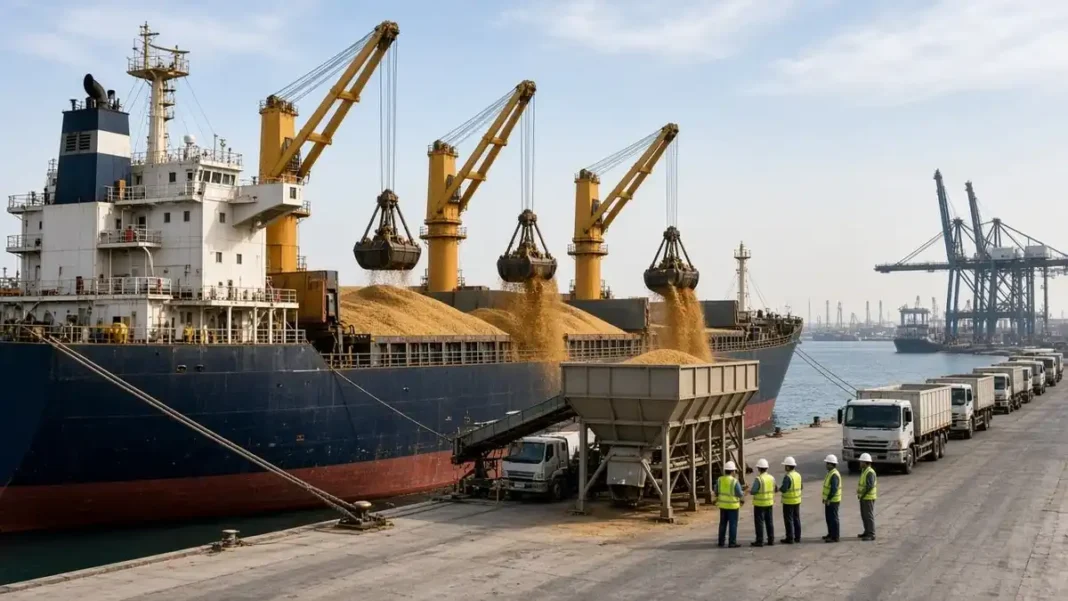
The committee reviewed how far the prime minister’s order for a 60 per cent tariff concession at Port Qasim has been put into practice. It also discussed steps to ease exporters’ problems and to raise Pakistan’s share in world citrus markets.
Kinnow exports roadmap: what was decided
The kinnow exports roadmap must be ready within 15 days. Dr Bharath directed the Pakistan Horticulture Development and Export Company to prepare it, with a focus on raising exports and adding value to kinnow and other citrus fruit.
The meeting proposed daily convoys to carry fruit across the Iran border. It also discussed a “green channel” for fast customs clearance of perishable farm produce, so fruit spends less time waiting at border points.
Another major proposal was a weekly refrigerated freight train from Sargodha to Karachi and Quetta. The Ministry of Railways was asked to prepare a feasibility report for the service. Sargodha sits at the heart of Pakistan’s citrus belt, and cold transport is central to keeping fruit fresh on the long journey to port.
Dr Bharath also directed the authorities to extend exporters’ financial instruments before November 15. The State Bank of Pakistan told the meeting that the longest period allowed for bringing export earnings back into the country was 120 days.
Duties and valuation cases abroad
The committee directed departments to deal urgently with two problems in export markets. One concerns import duties on Pakistani produce in the Philippines. The other concerns extra valuation-related matters in Russia.
Dr Bharath said exporters should get the maximum possible facilities. He said practical steps were needed to improve access to world markets, and that close coordination between public institutions and the private sector was essential for growing farm exports.
Why the roadmap matters for growers
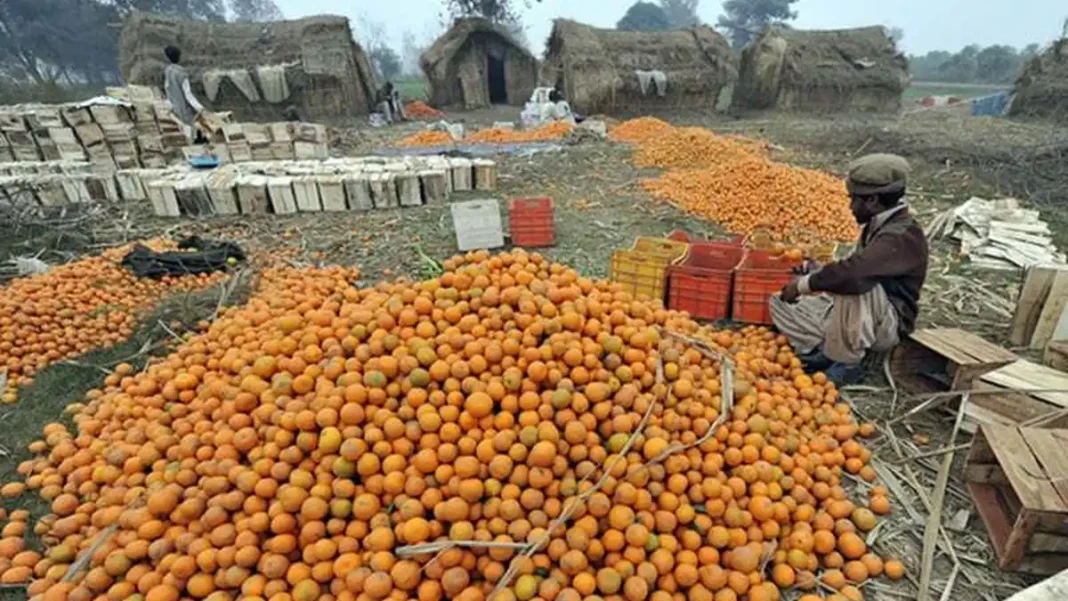
The roadmap matters because kinnow is one of Pakistan’s best-known farm exports, yet growers and exporters have long faced the same set of hurdles: slow border crossings, weak cold transport, and payment and duty problems in destination markets.
A dated plan with named tasks gives each problem an owner and a deadline. The 15-day deadline for the roadmap itself, the November 15 date for financial instruments, and the Railways feasibility report all turn general promises into work that can be checked.
Feature Pakistan earlier reported on the Shehbaz Alibaba AI projects, which include digital platforms to help export citrus fruit and olives, on Pakistan’s major deals with Alibaba, and on the prime minister’s visit to China where the Alibaba understanding was signed. The kinnow roadmap sits beside that work: one track builds market access online, while the other fixes the physical journey of the fruit itself.
Background: last year’s kinnow measures
Last year, the government announced measures to raise the global profile of Pakistani kinnow. The focus was on improving export potential and value-added products.
Those measures included promoting seedless kinnow and value-added citrus products such as juices, concentrates and essential oils. They also covered training for growers and exporters, and registration of new exporters for markets like Uzbekistan and other Central Asian countries.
The new five-year roadmap will show whether those earlier steps are extended, and whether the bottlenecks at borders, ports and in destination markets are finally cleared.
Frequently asked questions
What is the kinnow exports roadmap?
It is a five-year plan the Pakistan Horticulture Development and Export Company must prepare within 15 days, covering higher exports and value addition for kinnow and other citrus fruit.
Which transport steps were proposed?
Daily fruit convoys across the Iran border, a green channel for fast customs clearance of perishable produce, and a weekly refrigerated freight train from Sargodha to Karachi and Quetta.
What is the 60 per cent tariff concession?
It is a concession at Port Qasim ordered by the prime minister, whose implementation the committee reviewed at its meeting.