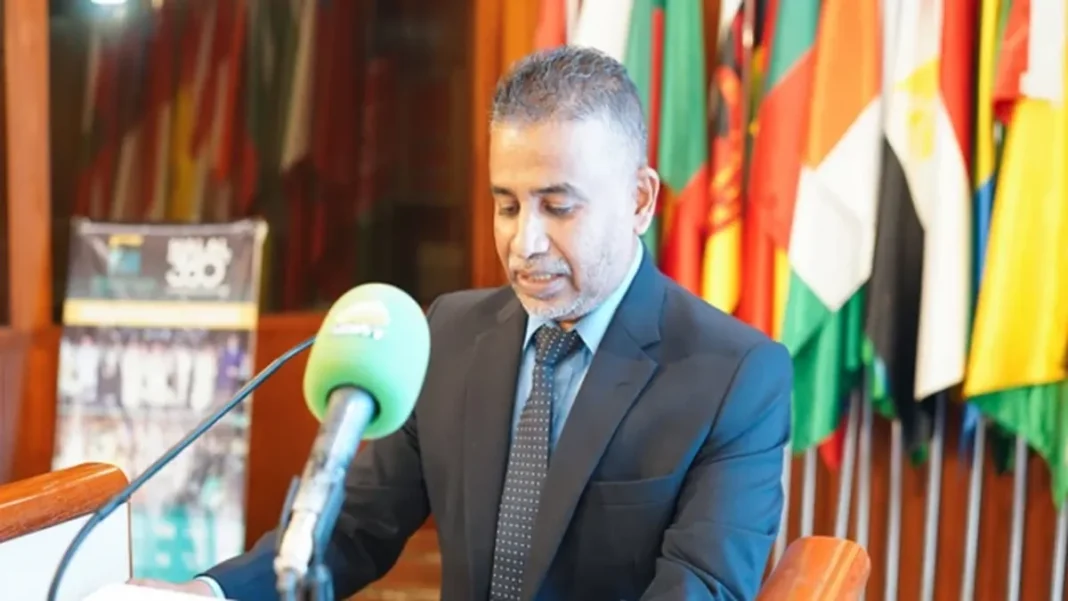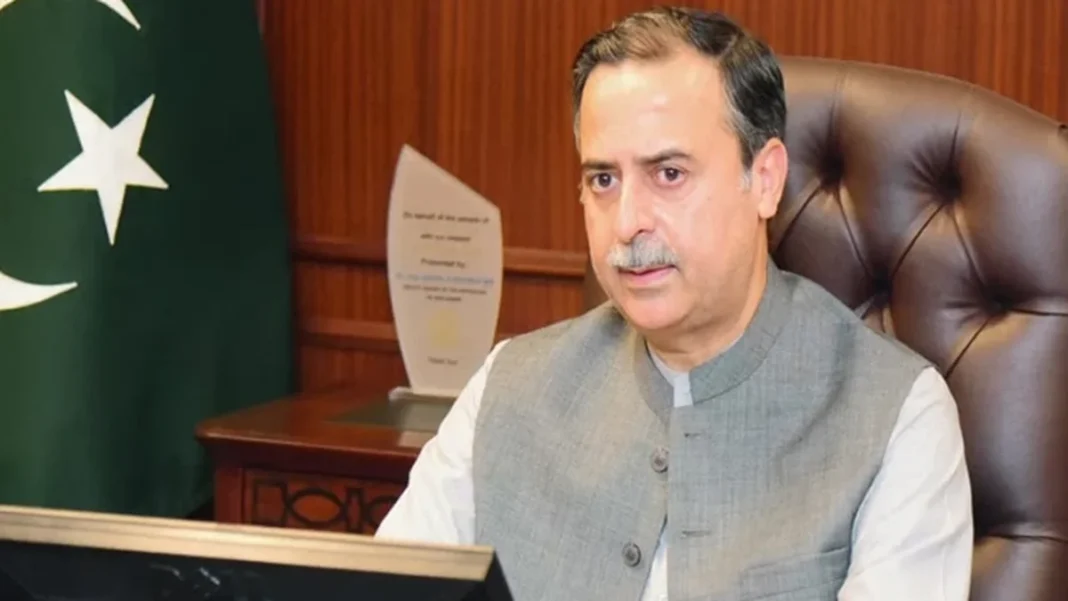
Federal Minister for Maritime Affairs Muhammad Junaid Anwar Chaudhry has said Pakistan maritime insurance costs should fall after the country’s removal from the Joint War Committee’s list. He said the step should aid commercial activity worth around $3 billion.
Chaudhry spoke at a symposium titled “Pakistan’s Maritime Future: Maritime Security, Ocean Governance and Blue Economy”. The National Institute of Maritime Affairs organised the event, which brought together policymakers, academics and maritime officials to examine regional challenges, the changing maritime order, new technologies, ocean governance and the part ports and shipping can play in national security and economic growth.
He said secure sea routes were vital for economic stability at a time of rising regional tensions. The Ministry of Maritime Affairs, he said, was working to improve port efficiency, expand the national merchant fleet, make trade easier and attract investment.
The Karachi Port Trust handled more than 2,000 ship movements, the minister said. He also pointed to reforms in port charges and auction procedures, steps to help refrigerated cargo and faster clearance for goods.
Pakistan maritime insurance costs: why the listing mattered
The Joint War Committee is a London market body that lists areas where insurers judge the risk of war-related loss to be higher. When a country’s waters sit on such a list, shipowners and cargo owners can face extra war-risk premiums on top of normal cover. Those charges feed straight into freight and import bills.
Removal from the list does not remove risk on its own. It does, however, signal to insurers that the risk premium they attach to Pakistani trade should come down. For importers and exporters, that can mean lower insurance bills on each shipment and slightly lower landed costs for goods.
“The move is expected to benefit commercial activity worth around $3 billion,” Chaudhry said.
Port projects and the wider maritime plan
The minister also set out proposed investments in the maritime sector. They include a steel project worth about $680 million at Port Qasim, an integrated maritime industrial complex valued at $1.4 billion and a multipurpose terminal estimated at around $350 million.
He said the government was also working to expand the Pakistan National Shipping Corporation fleet, promote shrimp farming and strengthen the fisheries value chain. Each of those strands, he suggested, depends on ports that can move goods quickly and at a fair cost.
The timing matters for trade. Pakistan’s ports already carry heavy traffic, and imported wheat reached Karachi port in recent days, as reported here: Imported Wheat Reaches Karachi Port. At the same time, Pakistan’s trade with Sri Lanka shows a surplus of about $360 million, with exports near $450 million against imports of about $90 million, as reported here: Pakistan Exports $450m to Sri Lanka Against $90m Imports. Lower insurance costs would help both import and export cargoes that move through Karachi.
Sea lanes in the region have also stayed in focus. Oil shipments through the Strait of Hormuz rose as seven vessels passed in a single stretch, as reported here: Strait of Hormuz Oil Shipments Surge as 7 Vessels Pass. Against that background, the minister’s point was plain: safe and affordable sea routes protect trade, and trade protects prices at home.
What happens next
The test will come in the premiums insurers actually quote. If removal from the list feeds through to lower war-risk charges, shipping lines and traders should see the gain in their next renewals. If insurers keep charges high for other reasons, the gain will be slower to arrive.
For now, the ministry’s case rests on three claims: ports are moving more ships, charges and clearance are being reformed, and the insurance overhang that came with the listing is lifting. Traders will judge the claim by the invoices that follow.
What is the Joint War Committee list?
It is a London insurance market list of areas judged to carry higher war-related risk. Ships and cargoes linked to listed areas can attract extra war-risk premiums.
How much trade could benefit?
The maritime minister put the figure at commercial activity worth around $3 billion. He did not break that figure down by sector.
Which port projects did the minister name?
He named a steel project worth about $680 million at Port Qasim, an integrated maritime industrial complex valued at $1.4 billion and a multipurpose terminal estimated at around $350 million.