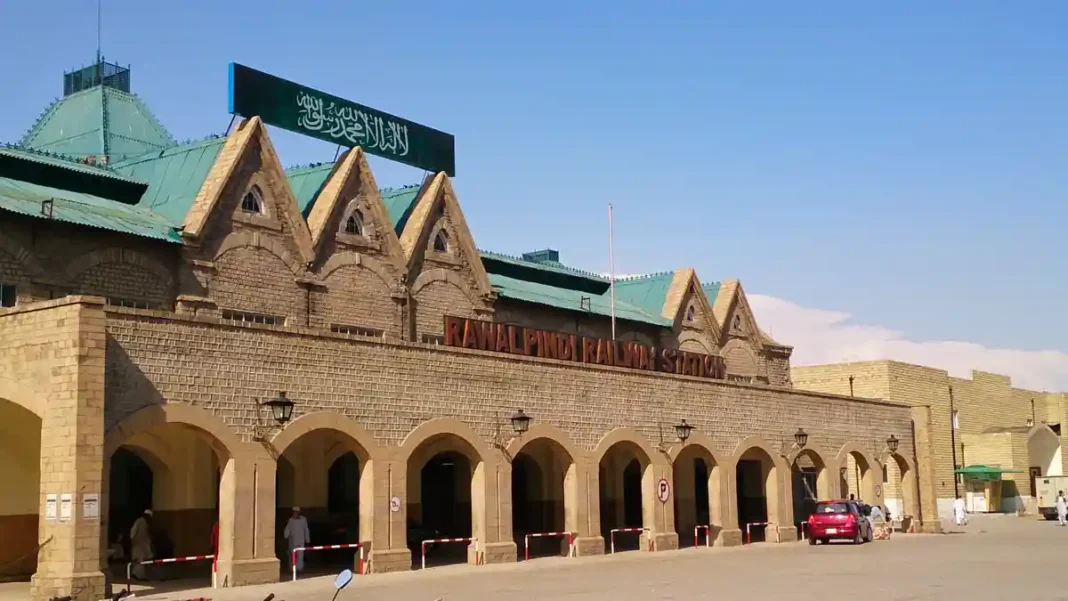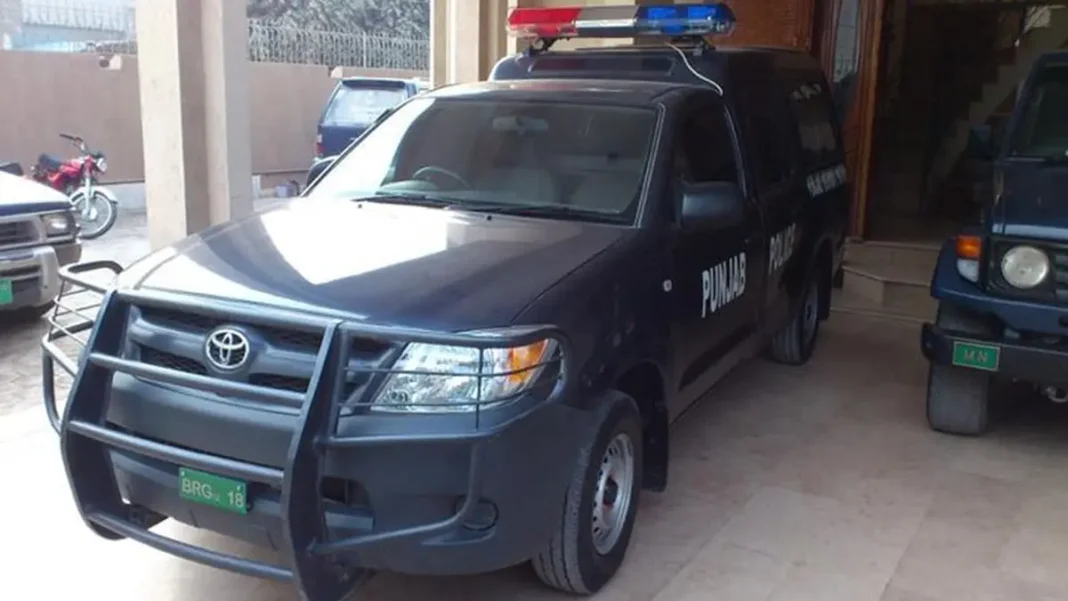
Rawalpindi police register year-old murder case
A case has been registered against individuals allegedly involved in the murder of a young man in Rawalpindi a year ago, after his father refused to accept the police account that his son died in a train accident. Police have registered the case and initiated an investigation, but the allegations in the complaint have not yet been proved in court.
The complainant, Muhammad Zafar, stated in his first information report (FIR) that his son, Ali Raza, left home with two men on the evening of 25 October 2025 and never returned. The case falls within the jurisdiction of the Civil Lines Police Station in Rawalpindi.
The FIR names the victim’s wife, Iram Akbar, her relatives and others as accused. Naming a person in an FIR means police will investigate that person. It does not mean the person is guilty.
The father’s account
According to police sources cited in the Tribune report, Zafar stated that his daughter-in-law, Iram Akbar, left his house and went to live with her family following a dispute between her and his son, Ali Raza.
Zafar said that sometime later, Iram’s brother, Imran, came to his house along with a friend, Raja Badar Munir Saghar, on the evening of 25 October 2025. He said Imran proposed arranging a reconciliation between his sister and Ali Raza by suggesting that Ali Raza come with them to meet Iram. Zafar and Ali Raza agreed, and Zafar saw his son leave with the two men. He named Shahbaz Ahmed Mughal as a witness to this exchange.
Zafar said that hours passed and night fell, but Ali Raza did not return home. He tried calling Imran and other family members, but none of them were reachable. He said he continued to look for his son at various hospitals and police stations for several days.
Later, when he inquired at the Civil Lines Police Station, police showed him a photograph of an unidentified body, which he recognised as his son’s. According to the report, police had buried Ali Raza as an unclaimed body on 29 October 2025, claiming that he had been struck by a train in Dhok Chiragh Din.
Zafar, refusing to believe the police account, insisted that his son had been murdered. He said his concerns went unheeded at the time.
The Okara encounter
Zafar said that upon conducting his own inquiries, he learned that following Ali Raza’s death, Iram had packed up her belongings overnight and relocated to Okara along with Imran and their father, Muhammad Akbar.
On 13 July 2026, when Zafar was visiting Okara to attend his late sister’s chehlum, the 40th-day memorial, he came face to face with his daughter-in-law’s family. He claimed they subjected him to verbal abuse and that Muhammad Akbar told him that since his son had ruined his daughter’s life, they had inflicted a horrific and exemplary death upon him.
He said they also threatened him by saying that he would meet the same fate as Ali Raza. These are claims made by Zafar in his complaint. The people named have not yet responded to them in the report, and the claims have not been tested in court.
After returning from Okara, Zafar revisited the police station and told police that his son did not die in an accident. He filed a report accusing Muhammad Akbar, his children Afzal, Bilal, Abbas (alias Rambo), Imran and Iram Akbar, and Raja Badar Munir Saghar, of murdering Ali Raza. Police have registered a case and initiated an investigation.
Why a year-old case is hard to prove
A murder case registered a year after death faces obvious difficulties. The body was buried as unclaimed, which limits what forensic examination can now establish. The scene, if there was a crime scene separate from the railway track, has changed. Witness memories fade, and phone records and other digital evidence may no longer be available in full.
Investigators can still record statements, including that of the named witness Shahbaz Ahmed Mughal, examine police records from October 2025, and test whether the train-accident account matches the injuries and location where the body was found.
The key question for investigators is narrow. Was Ali Raza struck by a train at Dhok Chiragh Din, as police recorded at the time, or was he killed elsewhere and his death presented as an accident? Answering that question will require evidence, not only the competing accounts of the father and the accused family.
- The Express Tribune, “Father seeks justice in year-old murder” (29 October 2026): https://tribune.com.pk/story/2637513/father-seeks-justice-in-year-old-murder