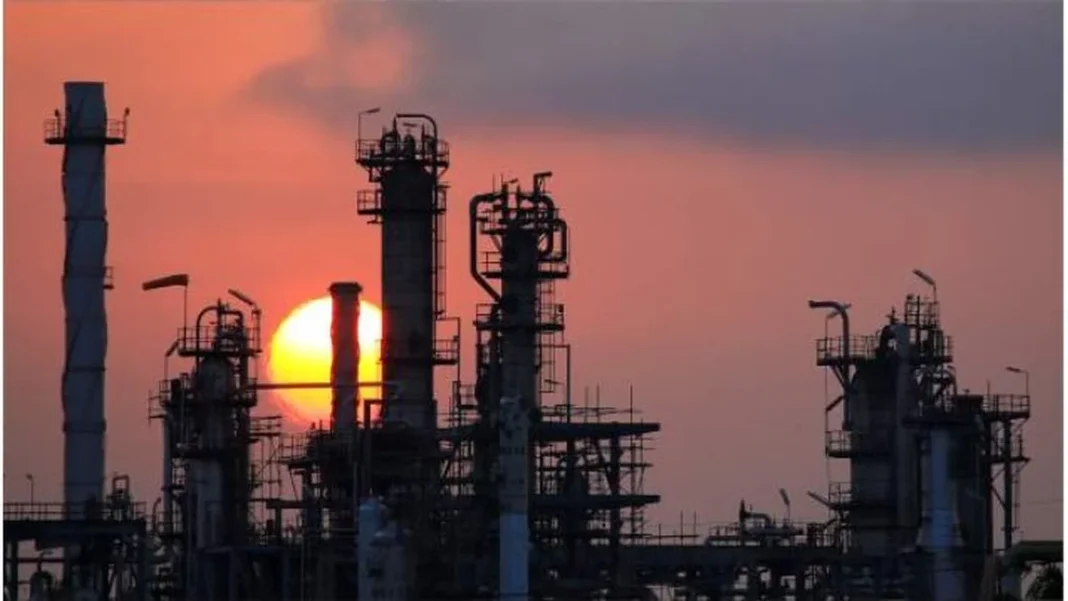
Pakistan refineries meet a third of petrol demand
Pakistan produced 7,035 tons of petrol a day during July to September 2026, while daily petrol sales stood at 21,583 tons. The figures were presented in the Senate through a written reply.
Local refineries therefore produced only about a third of the petrol sold in the country each day. The rest of the demand was met through imports of finished fuel and crude oil refined elsewhere in the supply chain.
Daily high-speed diesel production stood at 14,065 tons, compared with sales of 16,866 tons during the same period. The diesel gap was narrower than the petrol gap, but it still left the country dependent on imports.
Punjab dominates demand
Punjab recorded the highest numbers in the country. Its daily petrol production was 4,670 tons, while petrol sales stood at 14,827 tons. The province produced 7,608 tons of high-speed diesel a day and sold 10,779 tons.
In other words, Punjab alone accounted for more than two-thirds of national petrol sales. Its refinery output covered less than a third of what its own motorists bought.
In Sindh, daily petrol production stood at 1,592 tons, while sales reached 4,567 tons. Sindh’s daily diesel production was 4,419 tons, higher than its diesel sales of 3,662 tons. Sindh was the only province where diesel production exceeded diesel sales.
Khyber Pakhtunkhwa recorded daily petrol sales of 2,127 tons and high-speed diesel sales of 2,355 tons. The reply did not list any petrol or diesel production for the province.
Balochistan produced 773 tons of petrol a day, while its petrol sales stood at only 62 tons. The province’s daily diesel production reached 2,038 tons, against sales of 70 tons. Balochistan therefore produces far more fuel than its small local market consumes, with the surplus moving to other provinces.
Crude imports rose
According to the written reply, refineries produce petrol and high-speed diesel using both locally produced and imported crude oil. During the same quarter, Pakistan’s crude oil imports rose 12 percent to 2.78 million tons.
Separately, industry data showed that the country’s petroleum sales fell 2 percent year-on-year to 1.35 million tons in September.
The figures explain why fuel prices in Pakistan track global oil markets so closely. When local refineries cover only a third of petrol demand, every movement in world crude prices and in the rupee-dollar rate feeds quickly into pump prices and the import bill.
They also explain why refinery upgrades keep returning to the policy agenda. Raising local output would cut the import bill, but it requires investment in refining capacity, and that investment depends on pricing and margin policies that have been debated for years.
For now, the Senate reply gives a clear picture of the balance: a large, Punjab-centred demand, a smaller domestic refining base, and a structural reliance on imports that no single quarter’s figures will change.
Related coverage:
- https://featurepakistan.com/petrol-price-pakistan-rs387-40-diesel-rs400-35-per-litre/
- https://featurepakistan.com/pso-profit-doubles-q1-fy27-october-2026/
- https://featurepakistan.com/pakistan-mutual-funds-assets-october-2026/
- https://featurepakistan.com/shehbaz-sharif-export-led-growth-psx/
How much petrol did Pakistan produce daily?
Pakistan produced 7,035 tons of petrol a day in July-September 2026, against daily sales of 21,583 tons.
Which province had the highest petrol sales?
Punjab, with daily petrol sales of 14,827 tons, against production of 4,670 tons.
What happened to crude oil imports?
Crude oil imports rose 12 percent to 2.78 million tons during the same quarter.