Pakistan Cybersecurity Council to Lead School Lessons
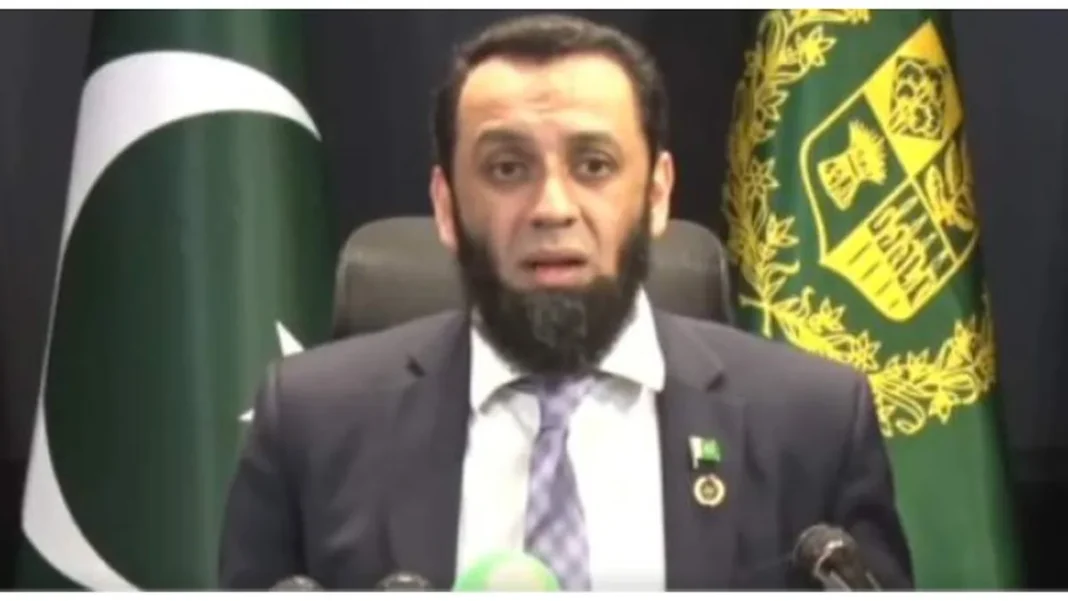
Pakistan cybersecurity council plans took shape on Thursday, when Information Minister Attaullah Tarar said an empowered council will be set up within one to two weeks. The council will push digital safety awareness all year round, instead of limiting the work to a single awareness week.
Tarar spoke at the closing ceremony of Cybersecurity Awareness Week in Islamabad. He said digital literacy should become a compulsory part of the curriculum at school, college and university level. Digital literacy cells will also be set up in all public and private educational institutions, he said.
The minister proposed that the Pakistan Telecommunication Authority (PTA) lead the new council. Its members would include federal ministries, all provincial governments, the National Cyber Crime Investigation Agency (NCCIA), the Social Media Protection and Regulatory Authority (SMPRA) and the United Nations Development Programme (UNDP).
Pakistan cybersecurity council: what it will do
Tarar said the council should make public awareness and reform possible 365 days a year, since a one-week campaign cannot keep pace with fast-changing technology.
The minister also said labelling of artificially generated content on social media will be made mandatory for all platforms through a legal and regulatory framework, so users will know which content was created with artificial intelligence. He linked that step to deepfakes, financial scams and other threats linked to artificial intelligence.
Tarar said society was not prepared for social media and fast-changing technology, so rules lagged behind and enforcement became difficult. New institutions such as the NCCIA and SMPRA were created as the country adapted, but technology kept moving faster than the rules.
Why schools are part of the plan
The curriculum change sits at the centre of the announcement. Tarar said children need training to recognise digital threats and protect themselves while using online platforms. Digital literacy should cover fake news, cyberattacks and online safety, he said.
Schools, colleges and universities will need to reflect the growing weight of digital skills in their teaching. The government will work with stakeholders and organise training sessions to spread awareness. Young people should also play a larger role in securing the country’s digital future, the minister said.
PTA warns of constant attacks
PTA Chairman Major General (retired) Hafeezur Rehman told the same ceremony that Pakistan faces serious cybersecurity threats and remains under constant cyberattack. He said thousands of fake videos and false reports circulate alongside cyberattacks around the clock.
Every citizen receives fraudulent calls and one-time-password messages, he said, and institutions continuously receive fake threats. The telecom sector itself is not completely secure at present, he added, which creates an urgent need for awareness campaigns and a full national policy. He appealed to the public not to forward any fake or unverified messages they receive.
The timing matters for households. Feature Pakistan reported this week that the PTA warned online fraud is very active across Pakistan, with fraudsters using fake calls, messages and links to steal money and personal data. A council that works through the year, rather than for one week, would give that warning a standing body to act on it.
The council plan also connects with enforcement work already under way. The NCCIA has been cracking down on cybercrime networks, while regulators have warned website owners about critical software flaws. Pakistan’s rules on removing online content remain a live debate, which is why the council’s mix of ministries, provinces, regulators and the UNDP matters.
What happens next
The next step is agreement on the council’s formation. Tarar proposed that agreement on the council be included in the event’s press release or declaration. He assured the gathering that the government and the Information Ministry will provide full facilitation for its establishment.
If the one-to-two-week timetable holds, the council should exist by mid-November 2026. Schools and colleges will then wait for detail on how compulsory digital literacy will be taught and how the promised digital literacy cells will be staffed. Those details will decide whether the plan changes classroom practice or stays a policy announcement.
Frequently asked questions
What is the Pakistan cybersecurity council?
It is a proposed council announced by Information Minister Attaullah Tarar on October 29, 2026. The PTA will lead it, with federal ministries, provincial governments, the NCCIA, SMPRA and the UNDP as members.