First Patient Receives Pioneering Stem-Cell Treatment for Parkinson’s in Japan
A patient in Japan has received the first transplant in a post-approval study of a pioneering stem-cell treatment Parkinson’s therapy, drugmaker Sumitomo Pharma said on Friday. The company disclosed the milestone in an earnings press release, saying the first transplant was performed at Kyoto University Hospital in October.
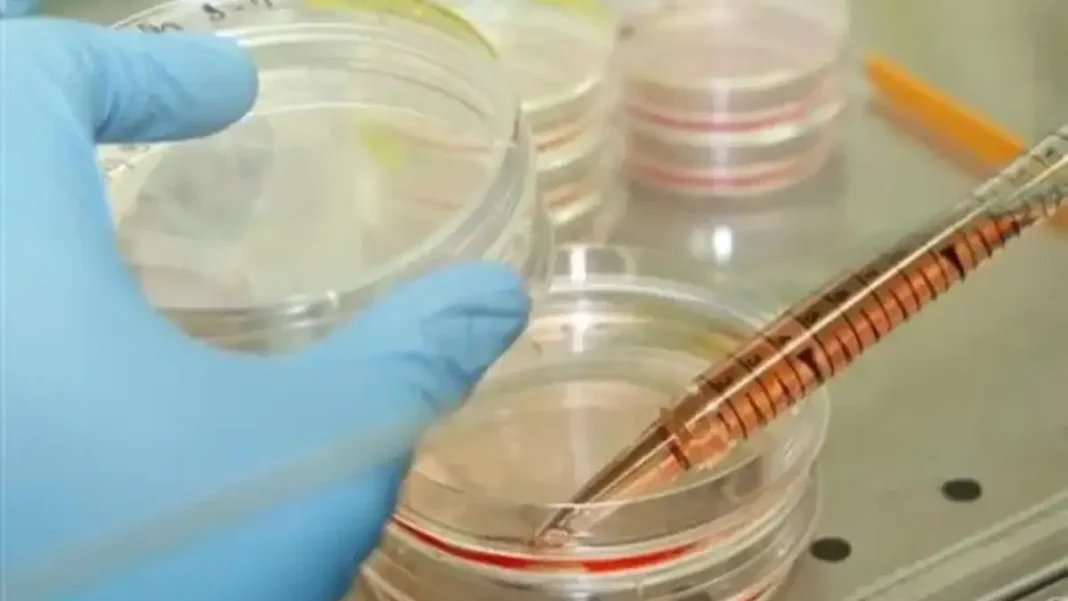
The treatment, known as Amchepry and also called raguneprocel, transplants millions of lab-grown induced pluripotent stem (iPS) cells into the patient’s brain. These cells are grown from healthy donors into progenitors of dopamine-producing brain cells, the very cells that Parkinson’s disease destroys over time.
How the stem-cell treatment Parkinson’s therapy works
Parkinson’s disease is progressive because it steadily kills dopamine-producing neurons in the brain. Dopamine helps control movement, so its loss brings tremors, stiffness and slow movement. Current drugs, including levodopa, manage symptoms but do not replace the lost cells. The Sumitomo approach tries to address the root cause by implanting new dopamine-producing cells.
Japanese regulators gave the therapy conditional approval in March 2026, after a clinical trial in seven patients aged between 50 and 69. Each trial patient received implants of either five million or 10 million cells on both sides of the brain. Researchers monitored them for two years, found no major safety concerns, and reported symptom improvements in four of the seven patients.
The October transplant is distinct from those trial cases. It is the first patient treated in the post-approval study that Sumitomo must run as a condition of its approval, not the first person ever to receive the cell therapy. The company gave no details about this patient, no procedure date, and no report of how the patient responded. Friday was the disclosure date, not necessarily the day of the operation.
What happens next for the therapy
Sumitomo said it plans to carry out transplants in 20 to 30 patients by March 2029, with about one or two patients in the current fiscal year and larger numbers in the following two years. The company is also running a clinical trial in the United States. Full approval in Japan will depend on safety and efficacy data gathered over the next seven years, according to local media reports.
That long road matters for readers. A first post-approval transplant is a real milestone, but it is not proof of a cure and not a result for this patient. The evidence so far covers a small trial group, and the therapy’s long-term safety and benefit remain unproven. Patients in Pakistan and elsewhere will watch the follow-up data, not this single announcement, to judge whether the treatment earns a lasting place in Parkinson’s care.
For Pakistan, where specialist neurology care is concentrated in big cities, the story also underlines a wider gap. Advanced cell therapies start in a handful of centres abroad and take years to reach other countries, even after approval. The honest measure of this breakthrough will be how many patients it eventually helps, and at what cost, once the seven-year evidence period runs its course.
The original report was published by Dawn.
What is the new Parkinson’s treatment?
It is a stem-cell therapy called Amchepry (raguneprocel) that transplants lab-grown iPS cells into the brain to replace lost dopamine-producing cells.
Where was the first post-approval transplant performed?
The transplant took place at Kyoto University Hospital in Japan in October 2026, according to Sumitomo Pharma.
How many patients were in the earlier trial?
Seven patients aged between 50 and 69 received implants of five million or 10 million cells on both sides of the brain.
Is the treatment fully approved?
No. It holds conditional approval in Japan from March 2026, and full approval depends on safety and efficacy data over the next seven years.