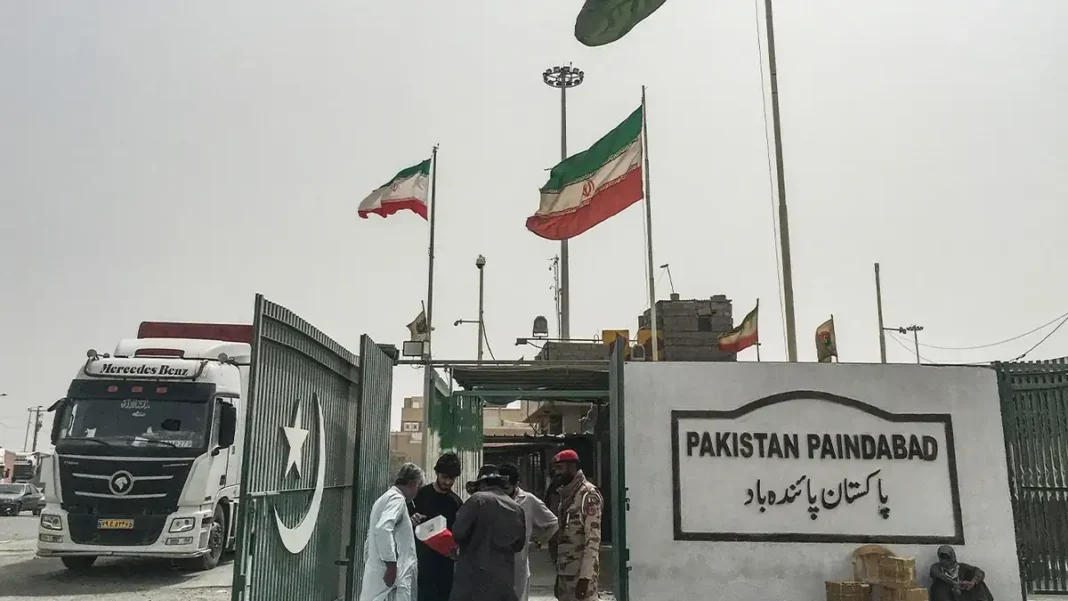
Al-Sheeb Border Crossing Closed to Pakistani Zaireen
Pakistan has directed pilgrimage organisers not to send zaireen to Iraq through the Al-Sheeb border crossing, after Iraq closed the route on October 21. The Ministry of Religious Affairs issued the directive in a press release on Friday, and it told registered Ziarat Group Organisers (ZGOs) to halt all movement towards the crossing until its reopening is officially confirmed.
The Al-Sheeb border crossing is the only authorised land route for Pakistani pilgrims travelling to Iraq through Iran. With the crossing shut, pilgrims cannot use any alternative land route without authorisation from the Iraqi authorities. For now, they can enter Iraq through Baghdad and Najaf international airports.
“All ZGOs are, therefore, directed not to dispatch Pakistani Zaireen toward the Al-Sheeb border crossing until its reopening is officially confirmed or an alternative land route is formally authorized by the Iraqi authorities,” the press release said. It added that intending pilgrims should verify their latest travel arrangements with their organisers before starting their journey, and avoid travel through the closed crossing.
Al-Sheeb border crossing: why Iraq shut the route
Iraq closed the busy Al-Sheeb border crossing with Iran last week to review security measures and to install detection equipment to stop the smuggling of prohibited materials, an Iraqi border official said on October 21. The crossing has stayed closed to passengers, vehicles and commercial trucks since then.
The ministry urged organisers to follow the directive strictly and to pass it on to their registered pilgrims at once. It said prompt communication would prevent inconvenience, stranding of passengers and logistical problems for pilgrims already on the move.
Thousands of Pakistani pilgrims travel between religious sites in Iran and Iraq every year. Both countries are major destinations for Pakistani Shia pilgrims, who visit shrines in both countries, often in a single journey. A closure on the one authorised land route therefore affects a large number of travellers, even though air routes remain open.
From advisory to a full halt
The new directive goes further than the ministry’s earlier guidance. On October 22, the ministry issued a circular that urged pilgrims to verify every Iran-Iraq air sector before departure and to prepare contingency plans in case of cancellations. That circular did not prohibit travel. It warned pilgrims who combine visits to Iran and Iraq, or who use Iranian airlines between Tehran or Mashhad and Najaf, to check each flight sector carefully.
Pakistan had already issued that Zaireen travel advisory for Iran and Iraq on the basis of guidance from the Foreign Office and Pakistan’s embassy in Baghdad. The October 30 press release turns that caution into a clear halt for the land route. Organisers must now hold their groups back from Al-Sheeb, rather than simply warning them about disruption.
Pilgrims planning travel should take three practical steps. First, they should contact their ZGO and confirm whether their group will fly to Baghdad or Najaf instead. Second, they should check every flight sector before departure, since the October 22 circular warned against relying on unconfirmed connections. Third, they should not set out for the border in the hope that it will reopen, since the ministry has said no alternative land route is available.
Regional tensions form the backdrop
The closure takes place amid regional tensions linked to the US-Iran conflict, which has persisted since February, when the United States and Israel carried out joint strikes against Iran. Iraq ordered the closure of another crossing with Iran, Shalamcheh, in September as a precaution after drone attacks on Saudi Arabia, according to two security sources.
Pakistan’s own security picture adds to the caution. The military’s spokesman has said Pakistan is cautiously optimistic about its mediation between Iran and the United States, and the army has responded to firing at the Angoor Adda border post in recent days. Travel arrangements are changing on other fronts too: Pakistan is seeking visa-free entry in 25 countries, although that effort is separate from the pilgrimage rules.
For zaireen, the practical point is simpler than the politics. The land route through Al-Sheeb is closed, the air routes through Baghdad and Najaf are open, and no group should travel to the border until Iraq confirms a reopening or authorises an alternative route.