Rawalpindi Restores Jobs of 2,000 Dengue Workers
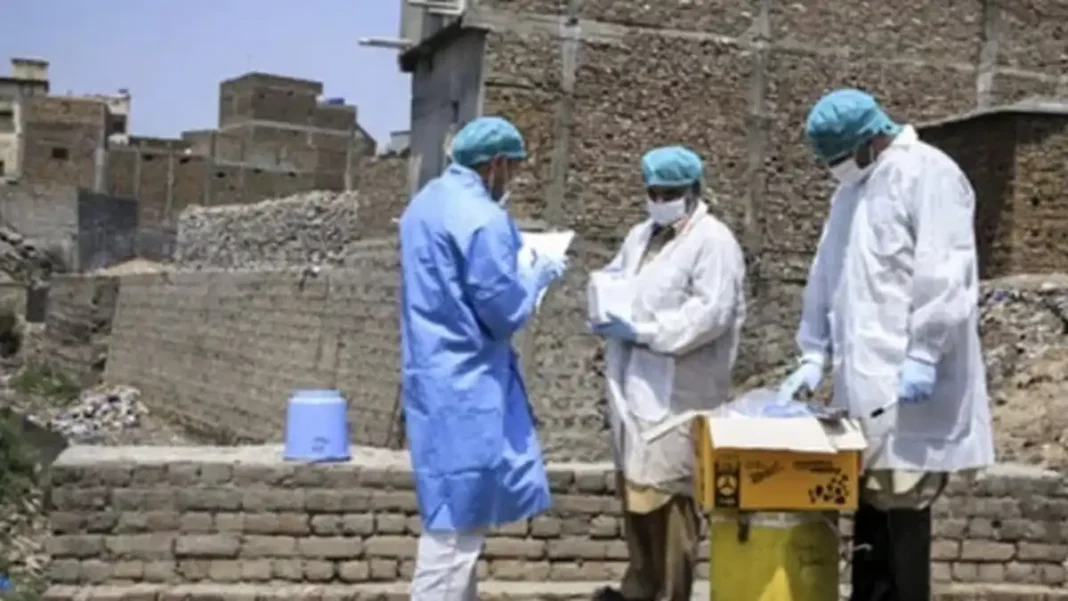
Dengue workers restored in Rawalpindi will return to duty on Saturday, October 31, after the Punjab health chief ordered their contracts extended for 90 days. Nearly 2,000 male and female workers in Rawalpindi district had been dismissed last week when their contracts expired.
The Rawalpindi health department telephoned the dismissed workers on Friday to inform them of the decision and asked them to rejoin duty for another three-month period. The order came from the director general of health, Punjab, in Lahore. The extension brought relief to the workers, many of whom had been hired for seasonal anti-dengue fieldwork.
The department has refused to regularise their services. The workers therefore return on contract, not as permanent staff, and their future after the 90 days remains open.
Dengue workers restored as cases climb to 134
The decision lands as dengue infections keep spreading in the twin cities of Rawalpindi and Islamabad. The combined number of patients has reached 134, with two of them reportedly in critical condition. Of the total, 85 cases have been reported in Rawalpindi and 49 in Islamabad.
The rise is visible against Feature Pakistan’s earlier coverage, when dengue cases reached 109 in the twin cities, with 67 in Rawalpindi. The jump to 134 shows the outbreak still gaining ground in the garrison city and the capital, and it explains why the district moved quickly to bring its field teams back.
Health officials say the peak dengue season and its associated threat will persist until November 15. After that, dengue larvae are expected to die naturally as severe cold sets in during evenings, nights and early mornings. Officials have also started hoping for immediate heavy rainfall, which could help bring the season to an end, though rain followed by severe cold is the combination they expect to close it out.
The timing puts pressure on the same workforce from two directions. Rawalpindi is also preparing a fresh polio vaccination drive from November 2 after poliovirus was found in the city’s sewage. The restored dengue teams return one day before that drive begins, in a city where health workers will now staff two campaigns at once.
The fieldwork behind the numbers
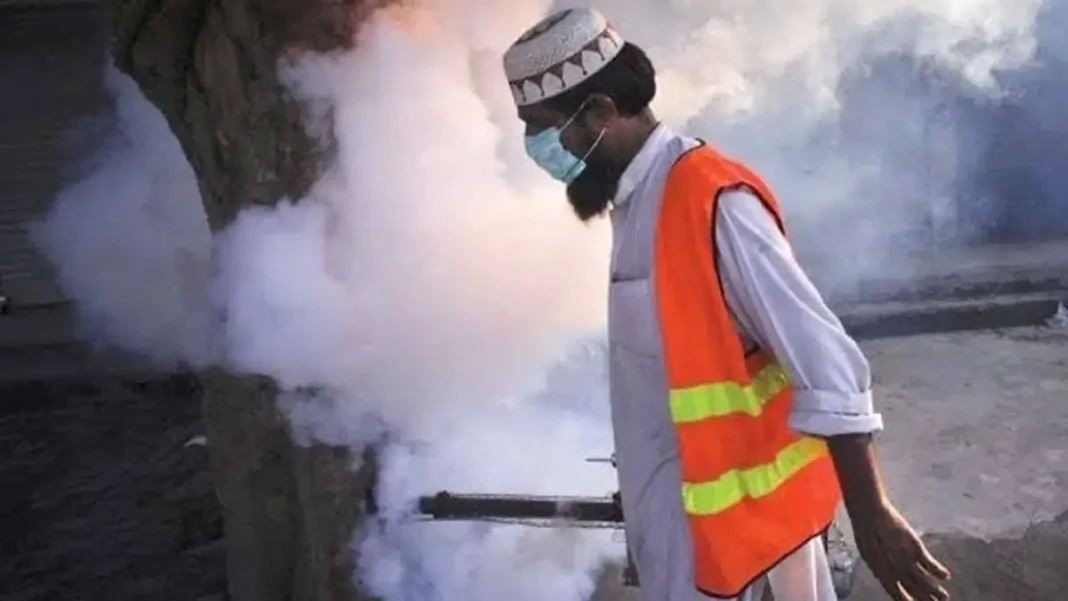
The scale of the anti-dengue effort in Rawalpindi district is large. The district’s 1,400 anti-dengue teams have so far inspected 7,902,099 houses, open spaces, tyre shops, junkyards and buildings under construction. They detected dengue larvae at 241,942 locations.
Enforcement followed those inspections. A total of 2,798 first information reports were registered after larvae were found, while 690 properties were sealed. The authorities also issued 2,335 challans and imposed fines amounting to Rs3,156,000.
The health department said the drop in temperatures had reduced the presence of dengue mosquitoes in open areas, graveyards, tyre shops and junkyards. That helps, but it does not end the risk. Anti-dengue work in open areas along the boundary between Rawalpindi and Islamabad has not been properly updated because of jurisdictional disputes, and larvae have multiplied in those areas as a result.
The pattern reaches beyond the twin cities. In Khyber-Pakhtunkhwa, dengue cases reached 4,856 as Kohat became a hotspot, a reminder that the seasonal surge is a provincial problem, not a single-district one. Punjab’s hospital system faces its own strain, as shown by the Lahore High Court order to end the parchi slip system in Punjab hospitals within four weeks.
For the restored workers, the next test is practical. They must pick up inspections, larvicide work and public reporting in the two weeks before the season is expected to ease, while the boundary-area gap remains unresolved. Their return keeps the field teams at strength, but the case count will show whether that strength is enough.
Frequently asked questions
How many dengue workers were restored in Rawalpindi?
Nearly 2,000 male and female dengue workers in Rawalpindi district had their contracts extended for 90 days after being dismissed last week.
When do they rejoin duty?
They were asked to rejoin duty on Saturday, October 31, for another three-month period.
How many dengue cases are there in the twin cities?
The combined number stands at 134, with 85 cases in Rawalpindi and 49 in Islamabad, and two patients reportedly in critical condition.
When is the dengue season expected to end?
Health officials say the peak threat will persist until November 15, after which larvae are expected to die naturally as severe cold sets in.
*Source: The Express Tribune.*