Capt Safdar Remarks on Ill Women Draw Fire
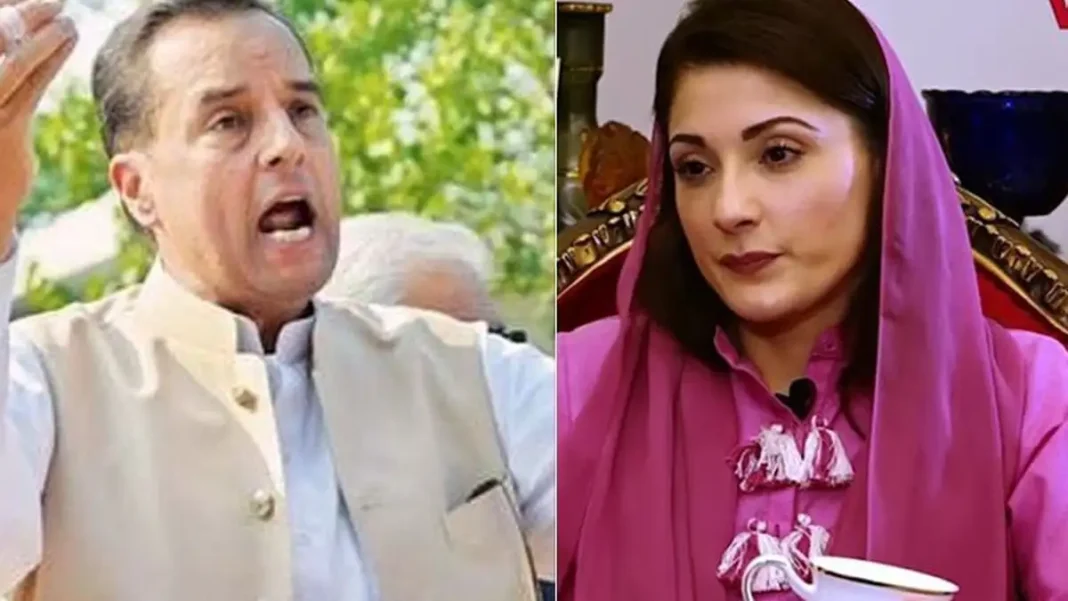
Capt Safdar remarks about women who assert control over their own bodies have drawn criticism online, including a public response from his wife, Punjab Chief Minister Maryam Nawaz. Retired Captain Muhammad Safdar, married to the chief minister, made the remarks at a Khatm-i-Nabuwwat rally in Chiniot earlier this week, in a speech about the slogan “mera jism, meri marzi” (“my body, my choice”).
Dawn reported that Safdar questioned why women who assert control over their bodies turn to religious scholars for prayers when diagnosed with serious illnesses such as cancer.
“They say, ‘My body, my choice.’ But when they fall ill or develop cancer, they turn to religious scholars, seeking prayers and blessed water for a cure. They should understand that if they claim ownership over their bodies, they should also be able to cure them. In reality, the human body is under God’s control,” he said.
How Capt Safdar remarks reached Maryam Nawaz
The speech gained wide attention on Friday, when a post on X about it drew a response from the chief minister herself. The post pointed out that Maryam Nawaz’s husband had lost his mother-in-law to cancer, yet was mocking women who were battling the disease. Maryam’s mother, Kulsoom Nawaz, passed away in 2018 after a months-long battle with cancer.
“Heartbreaking,” the chief minister wrote, posting an emoji of a broken heart. She added: “The silent battles a woman, a wife, fights behind closed doors … The strength she must find even when she feels like breaking. Some battles are fought in silence and some wounds are invisible.”
Her response was widely shared. What began as criticism of a speech became a public moment in which the chief minister appeared to distance herself from her husband’s words. Journalist Benazir Shah praised that step, writing: “It takes real courage to take a public stand like this. More power to you, Maryam Nawaz Sharif.”
The wider reaction to the speech
Other users on social media also took issue with Safdar’s remarks. Television anchor Ajmal Jami wrote that his own mother had been a cancer patient, and said the family knew how difficult those times had been. Listening to Safdar’s remarks on the matter was utterly shameful and disgraceful, he said, while thanking Maryam for her thoughtful and compassionate words for brave women.
Another user, Maheen Ghani, questioned the logic of the speech. She asked whether a woman who spoke about autonomy and consent lost the right to ask for prayers when she developed cancer, and she described turning a woman’s illness, fear and faith into an opportunity to humiliate her as an ugly understanding of both women’s rights and religion.
The slogan at the centre of the row, “mera jism, meri marzi”, has been used in Pakistan by women campaigning for bodily autonomy and consent. Safdar treated it as a claim of ownership over the body, at odds with seeking prayers for healing. His critics answered that autonomy and faith are not opposites.
Why the episode matters beyond one speech
The episode matters for two reasons. First, it touches a debate that runs through Pakistani public life, about how women’s rights, religion and illness are talked about in public. Remarks about sick people carry weight because so many families have lived through cancer and other serious illness.
Frequently asked questions
What did Capt Safdar say?
At a rally in Chiniot, he questioned why women who assert control over their bodies turn to religious scholars for prayers when diagnosed with serious illnesses such as cancer, saying the human body was under God’s control.
How did Maryam Nawaz respond?
She replied on X with the word “Heartbreaking” and a broken-heart emoji, writing about the silent battles a woman and a wife fight behind closed doors.
Why did the post mention Maryam Nawaz’s mother?
The post noted that Safdar’s mother-in-law, Kulsoom Nawaz, died in 2018 after a months-long battle with cancer, and critics argued that mocking women battling cancer was especially painful.
What does “mera jism, meri marzi” mean?
It means “my body, my choice”. Women in Pakistan have used the slogan to campaign for bodily autonomy and consent, and it has long drawn both support and opposition.