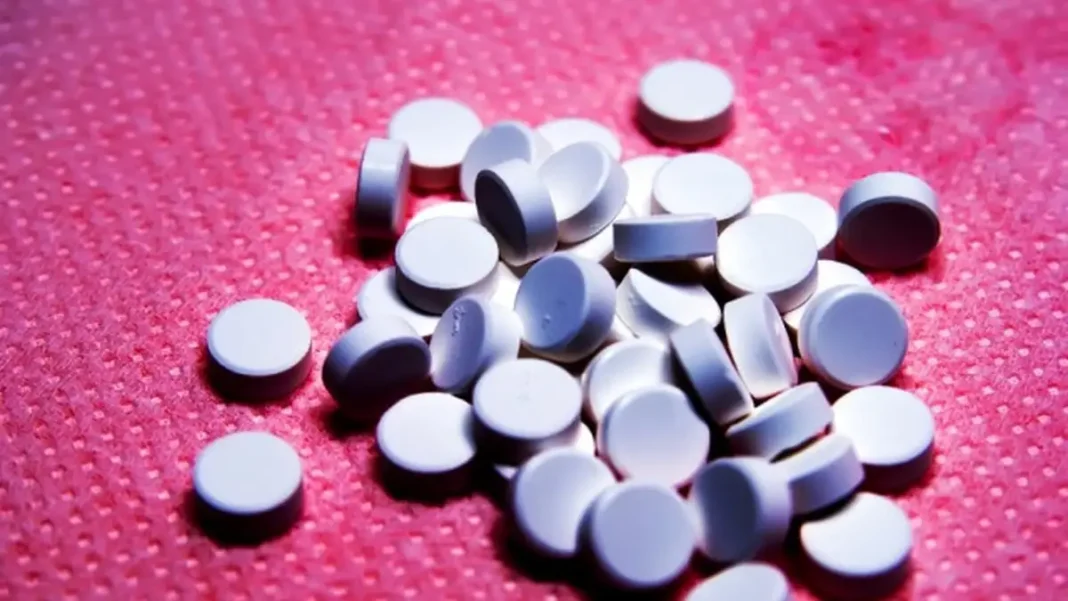
15 Substandard Medicines Found in Karachi
Laboratory tests in Karachi have found 15 substandard medicines, after samples collected from medical stores showed that the ingredients printed on their packaging were not present in the products. The findings cover everyday antibiotics, painkillers, eye and ear preparations, mouthwashes and baby-care products sold in the city.
Drug inspectors collected the samples from medical stores in Karachi’s south and central districts for chemical examination. The Sindh Drug Testing Laboratory tested all 15 samples and found every one substandard and counterfeit, with some also classified as unregistered. Its director, Syed Adnan Rizvi, shared the findings with The Express Tribune on Friday.
Substandard medicines: what the lab found
The products named in the report include Baby Eye Care, Tobramycin Ophthalmic Solution, Total Care Mouthwash, Magic Lotion, Anti Plaque Mouthwash, Denziclor Mouthwash, Happy Tooth Kid Mouthwash, Babycare Ear Cream and Vital Ear Cream. The list also includes five medicines: the antibiotics Velosef and Augmentin, the painkiller Nospa Forte, Mucaine syrup and Brexin tablets.
In each case, the chemical composition did not match the ingredients declared on the packaging: the medicines did not contain the specified active ingredients. A patient taking one of these products would not receive the treatment the label promises.
In a letter dated October 28, 2026, signed by Rizvi, the laboratory declared the products substandard, counterfeit and unregistered under the Drugs Act 1976 and the DRAP Act 2012. The letter has been forwarded to the provincial drug inspector and the secretary of the Sindh Quality Control Board for further action.
The range of products is what makes the finding alarming: antibiotics sit alongside mouthwashes and baby-care items on the same list, suggesting the problem is not limited to one supplier or one type of product.
Why missing ingredients matter for patients
Rizvi warned that substandard medicines might fail to produce the desired therapeutic effect. In some cases, he said, they could prove harmful to patients. The warning carries particular weight for antibiotics. When an antibiotic contains little or none of its active ingredient, an infection can go untreated while the patient believes treatment is under way.
For parents, the baby-care items on the list raise a separate concern. Products meant for infants and young children, including Baby Eye Care and Babycare Ear Cream, must meet strict quality standards. A product that lacks its stated ingredients offers no benefit, and it can delay proper care while parents trust a label that does not match the contents.
Eye and ear preparations carry similar risks. These products are applied to sensitive parts of the body, where quality and sterility matter. A preparation that differs from its declared formula cannot be trusted to work as directed, and patients have no way to tell the difference from the packaging alone.
The findings also place the spotlight on drug inspection and regulatory enforcement. Testing caught these products, but only after they had reached medical stores. Further action is now required against the sale and distribution of the identified products, and patients who bought them need clear guidance on what to do next.
This is not the first time the same laboratory has flagged fake medicines in Karachi. Feature Pakistan reported in October that Six Fake Medicines Found in Karachi Lab Tests after the laboratory found no stated active ingredients in six widely used products. The latest declaration is wider, covering 15 samples, and it shows the problem has not been closed.
What happens next for sellers and stores
Which medicines were declared substandard in Karachi?
The laboratory flagged 15 samples, including Baby Eye Care, Tobramycin Ophthalmic Solution, several mouthwashes, Babycare Ear Cream, Vital Ear Cream, Velosef, Augmentin, Nospa Forte, Mucaine syrup and Brexin tablets.
Who tested the medicines?
The Sindh Drug Testing Laboratory tested samples collected by drug inspectors from medical stores in Karachi’s south and central districts. Its director, Syed Adnan Rizvi, signed the declaration letter dated October 28, 2026.
What law covers the declaration?
The laboratory declared the products substandard, counterfeit and unregistered under the Drugs Act 1976 and the DRAP Act 2012, and forwarded the letter to the provincial drug inspector and the Sindh Quality Control Board.
What should patients do if they bought one of these products?
Patients should check the product name against the laboratory’s list and ask a pharmacist or doctor for guidance. They should not assume a product works simply because its packaging looks genuine.