Pakistan Faces 200,000-Tonne Fertiliser Shortfall
Pakistan faces a fertiliser shortfall of more than 200,000 tonnes, the government has told the National Assembly, as gas shortages linked to the Middle East conflict shut two urea plants and pushed prices higher. The disclosure came during Question Hour, in a session that also passed four amendment bills.
The Middle East conflict and gas shortages have worsened the urea shortage, adding to farmers’ woes as they grapple with rising crop cultivation costs. The government has acknowledged a shortfall of more than 200,000 tonnes against the country’s demand.
The government said gas supply was affected by the Middle East situation, causing two urea plants in the country to remain temporarily closed. The closures cut fertiliser availability and created shortage issues in the market, it said.
Fertiliser shortfall: what the House was told
During Question Hour, Parliamentary Secretary Shaista Khan told the House that agricultural production depends on fertiliser availability. Any increase or decrease in fertiliser prices and supply is a matter of concern for the government, she said.
The government is also relying on imports to meet fertiliser requirements, with about 50 percent of the country’s needs being met from abroad. Due to the Middle East crisis, fertiliser prices have also increased, she said.
Shaista Khan said the Ministry of National Food Security and Research gives priority to farmers’ needs. Various projects are being launched to solve their problems, including provision of easy loans to farmers so they can meet their agricultural needs, she said.
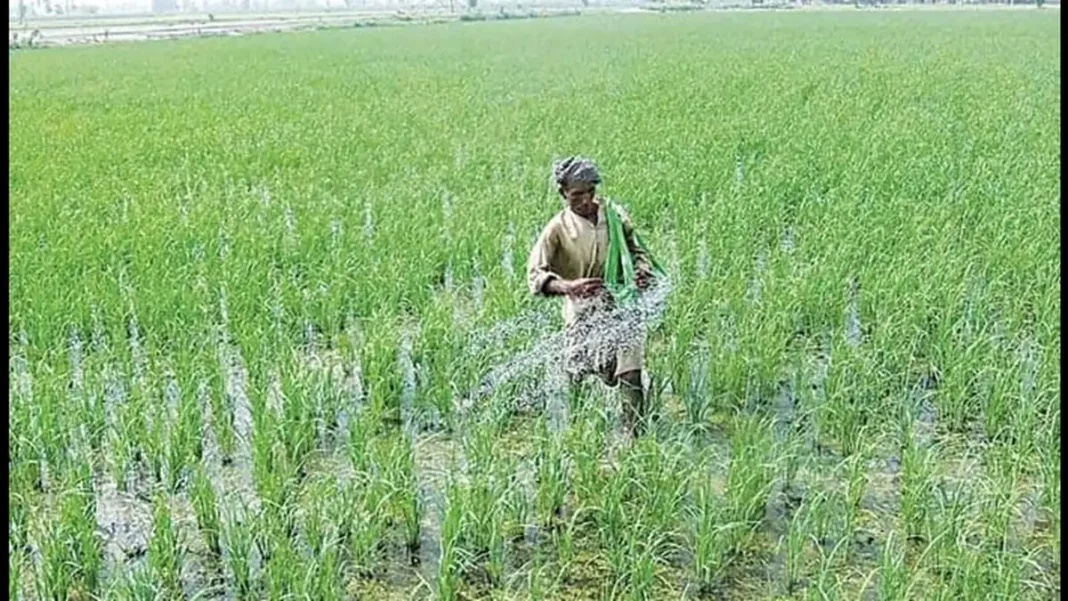
The timing is difficult for growers. Wheat sowing is under way across Punjab and other provinces, and urea is a core input for the crop. A shortfall at sowing time does not just raise costs. It can cut yields months later, when the harvest comes in. Farmers who cannot get urea on time may apply less than the crop needs, or turn to costlier sources in the open market.
That link, from a gas shortage today to a wheat harvest months from now, is why a 200,000-tonne gap matters beyond the National Assembly chamber. Pakistan’s food supply depends on the Rabi crop, and the Rabi crop depends on fertiliser reaching fields in the right week.
Imports, prices and the gas link
The shortfall has three moving parts: gas, imports and prices. Urea plants run on gas, so a gas shortage hits production directly. Imports can fill part of the gap, but about half the country’s needs already come from abroad, and the Middle East crisis has pushed global fertiliser prices higher. That leaves the government paying more for imports while domestic plants sit idle.
Easy loans, the measure Shaista Khan pointed to, help farmers afford inputs, but they do not create fertiliser that is not there. Loans work when supply exists and the problem is cash. When supply itself is short, the answer has to include production and imports as well.
The government has faced this bind before. Feature Pakistan reported on wheat prices and hoarding action in Dar Wheat Prices Action on Hoarding, and on Punjab’s farmer support package in Punjab Apna Kisan Bank Farmers Package. The fertiliser gap now tests whether that support reaches farmers in time for the season that matters most.
Wheat, seeds and the wider session
In reply to a supplementary question, the secretary said that on the issue of adulteration of wheat with sand and soil in Khyber Pakhtunkhwa, the concerned minister is planning action against those involved in supply of substandard wheat. The point matters because adulterated wheat cheats buyers and undermines trust in the grain chain, from mandi to mill.
How large is Pakistan’s fertiliser shortfall?
The government told the National Assembly the shortfall is more than 200,000 tonnes against the country’s demand, after two urea plants closed temporarily.
Why did two urea plants close?
Gas supply was affected by the Middle East situation, the government said, forcing two urea plants to remain temporarily closed and cutting fertiliser availability.
How much of Pakistan’s fertiliser need comes from imports?
About 50 percent of the country’s fertiliser requirements are met from abroad, according to the parliamentary secretary, and the Middle East crisis has also pushed prices higher.
What help did the government promise farmers?
The Ministry of National Food Security and Research gives priority to farmers’ needs, Shaista Khan said, with projects including easy loans so farmers can meet their agricultural needs.