Pakistan Eurobond Tokenisation Plan Under Review
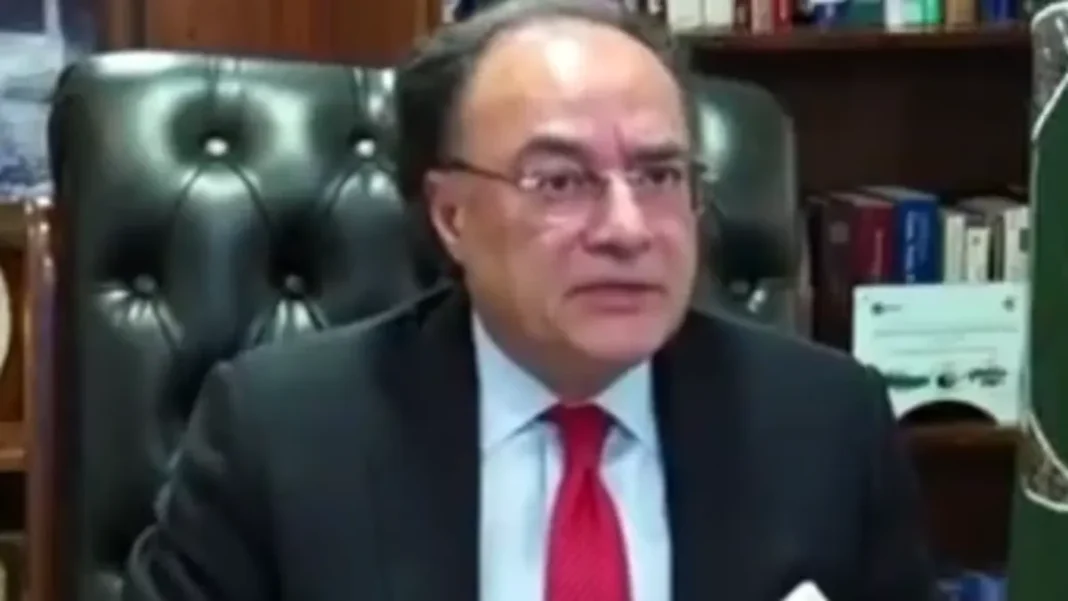
Pakistan Eurobond tokenisation is under review, and the government will seek cabinet approval before it invites proposals for the idea. Finance Minister Muhammad Aurangzeb set out the plan on Monday, November 2, 2026, in a virtual keynote address to a banking dialogue in Pakistan.
Aurangzeb spoke at the “Dialogue on Digital Assets and the Future of Banking”, organised by the Pakistan Banks Association in collaboration with LUMS. He said the government was in discussions on tokenising existing Eurobond debt, and it would look for cabinet approval before it moved ahead with a request for proposals.
Tokenisation is not yet approved, and no proposal round has opened.
Pakistan Eurobond tokenisation: what the minister proposed
A Eurobond is government debt issued in a foreign currency, usually US dollars. Investors lend money to the government, receive regular interest payments, and get the principal back when the bond matures. Pakistan has used such borrowings to meet external financing needs and to build foreign exchange reserves.
Tokenisation would create digital representations of such assets on a blockchain, so ownership could be recorded and transferred digitally. It would change the form in which the debt is held and moved. It would not, by itself, change the amount Pakistan owes.
Aurangzeb also named remittances as another possible use of tokenisation. Pakistan received $41.6 billion in remittances in the previous fiscal year. Inflows in the first quarter of the current fiscal year pointed to a figure above $44 billion this year, he said. A cheaper, faster way to move money home would matter to families that depend on those inflows, and to the wider economy that absorbs them.
The minister framed the test for any digital asset plan in practical terms. He asked whether a family could receive money from abroad at a lower cost, whether a business could get paid sooner, and whether an entrepreneur could obtain financing on reasonable terms. He also asked whether productive investment could be attracted while the stability of the financial system was protected.
Why the plan is still at the discussion stage
Aurangzeb said Pakistan needed financial innovation that reduced the cost of doing business and brought more people into the formal economy. He said digital assets should be judged on the economic benefits they delivered, not on excitement about the technology itself.
He pointed to international examples. He cited JPMorgan’s use of deposit tokens to move money for institutional clients over blockchain networks. He also cited the Bank for International Settlements’ Project Agora, which is examining how tokenised commercial bank deposits and central bank reserves could improve cross-border settlements.
At the same time, he drew clear lines between different kinds of digital assets. A tokenised bank deposit remains a claim on a bank, he said. A stablecoin’s risk depends on its issuer, its backing, and its redemption arrangements. An unbacked cryptoasset carries a different set of risks, so regulation must reflect those differences.
That distinction runs through the framework Pakistan has already built. The Virtual Assets Act 2026 set up the Pakistan Virtual Assets Regulatory Authority, known as PVARA, to license and supervise virtual asset businesses.
What has already happened on tokenisation
Frequently asked questions
What is Pakistan Eurobond tokenisation?
It is a proposal to create digital representations of Pakistan’s existing Eurobond debt on a blockchain, so ownership can be recorded and transferred digitally. It would change the form of the debt, not the amount owed.
Has the plan been approved?
No. Finance Minister Muhammad Aurangzeb said on November 2, 2026, that the government was in discussions and would seek cabinet approval before issuing a request for proposals.
Why are remittances part of the discussion?
Pakistan received $41.6 billion in remittances in the previous fiscal year, and first-quarter inflows pointed above $44 billion this year. The minister said tokenisation could make sense as a way to cut the cost of sending money home.
What framework already governs digital assets in Pakistan?
The Virtual Assets Act 2026 set up the Pakistan Virtual Assets Regulatory Authority to license and supervise virtual asset businesses. Banks face limits on investing, trading, or holding virtual assets with their own funds or customer deposits.
What happens next?
If the cabinet approves, the government would invite proposals. Until then, the Eurobond tokenisation plan remains a proposal under review, and no timetable for a tokenised issue has been announced.