PFA Seizes Counterfeit Snacks in Multan Raid
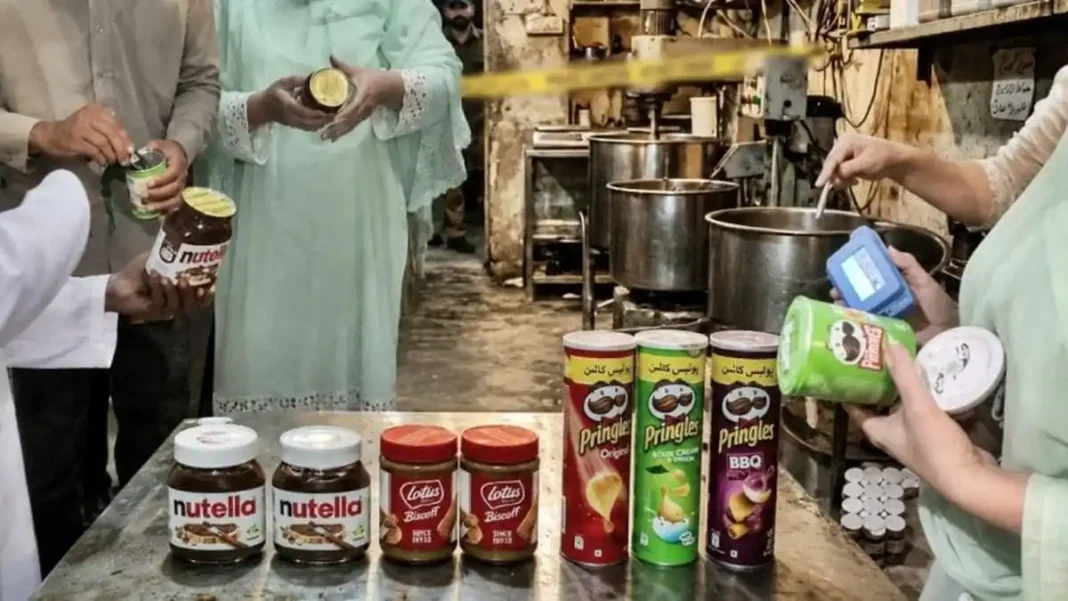
The Punjab Food Authority (PFA) has seized 1,152 kilogrammes of counterfeit snacks and 75 kilogrammes of prohibited Chinese salt during a raid on a papad factory in Multan.
The raid took place at a factory in Al-Khalil Colony, near the WAPDA Grid Station on Bahawalpur Bypass. A food safety team inspected the unit and recovered snack packets bearing counterfeit branding of a well-known international company. The team also seized the prohibited Chinese salt found during the operation.
The raid was carried out as part of an ongoing crackdown on manufacturers producing counterfeit and potentially harmful snacks for children. It was conducted on the directions of PFA Director General Raja Mansoor Ahmed. The seized material was confiscated, and a case was registered against those responsible.
Counterfeit snacks: why the raid focused on children
The PFA framed the operation as a child safety action, not just a trademark case. Snacks sold to children are a particular concern for food regulators because young buyers cannot judge whether a packet is genuine, and because cheap counterfeit products can be made without the quality checks that established brands are required to follow.
Counterfeit branding adds a second problem. A fake label is designed to borrow trust from a known brand. A parent or shopkeeper who recognises the brand may assume the contents meet the same standard, even when the product was made in an unregistered unit with unknown ingredients.
In this case, the authority said the products were allegedly being made for sale using fake labels and branding designed to imitate established brands and mislead consumers. That allegation, if proved, would make the case about deception as well as food safety.
Why Chinese salt is banned
Chinese salt is the common name for monosodium glutamate (MSG), sold under the brand name Ajinomoto. The Punjab Food Authority banned its use in food items in January 2018, on the recommendation of its scientific panel.
The panel linked MSG to headaches, blood pressure problems, heart palpitations and memory loss, and said it could affect women during pregnancy. The Supreme Court later banned the sale, import and export of Chinese salt across Pakistan in March 2018, after hearing a case on MSG and used oil.
Those findings remain contested in wider scientific debate, but the legal position in Punjab is clear: Chinese salt is a prohibited ingredient in food items, and its presence in a manufacturing unit is enough for seizure action. The Multan raid therefore involved two separate violations at once, counterfeit branding and a banned ingredient.
What the seizure means for shoppers
For shoppers in Multan, the practical lesson is simple. A familiar-looking packet is not a guarantee of safety, especially when it is sold loose or at a price far below the genuine product. Checking for proper labelling, a manufacturer name and address, and a batch or expiry mark can help, though none of these checks is foolproof against a careful counterfeit.
For small manufacturers, the case is a warning that the PFA is targeting production units, not just shops. The raid hit the factory itself, and the registration of a case means the matter will now be tested in court rather than ending with a fine on the spot.
PFA Director General Raja Mansoor Ahmed has said that food adulteration, counterfeiting and fraud involving products intended for children would not be tolerated under any circumstances. That statement sets the tone for the wider crackdown, which the authority says is continuing across the province.
Parents who suspect a counterfeit or substandard product can report it to the PFA. The authority runs a helpline for such complaints, and enforcement teams use those reports to plan raids of the kind carried out in Multan.
The seized snacks and salt will not reach the market. What happens next depends on the case registered against those responsible, and on whether the factory can show that its products met food safety law. On the facts reported so far, the authority has treated the unit as a counterfeit operation, not a licensed manufacturer that made an error.
Frequently asked questions
What did the PFA seize in Multan?
It seized 1,152 kilogrammes of counterfeit snack packets and 75 kilogrammes of prohibited Chinese salt from a papad factory.
Where was the factory?
The factory was in Al-Khalil Colony, near the WAPDA Grid Station on Bahawalpur Bypass in Multan.
What is Chinese salt?
Chinese salt is monosodium glutamate (MSG), sold as Ajinomoto, which the Punjab Food Authority banned in food items in January 2018.
Why are counterfeit snacks a special concern?
They imitate known brands, so buyers may trust them, and they can be made without the quality checks required of genuine manufacturers, with children among the buyers.
What action followed the raid?
The seized material was confiscated and a case was registered against those responsible, on the directions of PFA Director General Raja Mansoor Ahmed.