New US Strike on Iran Would Be Madness: ElBaradei
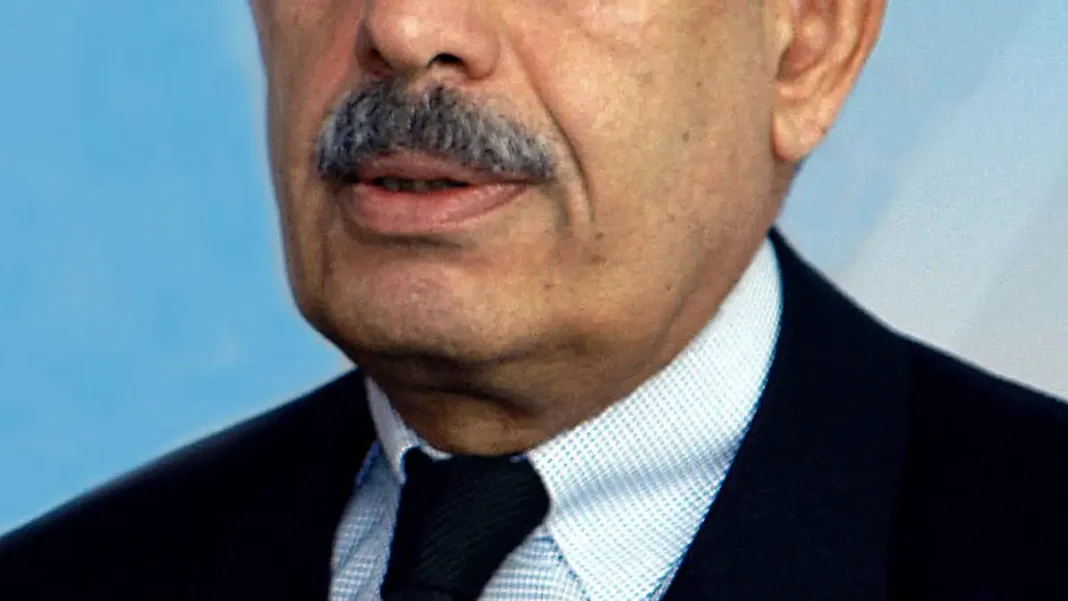
A new US strike on Iran would be a blow of madness, Nobel Peace Prize laureate Mohamed ElBaradei warned on Monday, November 2, 2026, as threats of renewed attacks hung over talks aimed at ending the US-Israeli war on Iran. The former head of the United Nations nuclear watchdog said the Middle East would pay a heavy price if Washington launched fresh attacks.
“Any further American strike against Iran would be a blow of madness and would lead only to more violence and destruction,” ElBaradei wrote on X, in a post reported by Al Jazeera and carried by Dawn. “I urge everyone who has influence over this reckless man to do everything in their power to dissuade him from it,” he added, in an apparent reference to US President Donald Trump.
New US strike on Iran: why the warning carries weight
ElBaradei is not a distant commentator on this subject. He served as director general of the International Atomic Energy Agency from 1997 to 2009, leading the agency through disputes over the nuclear programmes of Iran, Iraq and North Korea. He and the agency were jointly awarded the Nobel Peace Prize in 2005 for efforts to prevent nuclear energy from being used for military purposes and to ensure it was used in the safest possible way. He also briefly served as Egypt’s interim vice president in 2013.
His warning lands at a moment when diplomacy and threats run side by side. Trump has said he still has one or two targets in mind in Iran and that he could deal with them in 10 minutes, while also saying the United States is in no hurry to take offensive action because it has already decimated Iran’s military and nuclear programme.
Talks continue through Qatari and Pakistani mediation
Behind the warnings, talks continue. Iranian negotiators were in Doha on Sunday for a third consecutive day of discussions with Qatari mediators, aimed at pushing for a deal to end the war. Iranian Foreign Minister Abbas Araghchi said a proposal under discussion through Qatari and Pakistani mediation was based on Iran’s original seven-day plan, presented during the United Nations General Assembly in New York in September.
Under that plan, the Strait of Hormuz would reopen on the sixth day if Iran’s conditions were met, and Iran-US negotiations would resume on the seventh day, Araghchi said, adding that no final conclusion had been reached.
The war itself began on February 28 with US-Israeli strikes on Iran, and Tehran retaliated with missile and drone attacks across the region. Iran has since warned that any renewed war could last longer than the previous round of fighting.
What it means for Pakistan
For Pakistani readers, the stakes are not abstract. The conflict has already moved petrol prices and stock markets at home. On Monday, global oil prices fell by more than 4 per cent on hopes of diplomatic progress, a shift Feature Pakistan reported in oil prices fall on US-Iran diplomacy hopes. At the same time, the government has shielded pump prices by shifting higher petrol import costs onto refineries, as reported in refineries to bear Rs15bn a month to shield petrol prices.
A new round of strikes would put that fragile balance at risk, pushing oil prices higher and feeding straight into Pakistan’s import bill and inflation. A diplomatic deal, by contrast, would ease pressure on both fronts.
What happens next
The immediate question is whether the Doha talks produce a deal before the threats harden into action. Araghchi has said discussions on the proposal are continuing, with no final conclusion yet. The coming days will show whether the mediators can turn a seven-day plan into an agreement, or whether warnings like ElBaradei’s go unheeded and the region slides back towards war.
Frequently asked questions
Who is Mohamed ElBaradei?
Mohamed ElBaradei is an Egyptian diplomat who served as director general of the International Atomic Energy Agency from 1997 to 2009. He and the agency jointly won the Nobel Peace Prize in 2005.
What did ElBaradei say about a new US strike on Iran?
He wrote on X that any further American strike against Iran would be a blow of madness and would lead only to more violence and destruction, urging those with influence over Trump to dissuade him.
What talks are under way to end the war?
Iranian negotiators held a third consecutive day of talks in Doha with Qatari mediators, discussing a proposal based on Iran’s seven-day plan, under which the Strait of Hormuz would reopen on the sixth day and Iran-US talks would resume on the seventh.
How would a new strike affect Pakistan?
A new strike could push oil prices higher, raising Pakistan’s import bill and inflation. Diplomacy, by contrast, would ease pressure on petrol prices and household budgets.