An audit has uncovered financial irregularities and violations of rules amounting to Rs23.95 billion in Sindh’s Irrigation Department during 2024-25. The Sindh irrigation audit, set out in a 54-point report, covers contract awards, procurements, payments and the handling of development projects.
The Auditor General of Pakistan has forwarded the detailed report to the Sindh irrigation secretary for further action. That step moves the findings from audit observation to departmental responsibility. What the secretary does next, including any inquiry or referral, will determine whether the Rs23.95 billion figure leads to recovery, action against officials, or further explanation.
The report flags a range of financial and administrative lapses. From allegedly manipulated contract awards and questionable procurements to payments made in violation of prescribed procedures, the findings raise serious questions about how the department handled public funds in the year under audit. The Express Tribune reported the audit findings and the department’s position as described in the report.
According to the audit findings, irregularities included the unlawful division of contracts, payments made contrary to approved rules, and procedural violations in the processing and clearance of bills. Contract division matters because it can split a large job into smaller pieces that avoid higher-level approval or open tender. Payments contrary to rules matter because they break the chain that links work done, bills checked and money released.
The report also pointed to alleged circumvention of mandatory procedures during the approval and execution of development projects. Certain expenditures were reportedly justified on grounds of emergency works, despite questions over their legality and the potential losses caused to the public exchequer. Emergency justification is a recognised route for urgent work, but it requires proof that the work was urgent and that normal procedures could not wait. The audit, as reported, found that proof wanting in the cases flagged.
The acceptance of allegedly illegal tenders and procurement in violation of prescribed regulations also came under scrutiny. Tender rules exist to test price, quality and eligibility before public money is committed. If tenders were accepted outside those rules, the department cannot show that it got value for the money spent, even where work was in fact done.
Among the issues highlighted was expenditure running into millions of rupees on filling breaches in flood embankments. The department, however, reportedly failed to provide the audit team with satisfactory legal or documentary justification for the substantial spending. Flood embankment work is urgent by nature, and breaches must be filled quickly. That urgency makes records more important, not less, because it is the record that later shows what was spent, where, and why.
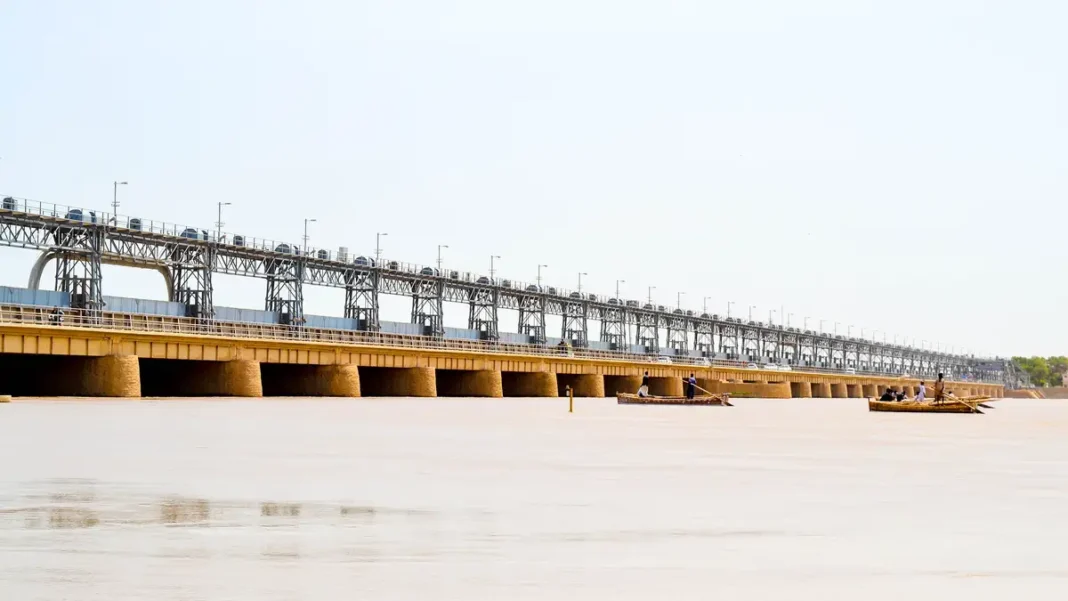
Sindh depends almost entirely on the Indus for irrigation. The province’s canal system, fed by barrages including Sukkur Barrage, carries water to millions of acres. Sukkur Barrage alone, completed in 1932, feeds a network of canals that irrigates a large share of the province. When the system that moves water also moves billions of rupees, audit scrutiny follows the money as closely as engineers follow the water.
The audit authorities have recommended a transparent investigation into the reported irregularities and legal action against officials found responsible. That recommendation is the standard next step after a report of this size. It does not, on its own, prove individual wrongdoing. Audit findings are allegations and observations that an inquiry must test against records, explanations and, where needed, hearings.
The scale of the figure should also be read with care. Rs23.95 billion is the total value of irregularities and rule violations flagged across 54 points, not a single missing sum. Some points may involve the same money counted under different heads, and some may be resolved by better documentation. Only the inquiry and the department’s response will separate those categories.
The audit lands in a province where water is already a live public issue. Feature Pakistan has reported on Sindh growers warning of a severe winter water shortage for wheat sowing. In that story, growers in Larkana warned that Sukkur Barrage repairs could cut supplies during sowing. Water shortage and audit findings are different problems, but they meet at the same point: farmers’ trust that the system delivers water fairly and that money for works is spent properly.
Sindh’s fiscal pressures add a further layer. Feature Pakistan has reported on Sindh foreign loans jumping 49 per cent in two years. A province borrowing more cannot afford waste in its largest water-spending department. Water management failures surface in other places too, including Rawalpindi’s water shortfall at Daducha, while public-funds accountability is also at issue in allegations of illegal occupation of government houses.
Frequently asked questions
How much did the Sindh irrigation audit flag?
The audit flagged financial irregularities and rule violations amounting to Rs23.95 billion in the provincial Irrigation Department during 2024-25, across a 54-point report.
Who received the audit report?
The Auditor General of Pakistan forwarded the detailed report to the Sindh irrigation secretary for further action. The audit authorities recommended a transparent investigation and legal action against officials found responsible.
What kinds of irregularities were found?
The findings include unlawful division of contracts, payments contrary to approved rules, procedural violations in bill processing, circumvention of mandatory procedures in project approval, emergency-work justifications questioned by auditors, and allegedly illegal tenders and procurement.
What about flood embankment spending?
The report highlighted expenditure running into millions of rupees on filling breaches in flood embankments, where the department reportedly failed to give the audit team satisfactory legal or documentary justification for the spending.
Does the Rs23.95 billion figure mean money is missing?
Not necessarily. It is the total value of irregularities and violations flagged across 54 points. Some points may be resolved by documentation, some may lead to recovery, and some may lead to action. An inquiry must test each finding before conclusions are drawn.