LPG Price Surge Forces Rickshaw Drivers to Cut Meals
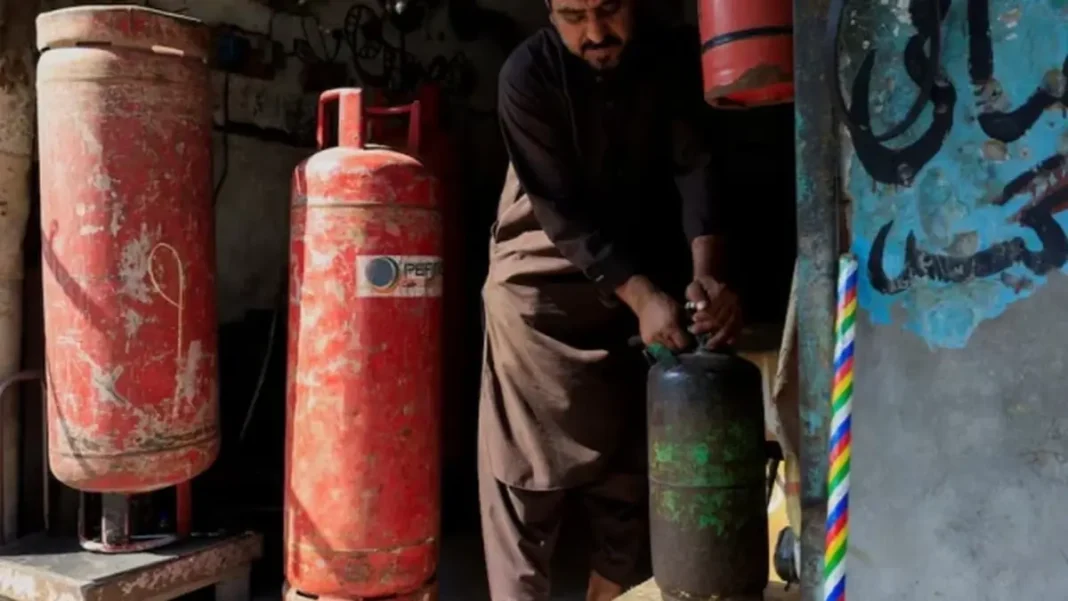
The LPG price surge in Pakistan has pushed Lahore rickshaw driver Rashid Ali from earning $6.50 a day to less than half that sum. His family now eats twice a day instead of three times, as fuel costs swallow the money he once took home.
Ali, 33, has driven a three-wheeled rickshaw in Lahore for 13 years. His day starts at 6am and sometimes runs until midnight. He pays Rs600 a day to rent his rickshaw and fills up with gas four or five times a day, at Rs300 to Rs400 each time. He also pays Rs11,000 a month in rent and supports two young children. With fares under pressure, the sums no longer add up.
Ali is not alone. Majeed Ghauri, chairman of the Awami Rickshaw Union, calls liquefied petroleum gas (LPG) “the fuel of the poor”. He said about 70 per cent of the union’s 43,000 auto-rickshaws and nearly 8,000 Qingqis run on LPG. Qingqis are motorcycle-based three-wheelers that carry several passengers on fixed routes. When LPG prices jump, thousands of drivers feel it the same day.
LPG price surge Pakistan: how the border closure drove prices up
Prices have surged since October 17, when two Iranian border crossings closed and halted imports, traders said. Pakistan imports about 7,000 metric tonnes of LPG a day from Iran, according to the Pakistan LPG Association. Iran is one of Pakistan’s biggest LPG suppliers, so a halt at the border quickly reached pumps and shops across the country.
Traders said the price of a 12kg cylinder jumped 56 per cent within days of the closure, to Rs7,000 in the open market. That works out at about Rs583 per kg. The Balochistan government cited security and smuggling for the closure, while Iran’s foreign ministry pointed to technical issues. Iran’s ambassador later said Iran had imposed no restrictions, including on LPG exports, and blamed changes in Pakistan’s import paperwork. The conflicting accounts leave drivers unsure when normal supply will resume.
The squeeze reaches beyond drivers. Passengers resist higher fares, Ali said. A trip that should cost Rs200 or Rs250 may draw an offer of Rs80, Rs100, or Rs150. One passenger, Mohammad Ramzan, said he offered half of a Rs500 fare demand and walked away when the driver declined. That daily haggling cuts earnings twice: drivers pay more for fuel and still cannot charge more for rides.
Why this LPG shock hits households twice
LPG is both a transport fuel and a cooking fuel in Pakistan, so the same price surge hits homes from two sides. Drivers pay more to run their vehicles, and families pay more to cook. Ali’s story shows both effects at once. At midday, he said his two boys still needed lunch, and he planned to drive late into the night in the hope of bringing food home for the evening.
The wider economy adds to the pressure. Inflation hit 9.6 per cent in October, and the central bank raised interest rates to 12 per cent last week, citing energy and wheat prices. Petrol hit a record Rs458 per litre on April 3 and remains about 40 per cent above its pre-war price. Against that background, a fuel used by low-income drivers and households carries outsized weight.
The government has moved on winter gas supply in parallel. Feature Pakistan reported that the government vows winter gas for three daily meals, with plans to open the LPG sector to more competition. That plan looks ahead to the cold months, when cooking demand rises. For drivers like Ali, however, relief cannot wait for winter policy. Each day of high LPG prices cuts deeper into food, rent, and school costs.
What happens next turns on the border. If Iranian LPG flows resume at scale, open-market prices should ease from Rs7,000 per cylinder. If the closure drags on, drivers will face a longer squeeze, and more families will cut meals. The dispute over why the crossings closed, security and smuggling on one side and paperwork on the other, needs a clear answer before traders and drivers can plan.
The surge follows an earlier LPG price hike linked to the border closure, and comes after petrol and diesel prices were cut for November 3.
Frequently asked questions
How much has LPG risen in Pakistan?
Traders said a 12kg cylinder jumped 56 per cent within days of the October 17 border closures, to Rs7,000 in the open market, or about Rs583 per kg.
Why did LPG prices surge?
Two Iranian border crossings closed on October 17, halting imports. Pakistan imports about 7,000 metric tonnes of LPG a day from Iran, a key supplier.
How are rickshaw drivers affected?
Lahore driver Rashid Ali’s daily earnings fell from $6.50 to less than half that sum. His family now eats twice a day, and he pays Rs600 a day in rickshaw rent plus Rs300 to Rs400 per gas fill.
How many rickshaws run on LPG?
About 70 per cent of the Awami Rickshaw Union’s 43,000 auto-rickshaws and nearly 8,000 Qingqis run on LPG, according to its chairman Majeed Ghauri.
What could bring LPG prices down?
A resumption of Iranian LPG imports at scale should ease open-market prices. The government has also promised winter gas for three daily meals and more competition in the LPG sector.