Imported Wheat Fails to Cut Flour Prices
The arrival of imported wheat has lowered grain prices in Pakistan’s open market, but flour prices remain high, and consumers continue to pay high rates for baked goods. Retail prices remain unchanged, despite a reduction in mill prices, leaving households with little relief at the shop counter.
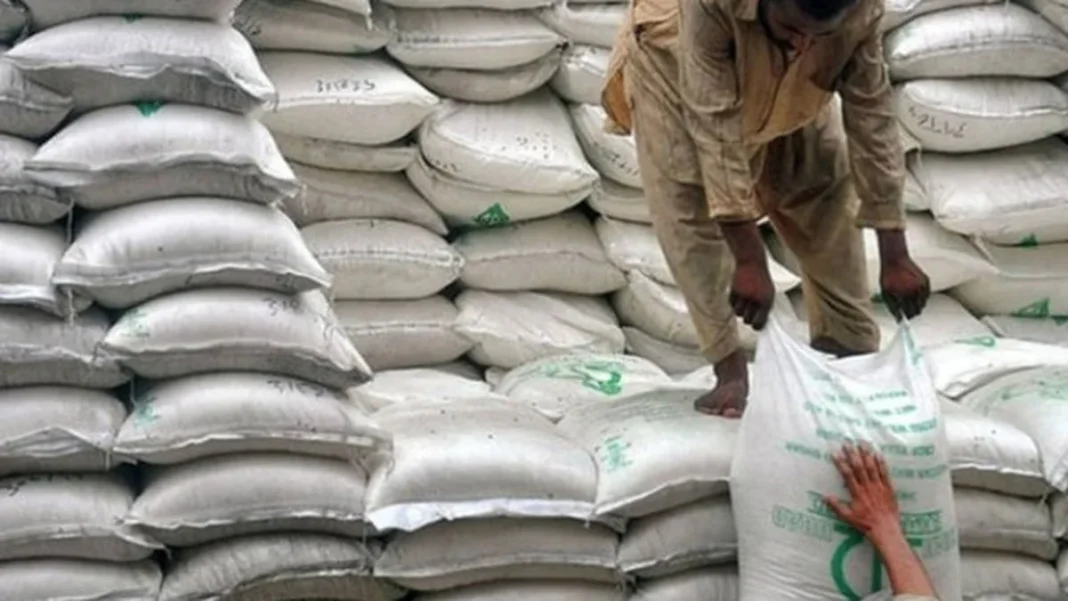
The first shipment carrying 51,000 tonnes of imported wheat arrived at Karachi Port on October 28. That arrival cut open-market wheat prices to Rs130 per kg from Rs140. Another vessel carrying 58,132 tonnes was scheduled to arrive on Tuesday, November 3. Wholesalers quoted Rs132 per kg on average, while millers quoted Rs136 to Rs137 per kg.
Flour prices stay high at retail
Flour millers had increased prices of different flour varieties by Rs20 per kg before reducing them ahead of the arrival of imported wheat. A miller said mills lowered prices on October 28, two days before the shipment arrived. The latest mill prices for flour No. 2.5, maida and fine flour stand at Rs156, Rs168 and Rs171 per kg, respectively. During the first week of October, the same varieties were priced at Rs161, Rs173 and Rs176 per kg.
Despite that reduction, retail prices have remained unchanged. Flour No. 2.5 and maida are selling at Rs170 to Rs180 and Rs185 to Rs190 per kg, respectively, while fine flour is priced at Rs185 to Rs190 per kg. The gap between mill prices and shop prices is therefore wide.
Prices of chapati, naan, sheermal, taftaan and qulcha have also remained unchanged at Rs20, Rs30 to Rs35, Rs100 to Rs110, and Rs90 to Rs100, respectively.
LPG costs eat into the relief
A tandoor owner said the high cost of liquefied petroleum gas, which ranges from Rs500 to Rs550 per kg, has offset the impact of lower flour prices. He warned that further LPG increases could make it hard for tandoor operators to sustain their businesses, as fuel now sets a floor under bread prices even when grain gets cheaper.
Wholesaler Rauf Ibrahim said regulators had failed to control inflated retail prices despite the decline in open-market wheat rates. He also warned that the planned import of 750,000 tonnes of wheat would be insufficient, as Pakistan needs more than 2 million tonnes to bridge the supply-demand gap until the next crop arrives from Sindh and Punjab between March and May.
Ibrahim urged the government to allow private firms and millers to import wheat, and noted that workers earning under Rs50,000 a month struggle to cover food costs, leaving little for education and other needs.
Karachi and Hyderabad pay the most
According to the Sensitive Price Index for the week ending October 29, Karachi and Hyderabad have the highest flour prices among major cities. A 20kg flour bag costs up to Rs3,540 in Karachi, compared with an average of Rs3,200 in other parts of the country. In Hyderabad, the price ranges from Rs3,360 to Rs3,400.
In Islamabad, Rawalpindi and Lahore, 20kg flour bags are priced between Rs2,200 and Rs3,333. Sukkur recorded the highest 10kg wheat bag price at Rs1,488, followed by Peshawar at Rs1,469 and Hyderabad at Rs1,453, while Sargodha had the lowest at Rs1,223.
For fine flour, Hyderabad and Quetta reported the highest price at Rs187 per kg, followed by Karachi at Rs185 and Islamabad at Rs183.
The city gap matters because national averages hide real pain. A family in Karachi can pay more than Rs300 extra for the same 20kg bag that costs less elsewhere, due to transport, supply chains and local market power.
Why imports alone do not fix the market
The wheat story connects with the wider farm economy, as Sindh growers warned of a severe winter water shortage, which threatens the next crop itself. Imports can buy time, but they cannot replace a healthy harvest.
Policy choices also matter. A wheat support price of Rs4,500 per maund has been proposed, which would shape what farmers earn and what mills pay. The flour trade is also under strain, as flour millers threatened a strike over the Taxila assault.
Transport costs add another layer, but petrol and diesel prices were cut for November 3, and retail flour prices still have not moved, which suggests transport is not the main reason for the gap.
What happens next
Two arrivals will test the market in the coming days. The second wheat vessel due on November 3 will add 58,132 tonnes to supply. If retail prices still do not move after that, the case for stronger price monitoring will grow, given the warning that 750,000 tonnes falls well short of the 2 million tonnes needed before the March to May harvest.
Frequently asked questions
How much imported wheat has arrived in Pakistan?
The first shipment of 51,000 tonnes arrived at Karachi Port on October 28, and a second vessel carrying 58,132 tonnes was due on November 3.
Why have flour prices not fallen?
Mill prices fell by about Rs5 per kg, but retail prices stayed unchanged, while high LPG costs for tandoors and weak price enforcement also kept bread and flour prices high.
What are current retail flour prices?
Flour No. 2.5 sells at Rs170 to Rs180 per kg, maida at Rs185 to Rs190 per kg, and fine flour at Rs185 to Rs190 per kg. A 20kg bag costs up to Rs3,540 in Karachi.
Which cities pay the most for flour?
Karachi and Hyderabad have the highest flour prices among major cities, according to the Sensitive Price Index for the week ending October 29.
Will planned wheat imports close the supply gap?
Wholesaler Rauf Ibrahim warned that the planned 750,000 tonnes would be insufficient, as Pakistan needs more than 2 million tonnes until the next crop arrives from Sindh and Punjab between March and May.